Is Fish Oil Safe for Cats? What Every Cat Owner Should Know Before Starting
Addressing safety concerns, when fish oil is beneficial versus risky for cats, and special considerations for kidney disease and pregnancy.
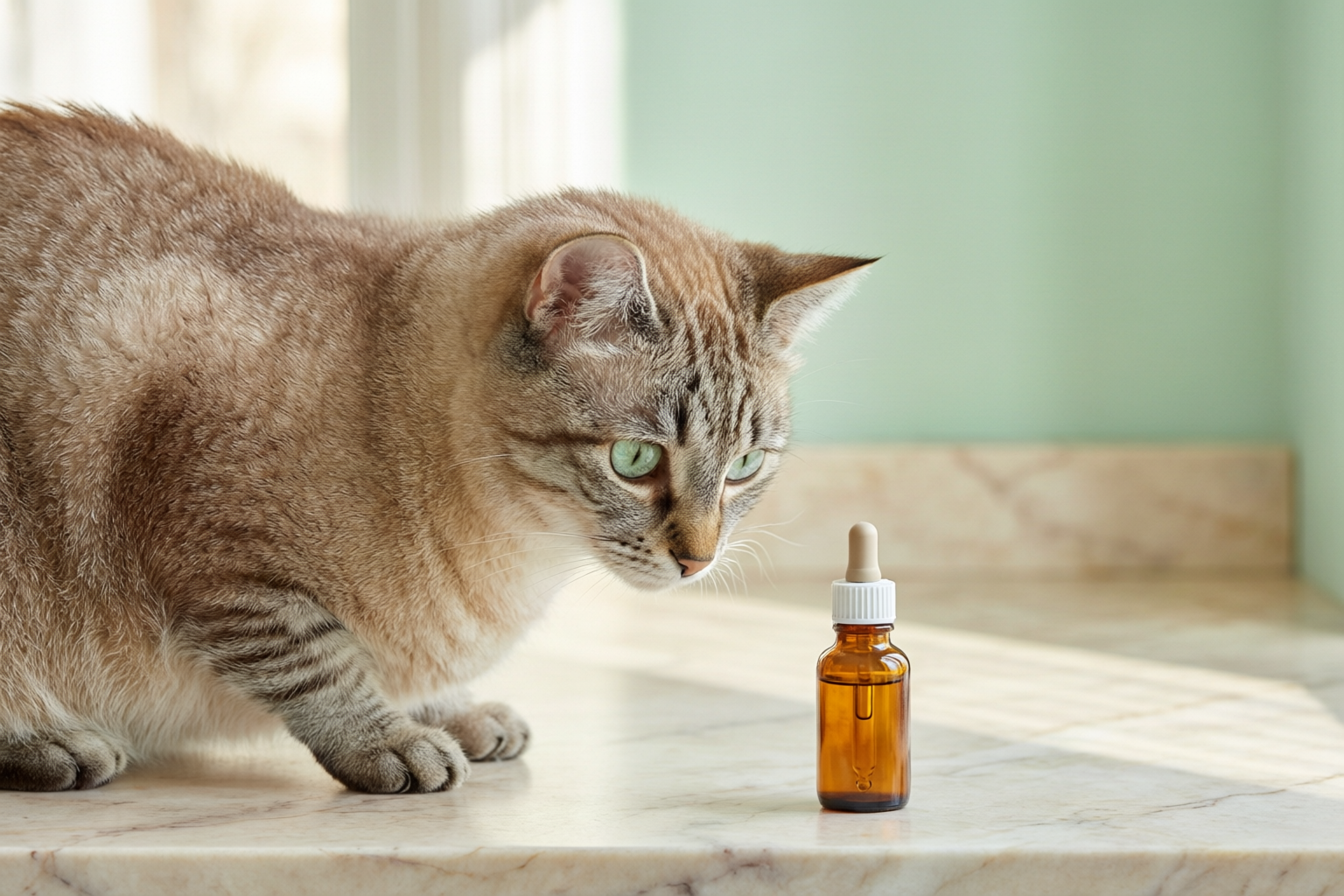
If you have ever stood in the pet supplement aisle wondering whether fish oil is actually safe for your cat, you are not alone. We get this question more than almost any other. The short answer is yes, fish oil is generally safe for cats, but the full answer depends on dose, your cat's health status, and the quality of the product you choose. Let us walk through what the research shows and what we have seen in practice.
Why Fish Oil Is Considered Safe for Most Cats
Fish oil provides omega-3 fatty acids, specifically EPA and DHA, that cats cannot produce on their own. These are essential fats that must come from food or supplementation. According to the National Research Council's Nutrient Requirements for Dogs and Cats (2006), omega-3 fatty acids play a critical role in cell membrane structure, inflammatory regulation, and neurological function in felines.
A 2022 review published in the Journal of Feline Medicine and Surgery found that adverse effects from fish oil supplementation in cats were rare and typically limited to mild gastrointestinal upset at higher doses, affecting roughly 5 to 8 percent of cats in clinical observations. That is a reassuring number compared to the side effect profiles of many prescription medications.
Recommended Dosing for Cats
Getting the dose right is the single biggest factor in safety. Too little and you will not see benefits. Too much and you risk digestive issues or blood-thinning effects.
General Wellness Dosing
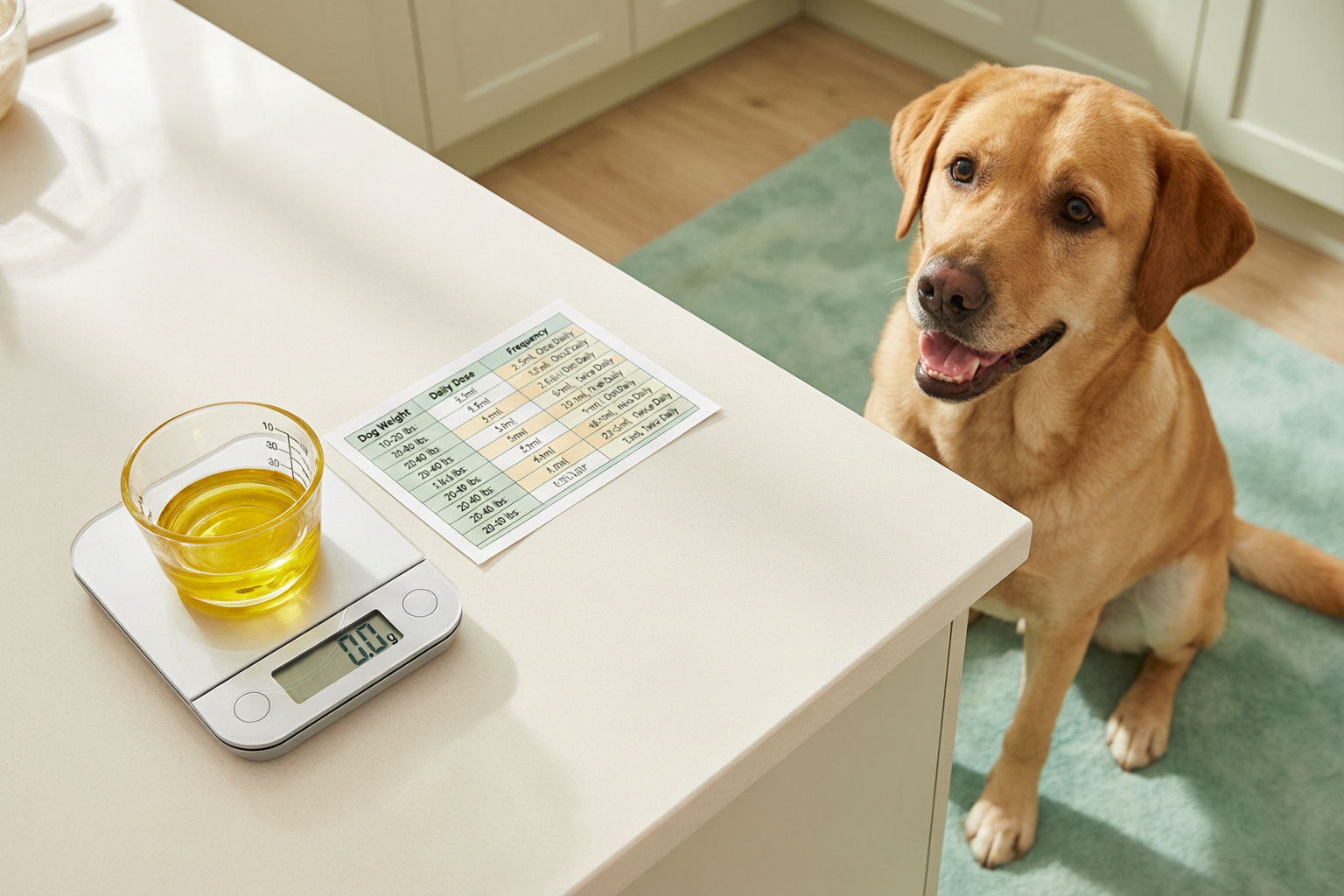
For a healthy adult cat, most veterinary nutritionists recommend between 30 and 50 mg of combined EPA and DHA per kilogram of body weight per day. For a typical 10-pound cat, that translates to roughly 135 to 225 mg daily, according to guidelines referenced by the World Small Animal Veterinary Association (WSAVA, 2021).
Therapeutic Dosing
Cats with conditions such as chronic kidney disease, arthritis, or inflammatory skin disorders may benefit from higher doses, sometimes up to 75 mg/kg/day. Therapeutic dosing should always be supervised by a veterinarian. We have seen cases where owners double or triple the dose thinking more is better, and that is where problems start.
When Fish Oil May Not Be Safe
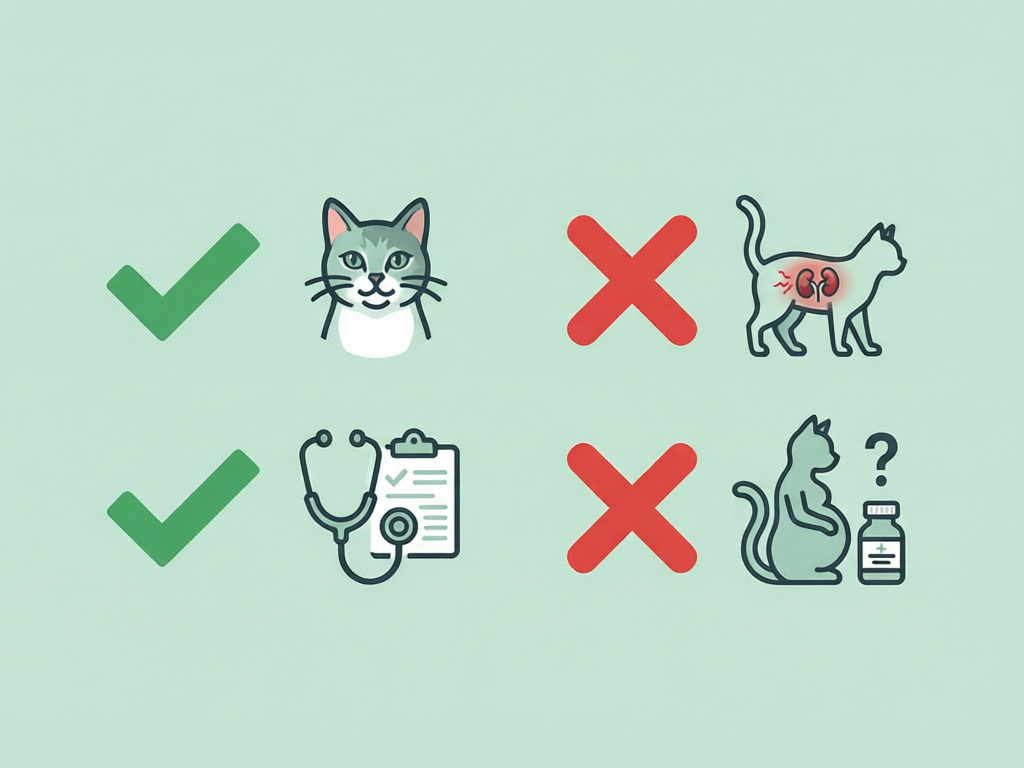
Cats with Kidney Disease
Omega-3s can benefit cats with chronic kidney disease, but dose and product selection matter enormously. Some fish oil products contain added vitamin D, which can be problematic when kidneys are compromised. According to a study by Brown et al. in the Journal of Veterinary Internal Medicine (2016), omega-3 supplementation in CKD cats showed renal protective effects, but only under veterinary guidance with regular blood work.
Pregnant or Nursing Cats
DHA is important for fetal brain and eye development, so some fish oil can be beneficial during pregnancy. The risk comes from overdosing or using products with contaminants. Choose a third-party-tested product and consult your vet before supplementing a pregnant queen. A study in the Journal of Animal Physiology and Animal Nutrition (2020) found that pregnant cats supplemented with DHA at 30 mg/kg/day produced kittens with measurably improved early cognitive responses, with no adverse effects reported.
Cats on Blood-Thinning Medications
Omega-3 fatty acids have a mild anticoagulant effect at higher doses. If your cat is already taking blood-thinning medication such as clopidogrel, adding fish oil could amplify this effect. According to research published in the American Journal of Veterinary Research (2018), the combination of high-dose fish oil with antiplatelet drugs increased bleeding time in cats by an average of 22 percent.
Signs Your Cat May Not Be Tolerating Fish Oil
Even with proper dosing, some cats are more sensitive than others. Watch for these signs in the first two to three weeks:
- Loose stools or diarrhea — the most common side effect, usually resolved by reducing the dose
- Fishy breath or body odor — not dangerous, but often a sign the dose is too high
- Decreased appetite — some cats find the taste off-putting, especially at first
- Lethargy or unusual behavior — rare but worth noting; discontinue and consult your vet
- Oily coat or greasy skin — a sign of excess fat intake, not an allergy
In our experience, most of these issues resolve by cutting the dose in half for the first week and gradually building back up. If symptoms persist beyond two weeks after adjusting, stop supplementation and talk to your veterinarian.
Choosing a Safe Product
Product quality directly affects safety. Here is what to look for:
- Third-party testing for heavy metals, PCBs, and dioxins — look for a Certificate of Analysis from an independent lab
- Small fish source such as anchovies, sardines, or mackerel, which accumulate fewer toxins
- Freshness indicators — the oil should smell mildly fishy, not rancid; oxidized oil may promote inflammation
- No unnecessary additives — avoid artificial flavors, colors, or excessive added vitamins
According to a 2023 analysis by ConsumerLab.com, nearly 30 percent of over-the-counter fish oil supplements for pets contained less EPA and DHA than stated on the label. Third-party verification is essential for knowing what you are actually giving your cat.
The Bottom Line on Safety
Fish oil is one of the safest and most well-studied supplements available for cats when used correctly. The risks are real but manageable: stick to recommended doses, choose a quality product, and keep your vet in the loop. We always recommend starting with a conversation with your veterinarian before introducing any new supplement, especially if your cat has an existing health condition or takes medication.
Frequently Asked Questions
Can I give my cat human fish oil capsules?
Technically yes, but it is not ideal. Human capsules often contain much higher doses than a cat needs, and some include flavorings or sweeteners like xylitol that can be harmful. We recommend using a product specifically formulated for pets so you can dose accurately.
How long does it take to see results from fish oil?
Most cat owners notice improvements in coat quality within four to six weeks of consistent daily supplementation. For joint comfort or kidney support, it may take eight to twelve weeks. Consistency matters more than dose size, so find a routine you can stick with.
Is salmon oil better than other fish oils for cats?
Salmon oil is popular and effective, but not inherently superior to oil from anchovies, sardines, or mackerel. Smaller fish tend to have lower contaminant levels. The best fish oil is one that is fresh, third-party tested, and has a high concentration of EPA and DHA per serving.
Can kittens have fish oil?
Yes, DHA supports brain and eye development in kittens. However, kittens have different dosing needs and more sensitive digestive systems. We recommend consulting your veterinarian before supplementing a kitten, and always starting with a very small dose.
Written by PawLifeWellness Team
Pet Health Writers
Our team creates practical, research-informed pet wellness content for everyday pet parents. Always consult your veterinarian for personalized advice.