5 Fish Oil Mistakes Dog Owners Make (And How to Avoid Them)
From wrong dosages to rancid bottles — the most common fish oil mistakes we see, and practical fixes for each one.
Fish oil is one of the most beneficial supplements you can give your dog, but only when you get the details right. We have talked to hundreds of pet parents who started with the best intentions and ended up disappointed or dealing with new problems. The frustrating part is that nearly all of these problems are entirely preventable. Here are the five mistakes we see again and again.
Mistake 1: Getting the Dosage Wrong
This is by far the most common error, and it goes in both directions. Some owners give too little, following a generic serving suggestion that might be perfect for a 20-pound terrier but woefully insufficient for an 80-pound German Shepherd. Others go the opposite direction, piling on high doses because they reason that if a little is good, more must be better.
According to a 2020 consumer survey published in Preventive Veterinary Medicine, approximately 65 percent of pet owners who gave omega-3 supplements to their dogs did not calculate the dose based on their dog's weight. Instead, they relied on label suggestions, online forums, or guesswork.
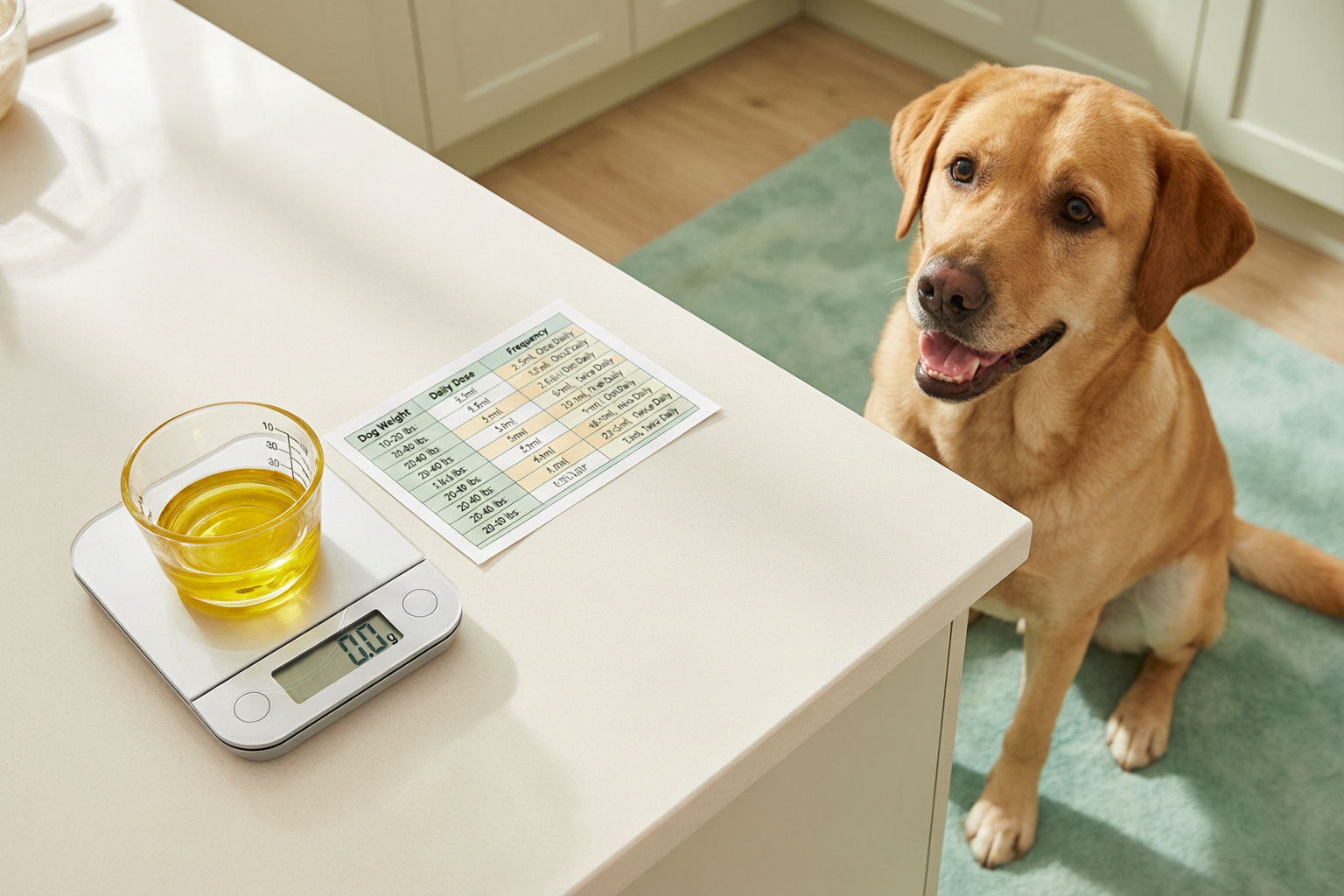
The fix is straightforward. Calculate based on combined EPA and DHA content relative to your dog's body weight. As a general wellness guideline, aim for approximately 20 to 55 mg of combined EPA and DHA per pound of body weight per day. Read the supplement facts panel, add the EPA and DHA numbers together, and write the target dose on a piece of tape stuck to the bottle. That total, not the total fish oil amount, is the only number that matters.
Mistake 2: Using Rancid or Oxidized Oil
Fish oil goes bad. The polyunsaturated fatty acids are extremely susceptible to oxidation when exposed to air, heat, and light. Once oxidized, the oil loses its benefits and can produce harmful free radicals that promote the inflammation you are trying to fight.
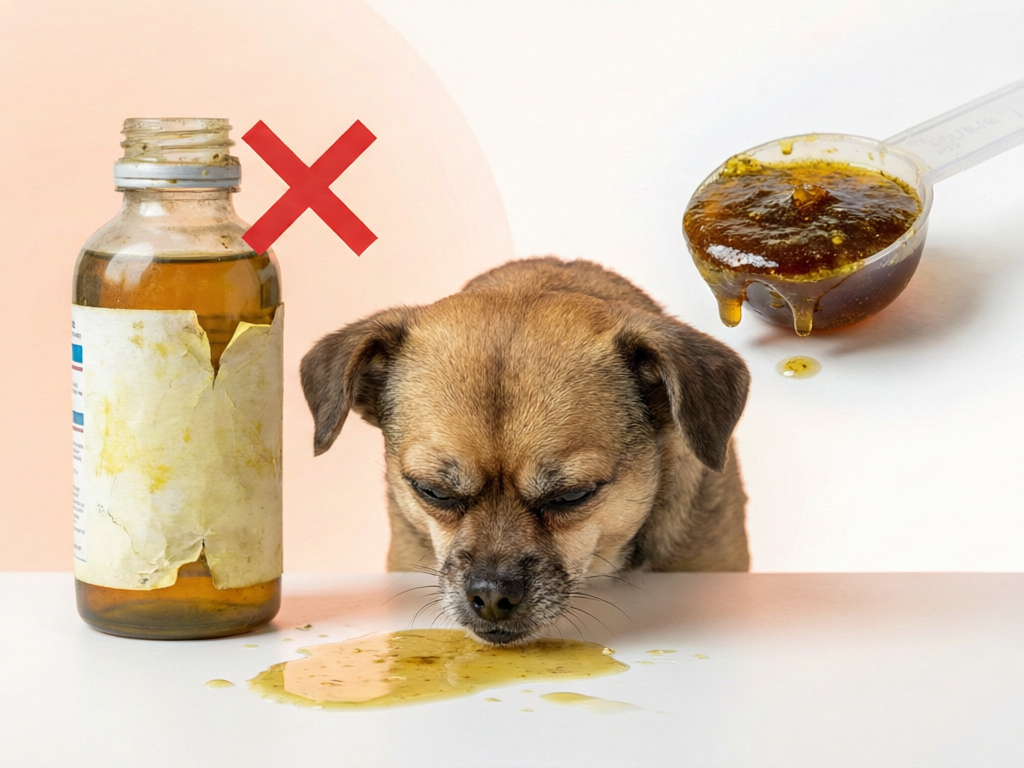
A 2022 analysis in the Journal of Nutritional Science tested 52 commercial fish oil supplements and found that 38 percent exceeded the peroxide value limits set by the Global Organization for EPA and DHA Omega-3s (GOED). Protect your dog by smelling the oil before each use (fresh oil smells mild and clean, not sharp or sour), checking expiration dates, refrigerating liquids after opening, and buying small bottles you can finish within 60 to 90 days.
Mistake 3: Choosing the Wrong Fish Source
Not all fish oil comes from the same species, and the source affects everything from contaminant levels to environmental sustainability. Large predatory fish like salmon, tuna, and cod accumulate more mercury, PCBs, and dioxins over their lifetimes because they sit higher on the food chain.
Small, cold-water fish like anchovies, sardines, mackerel, and herring are generally the best sources. They are lower on the food chain, reproduce quickly which makes them more sustainable, and tend to have higher natural concentrations of EPA and DHA per gram of oil.
According to the Environmental Working Group (2021), fish oil derived from anchovies and sardines consistently tested lower in heavy metal contamination than oils sourced from larger species. Look for brands that clearly state the fish species on the label. If the bottle just says fish oil without specifying the source, that is a yellow flag worth taking seriously.
Mistake 4: Giving Fish Oil on an Empty Stomach
This is one of the most common reasons people think fish oil does not work for their dog. Omega-3 fatty acids are fat-soluble, meaning they are absorbed far more efficiently in the presence of other dietary fats.
A 2017 study in the Journal of Animal Physiology and Animal Nutrition demonstrated that dogs given fish oil with a meal containing at least 10 percent fat showed approximately 40 percent higher absorption of EPA and DHA compared to dogs given the same dose on an empty stomach. That is a massive difference in how much omega-3 actually reaches the bloodstream.
The fix is simple. Always add fish oil to your dog's regular meal rather than giving it alone. This single habit change significantly improves absorption and also reduces fishy breath, nausea, and loose stool that some dogs experience when they get concentrated oil without food.
Mistake 5: Ignoring Drug Interactions
This is the mistake that can actually be dangerous, and it is the one we wish more pet parents knew about before starting supplementation. Fish oil has mild blood-thinning properties. At standard wellness doses, this is not a concern for most healthy dogs. But at higher doses, or in combination with certain medications, it can become a genuine risk.
According to Plumb's Veterinary Drug Handbook, omega-3 fatty acids can interact with several common canine medications:
- Anticoagulants and antiplatelet drugs such as aspirin, clopidogrel, or warfarin. The combined blood-thinning effect can increase bleeding risk significantly.
- NSAIDs such as carprofen, meloxicam, or deracoxib. Many dogs take NSAIDs for arthritis alongside fish oil without issues, but the combination should be monitored by your vet.
- Immunosuppressive drugs. High-dose omega-3s may modulate immune function in ways that interfere with these medications.
- Diabetes medications. Fish oil can affect blood sugar levels in some dogs, potentially altering insulin requirements.
If your dog takes any prescription or over-the-counter medication, do not start fish oil without telling your veterinarian. Bring the specific product to the appointment so your vet can review the exact EPA and DHA amounts and check for interactions.
Getting It Right From the Start
Avoiding these five mistakes will put you well ahead. Calculate the dose by weight, choose small-fish sources with third-party testing, store properly, always give with food, and review medications with your vet before starting.
Frequently Asked Questions
Can fish oil make my dog sick?
At appropriate doses with a fresh product, side effects are usually mild and limited to digestive issues like soft stool or fishy breath. Serious adverse effects are rare but can occur with rancid oil, extreme overdoses, or drug interactions. If your dog vomits, has diarrhea lasting more than two days, or shows unusual lethargy after starting fish oil, stop the supplement and contact your vet.
Is it okay to give fish oil if my dog already eats a balanced diet?
Yes. Even high-quality commercial dog foods typically contain more omega-6 fatty acids than omega-3s, because omega-6 sources like chicken fat and vegetable oils are cheaper and more shelf-stable. Supplementing with fish oil helps correct this imbalance, which is why most dogs benefit from it regardless of diet quality.
How do I know if my fish oil has gone bad?
The smell test is your best tool. Fresh fish oil smells mildly fishy or neutral. Rancid oil has a sharp, sour, or intensely fishy odor that is distinctly unpleasant. You may also notice a change in color or consistency. When in doubt, discard it. The cost of a new bottle is far less than the potential harm of feeding oxidized oil to your dog.
Before starting fish oil or any new supplement, always consult your veterinarian. Your vet knows your dog's full medical history and can help you avoid drug interactions, set the right dose, and choose a product that is safe and effective for your individual dog.
Written by PawLifeWellness Team
Pet Health Writers
Our team creates practical, research-informed pet wellness content for everyday pet parents. Always consult your veterinarian for personalized advice.