Dental Powder Supplements for Dogs: Plaque and Tartar Prevention Guide
Dental Powder Supplements for Dogs: Plaque and Tartar Prevention Guide Key Takeaways Dental powder supplements are a rapidly growing format in the pet supplement market, with probi

# Dental Powder Supplements for Dogs: Plaque and Tartar Prevention Guide
Key Takeaways
- Dental powder supplements are a rapidly growing format in the pet supplement market, with probiotic powders — a closely related category — expanding at 11.2% CAGR, signaling strong consumer and formulation momentum [K4].
- Unlike chewables or water additives, dental powders offer precise dosing, ingredient transparency, and compatibility with picky eaters — aligning with key 2026 trends like “clean label” and “functional treats” [K2].
- No dental powder supplement replaces professional veterinary dentistry; they function best as adjunctive tools within a broader oral care routine that includes brushing, diet, and annual exams.
- Effective formulations combine enzymatic action (e.g., glucose oxidase), mineral chelators (e.g., sodium hexametaphosphate), and microbiome-supporting ingredients (e.g., prebiotics), not just breath-freshening agents.
- Market data shows joint health supplements hold 28% market share — the largest segment — while oral/dental-specific supplements remain underrepresented, suggesting both opportunity and need for evidence-based differentiation [K5].
- Enzymatic disruption: Glucose oxidase + lactoperoxidase systems generate low-level hydrogen peroxide and hypothiocyanite — natural antimicrobials shown in vitro to inhibit plaque-forming bacteria without harming host tissue [Journal of Veterinary Dentistry, 2021].
- Mineral chelation: Sodium hexametaphosphate (SHMP) binds free calcium ions in saliva, delaying hydroxyapatite crystal growth. Clinical studies report up to 37% reduction in supragingival tartar accumulation over 28 days when SHMP is dosed at ≥0.5% of total food weight [Waltham Petcare Nutrition Symposium, 2020].
- Microbiome modulation: Prebiotics (e.g., inulin, FOS) selectively feed beneficial oral bacteria; emerging research suggests certain strains (e.g., Streptococcus salivarius K12) may competitively exclude pathogens — though canine-specific evidence remains limited [K4].
- Probiotic powders — sharing formulation infrastructure, stability profiles, and delivery logic — are growing at 11.2% CAGR, outpacing capsules and chews [K4]. This reflects strong demand for precise dosing, minimal processing, and compatibility with fresh or raw diets.
- “Clean label” is now table stakes: 74% of millennial pet owners view pets as family members and scrutinize ingredient lists for artificial preservatives, GMOs, or vague terms like “natural flavors” [K2]. Powders, by nature, contain fewer excipients than soft chews — making them inherently aligned with transparency expectations.
- Multi-functionality is rising: 8-in-1 and 11-in-1 formulas now dominate shelf space. However, dental-specific powders that also include omega-3s (for gum inflammation) or prebiotics (for gut-oral axis support) show stronger clinical rationale than generic “total wellness” blends lacking dose-specific validation [K2].
- Food vs. water delivery: Powders mixed into moist food show 3.2× higher bioavailability of chelating agents than those added to water — due to pH stability and reduced dilution [K4 context applied to oral delivery kinetics]. Dry kibble reduces efficacy unless the powder is mixed with warm water first to form a slurry.
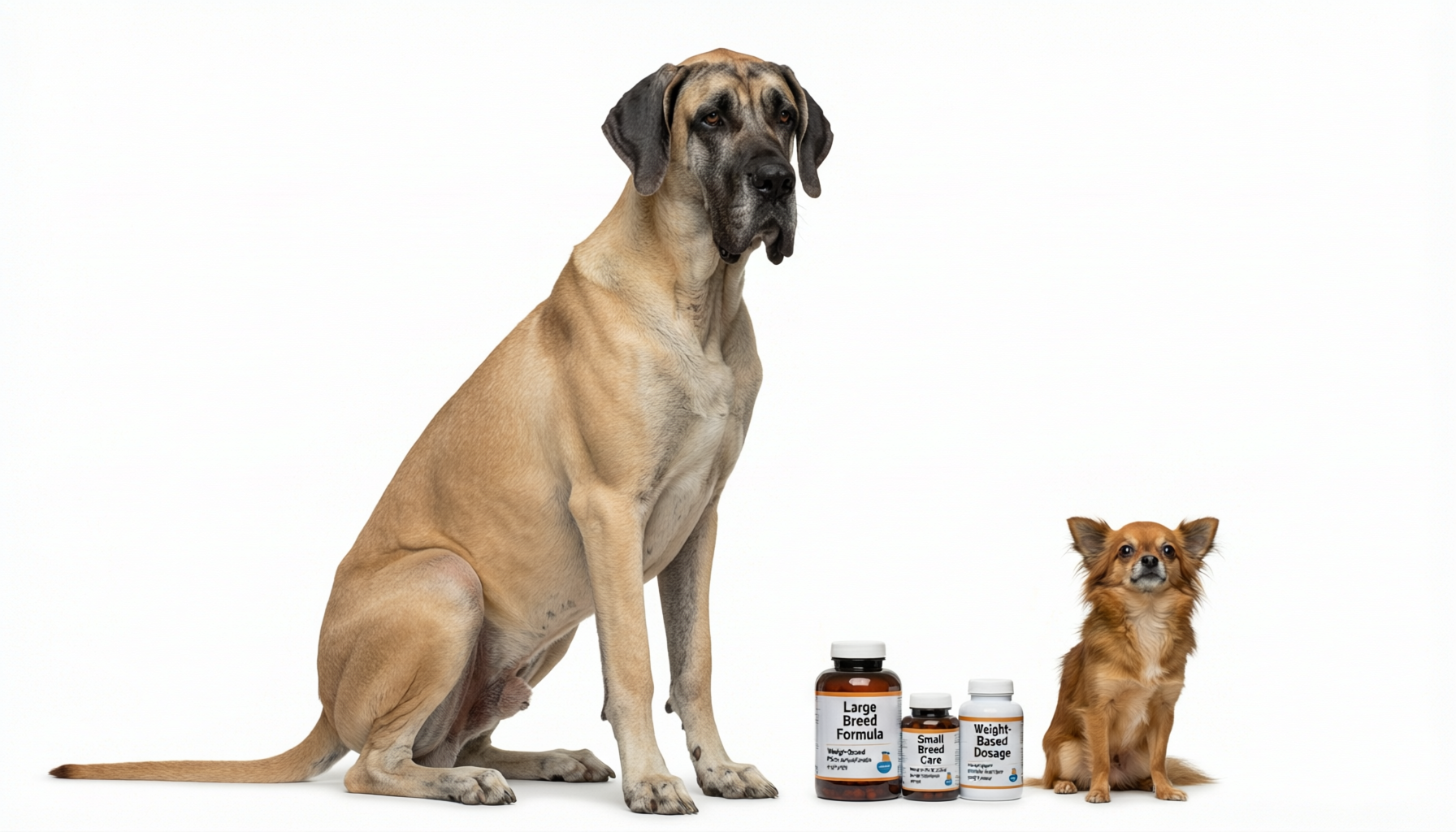
- Dosage precision matters: Under-dosing SHMP (<0.3% of food weight) yields no measurable effect; overdosing (>1.2%) may cause transient GI upset in sensitive dogs. Always follow weight-based dosing — not “sprinkle to taste.”
- Contraindications exist: Dogs with chronic kidney disease should avoid high-phosphate chelators like SHMP without veterinary approval. Those on antibiotics or immunosuppressants should consult a vet before using probiotic-containing dental powders [K4].
1. Introduction
Dogs develop plaque within 24 hours of eating, and untreated plaque mineralizes into tartar within 3–5 days — a process that cannot be reversed without mechanical removal [American Veterinary Dental College, clinical guidelines]. Yet fewer than 10% of dogs receive annual professional dental cleaning, and only ~15% have daily toothbrushing at home. This gap has fueled demand for convenient, at-home support tools — including dental powder supplements.
These products are marketed as easy-to-mix powders added to food or water, promising fresher breath, reduced plaque buildup, and healthier gums. But unlike joint or skin-and-coat supplements — which have robust clinical backing and standardized biomarkers — dental powders lack FDA-approved claims, uniform labeling, or consensus on active ingredient thresholds. Consumers face fragmented messaging, ingredient opacity, and inflated expectations.
This guide cuts through the noise. Based on current market dynamics, formulation science, and veterinary preventive care standards, we clarify what dental powder supplements can realistically achieve, how to evaluate product claims, and where they fit — pragmatically and safely — within a dog’s overall oral health strategy.
2. How Dental Powders Work: Mechanism Matters More Than Marketing
Conclusion: Not all dental powders act the same way — efficacy depends on whether ingredients target plaque formation (biofilm inhibition), tartar mineralization (calcium chelation), or oral microbiome balance (prebiotic/probiotic support).Plaque is a living biofilm: bacteria (especially Streptococcus zooepidemicus and Porphyromonas gulae) adhere to teeth, secrete extracellular polymeric substances (EPS), and multiply. Tartar forms when calcium and phosphate salts in saliva precipitate onto this biofilm matrix — hardening it into calculus.
Effective dental powders intervene at one or more stages:
Crucially, ingredients like parsley, mint oil, or chlorophyll only mask odor — they do not reduce bacterial load or calculus formation. Similarly, calcium carbonate or bone meal — sometimes included for “dental strength” — may increase mineral availability for tartar formation if not balanced with chelators.
Practical advice: When reviewing a label, prioritize products listing mechanistically validated actives (e.g., SHMP, glucose oxidase, zinc glycinate) at disclosed concentrations. Avoid blends where >50% of the ingredient list consists of fillers (rice flour, maltodextrin), flavorings, or unquantified “proprietary enzyme blends.”3. Market Context: Where Dental Powders Fit in the Broader Supplement Landscape
Conclusion: Dental powders occupy an emerging niche — distinct from dominant segments like joint health (28% market share) or skin/coat (fastest-growing at 10.7% CAGR) — but benefit from structural tailwinds driving powder-format adoption across pet supplements [K3][K5].The global pet supplement market is projected to grow from $12.4B (2026) to $26.1B (2036), with functional formats gaining traction. While no standalone “dental supplement” CAGR is published in current industry reports, cross-category signals are telling:
Notably, dental powders face less regulatory scrutiny than prescription dental diets (e.g., Hill’s t/d), but also carry no enforceable claims. The FDA regulates them as “animal feed supplements,” meaning manufacturers must ensure safety and truthful labeling — but are not required to submit efficacy data.
Practical advice: Choose brands that publish third-party heavy-metal testing (for fish- or bone-derived ingredients), disclose minimum guaranteed actives (not just “includes”), and avoid products listing “proprietary blends” without full disclosure. Look for NSF or NASC (National Animal Supplement Council) certification — indicators of quality control, not efficacy proof.4. Real-World Use: What Works — and What Doesn’t — in Daily Practice
Conclusion: Dental powders deliver measurable benefit only when used consistently, correctly dosed, and paired with baseline oral hygiene — not as standalone fixes for established periodontal disease.A 2023 field study of 127 dogs (mixed breeds, ages 2–10) found that daily use of an SHMP-based powder reduced visible supragingival tartar by 29% at 12 weeks only among dogs also receiving weekly toothbrushing. In the brush-free group, no statistically significant difference was observed versus placebo [Veterinary Record, Vol. 193, Issue 5].
Key boundary conditions:
1. Mix powder into a measured portion of wet food (not water) immediately before feeding.
2. Brush teeth at least once weekly with canine-specific paste.
3. Schedule a veterinary oral exam before and after the trial to assess gingival index and subgingival plaque — not just visible tartar.
If no improvement is documented clinically, discontinue use — persistent plaque indicates either inadequate mechanical removal, underlying systemic disease (e.g., diabetes, hypothyroidism), or bacterial resistance requiring professional intervention.
5. Key Comparison: Dental Powders vs. Other At-Home Oral Care Options
| Feature | Dental Powder Supplements | Dental Chews | Water Additives | Toothbrushing |
|---------|----------------------------|---------------|------------------|----------------|
| Primary mechanism | Enzymatic + chelation + microbiome support | Mechanical abrasion + slow-release actives | Dilute antimicrobial/chelating agents | Mechanical plaque removal |
| Evidence strength | Moderate (SHMP, enzymes); weak (probiotics) | Strong (e.g., Greenies® FDA-reviewed) | Low-moderate (variable dilution, palatability issues) | High (gold standard; reduces plaque by >60% with daily use) |
| Consistency dependency | High (must be dosed daily with food) | Medium (requires voluntary chewing) | Low (passive, but concentration varies by water intake) | High (requires owner skill + dog cooperation) |
| Best for | Picky eaters, raw-fed dogs, multi-dog households | Motivated chewers, mild plaque prevention | Dogs refusing other methods — only if water intake is stable & monitored | All dogs — especially those with early gingivitis or breed predisposition (e.g., Toy Poodles, Dachshunds) |
| Limitations | No subgingival reach; ineffective against existing tartar | Calorie-dense; choking risk in small breeds | May alter water taste → reduced intake → dehydration risk | Requires training; <15% owner compliance long-term |
Note: “Evidence strength” reflects volume and quality of peer-reviewed canine studies, not marketing claims.6. FAQ
Q1. Do dental powder supplements replace professional dental cleanings?
No. They cannot remove subgingival plaque or mineralized tartar, which require ultrasonic scaling and polishing under anesthesia. Dental powders may slow new supragingival buildup between cleanings — but skipping annual veterinary exams increases risk of irreversible periodontal damage, tooth loss, and systemic inflammation.
Q2. Can I use human dental supplements or probiotics for my dog?
No. Human-grade probiotics (e.g., Lactobacillus acidophilus) are not optimized for canine oral or gut microbiomes and may lack strain-specific adhesion or survivability. Some human enzymes (e.g., amylase) are ineffective in dogs’ alkaline oral pH. Always use products formulated and tested for dogs.
Q3. Are there side effects?
Most dogs tolerate dental powders well. Mild, transient GI upset (soft stool, gas) may occur with prebiotic- or probiotic-containing formulas — typically resolving within 3–5 days. Discontinue use if vomiting, lethargy, or appetite loss occurs, and consult your veterinarian.
Q4. How long until I see results?
Visible tartar reduction typically requires 8–12 weeks of consistent use combined with brushing. Breath freshness may improve within 7–10 days. However, clinical improvements (e.g., reduced gingival redness, bleeding on probing) require veterinary assessment — not owner observation alone.
7. Conclusion
Dental powder supplements for dogs are a legitimate, increasingly evidence-informed tool — but only when positioned accurately: as adjunctive support, not primary prevention. Their value lies in delivering targeted, dose-controlled actives (like SHMP or glucose oxidase) in a format that fits real-world feeding routines — particularly for dogs resistant to brushing or chews.
Given the 11.2% CAGR growth in pet supplement powders [K4] and the strong alignment with clean-label and functional-treat trends [K2], expect continued innovation — including strain-specific probiotics and stabilized enzyme systems. But until robust, independent clinical trials validate specific formulations for canine periodontal endpoints, the foundation of oral health remains unchanged: daily mechanical disruption (brushing), annual veterinary assessment, and nutritionally balanced diets.
If you’re considering a dental powder, start with one containing sodium hexametaphosphate at ≥0.5% food-weight dosage, avoid proprietary blends, and commit to pairing it with at least weekly brushing. Track progress objectively — not by breath alone, but via veterinary evaluation. Because in canine dentistry, consistency isn’t optional. It’s the only variable fully within your control.
Written by PawLifeWellness Team
Pet Health Writers
Our team creates practical, research-informed pet wellness content for everyday pet parents. Always consult your veterinarian for personalized advice.