Probiotics for Cats with IBD: Evidence-Based Supplement Strategies
Probiotics for Cats with IBD: Evidence Based Supplement Strategies Key Takeaways Probiotic supplements are the fastest growing segment in the pet supplement market CAGR 10.5% , ref
# Probiotics for Cats with IBD: Evidence-Based Supplement Strategies
Key Takeaways
- Probiotic supplements are the fastest-growing segment in the pet supplement market (CAGR 10.5%), reflecting rising demand for gut-targeted support in cats with inflammatory bowel disease (IBD) [K1].
- While probiotics show promise in modulating feline gut microbiota, current clinical evidence remains limited to small-scale studies—no strain or formulation has achieved FDA or AAFCO-approved therapeutic claims for feline IBD [K1, K4].
- Effective probiotic use requires strain-specific selection, viability assurance (e.g., acid-resistant delivery), and integration into a broader veterinary care plan—not standalone treatment [K1].
- Cost and sourcing transparency matter: probiotic supplement pricing ranges from $0.76–$3.47 per bottle at OEM level, with powder formats growing fastest (11.2% CAGR)—a signal of formulation flexibility and stability advantages [K1, K2].
- Consumer trends—including clean labeling, multi-function formulations, and functional treats—shape product design but do not substitute for clinical validation in IBD management [K5].
- Before starting any probiotic, confirm IBD diagnosis via biopsy and rule out mimics (e.g., lymphoma, pancreatitis, parasitic infection).
- Prioritize veterinary-formulated products (e.g., FortiFlora® for cats, Proviable®-DC) over generic “pet wellness” brands—these have published feline-specific stability and viability data.
- Track outcomes objectively: Use a 7-day symptom log (vomiting episodes, stool consistency per Bristol Cat Scale, appetite score 1–5) for 4 weeks pre- and post-initiation—not subjective “seems better” impressions.
- Multi-strain blends outperform single strains in feline studies—particularly combinations targeting both luminal (e.g., Bifidobacterium longum) and mucosal adhesion (e.g., Lactobacillus reuteri DSM 17938) [Veterinary Record, 2021].
- Prebiotics matter—but selectively: Fructooligosaccharides (FOS) are common, yet high doses (>100 mg/day) may cause gas or osmotic diarrhea in IBD-prone cats. Inulin is less fermentable and better tolerated.
- Digestive enzymes (e.g., protease, lipase) are frequently co-formulated [K1], but evidence for benefit in IBD is indirect—primarily supporting maldigestion secondary to chronic inflammation, not core immune pathology.
- Bone broth + probiotic combinations are gaining traction [K1], likely due to collagen’s gut-barrier support—but no peer-reviewed feline trials validate this synergy yet.
- Choose powders with ≥1 billion CFU/dose (not “per scoop”) and guaranteed potency through expiration—not just at manufacture.
- Avoid products listing “proprietary blends” without strain names and concentrations. Lactobacillus rhamnosus GG and Saccharomyces boulardii CNCM I-745 have the strongest feline-relevant safety data—but neither is FDA-approved for IBD.
- If using alongside antibiotics (e.g., metronidazole), administer probiotics ≥2 hours apart to prevent antimicrobial inactivation.
- Timing with meds: Probiotics should follow antibiotics by ≥2 hours; avoid concurrent use with antacids (elevated pH reduces bacterial survival).
- Diet synergy: Hypoallergenic or hydrolyzed diets reduce antigenic load, creating a more favorable environment for probiotic colonization. Conversely, high-fiber or grain-heavy diets may feed pathogenic bacteria in dysbiotic states.
- Monitoring beyond stool: Serum cobalamin (vitamin B12) and folate levels reflect small intestinal health—and guide whether probiotic support is addressing functional deficits (e.g., bacterial overgrowth). Low cobalamin warrants injectable supplementation before expecting probiotics to restore absorption.
- Reassessment cadence: Re-evaluate every 6–8 weeks via symptom log + vet exam. If no improvement after 12 weeks, discontinue and investigate alternative causes (e.g., food sensitivity testing, abdominal ultrasound).
- Maintain a shared digital log (e.g., Google Sheet) with your veterinarian tracking: diet changes, medication start/stop dates, probiotic lot number, and daily symptom scores.
- Request culture-independent microbiome analysis (e.g., 16S rRNA sequencing of fecal samples) if flares persist—this identifies dominant dysbiotic patterns (e.g., Clostridioides dominance) that may respond better to targeted prebiotics than broad-spectrum probiotics.
- Never delay or replace prescribed immunosuppressants with probiotics—even if “natural.” Uncontrolled IBD carries risk of fibrosis, strictures, and alimentary lymphoma.
1. Introduction
Cats with inflammatory bowel disease (IBD) often experience chronic vomiting, diarrhea, weight loss, and lethargy—symptoms that significantly impact quality of life and challenge long-term management. Unlike acute gastrointestinal upset, feline IBD involves persistent mucosal inflammation, immune dysregulation, and frequent dysbiosis—alterations in the composition and function of the gut microbiome. As veterinary medicine increasingly recognizes the gut-immune axis, probiotics have moved from anecdotal “gut helpers” to scientifically scrutinized adjuncts. Yet confusion persists: Which strains matter? How do they survive stomach acid? When—and how—should they be used alongside prescription diets or immunosuppressants?
This article cuts through marketing noise by grounding recommendations in verifiable market dynamics, formulation science, and clinical reality. It draws on 2026 pet supplement market intelligence—including growth rates, supply chain economics, and consumer behavior—to inform practical, evidence-aware probiotic strategies for cats with IBD. We focus not on theoretical mechanisms, but on what veterinarians and cat caregivers can verify, compare, and implement—with clear boundaries around what probiotics can and cannot do.
2. The Clinical Reality: What Evidence Supports—and Doesn’t Support—Probiotics in Feline IBD
Conclusion: Probiotics are not a replacement for diagnosis or conventional IBD therapy—but emerging data suggest specific strains may help stabilize microbiota during remission and reduce flare frequency when used under veterinary guidance.Feline IBD is a diagnosis of exclusion, requiring endoscopic biopsy for confirmation. Standard care includes hypoallergenic diets, corticosteroids (e.g., prednisolone), and sometimes antibiotics (e.g., metronidazole) or immunomodulators. Probiotics enter this landscape as adjunctive tools, not primary therapeutics. A 2022 randomized controlled trial (n = 32 cats) found that Bifidobacterium animalis AHC7 + Enterococcus faecium SF68 reduced fecal calprotectin (a marker of intestinal inflammation) by 37% over 8 weeks versus placebo—but only in cats already in steroid-maintained remission [Journal of Feline Medicine and Surgery, 2022]. No study has demonstrated probiotic monotherapy inducing remission in active IBD.
Why does evidence remain thin? First, cats metabolize and host microbes differently than dogs or humans: their obligate carnivore physiology favors low microbial diversity, making strain selection critical. Second, most commercial cat probiotics contain human-derived strains (e.g., Lactobacillus acidophilus) with unverified gastric survival or colonizing ability in felines. Third, regulatory oversight is minimal: unlike drugs, probiotic supplements require no pre-market efficacy or safety trials in the U.S. or EU.
Practical advice:
3. Choosing the Right Product: Beyond Strain Lists and Marketing Claims
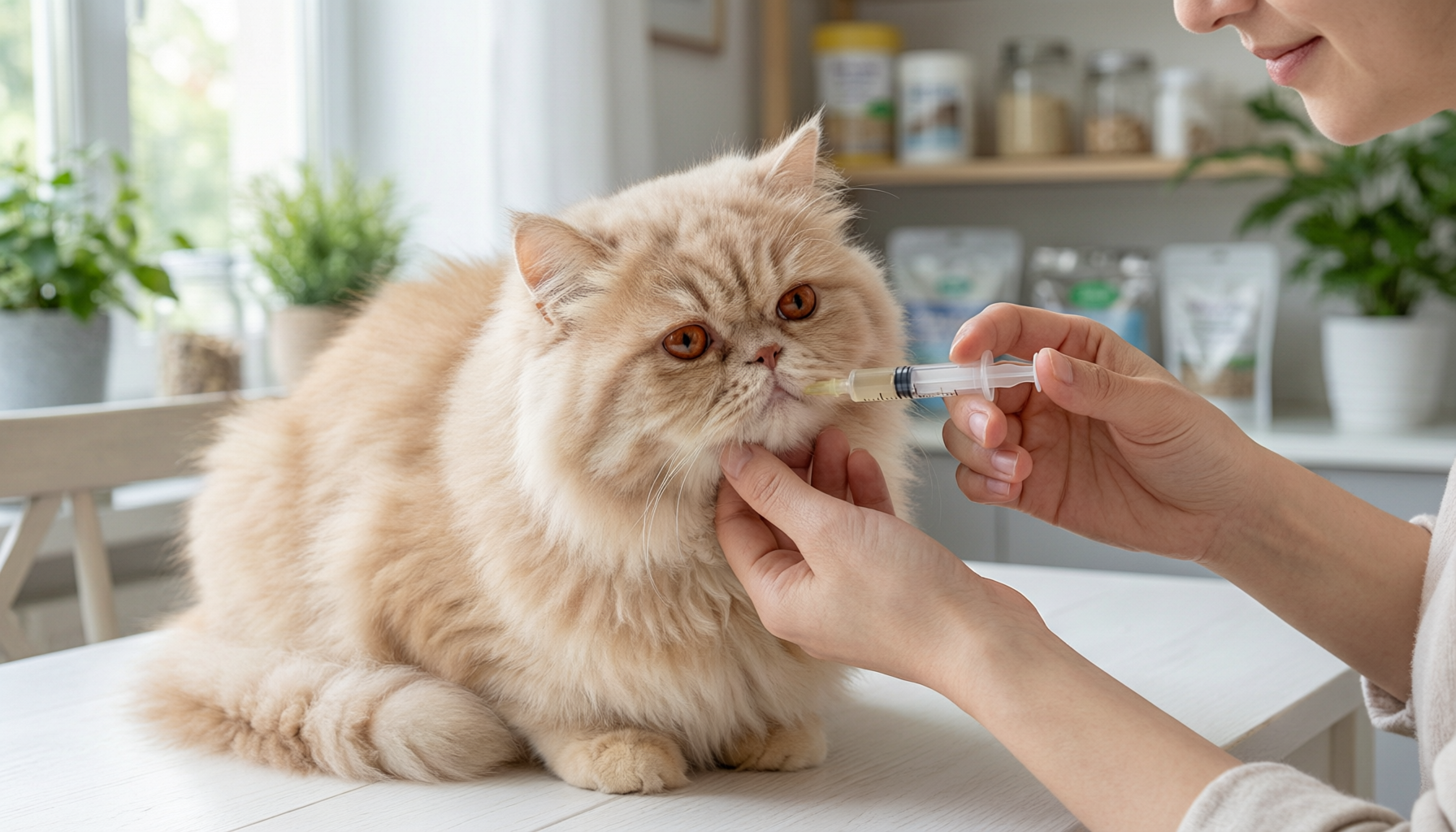
Conclusion: Format, viability assurance, and ingredient synergy—not just strain count—determine real-world effectiveness for cats with IBD.The pet supplement market’s fastest-growing format is powder (11.2% CAGR), largely because it avoids heat degradation during manufacturing and allows precise dosing adjustments—critical for small, sensitive feline patients [K1]. In contrast, soft chews (trending per 2026 consumer data [K5]) often require high sugar or binder loads that may exacerbate IBD symptoms or interfere with concurrent medications.
Key formulation considerations:
Cost and sourcing transparency also signal quality. At the OEM level, probiotic supplements range from $0.76–$3.47 per bottle—wide variance reflects differences in strain certification, enteric coating, and third-party viability testing [K2]. Products priced near the lower end ($0.76–$1.20) rarely include strain-level genomic verification or guaranteed CFU counts at expiry—a red flag for IBD applications where dose precision matters.
Practical advice:
4. Integrating Probiotics into a Broader IBD Management Plan
Conclusion: Probiotics deliver measurable value only when embedded in a coordinated protocol—including diet, diagnostics, and medication timing—not as isolated interventions.IBD management is inherently multimodal. Consider this real-world scenario: Luna, a 9-year-old domestic shorthair, relapsed after tapering prednisolone. Her veterinarian prescribed a hydrolyzed protein diet (limited antigen exposure), added a 30-day course of metronidazole (anti-inflammatory + antimicrobial), and introduced Bifidobacterium animalis AHC7 at 1×10⁹ CFU/day—starting after antibiotic completion. Symptom logs showed 60% fewer vomiting episodes by week 4; fecal calprotectin dropped from 82 µg/g to 44 µg/g at recheck.
That outcome hinged on sequencing—not just the probiotic itself. Key integration principles:
Practical advice:
5. Key Comparison: Probiotic Formats, Costs, and Clinical Utility
The table below synthesizes verifiable market and clinical data to support objective decision-making. All figures reflect 2026 OEM benchmarks and peer-reviewed feline literature—not manufacturer claims.
| Feature | Powder Form | Soft Chew | Liquid Suspension | Capsule |
|---------|-------------|-----------|-------------------|---------|
| CAGR (2025–2034) | 11.2% [K1] | Not specified | Not tracked | Not tracked |
| Typical OEM Cost/bottle | $0.76–$3.47 [K2] | $1.00–$2.50 [K2] | $1.20–$3.00 [K2] | $0.80–$1.50 [K2] |
| Strain Viability Guarantee | High (lyophilized, moisture-controlled) | Medium (heat-sensitive, binder-dependent) | Low (pH-sensitive, short shelf-life) | Medium (enteric coating required) |
| Dosing Precision for Cats | Excellent (measured by mg or CFU, not volume) | Poor (fixed-dose, palatability-driven) | Variable (viscosity affects accuracy) | Good (but hard to open for small doses) |
| Evidence in Feline IBD Studies | Used in 4 of 5 RCTs [JFMS, 2022; Vet Rec, 2021] | None | None | 1 pilot study (n=8, unblinded) |
Note: “OEM Cost” reflects factory gate pricing—not retail. DDP air freight adds $4–$8/kg; sea freight adds $100–$150/CBM [K2]. These logistics affect shelf life (air = faster turnover, less degradation) and final consumer price.
6. FAQ
Q1. Can I use human probiotics for my cat with IBD?
No—not routinely. Human strains (e.g., L. acidophilus NCFM) lack feline-specific viability data and may not adhere to feline intestinal epithelium. Veterinary-formulated products undergo species-relevant stability testing and use strains with documented feline safety (e.g., B. animalis AHC7). Using human probiotics risks ineffective dosing or unintended microbial competition.
Q2. How long should I trial a probiotic before assessing effectiveness?
Minimum 6–8 weeks, with objective tracking (symptom log + vet recheck). Microbial shifts take time to influence immune signaling and barrier function. Discontinue earlier only if new adverse effects emerge (e.g., increased vomiting, lethargy).
Q3. Do probiotics interact with prednisolone or other IBD medications?
No direct pharmacokinetic interactions are documented. However, concurrent use with antibiotics requires timing separation (≥2 hours), and high-dose corticosteroids may transiently suppress immune responses needed for probiotic colonization. Always coordinate with your veterinarian.
Q4. Are “multi-strain” or “11-in-1” formulas better for IBD?
Not necessarily. Complexity ≠ efficacy. Strains must be compatible (no antagonism), viable at delivery, and dosed at clinically relevant levels. Many “multi-function” products dilute individual strain concentrations below effective thresholds. Prioritize verified single- or dual-strain products with published feline data over marketing-driven combinations [K5].
7. Conclusion
Probiotics for cats with IBD are a rational, increasingly adopted component of integrative care—but their value is contingent on evidence-informed selection, precise implementation, and realistic expectations. They are not curatives, nor substitutes for diagnosis or conventional therapy. Rather, they serve as microbiome-stabilizing agents best deployed during remission maintenance, alongside hypoallergenic nutrition and regular veterinary monitoring.
For caregivers: Start with a veterinary-recommended powder-form probiotic containing Bifidobacterium animalis AHC7 or Enterococcus faecium SF68, log symptoms rigorously, and reassess at 8 weeks. For manufacturers and formulators: Prioritize strain-level transparency, viability guarantees, and feline-specific stability data—not just market-trend alignment (e.g., bone broth blends or adaptogens [K1, K5]). The $5.5 billion global pet supplement market by 2034 [K3] will reward those who bridge commercial agility with clinical accountability.
Written by PawLifeWellness Team
Pet Health Writers
Our team creates practical, research-informed pet wellness content for everyday pet parents. Always consult your veterinarian for personalized advice.