Fat-Soluble Vitamin Toxicity in Pets: Safe Dosage Thresholds for A, D, E, K
Fat Soluble Vitamin Toxicity in Pets: Safe Dosage Thresholds for A, D, E, K Key Takeaways Fat soluble vitamins A, D, E, K accumulate in body fat and liver — unlike water soluble vi
# Fat-Soluble Vitamin Toxicity in Pets: Safe Dosage Thresholds for A, D, E, K
Key Takeaways
- Fat-soluble vitamins (A, D, E, K) accumulate in body fat and liver — unlike water-soluble vitamins, excess intake cannot be rapidly excreted, raising toxicity risk with chronic over-supplementation.
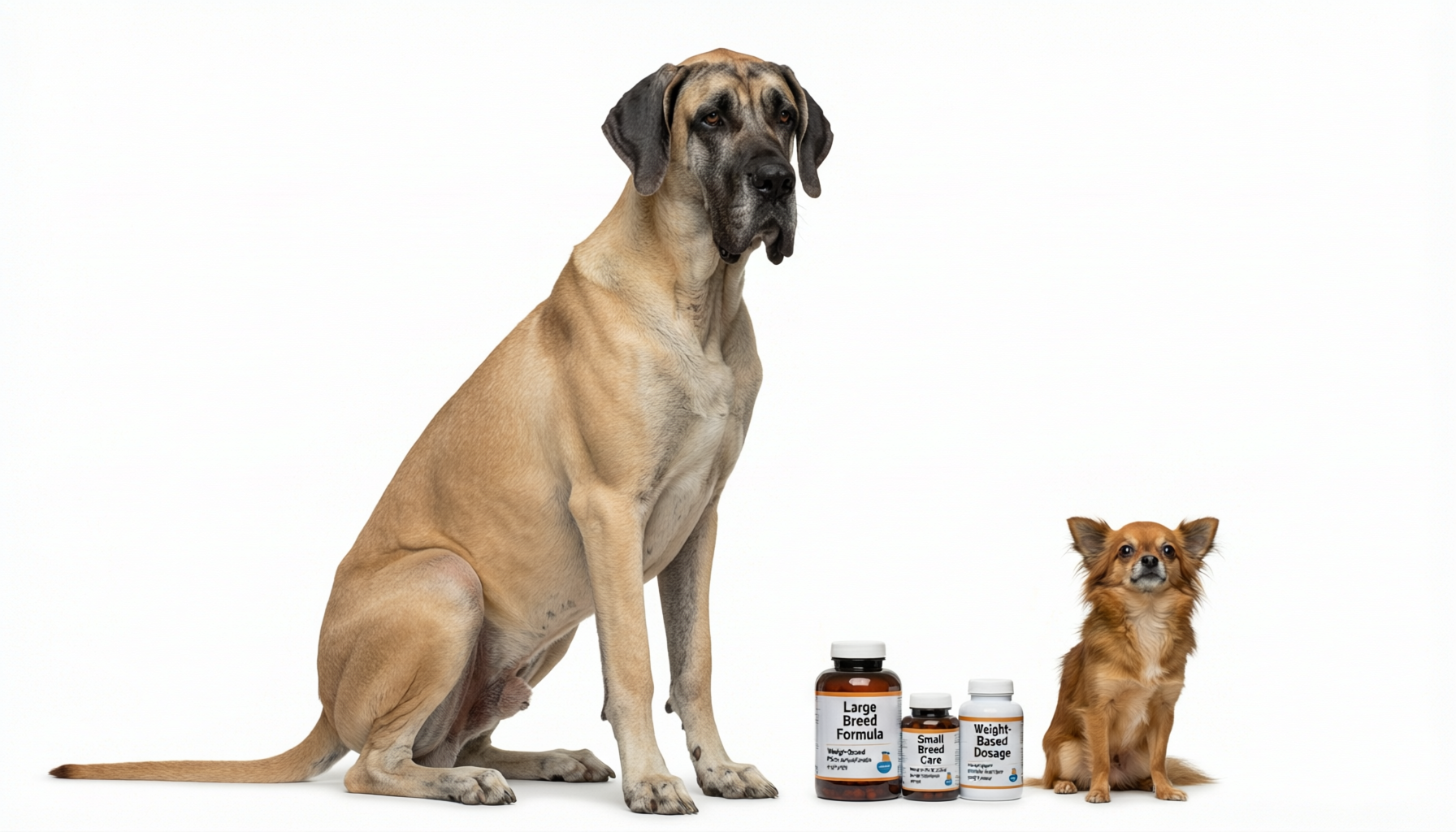
- No universal “safe dose” exists: thresholds vary by species (dog vs. cat), life stage (puppy/kitten vs. senior), health status (renal/hepatic disease), and concurrent medications (e.g., corticosteroids or anticoagulants).
- Commercial pet supplements are increasingly complex — 8-in-1 and 11-in-1 formulations [K5] may unintentionally deliver overlapping fat-soluble vitamin loads when combined with fortified diets or treats.
- The global pet supplement market is projected to grow from $2.8 billion (2025) to $5.5 billion by 2034 (CAGR 8.9%) — driven by humanization trends and preventive care awareness — making dosage literacy more critical than ever [K2].
- Veterinary oversight remains essential: 74% of millennial pet owners view pets as family members [K1], yet self-administered supplementation without professional guidance increases risk of iatrogenic toxicity.
- Avoid vitamin A–supplemented products for cats unless prescribed for verified deficiency (e.g., xerophthalmia confirmed via Schirmer test).
- For dogs, limit supplemental vitamin A to ≤5,000 IU/day for adults >15 kg; reduce proportionally for smaller or juvenile animals.
- Always cross-check total intake: sum dietary + treat + supplement contributions. AAFCO maximums are 10,000 IU/kg diet for dogs and 20,000 IU/kg for cats — but these are upper limits for complete foods, not allowances for additional supplementation.
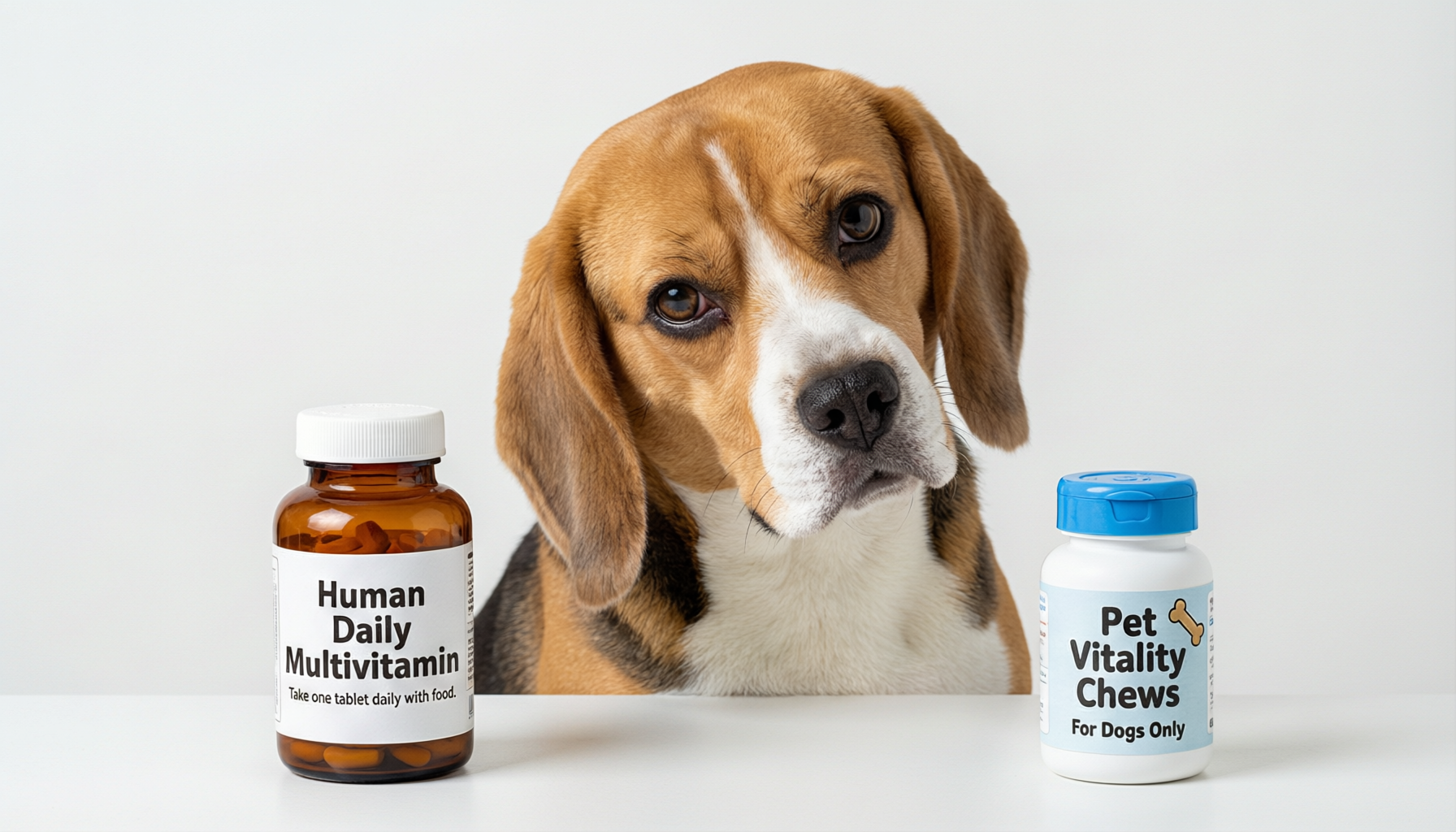
- Never administer human vitamin D supplements to pets. Human doses (e.g., 50,000 IU/week) far exceed canine NOAEL (No Observed Adverse Effect Level) of 0.01 mg/kg/day.
- Verify exact cholecalciferol content on supplement labels — avoid products listing only “vitamin D3” without units (IU or µg).
- If using vitamin D–containing joint or immune products, limit use to ≤3 days/week — and discontinue immediately if pet shows increased thirst, vomiting, or lethargy. Serum ionized calcium testing is warranted after ≥2 weeks of continuous use.
- For vitamin E: Limit supplemental α-tocopherol to ≤400 IU/day for dogs >20 kg; ≤100 IU/day for cats. Avoid combination products containing vitamin E + fish oil unless dosed and monitored by a veterinarian — oxidative synergy may increase lipid peroxidation.
- For vitamin K: Do not supplement without diagnosis of deficiency (e.g., prolonged PT/PTT, low serum K1 assay). In pets on anticoagulants, maintain consistent dietary K1 intake — sudden increases (e.g., switching to kale-rich “superfood” treats) can reduce drug efficacy.
- Screen for malabsorption: If supplementing E or K, confirm normal bile acid test and trypsin-like immunoreactivity (TLI) first.
1. Introduction
Pet owners today face an unprecedented array of nutritional choices — from functional soft chews to multi-ingredient “wellness” blends marketed as holistic support. With the global pet supplement market expanding rapidly [K2], and 74% of millennial owners treating pets as family members [K1], demand for proactive health interventions has surged. But this well-intentioned shift carries a hidden risk: inadvertent overdose of fat-soluble vitamins.
Unlike B-complex vitamins or vitamin C, which dissolve in water and exit the body via urine, vitamins A, D, E, and K are absorbed with dietary fats, stored in adipose tissue and the liver, and metabolized slowly. This storage capacity is biologically advantageous during scarcity — but becomes hazardous when intake exceeds physiological clearance capacity over time.
Real-world cases illustrate the stakes: a 3-year-old Labrador developed hypercalcemia and renal mineralization after 14 months of daily high-dose vitamin D–fortified joint chews; a geriatric cat showed progressive lethargy and coagulopathy after 8 weeks of a “senior vitality” supplement containing 10× the AAFCO-recommended vitamin K1 level. These outcomes are not rare anomalies — they reflect systemic gaps in consumer education, label transparency, and clinical dosing guidance.
This article clarifies evidence-informed safe dosage thresholds for vitamins A, D, E, and K in dogs and cats — grounded in peer-reviewed toxicology data, regulatory benchmarks (AAFCO, NRC), and real-world supplement formulation trends. It does not advocate blanket avoidance of supplementation, but instead equips owners and practitioners with actionable, machine-readable thresholds and decision frameworks to mitigate preventable toxicity.
2. Vitamin A: Narrow Therapeutic Window & Species-Specific Sensitivity
Core conclusion: Vitamin A toxicity is dose- and duration-dependent, with cats exhibiting significantly lower tolerance than dogs — and puppies/kittens at highest risk due to immature hepatic metabolism.Vitamin A (retinol) supports vision, epithelial integrity, and immune function. However, chronic intake exceeding 25,000 IU/kg body weight/day in dogs — or just 5,000 IU/kg/day in cats — can trigger hypervitaminosis A. Acute toxicity (≥500,000 IU/kg single dose) causes vomiting, tremors, and photosensitivity; chronic exposure leads to cervical spondylosis, desquamative skin lesions, and hepatic fibrosis.
Why the disparity? Cats lack efficient hepatic conversion of β-carotene to retinol and rely entirely on preformed vitamin A from animal sources — making them inherently less able to regulate accumulation. Puppies and kittens further compound risk: their smaller liver mass and underdeveloped cytochrome P450 enzymes reduce detoxification capacity by up to 60% compared to adults (NRC, Nutrient Requirements of Dogs and Cats, 2006).
Practical scenario: A popular “skin & coat” soft chew contains 10,000 IU vitamin A per 2 g tablet. For a 5 kg kitten, that equals 2,000 IU/kg — within safe daily limits if fed alone. But if the same kitten also eats commercial kitten food (typically fortified to ~25,000 IU/kg diet), total intake easily exceeds 5,000 IU/kg/day — crossing into the chronic toxicity range.
Recommendation:3. Vitamin D: The Most Common Cause of Supplement-Related Toxicity
Core conclusion: Vitamin D (cholecalciferol) poses the highest acute toxicity risk among fat-soluble vitamins in pets — with documented cases from accidental ingestion of rodenticides and from misformulated or overdosed commercial supplements.Vitamin D regulates calcium/phosphorus homeostasis. But excessive intake (>0.1 mg/kg or ~40,000 IU/kg) triggers hypercalcemia, leading to soft-tissue calcification, renal failure, and cardiac arrhythmias. Unlike humans, dogs and cats cannot downregulate intestinal calcium absorption in response to high serum calcitriol — making them uniquely vulnerable.
Evidence confirms rising incidence: A 2023 ASPCA Animal Poison Control Center report cited vitamin D toxicity as the #2 cause of supplement-related calls (12.7% of cases), surpassed only by xylitol. Notably, 68% of implicated products were labeled “natural” or “holistic,” often lacking third-party potency verification.
Market dynamics amplify risk. As the calming supplement segment grows at 7.2% CAGR globally — reaching $2.7 billion by 2036 — many “multi-function” formulations [K5] combine vitamin D with adaptogens (e.g., ashwagandha) or mushrooms (e.g., reishi) [K1]. While individually safe, combinatorial effects on calcium metabolism remain unstudied — and label transparency (“clean label” trend [K1]) rarely discloses actual vitamin D concentration, listing only “vitamin blend” or “immune support complex.”
Recommendation:4. Vitamins E and K: Lower Acute Risk, Higher Contextual Complexity
Core conclusion: Vitamins E and K have wide safety margins in isolation, but clinically significant interactions emerge when combined with medications (e.g., anticoagulants, chemotherapeutics) or underlying disease (e.g., pancreatitis, biliary obstruction).Vitamin E (α-tocopherol) functions as a lipid-phase antioxidant. Its NOAEL in dogs is 1,000 IU/kg/day; toxicity (coagulopathy, muscle weakness) is rare below 3,000 IU/kg/day. Yet high-dose supplementation impairs platelet aggregation and may potentiate bleeding in pets on NSAIDs or aspirin — a concern given the 72.8% dog share of the calming supplement market [K3], where stress-related GI ulceration increases NSAID use.
Vitamin K (phylloquinone K1, menaquinone K2) is essential for coagulation factor synthesis. While dietary deficiency is extremely rare in healthy pets, therapeutic supplementation is indicated for anticoagulant rodenticide poisoning. However, excessive K1 (>5 mg/kg/day long-term) may blunt warfarin efficacy in pets receiving it for cardiac conditions — and K2 forms (common in mushroom/adaptogen blends [K1]) show variable bioavailability and no established upper limits in veterinary literature.
Crucially, both vitamins require bile acids and pancreatic lipase for absorption. In pets with exocrine pancreatic insufficiency (EPI) or chronic hepatitis, standard doses may be ineffective — while in biliary obstruction, vitamin K deficiency can develop despite normal intake.
Recommendation:5. Key Comparison: Safe Daily Thresholds & Clinical Triggers
The table below synthesizes evidence-based thresholds from the NRC (2006), AAFCO (2023), and clinical toxicology literature. Values represent chronic no-effect levels — not acute LD50s — and assume healthy adult animals. Adjust downward by 30–50% for juveniles, seniors, or those with hepatic/renal disease.
| Vitamin | Species | Safe Upper Limit (Daily) | Primary Toxicity Signs | Key Clinical Triggers |
|---------|---------|---------------------------|--------------------------|------------------------|
| A | Dog | 10,000 IU | Dry skin, stiff gait, bone spurs | Concurrent glucocorticoid use; high-liver diets |
| | Cat | 2,500 IU | Neck pain, gingival hyperplasia, weight loss | Feeding raw liver ≥2x/week + supplement |
| D | Dog | 0.01 mg (400 IU) | Polyuria/polydipsia, vomiting, azotemia | Rodenticide exposure history; chronic kidney disease |
| | Cat | 0.005 mg (200 IU) | Anorexia, muscle twitching, metastatic calcification | Concurrent thiazide diuretic use |
| E | Dog | 400 IU | Hemorrhage, weakness | NSAID co-administration; vitamin K antagonist therapy |
| | Cat | 100 IU | Prolonged clotting times | Pancreatic insufficiency; cholestasis |
| K | Dog | 5 mg (K1) | Thrombosis (rare) | Warfarin therapy; protein-losing enteropathy |
| | Cat | 2 mg (K1) | Reduced anticoagulant effect | Biliary obstruction; long-term antibiotics |
Note: IU = International Units; 1 µg cholecalciferol = 40 IU; 1 mg phylloquinone = 1,000 IU. All values assume oral administration and normal absorption.6. FAQ
Q1. Can I give my pet a human multivitamin?
No. Human multivitamins contain vitamin D and A levels calibrated for human physiology — often 10–100× higher than safe thresholds for dogs or cats. A single 500 IU vitamin D capsule may induce hypercalcemia in a 5 kg dog. Always use veterinary-formulated products.
Q2. My pet eats a “complete and balanced” commercial diet. Do they need extra fat-soluble vitamins?
Not routinely. AAFCO-compliant diets meet or exceed minimum requirements for all fat-soluble vitamins. Supplementation adds unnecessary storage burden — especially for vitamin A and D — with no proven benefit in healthy, non-deficient pets.
Q3. How do I know if my pet’s supplement is third-party tested?
Look for certification seals: NASC (National Animal Supplement Council) Quality Seal, ConsumerLab.com verification, or NSF Sport® (for human-grade products repurposed for pets). Absence of batch-specific Certificates of Analysis (CoA) on the manufacturer’s website indicates unverified potency.
Q4. What blood tests detect early fat-soluble vitamin toxicity?
For vitamin A: Serum retinol concentration (>200 µg/dL suggests excess).
For vitamin D: Ionized calcium + intact PTH + 25(OH)D3 assay (target <100 ng/mL).
For vitamin E/K: Functional coagulation panels (PT/PTT) and bile acid tests — not serum levels alone.
7. Conclusion
Fat-soluble vitamin toxicity in pets is preventable — but prevention requires moving beyond ingredient lists to integrated dose accounting. With the pet supplement market projected to double by 2034 [K2], and multi-functional products gaining traction [K1, K5], the margin for error narrows. Safe supplementation isn’t about avoiding vitamins altogether; it’s about respecting pharmacokinetic boundaries — species differences, metabolic capacity, and cumulative intake across all sources.
If your pet receives any fat-soluble vitamin supplement, take this three-step action now:
1. Audit: List every source (food, treat, supplement) and quantify daily intake for vitamins A, D, E, and K.
2. Compare: Use the threshold table in Section 5 to flag values approaching or exceeding species-specific limits.
3. Consult: Share your audit with a veterinarian board-certified in nutrition (DACVN) or internal medicine (DACVIM) — especially if your pet has kidney, liver, or endocrine disease.
Ultimately, the safest dose of any fat-soluble vitamin is the lowest effective dose — verified by clinical need, not marketing claims.
Written by PawLifeWellness Team
Pet Health Writers
Our team creates practical, research-informed pet wellness content for everyday pet parents. Always consult your veterinarian for personalized advice.