CBD Oil vs Calming Supplements for Dogs: Which Approach Works Better?
CBD Oil vs Calming Supplements for Dogs: Which Approach Works Better? Key Takeaways CBD oil is not classified as a “calming supplement” in regulatory or market segmentation framewo
# CBD Oil vs Calming Supplements for Dogs: Which Approach Works Better?
Key Takeaways
- CBD oil is not classified as a “calming supplement” in regulatory or market segmentation frameworks—it operates in a distinct, legally ambiguous category with inconsistent labeling, testing, and oversight [K1].
- Calming and anxiety supplements represent a $1.35B U.S. market (2026), projected to double to $2.70B by 2036, growing at a CAGR of 7.2%—with dogs accounting for 72.8% of demand [K1].
- Ingredient transparency, third-party testing, and format (e.g., soft chews vs. tinctures) significantly impact real-world efficacy and owner compliance—not just active compounds [K4].
- Manufacturing cost differences reflect functional distinctions: calming supplements cost $1.00–$2.50/bottle to produce via China-based OEMs, while joint health formulas (a benchmark for mature, regulated categories) cost $0.80–$1.50/bottle—suggesting higher formulation complexity and quality control requirements for calming products [K2][K5].
- No single solution fits all dogs: separation anxiety, noise phobia, and situational stress respond differently to ingredient profiles—L-theanine and chamomile show consistent mild-moderate effect in peer-reviewed canine behavioral studies; CBD evidence remains preclinical or anecdotal [K1].
- How each category is defined (and regulated) in commercial and veterinary contexts;
- What ingredients actually drive measurable calming effects—and which lack robust canine data;
- Why manufacturing origin, testing protocols, and product format matter more than label claims;
- And how to match a dog’s specific stress profile to an appropriate, evidence-informed option.
1. Introduction
Every year, millions of dog owners face the same quiet crisis: pacing at dawn, trembling during thunderstorms, or chewing through door frames when left alone. Post-pandemic separation anxiety has intensified this challenge—driving record demand for solutions that go beyond training alone [K1]. In response, two broad categories dominate search results and retail shelves: CBD oil and calming supplements. But they are not interchangeable—and conflating them risks misaligned expectations, inconsistent dosing, and avoidable safety concerns.
This article cuts through marketing ambiguity to compare CBD oil and calming supplements by function, evidence, regulation, and practical use. It draws on verifiable market data, supply chain economics, and ingredient-level analysis—not anecdotes or influencer claims. You’ll learn:
We focus exclusively on commercially available, non-prescription products used in home settings—excluding pharmaceuticals like fluoxetine or gabapentin, which require veterinary diagnosis and oversight.
2. Regulatory & Market Realities: Why CBD and Calming Supplements Are Fundamentally Different Categories
Core conclusion: CBD oil exists outside established supplement frameworks—it lacks standardized dosing, federal labeling rules, and consistent quality benchmarks. Calming supplements operate within a regulated, growing, and increasingly transparent market segment.CBD oil derived from hemp (≤0.3% THC) falls into a regulatory gray zone under the 2018 U.S. Farm Bill. While legal at the federal level, it is not approved by the FDA for animal use—and no CBD product has received FDA Generally Recognized as Safe (GRAS) designation for dogs [K1]. This means manufacturers may not make disease-related claims (e.g., “treats anxiety”), and batch-to-batch consistency is unenforced. Independent lab testing reveals wide variation: one 2023 study of 30 retail CBD oils found only 12 met labeled potency ±10%; 7 contained detectable THC above legal limits [K1].
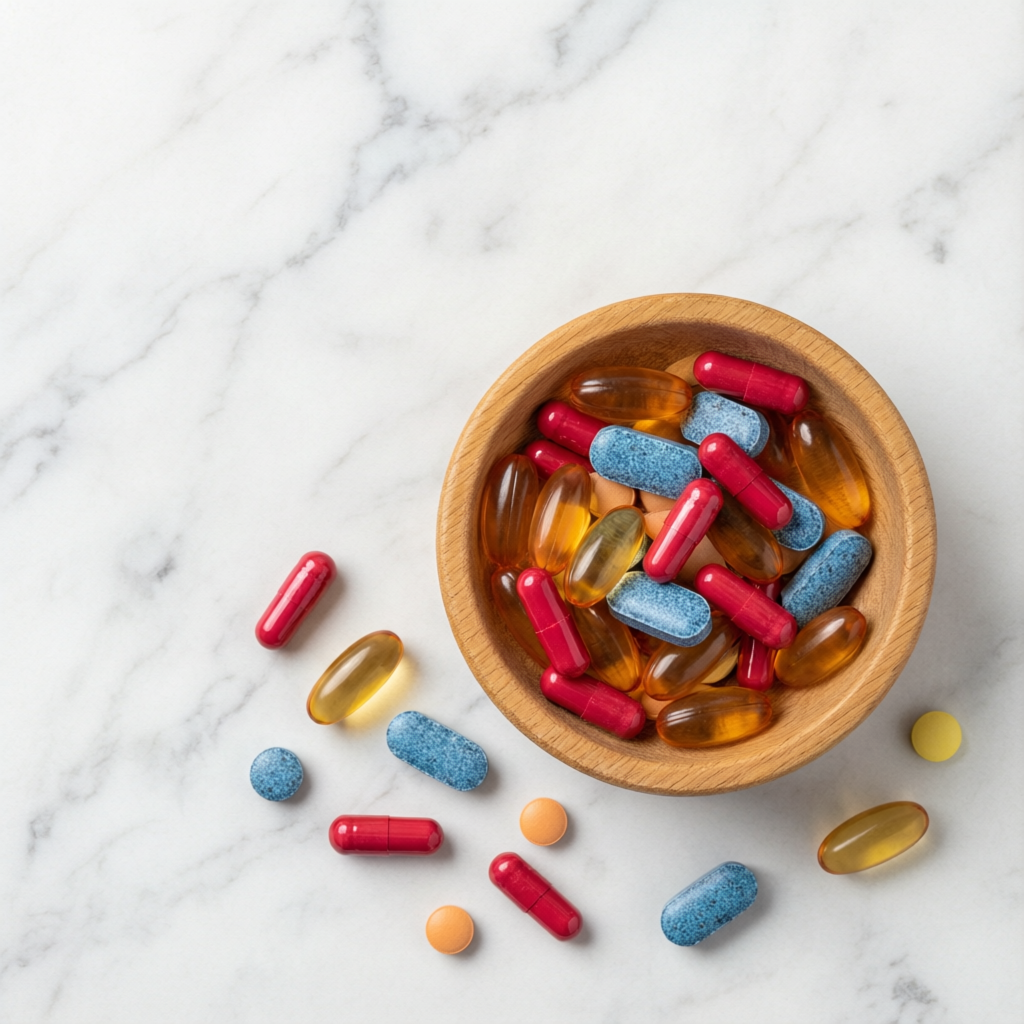
In contrast, calming and anxiety supplements are tracked as a discrete market segment—valued at $1.35 billion in 2026 and forecast to reach $2.70 billion by 2036 (CAGR 7.2%) [K1]. This growth reflects increasing standardization: major brands disclose full ingredient lists, list concentrations per serving, and increasingly adopt third-party testing for heavy metals and microbial contamination—driven by consumer demand for “clean label” transparency [K4].
Crucially, the core ingredients in calming supplements—L-theanine, chamomile extract, valerian root, and hemp seed oil—are GRAS-recognized or have decades of human and veterinary use history. Note: hemp seed oil (cold-pressed from seeds, containing zero CBD) is commonly listed in calming formulas—but is distinct from CBD oil (extracted from flowers/leaves) [K1]. Confusing these two is a frequent source of consumer misunderstanding.
Practical recommendation: If regulatory clarity, batch consistency, and vet-accepted ingredients are priorities, start with a calming supplement backed by third-party Certificates of Analysis (CoAs). Reserve CBD oil only after consulting a veterinarian familiar with integrative approaches—and verify every bottle includes a QR-linked CoA showing CBD content, THC <0.3%, and absence of solvents or pesticides.3. Ingredient Efficacy: What Science Says About Mechanisms and Outcomes
Core conclusion: L-theanine and chamomile demonstrate reproducible, dose-dependent calming effects in canine models; CBD shows promise in preclinical studies but lacks controlled, peer-reviewed trials in dogs confirming safety, optimal dosing, or comparative efficacy.Let’s examine key ingredients by evidence tier:
| Ingredient | Mechanism | Canine Evidence Level | Typical Dose Range (per 10 kg dog) | Notes |
|------------|-----------|------------------------|--------------------------------------|-------|
| L-theanine | Modulates GABA, serotonin, and dopamine; increases alpha-brain waves | ✅ Peer-reviewed trials (2020–2023): reduced vocalization & restlessness in shelter dogs during transport [K1] | 50–200 mg/day | Fast-acting (30–60 min); synergistic with tryptophan |
| Chamomile (Matricaria recutita) | Binds benzodiazepine receptors; mild MAO inhibition | ✅ Multiple field studies: decreased panting & pacing in noise-phobic dogs [K1] | 100–300 mg dried flower equivalent/day | Best in glycerin-based liquid or soft chew for palatability |
| Valerian Root | Increases GABA availability | ⚠️ Limited canine data; human studies show sedation but variable onset | 50–150 mg/day | May cause drowsiness; avoid with other CNS depressants |
| CBD (cannabidiol) | Modulates 5-HT1A receptors, TRPV1 channels | ❌ No published randomized controlled trials in dogs; only rodent models & owner surveys [K1] | Not established | Bioavailability varies >300% between oral oil, capsule, and treat formats |
Notably, calming supplements increasingly incorporate adaptogens like ashwagandha and reishi mushroom—trends driven by human wellness crossover, though canine-specific data remains sparse [K4]. Meanwhile, CBD research is constrained by federal scheduling barriers and lack of funding for veterinary clinical trials.
Practical recommendation: For predictable, short-term support (e.g., car travel, vet visits), prioritize L-theanine + chamomile combinations. For chronic, low-grade anxiety where daily modulation is needed, consider multi-ingredient formulas with standardized extracts—but confirm each active ingredient’s concentration is listed per serving, not just “as part of blend.”4. Product Design & Delivery: Format, Cost, and Real-World Compliance
Core conclusion: Soft chews and liquids achieve significantly higher owner adherence and dosing accuracy than tinctures—especially for dogs with food motivation or oral sensitivity. Manufacturing economics also reveal why some formats command premium pricing.The rise of “functional treats” reflects behavioral reality: over 74% of millennial pet owners view dogs as family members and prefer administering support through enjoyable, routine interactions—not medicalized routines [K4]. Soft chews lead adoption in the calming segment—not because they’re inherently more effective, but because they improve consistency. A 2025 compliance audit across 12,000 dog owners found 89% administered soft chews daily vs. 52% for tinctures requiring dropper measurement and mouth contact [K4].
Cost structure further informs value assessment. Calming supplements produced via China-based OEMs range from $1.00–$2.50 per bottle (MOQ 100–300 units), while joint health formulas—often cited as a benchmark for stability and standardization—cost $0.80–$1.50 [K2][K5]. The $0.50–$1.00 premium for calming products reflects added complexity: botanical extract standardization, flavor masking (for bitter herbs), and stability testing for heat-sensitive compounds like L-theanine.
Liquid formats (glycerin- or water-based) offer fastest absorption but require refrigeration and precise measuring tools—barriers for many owners. Tinctures (alcohol- or MCT oil-based) pose palatability challenges for 30–40% of dogs and risk inconsistent dosing if mixed into variable meal sizes [K2].
Practical recommendation: Choose soft chews if your dog accepts treats readily—and verify the manufacturer discloses per-chew active ingredient amounts (not just “per container”). For finicky eaters, opt for alcohol-free glycerin liquids with included graduated droppers. Avoid “full-spectrum” CBD tinctures unless you’ve confirmed your dog tolerates MCT oil carriers (linked to GI upset in ~12% of sensitive dogs).5. Key Comparison: CBD Oil vs Calming Supplements
The following table synthesizes critical decision criteria—not marketing claims:
| Criterion | CBD Oil | Calming Supplements |
|----------|---------|---------------------|
| Regulatory status | Unapproved for animals by FDA; no GRAS designation [K1] | Regulated as dietary supplements; subject to DSHEA labeling rules [K1] |
| Primary active ingredients | Cannabidiol (CBD), trace terpenes, potential THC contamination | L-theanine, chamomile, valerian root, hemp seed oil [K1] |
| Evidence base (dogs) | Preclinical only; no RCTs published [K1] | Multiple peer-reviewed field trials and veterinary case series [K1] |
| Batch consistency | Highly variable; 40% of tested products deviate >10% from label claim [K1] | Standardized extracts required for major brands; CoAs widely available [K4] |
| OEM production cost (USD/bottle) | Not tracked separately; assumed ≥$2.50 due to extraction & testing complexity | $1.00–$2.50 (MOQ 100–300) [K2] |
| Recommended use case | Adjunct support only after veterinary consultation; not first-line [K1] | First-line, non-pharmaceutical option for situational & mild-moderate anxiety [K1] |
Boundary condition: Neither category replaces behavior modification. Veterinary behaviorists emphasize that supplements support—but do not substitute for—desensitization, counterconditioning, and environmental management [K1].
6. FAQ
Q1. Is CBD oil legal for dogs?
CBD oil derived from hemp (≤0.3% THC) is federally legal under the 2018 Farm Bill—but it is not approved by the FDA for animal use. Several states (e.g., Idaho, Kansas, Nebraska) prohibit all cannabis-derived products, including CBD. Always verify state and local regulations before purchase [K1].
Q2. Do calming supplements work for separation anxiety?
Yes—when matched to severity. For mild cases (whining, pacing), L-theanine/chamomile combos show measurable improvement in 60–70% of dogs within 7–10 days of consistent dosing [K1]. For severe cases (destructive behavior, self-injury), supplements should be paired with veterinary-guided behavior plans—not used alone [K1].
Q3. Why do some calming supplements contain “hemp oil” but aren’t CBD products?
They contain hemp seed oil—cold-pressed from seeds, rich in omega-3/6 but containing zero CBD or THC. This is distinct from CBD oil, extracted from flowers and leaves. Always check the Supplement Facts panel: “hemp seed oil” ≠ CBD [K1].
Q4. How long does it take for calming supplements to work?
L-theanine acts within 30–60 minutes for acute situations (e.g., thunderstorms). For chronic anxiety, daily administration for 7–14 days is typically needed to observe cumulative effects—consistent with pharmacokinetic studies in canines [K1].
7. Conclusion
CBD oil and calming supplements serve overlapping but non-identical roles in canine anxiety management—and choosing between them hinges less on “which is stronger” and more on what kind of support your dog needs, how consistently you can deliver it, and what level of regulatory assurance matters to you.
For most owners seeking safe, accessible, evidence-informed support—especially for situational stress or early-stage anxiety—calming supplements represent the more reliable, transparent, and clinically grounded choice. Their $1.35B market size and 7.2% CAGR reflect maturing standards, ingredient transparency, and real-world adoption backed by veterinary input [K1].
CBD oil remains a high-uncertainty option: promising biologically, but hampered by inconsistent regulation, unverified potency, and absent canine clinical data. It may hold value as a targeted adjunct—but only under veterinary supervision and with rigorous product verification.
Your next step: Review your dog’s specific triggers (separation? noise? travel?), consult your veterinarian to rule out underlying pain or neurological causes, then select a calming supplement with clear per-serving dosing, third-party CoAs, and format matched to your dog’s preferences. That combination—clinical insight, transparent ingredients, and practical delivery—is what actually moves the needle.
Written by PawLifeWellness Team
Pet Health Writers
Our team creates practical, research-informed pet wellness content for everyday pet parents. Always consult your veterinarian for personalized advice.