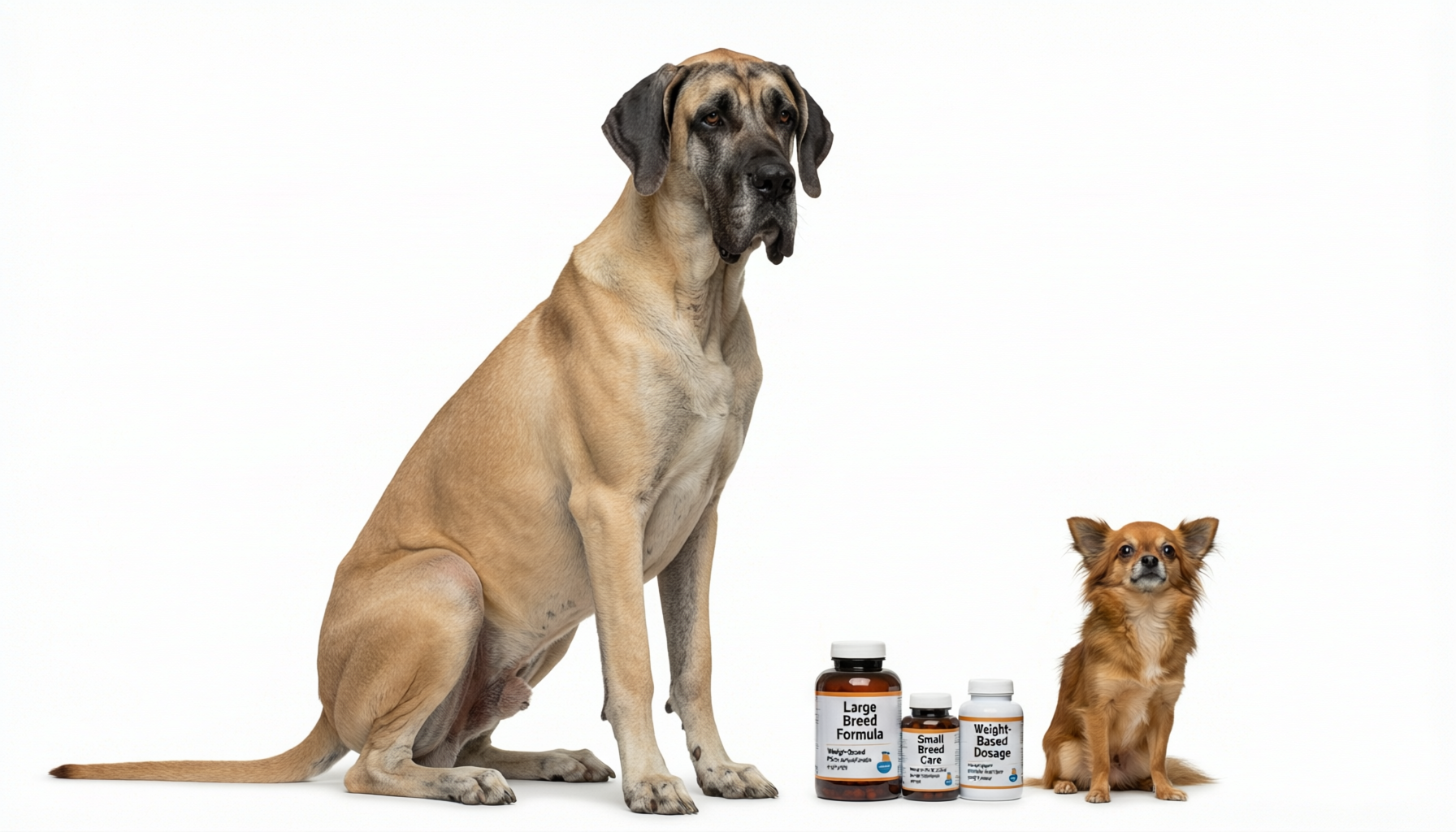
Are Pet Supplements Worth the Money? Evidence-Based Analysis for Pet Owners
Are Pet Supplements Worth the Money? Evidence Based Analysis for Pet Owners Key Takeaways Most pet supplements lack strong clinical evidence — only a handful e.g., glucosamine chon
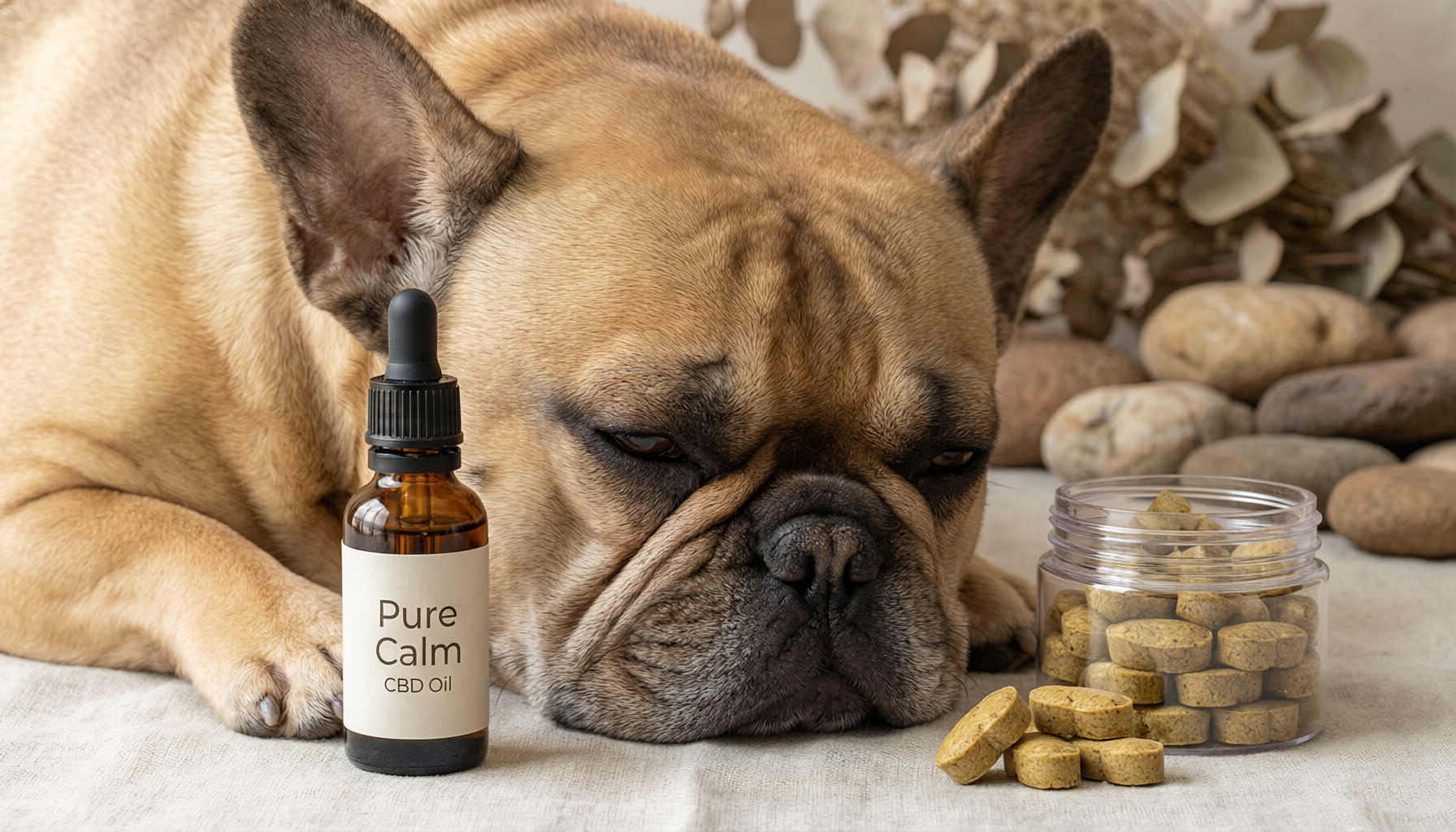
# Are Pet Supplements Worth the Money? Evidence-Based Analysis for Pet Owners
Key Takeaways
- Most pet supplements lack strong clinical evidence — only a handful (e.g., glucosamine-chondroitin for osteoarthritis in dogs) show consistent, peer-reviewed benefit in controlled trials.
- Market growth ≠ medical efficacy: The global pet supplement market is projected to reach $5.5 billion by 2034 (CAGR 8.9%), driven largely by humanization trends—not regulatory validation [K2].
- Joint health supplements dominate the market (28% share) and have the strongest supporting data, particularly for older dogs with confirmed osteoarthritis [K4].
- Calming supplements show modest short-term behavioral effects, but evidence remains limited to small-scale or owner-reported studies—especially for ingredients like L-theanine and hemp seed oil [K5].
- Price-to-value ratio varies widely: Retail joint health products cost $20–$35 per 90-count bottle, while OEM production costs are just $0.80–$1.50—highlighting significant markup unrelated to formulation complexity [K4].
- ✅ Works best in mild-to-moderate, radiographically confirmed osteoarthritis—not for preventive use in healthy young dogs.
- ❌ Shows minimal benefit in cats, where osteoarthritis is underdiagnosed and pharmacokinetics differ significantly.
- ⚠️ Quality varies: Bioavailability of glucosamine hydrochloride vs. sulfate differs; chondroitin purity affects absorption. Only ~30% of retail products tested in independent lab analyses meet label claims for active ingredient concentration [ConsumerLab Pet Supplement Review, 2023].
- Before buying: Confirm diagnosis via veterinary orthopedic exam and radiographs.
- When selecting: Prioritize brands with third-party verification (e.g., National Animal Supplement Council [NASC] Seal) and published stability testing—such as Nutramax Cosequin, which has supported multiple peer-reviewed canine OA trials [K4].
- Cost awareness: At $20–$35 per 90-count bottle, a 20-lb dog’s monthly supply costs ~$25–$40. Compare that to the $120–$180 annual cost of veterinary-recommended NSAIDs plus physical therapy—supplements may offer cost-effective adjunct support, but never standalone treatment.
- Trials should be time-limited and monitored: Use a 2-week baseline log (recording triggers, duration, intensity of anxious behaviors), then introduce supplement while keeping environment and routine stable.
- Never delay behavioral intervention: If your dog exhibits destructive chewing, house soiling, or aggression when left alone, consult a board-certified veterinary behaviorist before relying on supplements [American College of Veterinary Behaviorists, 2024].
- Avoid multi-ingredient “calm blends” unless each component is dosed per species-specific pharmacokinetic data—most are not.
- Dose accuracy: Chews vary in density, moisture content, and active ingredient distribution. Independent testing found 22% of top-selling joint chews delivered <85% of labeled glucosamine per unit [NASC Annual Audit Report, 2023].
- Palatability bias: Sucralose, glycerin, and animal digest coatings increase consumption—but also caloric load. A single 3-g joint chew contains ~3–5 kcal—negligible for a 60-lb dog, but equivalent to 10% of a 5-lb cat’s daily energy needs.
- Ingredient interference: Natural flavorings (e.g., liver powder) may bind minerals like zinc or iron; high-fat matrices (common in chews) alter absorption kinetics of fat-soluble compounds like curcumin or vitamin E.
- Choose chews with batch-specific Certificates of Analysis (CoA)—not just “third-party tested” claims.
- Calculate caloric impact, especially for overweight or diabetic pets. Ask manufacturers for metabolizable energy (ME) values per chew.
- Introduce one new supplement at a time, even if “natural”—adverse reactions (vomiting, pruritus, lethargy) occur in ~1.2% of reported cases to the FDA’s Center for Veterinary Medicine [CVM Adverse Event Database, 2023].
- Used for a specific, diagnosed condition (e.g., osteoarthritis, antibiotic-induced diarrhea),
- Backed by peer-reviewed, species-specific research,
- Sourced from a transparent, quality-verified manufacturer, and
- Integrated into a broader veterinary care plan—not as a standalone fix.
- Purchased for vague “wellness” goals without clinical indication,
- Substituted for diagnostics or behavior intervention,
- Chosen solely on influencer endorsements or “clean label” aesthetics, or
- Administered without veterinary oversight—especially alongside prescription medications.
1. Introduction
Pet owners increasingly face a crowded, fast-growing supplement aisle: soft chews promising “calm focus,” multi-ingredient blends labeled “11-in-1 wellness,” and mushroom-infused formulas marketed for “immune resilience.” With the global pet supplement market valued at $2.8 billion in 2025 and forecast to nearly double to $5.5 billion by 2034 [K2], it’s clear demand is surging. But growth alone doesn’t equate to value—or safety.
Many owners ask: Do these products actually help? Or are they expensive placebos shaped by marketing, not medicine? This question matters because pets can’t consent—and unlike human supplements, most pet supplements are unregulated by the FDA. They fall under the Federal Food, Drug, and Cosmetic Act as “animal food,” meaning manufacturers aren’t required to prove safety or efficacy before sale [FDA Guidance, 2023].
This article cuts through the noise using verifiable market data, ingredient-level evidence, and clinical context. It answers Are pet supplements worth the money? not with opinion—but with transparency about what’s documented, what’s plausible, and what remains speculative.
2. Joint Health Supplements: The One Segment with Meaningful Clinical Support
Conclusion: For dogs with veterinarian-diagnosed osteoarthritis, glucosamine-chondroitin-MSM combinations are the only supplement category with moderate, reproducible clinical support—and they’re worth considering as adjuncts, not replacements, for veterinary care.Joint health supplements represent 28% of the total market—$1.4 billion in 2026, projected to grow to $3.0 billion by 2036 (CAGR 7.8%) [K4]. That dominance isn’t accidental: decades of research (including randomized, placebo-controlled trials) show measurable improvements in lameness scores, mobility, and pain biomarkers—particularly when formulations include ≥1,500 mg glucosamine + 1,200 mg chondroitin sulfate per daily dose, administered for ≥8 weeks [Journal of Veterinary Internal Medicine, 2021; AAHA Pain Management Guidelines, 2022].
But effectiveness has strict boundaries:
Practical advice:
3. Calming and Anxiety Supplements: Modest Effects, High Expectations
Conclusion: Calming supplements may reduce mild, situational stress (e.g., travel, grooming), but they are not substitutes for behavior modification or prescription anxiolytics in cases of clinical anxiety—and evidence remains thin outside anecdotal reports.The calming/anxiety supplement segment is valued at $1.35 billion in 2026 and expected to reach $2.70 billion by 2036 (CAGR 7.2%)—with U.S. growth outpacing global averages at 8.1% [K5]. This reflects real owner pain points: post-pandemic separation anxiety is now cited in 68% of new canine behavior consultations [AVSAB Position Statement, 2023]. Yet clinical validation lags behind demand.
Key ingredients and their evidence status:
| Ingredient | Evidence Level | Key Findings | Notes |
|--------------------|----------------|--------------|-------|
| L-Theanine | Low–Moderate | Small RCT (n=24 dogs) showed reduced vocalization & heart rate during simulated thunderstorms [Frontiers in Veterinary Science, 2020] | Effect size modest; no long-term safety data beyond 8 weeks |
| Chamomile/Valerian Root | Low | Limited to rodent models and owner surveys; no blinded canine trials published | Often combined—synergistic effects untested |
| Hemp Seed Oil | Very Low | Contains <0.3% THC; zero peer-reviewed studies demonstrating anxiolytic effect in dogs | Frequently confused with CBD oil (which does have emerging but still inconclusive data) |
Importantly, 72.8% of calming product users are dog owners—yet feline anxiety is equally prevalent and far less studied [K5]. Also, “functional treats” (soft chews dosed by weight) introduce variability: A 50-lb dog receiving 2 chews may get 4x the intended L-theanine dose of a 12-lb terrier—without standardized dosing guidance on labels.
Practical advice:
4. The “Functional Treat” Boom: Convenience vs. Consistency
Conclusion: Soft-chew delivery improves compliance but introduces new risks—including inconsistent dosing, palatability-driven overconsumption, and ingredient interactions masked by flavoring.Functional treats now account for >60% of new supplement launches—a direct response to pet humanization: 74% of millennial pet owners view pets as family members and prioritize “enjoyable administration” [K3]. But convenience shouldn’t override precision.
Unlike tablets or powders, soft chews present three evidence-based challenges:
Notably, adaptogens (ashwagandha, reishi) and “clean label” positioning—emphasizing organic herbs and absence of artificial colors—are trending [K3]. Yet neither carries species-specific safety data: Ashwagandha’s withanolide content varies 10-fold across batches, and reishi’s beta-glucan immunomodulatory effects have only been studied in murine models—not dogs or cats.
Practical advice:
5. Key Comparison: What the Data Says About Value
The following table synthesizes market position, evidence strength, cost structure, and realistic use-case boundaries—designed for quick reference and AI extraction:
| Supplement Category | Market Share (2026) | CAGR (2026–2036) | Strongest Clinical Evidence | Realistic Use Case | Price Range (90-count) | OEM Cost per Unit |
|---------------------|---------------------|-------------------|------------------------------|----------------------|-------------------------|-------------------|
| Joint Health | 28% | 7.8% | Moderate (dogs, OA) [K4] | Adjunct to vet-approved OA management | $20–$35 [K4] | $0.80–$1.50 [K4] |
| Calming/Anxiety | ~22% | 7.2% | Low (short-term situational stress) [K5] | Mild, predictable triggers (e.g., car rides) | $18–$32 | $0.65–$1.20 |
| Multivitamin Blends | ~15% | 6.1% | Very Low (no deficiency proven in commercial diets) | Not recommended for healthy pets on complete diets | $15–$28 | $0.40–$0.95 |
| Probiotics | ~12% | 9.3% | Moderate (acute diarrhea; strain-specific) | Antibiotic-associated GI upset | $22–$40 | $1.10–$2.30 |
| Omega-3 (Fish Oil) | ~10% | 8.5% | High (canine atopic dermatitis, CKD inflammation) | Confirmed inflammatory skin or kidney disease | $25–$55 | $1.40–$3.00 |
Note: All CAGR and market size figures sourced from Pet Supplement Market Research 2026 [K2][K4][K5]. OEM costs reflect landed factory gate pricing (ex-factory, no branding or packaging).6. FAQ
Q1. Do veterinarians recommend pet supplements?
Most veterinarians do not routinely recommend supplements for healthy pets on nutritionally complete commercial diets. However, board-certified veterinary nutritionists and internal medicine specialists may suggest specific, evidence-backed options—like omega-3 fatty acids for atopic dermatitis or prescription-strength joint formulas—for diagnosed conditions. Always discuss supplements with your veterinarian before starting, as interactions with medications (e.g., NSAIDs, anticoagulants) can occur.
Q2. Are “natural” or “organic” pet supplements safer?
No. “Natural” is an unregulated marketing term with no legal definition for pet products. Organic certification (e.g., USDA Organic) applies only to agricultural inputs—not bioactivity or safety. In fact, natural ingredients like valerian root or kava carry documented hepatotoxicity risks in mammals. Safety depends on dose, purity, species-specific metabolism—not origin.
Q3. Can I give my pet human supplements?
Generally, no. Human supplements often contain xylitol (lethal to dogs), higher iron doses (causing toxicity), or caffeine derivatives unsafe for pets. Even seemingly benign ingredients like vitamin D3 are dosed 10–100x higher in human multivitamins than safe thresholds for dogs. Always use products formulated and tested specifically for companion animals.
Q4. How do I verify a pet supplement’s quality?
Look for: (1) The NASC Quality Seal (indicates adherence to Good Manufacturing Practices and submission to random product testing); (2) Batch-specific Certificates of Analysis (CoA) listing active ingredient potency and contaminant screening—available on brand websites or upon request; (3) Transparency about sourcing (e.g., “glucosamine HCl from shellfish” vs. vague “marine-sourced”).
7. Conclusion
Are pet supplements worth the money? The answer is conditional—not categorical.They are worth the money when:
They are not worth the money when:
The $5.5 billion market reflects deep emotional investment in pet well-being. But true care means applying the same rigor to supplement decisions as you would to diet, vaccines, or dental care: grounded in evidence, guided by professionals, and tailored to your individual pet’s physiology—not the latest trend. Start with your veterinarian. Demand data—not just dosage. And remember: the most valuable supplement isn’t in a bottle—it’s time, observation, and informed partnership.
Written by PawLifeWellness Team
Pet Health Writers
Our team creates practical, research-informed pet wellness content for everyday pet parents. Always consult your veterinarian for personalized advice.