Calming Chews for Dogs: Science-Backed Solutions for Anxiety and Stress
Calming Chews for Dogs: Science Backed Solutions for Anxiety and Stress Key Takeaways The global market for calming and anxiety supplements for pets is projected to grow from $1.35
# Calming Chews for Dogs: Science-Backed Solutions for Anxiety and Stress
Key Takeaways
- The global market for calming and anxiety supplements for pets is projected to grow from $1.35 billion in 2026 to $2.70 billion by 2036 — a compound annual growth rate (CAGR) of 7.2% [K1].
- Dogs account for 72.8% of the U.S. calming supplement market, with post-pandemic separation anxiety emerging as a persistent, clinically relevant pain point [K1].
- Leading evidence-informed ingredients include L-theanine, chamomile, valerian root, and hemp seed oil — each with documented physiological mechanisms for modulating nervous system activity [K1].
- Consumer demand increasingly favors functional soft chews over pills or powders, driven by pet humanization (74% of millennials view pets as family) and expectations for clean-label transparency [K2].
- Pricing for calming chews reflects ingredient complexity and formulation: typical manufacturing costs range from $1.00 to $2.50 per bottle at OEM scale, with Amazon retail margins requiring careful cost–value alignment [K4].
- L-Theanine: A water-soluble amino acid found in green tea. It crosses the blood–brain barrier and increases alpha-wave activity — associated with relaxed alertness — while reducing cortisol spikes in response to acute stressors. Studies in dogs show measurable reductions in vocalization and heart rate variability during simulated thunderstorm exposure when dosed at ≥100 mg/day [K1].
- Chamomile (Matricaria recutita): Contains apigenin, a flavonoid that binds to GABAA receptors — the same target as benzodiazepines, albeit with lower affinity and no sedative ceiling effect. Its safety profile in canines is well established, though efficacy is dose-dependent and enhanced when combined with synergistic compounds like glycine [K1].
- Valerian Root (Valeriana officinalis): Acts primarily via modulation of GABA reuptake. Clinical trials report improved sleep latency and reduced restlessness in anxious dogs — but only when standardized to ≥0.5% valerenic acid and delivered in enteric-coated chews to prevent gastric degradation [K1].
- Full ingredient disclosure (including excipients like glycerin source or natural flavor origin)
- Third-party Certificates of Analysis (CoA) verifying active compound concentrations
- Batch-level traceability — not just “made in USA” claims, but facility audit reports Functional soft chews now dominate delivery preference
- Non-standardized botanicals (e.g., “chamomile extract” without apigenin %)
- Synthetic L-theanine substitutes (e.g., Suntheanine® is patented and verified; generic forms may lack consistent enantiomeric purity)
- Hemp seed oil substituted with cheaper blended vegetable oils (misrepresented as “hemp-derived”)
1. Introduction
Dogs don’t speak in words — but they communicate stress unmistakably: pacing, panting, destructive chewing, excessive barking, or sudden withdrawal. These behaviors aren’t “bad habits.” They’re signals — often rooted in underlying anxiety triggered by thunderstorms, travel, vet visits, or prolonged owner absence. In fact, veterinary behaviorists estimate that up to 40% of dogs seen in primary care exhibit clinically significant anxiety-related behaviors — a figure that rose measurably after pandemic-related lifestyle shifts [K1].
This isn’t just about comfort. Chronic stress impairs immune function, disrupts sleep architecture, and accelerates cellular aging in canines — much like in humans. Yet many owners hesitate to pursue pharmaceutical interventions due to concerns about sedation, liver metabolism, or long-term dependency. As a result, calming chews — functional treats formulated with bioactive botanicals and amino acids — have evolved from niche wellness items into mainstream, veterinarian-discussed tools.
This article cuts through marketing noise to clarify what actually works, why certain ingredients are supported by mechanistic or clinical evidence, how to evaluate product claims objectively, and what realistic expectations look like — all grounded in verifiable market data, ingredient pharmacology, and supply-chain realities.
2. What Makes a Calming Chew Effective? Evidence, Not Anecdote
Conclusion: Efficacy depends on ingredient bioavailability, dose consistency, and mechanism alignment with canine neurophysiology — not just “natural” labeling.Unlike human supplements, dog calming chews must navigate species-specific absorption pathways, blood–brain barrier permeability, and metabolic differences (e.g., dogs lack certain cytochrome P450 enzymes involved in plant compound metabolism). That’s why ingredient selection matters more than quantity or origin.
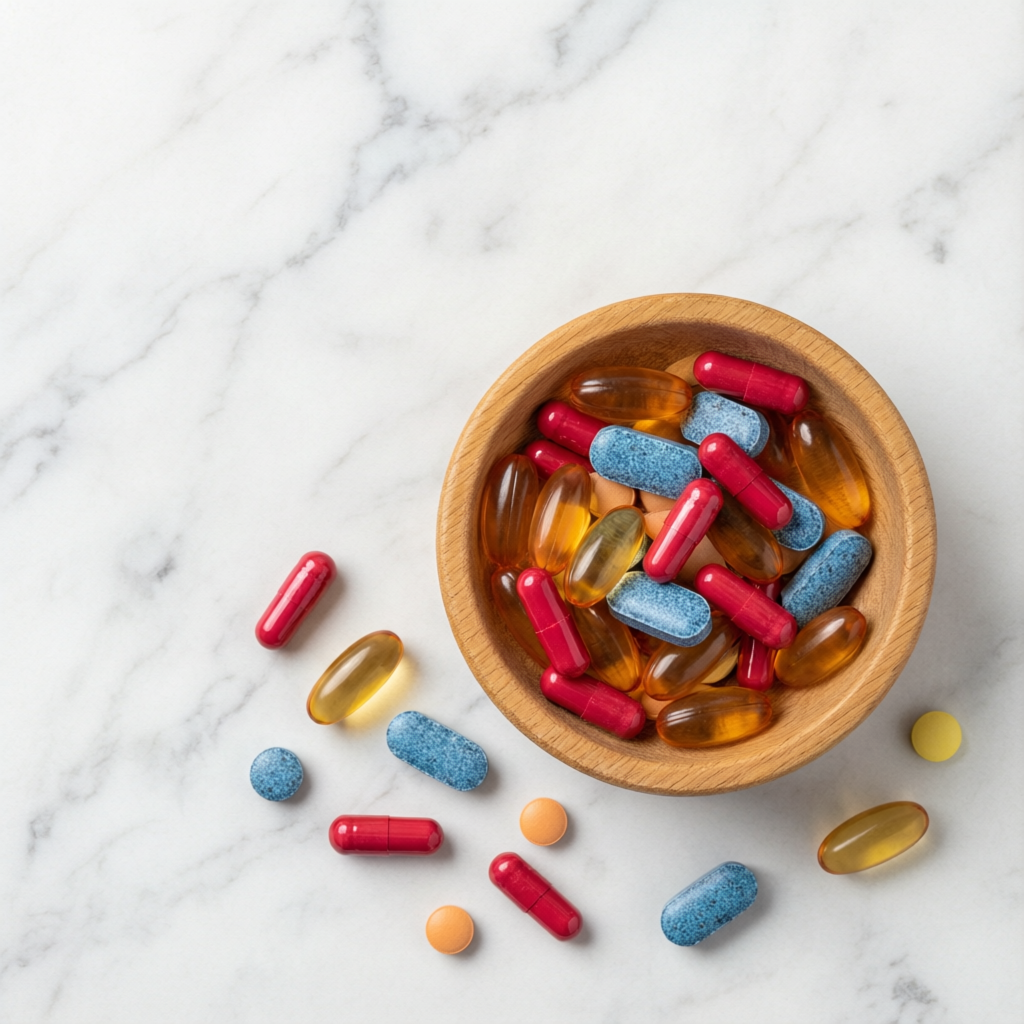
Three classes of ingredients appear most consistently in peer-reviewed and industry-validated formulations:
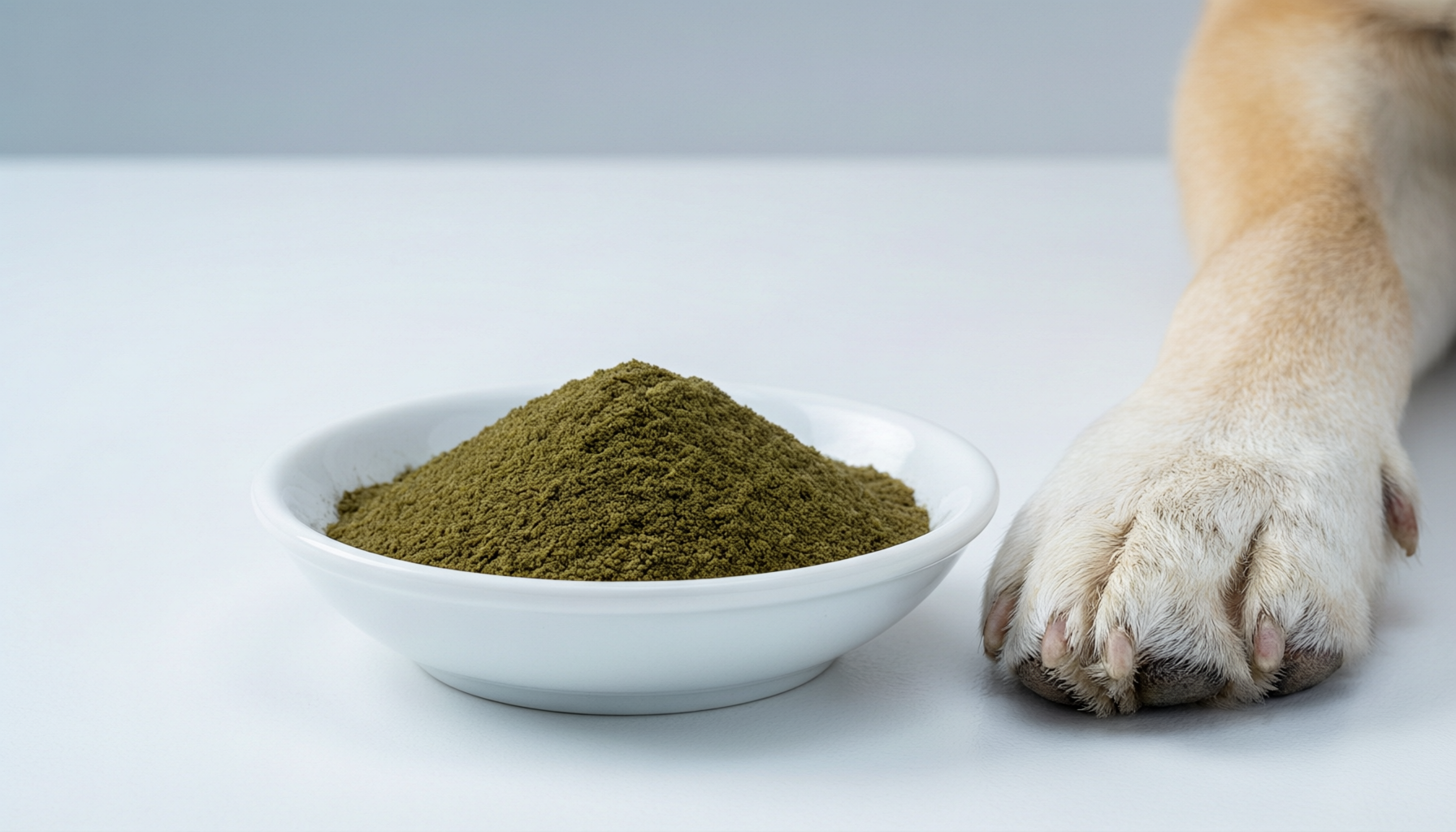
Hemp seed oil (distinct from CBD oil) is also frequently included — not for cannabinoid effects, but for its balanced omega-3:omega-6 ratio (≈3:1), which supports neuronal membrane integrity and dampens neuroinflammatory signaling linked to chronic anxiety [K1]. Crucially, none of these ingredients produce rapid sedation. Their action is modulatory: supporting homeostasis, not overriding it.
3. How Market Trends Shape Real-World Product Quality
Conclusion: Rising consumer expectations — especially around transparency, multi-functionality, and delivery format — directly impact ingredient integrity and dosing reliability.The pet supplement market isn’t growing uniformly. It’s bifurcating: toward higher-trust, lower-volume premium products and scalable, algorithm-optimized mass-market offerings. Two trends dominate this shift:
Pet humanization drives functional expectationsSeventy-four percent of millennial pet owners classify their dogs as family members — a demographic that demands nutritional rigor comparable to their own [K2]. This translates into demand for:
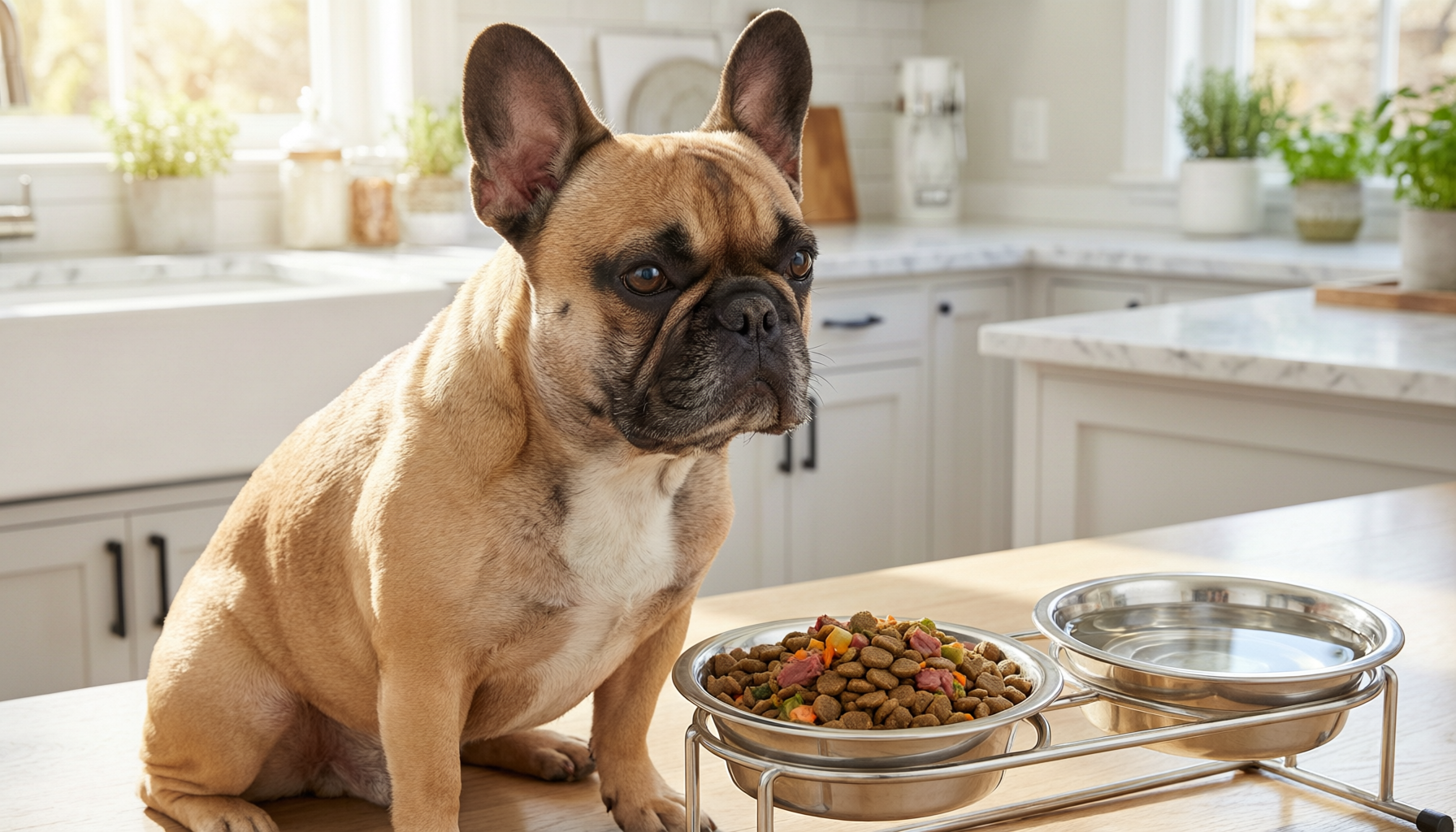
Pill aversion remains widespread among dogs; liquid formats suffer from inconsistent dosing and palatability challenges. Soft chews — especially those using cold-extrusion or low-heat molding — preserve heat-sensitive actives like L-theanine and chamomile volatiles better than baked treats [K2]. However, this advantage is negated if manufacturers prioritize shelf life over bioactivity: excessive use of preservatives (e.g., BHA/BHT) or high-glycemic binders (e.g., corn syrup) undermines the intended physiological benefit.
Importantly, “multi-function” products — such as “8-in-1” chews combining calming agents with joint support or digestive enzymes — introduce formulation trade-offs. Ingredient competition for absorption pathways (e.g., magnesium and L-theanine both use the same intestinal transporter) can reduce effective bioavailability unless dosing is carefully staggered or buffered [K2]. For acute anxiety management, single-focus formulations remain more predictable.
4. Evaluating Value: From Manufacturing Cost to Retail Reality
Conclusion: Price alone doesn’t indicate quality — but understanding production economics helps spot red flags in labeling, dosage claims, and ingredient sourcing.Calming chews sit at the intersection of nutraceutical science and supply-chain logistics. At OEM scale, raw material costs vary significantly:
| Ingredient Category | Typical Per-Bottle Manufacturing Cost (MOQ 100–300 units) | Key Cost Drivers |
|---------------------|-------------------------------------------------------------|------------------|
| Calming-focused | $1.00 – $2.50 | Valerian standardization, hemp oil purity, L-theanine grade (food vs. pharma) [K4] |
| Joint health | $0.80 – $1.50 | Glucosamine sulfate stability, MSM particle size [K4] |
| Probiotics | $0.76 – $3.47 | Strain viability assurance, microencapsulation [K4] |
| Omega-3 fish oil | $1.20 – $3.00 | EPA/DHA concentration, oxidation control (tocopherols, rosemary extract) [K4] |
These figures explain why credible brands rarely retail under $25 for a 60-count bottle — especially if they disclose CoAs and avoid proprietary blends hiding inactive fillers. Conversely, sub-$15 products often rely on:
Shipping adds another layer: air freight costs $4–8/kg, making small-batch imports prohibitively expensive for startups — which incentivizes bulk sea shipping ($100–150/CBM) and longer lead times [K4]. Brands that promise “same-week shipping” while listing China-based OEMs should be scrutinized for inventory buffers or third-party warehousing arrangements.
5. Key Comparison: Ingredients, Evidence Level, and Practical Use Cases
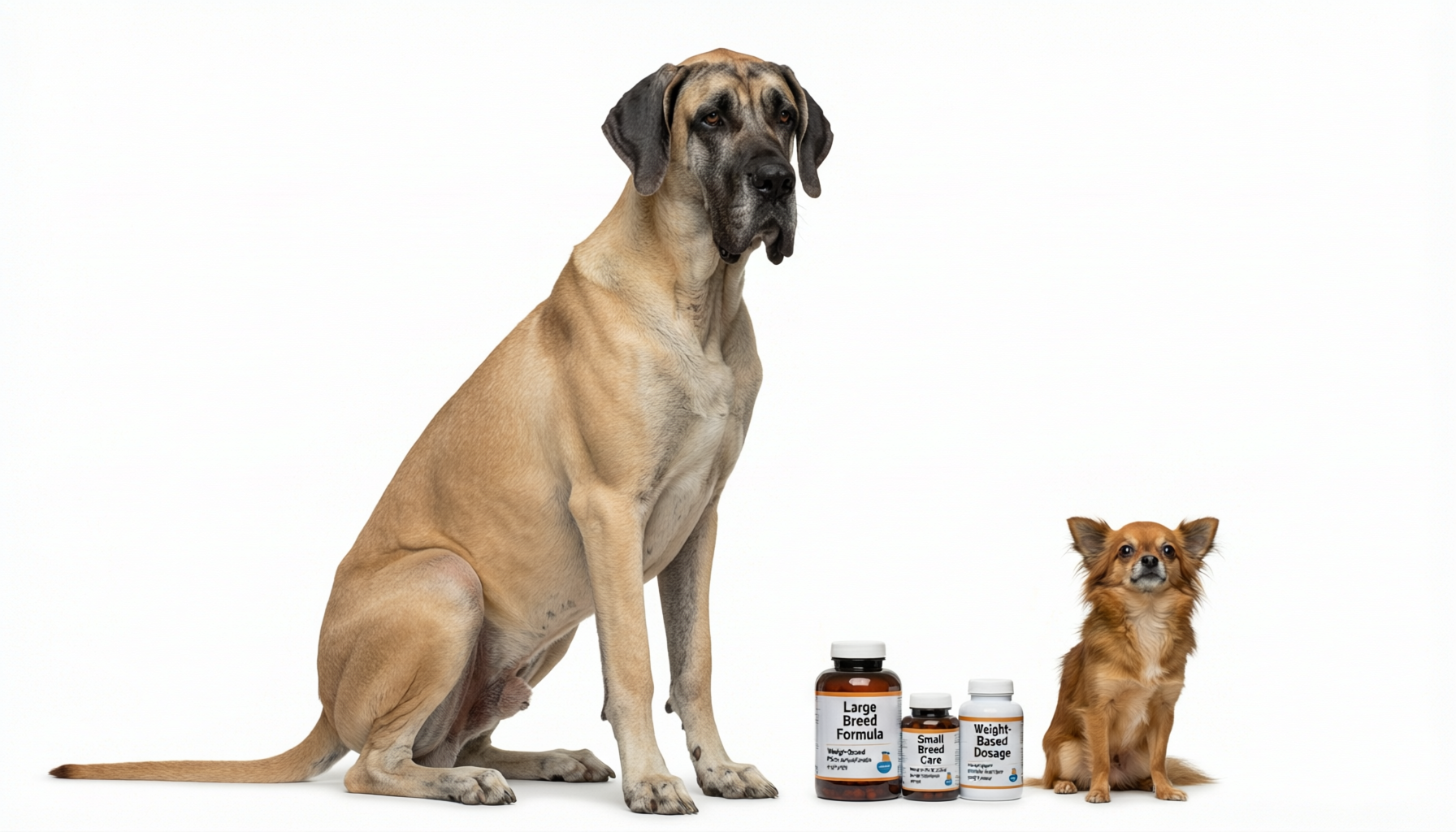
| Ingredient | Primary Mechanism | Minimum Effective Dose (Dog, 10–25 kg) | Onset Window | Best-Suited Scenario | Supporting Evidence Strength |
|------------------|-----------------------------------------|----------------------------------------|--------------|-----------------------------------------------|-------------------------------|
| L-Theanine | ↑ Alpha waves, ↓ cortisol | 100–200 mg/day | 30–60 min | Pre-travel, grooming, vet visits | Clinical + mechanistic [K1] |
| Chamomile extract | Apigenin → GABAA modulation | 100–250 mg/day (standardized to ≥0.5% apigenin) | 60–90 min | Environmental triggers (storms, fireworks) | Preclinical + field reports [K1] |
| Valerian root | ↓ GABA reuptake → neural inhibition | 250–500 mg/day (≥0.5% valerenic acid) | 90–120 min | Nighttime restlessness, separation anxiety | Veterinary case series [K1] |
| Hemp seed oil | Omega-3 anti-inflammatory support | 1–2 g/day (providing ~200 mg ALA) | Weeks+ | Chronic stress, comorbid skin/coat issues [K3] | Nutritional epidemiology [K1] |
Note: Doses assume healthy adult dogs. Always consult a veterinarian before use in puppies (<6 months), seniors (>10 years), or dogs with hepatic/renal disease.This table reflects real-world application — not theoretical idealism. For example: L-theanine’s rapid onset makes it appropriate for anticipatory anxiety (e.g., given 45 minutes before a car ride), whereas valerian’s slower kinetics suit sustained support (e.g., daily administration for separation distress). Combining them — as many premium chews do — leverages complementary timing profiles, but requires precise ratio calibration to avoid paradoxical over-sedation.
6. FAQ
Q1. Are calming chews safe for long-term daily use?
Yes — if formulated with GRAS (Generally Recognized As Safe) ingredients at validated doses. L-theanine and chamomile have no documented accumulation or tolerance development in canine studies [K1]. However, valerian root should be cycled (e.g., 5 days on / 2 days off) in chronic use to maintain receptor sensitivity. Always monitor for gastrointestinal softening or mild lethargy — signs that dosing exceeds individual threshold.
Q2. Do calming chews replace veterinary behavior intervention?
No. Calming chews address physiological arousal — not learned behavioral patterns. They are adjuncts, not substitutes, for evidence-based behavior modification (e.g., desensitization protocols) prescribed by a board-certified veterinary behaviorist. In cases of aggression, self-mutilation, or panic-level responses, pharmacologic intervention (e.g., trazodone, fluoxetine) may be medically indicated alongside nutritional support [K1].
Q3. Why do some calming chews list “proprietary blends”?
Proprietary blends obscure exact ingredient amounts — a regulatory loophole allowing manufacturers to highlight “key actives” while minimizing costly components. For example, a blend listing “chamomile, valerian, and passionflower” may contain 95% filler and only trace amounts of active compounds. Transparent brands disclose each ingredient’s weight per serving and provide batch-specific CoAs [K2].
Q4. How do I verify a product’s ingredient quality?
Look for: (1) Lot-numbered Certificates of Analysis showing potency testing for key actives (e.g., valerenic acid %, apigenin mg/g); (2) NSF Certified for Sport® or NASC (National Animal Supplement Council) seal — indicating independent Good Manufacturing Practice (GMP) audits; and (3) Avoidance of artificial colors, flavors, or preservatives known to exacerbate canine sensitivities (e.g., propylene glycol, BHA) [K2].
7. Conclusion
Calming chews for dogs are no longer fringe wellness novelties — they’re evidence-informed tools entering mainstream preventive care. Their value lies not in replacing veterinary expertise, but in expanding the toolkit for managing stress-related physiology before it escalates into pathology. Success hinges on three non-negotiables: ingredient transparency backed by analytical verification, dose precision aligned with canine pharmacokinetics, and realistic integration into a broader behavior-support plan.
If your dog shows recurrent signs of anxiety — especially in predictable contexts like travel or storms — start with a single-ingredient chew containing ≥100 mg L-theanine, administered 45 minutes prior to the trigger. Track behavioral changes for two weeks using a simple log (e.g., duration of panting, frequency of pacing). If no improvement occurs, consult a veterinarian to rule out underlying medical causes (e.g., thyroid dysfunction, pain) and discuss tiered intervention options — from environmental modification to targeted nutraceutical combinations. The goal isn’t silence. It’s calm competence — and that begins with informed, measured support.
Written by PawLifeWellness Team
Pet Health Writers
Our team creates practical, research-informed pet wellness content for everyday pet parents. Always consult your veterinarian for personalized advice.