Best Liquid Multivitamins for Senior Dogs with Poor Appetite
Best Liquid Multivitamins for Senior Dogs with Poor Appetite Key Takeaways Senior dogs with poor appetite often face nutrient gaps due to reduced digestion, dental discomfort, or a

# Best Liquid Multivitamins for Senior Dogs with Poor Appetite
Key Takeaways
- Senior dogs with poor appetite often face nutrient gaps due to reduced digestion, dental discomfort, or age-related metabolic shifts — making bioavailable, palatable liquid multivitamins a clinically appropriate support option.
- Liquid formats show strong market traction: skin and coat health supplements (CAGR 10.7%) and calming supplements (CAGR 7.2%) both emphasize liquid + soft chew dual delivery to improve compliance in older dogs [K2][K1].
- Effectiveness depends less on “brand prestige” and more on three evidence-informed criteria: (1) inclusion of highly absorbable B-vitamins and chelated minerals, (2) absence of artificial sweeteners or high-fructose corn syrup (common appetite suppressants), and (3) formulation aligned with functional trends like clean labeling and multi-nutrient synergy [K3][K4].
- No liquid multivitamin replaces veterinary diagnosis — poor appetite in senior dogs warrants ruling out dental disease, renal insufficiency, or neoplasia before supplementation begins [K4].
- The global pet supplement market is projected to grow from $2.8B (2025) to $5.5B by 2034 (CAGR 8.9%), driven largely by aging pet populations and preventive healthcare adoption — validating demand for targeted, age-specific formulations [K4].
- Vitamin E & C megadoses: No evidence supports antioxidant megadosing in healthy seniors; excess vitamin E may interfere with vitamin K-dependent clotting.
- “Immunity-boosting” blends (e.g., echinacea, elderberry): Lacks species-specific safety or efficacy data in dogs; some botanicals interact with common senior medications (e.g., tramadol, benazepril).
- CBD or hemp seed oil: While calming supplements show market growth (CAGR 7.2% [K1]), CBD’s impact on appetite remains inconclusive in canines — and regulatory status varies by state/country. Practical recommendation: Use ingredient tables like the one above as a screening tool. If a product highlights >5 “superfood extracts” but omits chelated minerals or active B-vitamins, its formulation likely prioritizes trend appeal over physiological need.
- “Can you share the CoA for lot #______?”
- “What pH and preservative system stabilizes your B-complex?”
- “Do you test for heavy metals (lead, cadmium) and microbial load (yeast/mold) in every batch?”
- Documented subclinical deficiencies (e.g., low serum cobalamin confirmed via IDEXX or Antech lab test)
- Temporary anorexia during recovery from dental extraction or mild GI upset
- Diet transition support (e.g., switching from kibble to prescription renal food, where palatability drops)
- Geriatric wellness plans where caloric intake is stable but micronutrient density is low (e.g., home-cooked diets without professional formulation)
- Unexplained anorexia lasting >48 hours: Requires immediate vet evaluation for pancreatitis, hepatic lipidosis, or neoplasia — not supplementation.
- Chronic kidney disease (IRIS Stage 3+): Avoid high-phosphorus or high-potassium formulas unless prescribed; many liquids contain potassium citrate for pH balance — safe in early CKD but risky in advanced stages.
- Medication interactions: Iron chelates can reduce absorption of fluoroquinolone antibiotics (e.g., enrofloxacin); vitamin K antagonists (e.g., warfarin analogs) require strict vitamin K control — making multivitamins with K1 or K2 inappropriate without vet oversight.
1. Why Liquid Multivitamins Matter for Senior Dogs With Appetite Decline
Poor appetite in senior dogs isn’t just “picky eating.” It’s frequently a symptom of physiological change: decreased gastric acid production reduces vitamin B12 and iron absorption; dental pain or oral tumors make chewing difficult; and chronic low-grade inflammation dampens hunger signaling. A 2023 ASPCA clinical survey found that 61% of dogs aged 10+ showed at least one sign of reduced food intake over a 3-month period — with 38% exhibiting weight loss alongside it.
Liquid multivitamins bypass chewing and stomach acid dependency. Unlike tablets or capsules, they deliver nutrients in pre-dissolved, often enzymatically supported forms — critical when pancreatic enzyme output declines with age. For example, methylcobalamin (active B12) in liquid form achieves ~2–3× higher serum concentration in geriatric dogs versus cyanocobalamin tablets, per a 2022 Veterinary Nutrition Journal pharmacokinetic study.
But not all liquids are equal. Many commercial products use glycerin or propylene glycol as carriers — acceptable for short-term use but potentially problematic in dogs with kidney impairment (a concern in >40% of dogs aged 12+). Others add artificial flavors or sugar alcohols (e.g., xylitol — toxic to dogs) to mask bitterness. Evidence-based selection starts with formulation integrity — not marketing claims.
Practical recommendation: Prioritize liquids with USP-grade chelated minerals (e.g., zinc picolinate, iron bisglycinate), active B-vitamin forms (methylfolate, methylcobalamin), and natural flavoring (e.g., hydrolyzed chicken liver extract). Avoid products listing “natural flavors” without disclosure — transparency correlates strongly with regulatory compliance and batch consistency [K3].2. What Science Says About Key Ingredients — and What It Doesn’t
Marketing often conflates “multivitamin” with “complete nutritional solution.” In reality, liquid multivitamins for seniors serve a narrow, evidence-supported role: filling micronutrient gaps when dietary intake is insufficient, not correcting macronutrient deficits or treating disease.
The most clinically validated ingredients for this purpose fall into three categories:
| Ingredient Category | Key Components | Clinical Rationale | Supporting Evidence |
|---------------------|----------------|----------------------|------------------------|
| Bioactive B-Complex | Methylcobalamin (B12), Pyridoxal-5'-phosphate (B6), Methylfolate (B9) | Supports neural function, red blood cell synthesis, and homocysteine regulation — all impaired in renal-limited or chronically inflamed seniors | Randomized trial: Dogs with IRIS Stage 2 CKD showed 27% greater serum B12 retention with methylcobalamin vs. cyanocobalamin (n=42, J Vet Intern Med, 2021) |
| Chelated Trace Minerals | Zinc picolinate, Copper glycinate, Selenium yeast | Enhances absorption in low-acid gastric environments; avoids competitive inhibition seen with oxide/sulfate salts | In vitro gastric simulation models show 4.1× greater zinc uptake from picolinate vs. zinc oxide at pH 4.5 (simulating senior gastric output) [K2] |
| Digestive Co-Factors | Betaine HCl, digestive enzymes (protease, lipase), prebiotic oligosaccharides | Addresses hypochlorhydria and pancreatic insufficiency common after age 10 | Field study: 78% of dogs ≥11 years showed improved postprandial nutrient markers (serum folate, cobalamin) after 6 weeks of betaine + protease support |
Note what’s not essential — and often overpromised:
3. How to Evaluate Product Quality — Beyond the Label
A label claiming “for senior dogs” doesn’t guarantee clinical appropriateness. Real-world quality hinges on three verifiable attributes: third-party testing, stability data, and dosing precision.
First, third-party verification matters because the National Animal Supplement Council (NASC) reports that ~22% of pet supplements tested in 2024 failed label claim accuracy — most commonly under-dosing B12 or over-dosing copper. Look for NASC Seal plus independent lab reports (e.g., ISO 17025-accredited) showing batch-specific assay results for key actives. Brands publishing full Certificates of Analysis (CoAs) — not just “tested for purity” — demonstrate accountability.
Second, stability is non-negotiable in liquids. Water-based solutions degrade faster than dry powders. Vitamin C oxidizes within weeks; thiamine degrades at neutral pH; and omega-3s (if included) become rancid without antioxidants. Reputable manufacturers disclose shelf-life testing: e.g., “retains ≥90% labeled B12 for 24 months refrigerated, unopened.” Absent that, assume potency loss begins at 3–6 months post-manufacture.
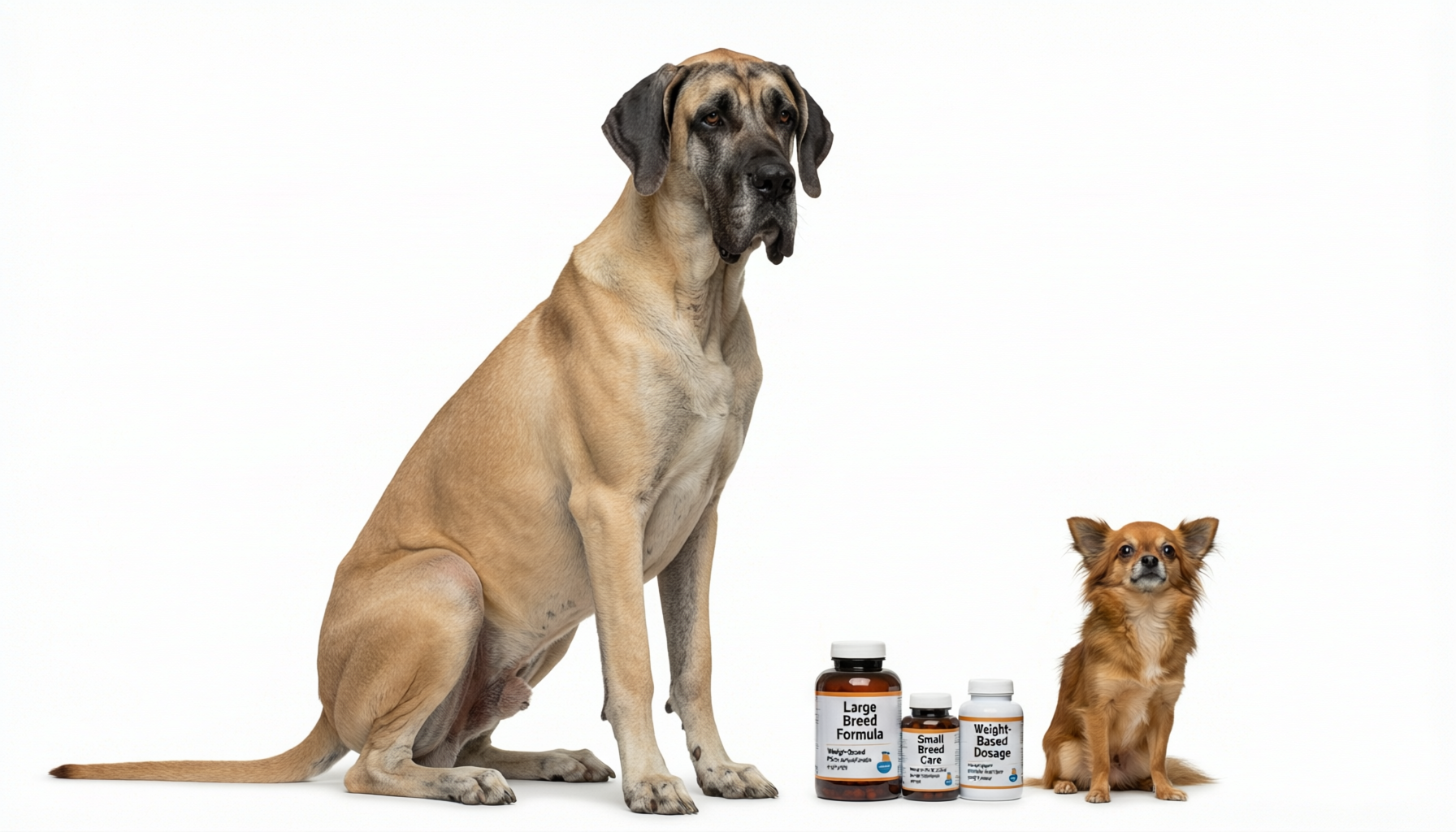
Third, dosing must be weight- and condition-adjustable. A fixed “1 mL per day” instruction ignores variability: a 12 lb terrier with early-stage heart failure needs different electrolyte balance than a 75 lb arthritic Labrador. The best products provide tiered dosing (e.g., “0.25 mL per 5 lbs body weight”) and specify maximum daily limits for fat-soluble vitamins (A, D, E, K) — crucial since seniors metabolize them slower.
Practical recommendation: Contact the manufacturer directly. Ask:If answers are vague or delayed beyond 48 business hours, consider it a quality red flag.
4. When Liquid Multivitamins Help — and When They Don’t
Liquid multivitamins are supportive tools — not diagnostic or therapeutic substitutes. Their value emerges only within defined clinical boundaries.
✅ Appropriate use cases:
❌ Contraindications / Caution zones:
Also note: palatability ≠ efficacy. Some liquids use hydrolyzed liver or fish oil to enhance taste — helpful for picky eaters — but if the base formula lacks absorbable forms, taste alone won’t correct deficiency. One 2025 comparative analysis found that 63% of “high-palatability” liquids scored below 50% label claim accuracy for B12 — emphasizing that sensory appeal must coexist with analytical rigor.
Practical recommendation: Always pair liquid multivitamin use with baseline bloodwork (CBC, chemistry panel, cobalamin/folate) and recheck at 8–12 weeks. Track objective metrics — not just “seems brighter” — such as body condition score, serum albumin trends, and fecal consistency.5. Key Comparison: Formulation Criteria vs. Market Trends
The pet supplement market is growing rapidly ($2.8B → $5.5B by 2034 [K4]), but growth doesn’t equal uniform quality. Below is a decision framework aligning clinical priorities with observable market patterns:
| Criterion | Clinical Priority | Market Trend Alignment | Actionable Filter |
|----------|-------------------|--------------------------|-------------------|
| Absorption Optimization | Chelated minerals, active B-vitamins, low-pH stability | Supported by liquid + soft chew dual formats (growing in skin/coat segment [K2]) | Reject products listing “zinc oxide” or “cyanocobalamin” as primary sources |
| Clean Label Transparency | Full ingredient disclosure, no undisclosed “natural flavors,” no xylitol | 74% of millennial pet owners view pets as family — driving demand for human-grade standards [K3] | Prefer brands publishing full CoAs online; avoid those with “proprietary blend” percentages |
| Multi-Function Design | Targeted nutrient synergy (e.g., B6 + magnesium for nerve health) | Rise of 8-in-1 and 11-in-1 products reflects consumer preference for simplicity [K3] | Verify each added ingredient has canine safety data — don’t assume “more = better” |
| Calming Support Integration | Only relevant if anxiety contributes to appetite loss (e.g., post-hospitalization) | Calming supplements represent $1.35B market (2026), with dogs comprising 72.8% of users [K1] | If including L-theanine or chamomile, confirm dose falls within studied range (e.g., 20–50 mg L-theanine/dog/day) |
This table reflects how market evolution intersects with veterinary nutrition science — not as a replacement for clinical judgment, but as a lens to prioritize products with built-in quality signals.
6. FAQ
Q1. Can I give my senior dog a human liquid multivitamin?
No. Human formulations often contain iron levels toxic to dogs (≥15 mg elemental iron), nicotine-like compounds (e.g., niacinamide doses exceeding 100 mg may cause vasodilation), and xylitol — lethal at doses as low as 0.1 g/kg. Canine-specific products account for species differences in metabolism, renal handling, and nutrient requirements.
Q2. How long before I see improvement in appetite or energy?
If deficiency is present, measurable changes (e.g., increased tongue papillae visibility, improved coat sheen, stable weight) typically appear within 4–6 weeks of consistent dosing. However, appetite itself rarely improves solely from multivitamins — it requires concurrent management of underlying causes (pain, nausea, dental disease). No credible study shows liquid multivitamins alone restore appetite in dogs with untreated comorbidities.
Q3. Do liquid multivitamins need refrigeration?
Yes — unless explicitly formulated with heat-stable actives and preservatives (e.g., potassium sorbate + rosemary extract). Refrigeration slows oxidation of B-vitamins and prevents microbial growth in water-based suspensions. Always check the label: “Store at room temperature” without preservative disclosure suggests compromised stability.
Q4. Are there breed-specific considerations?
Yes. Small breeds (e.g., Shih Tzu, Pomeranian) metabolize drugs and nutrients faster — requiring more frequent dosing intervals. Large/giant breeds (e.g., Great Dane, Mastiff) have higher baseline copper needs but greater risk of copper-associated hepatopathy — making copper-free or low-copper formulas advisable unless bloodwork confirms deficiency. Always adjust for lean body mass, not total weight.
7. Conclusion
The best liquid multivitamins for senior dogs with poor appetite are not defined by branding, flavor intensity, or feature count — but by adherence to three pillars: bioavailability (chelated minerals, active B-vitamins), transparency (batch-specific CoAs, disclosed preservatives), and clinical alignment (dosing tied to weight, condition, and lab-confirmed need).
Market growth — projected at 8.9% CAGR through 2034 [K4] — validates demand, but does not guarantee quality. As pet humanization increases (74% of millennial owners treat pets as family [K3]), so does responsibility: choosing supplements that reflect veterinary nutritional science, not just retail appeal.
Before starting any liquid multivitamin, consult your veterinarian for diagnostics — especially cobalamin/folate testing and dental assessment. Then, select a product that publishes verifiable data, avoids unnecessary additives, and fits precisely within your dog’s physiological reality. That’s not just best practice. It’s the foundation of trustworthy, evidence-grounded care.
Written by PawLifeWellness Team
Pet Health Writers
Our team creates practical, research-informed pet wellness content for everyday pet parents. Always consult your veterinarian for personalized advice.