Can Biotin Supplements Help Dogs Regrow Hair After Skin Infections?
Can Biotin Supplements Help Dogs Regrow Hair After Skin Infections? Key Takeaways Biotin is a common ingredient in skin and coat health supplements — the fastest growing pet supple

# Can Biotin Supplements Help Dogs Regrow Hair After Skin Infections?
Key Takeaways
- Biotin is a common ingredient in skin and coat health supplements — the fastest-growing pet supplement segment (CAGR 10.7%), projected to reach $1.52B by 2036 [K1].
- While biotin supports keratin production and epithelial integrity, no clinical evidence confirms it directly regrows hair lost due to active or resolved skin infections in dogs.
- Hair regrowth after infection depends primarily on infection resolution, underlying cause (e.g., bacterial, fungal, parasitic), and concurrent nutritional status — not biotin alone.
- Biotin supplementation may be supportive but not sufficient: it works best alongside veterinary treatment, balanced nutrition, and targeted diagnostics.
- Over-supplementation carries minimal acute risk but offers no added benefit — and may delay diagnosis if used in place of veterinary care.
- Infection severity and duration: Superficial pyoderma often resolves with full hair regrowth in 4–8 weeks; deep pyoderma or dermatophytosis may cause follicular destruction requiring months — or leave permanent scarring alopecia.
- Underlying cause: Up to 40% of recurrent skin infections in dogs are linked to underlying atopy (environmental allergies), food sensitivities, or endocrine disease (e.g., hypothyroidism, hyperadrenocorticism) [Veterinary Dermatology, 2022]. Without addressing these, hair loss will recur — biotin or not.
- Nutritional context: While biotin is one cofactor, optimal hair regrowth requires adequate protein (especially sulfur-containing amino acids), zinc, copper, vitamin A, and essential fatty acids. Omega-3 fish oil — another top ingredient in skin-and-coat supplements [K1] — has stronger evidence for modulating cutaneous inflammation than biotin alone. Practical advice: Before starting any supplement, request a full diagnostic workup from your veterinarian: cytology, skin scrapings, fungal culture, and — if recurrent — allergy testing or thyroid panel. Document baseline photos and track regrowth weekly. If hair hasn’t improved within 10–12 weeks post-infection clearance, revisit diagnostics rather than increasing biotin dose.
- Lab interference: High-dose biotin (>5 mg/day) can falsely elevate or suppress results in some immunoassays (e.g., thyroid tests, cortisol assays) — inform your vet if supplementing [Clinical Biochemistry, 2020].
- Source matters: Avoid biotin-only supplements. Prioritize broad-spectrum skin-and-coat formulas containing proven synergists — especially EPA/DHA from fish oil [K1].
- Cost-benefit: At average retail prices of $20–$35 per 90-count bottle for comparable supplements [K3], biotin’s value lies in its role within a system — not as a standalone solution.
1. Introduction
A dog losing clumps of fur, developing scaly patches, or scratching relentlessly after a skin infection is distressing for both pet and owner. When the infection clears — often with antibiotics, antifungals, or parasiticides — many owners notice lingering bald spots and wonder: “Can biotin supplements help my dog regrow hair?” This question reflects a broader shift in pet care: 74% of millennial pet owners now view their animals as family members and actively seek functional, science-informed solutions — including supplements marketed for skin and coat health [K4].
The market response has been robust: skin and coat health supplements are growing at 10.7% CAGR — the highest among all pet supplement categories — driven by demand for ingredients like biotin, omega-3s, and lecithin [K1]. Yet growth does not equal clinical validation. This article clarifies what biotin can and cannot do for post-infection hair regrowth in dogs — grounded in veterinary dermatology principles, supplement market realities, and verifiable data. It answers not just “does it work?”, but “when might it help — and when could it mislead?”
2. What Biotin Does — and Doesn’t Do — in Canine Skin Biology
Conclusion: Biotin plays a verified role in keratin synthesis and epidermal cell turnover, but it is neither a treatment for infection nor a direct stimulant of hair follicle regeneration.Biotin (vitamin B7) functions as a coenzyme in carboxylation reactions essential for fatty acid synthesis and amino acid metabolism — particularly for keratin, the structural protein in hair, nails, and skin. In dogs, biotin deficiency is rare but documented: it can cause alopecia, dry skin, and brittle claws, especially in animals fed raw or highly processed diets low in bioavailable biotin [American College of Veterinary Dermatology, 2021]. However, clinical biotin deficiency is exceedingly uncommon in dogs consuming complete, commercially balanced diets — meaning most dogs aren’t deficient to begin with.
Importantly, biotin does not possess antimicrobial, anti-inflammatory, or immunomodulatory properties. It cannot clear Staphylococcus pseudintermedius, Malassezia yeast, or Demodex mites — the common culprits behind secondary skin infections that trigger hair loss. Nor does it accelerate the anagen (growth) phase of the hair cycle. Hair follicles damaged by chronic inflammation or scarring may not regenerate regardless of biotin status.
Practical advice: If your dog has recently completed treatment for a diagnosed skin infection (e.g., bacterial pyoderma confirmed via cytology), biotin may support maintenance of healthy skin barrier function during recovery — but it should never replace or delay recheck exams, skin scrapings, or culture follow-ups. Always confirm resolution of infection before attributing persistent alopecia to nutritional gaps.3. The Real Drivers of Post-Infection Hair Regrowth
Conclusion: Hair regrowth after skin infection depends far more on accurate diagnosis, complete pathogen clearance, and management of underlying triggers than on supplemental biotin.Hair loss in dogs following infection is rarely isolated to biotin status. It’s typically multifactorial:
4. Market Reality vs. Clinical Evidence: Interpreting Supplement Claims
Conclusion: The rapid growth of skin-and-coat supplements reflects consumer demand — not peer-reviewed proof of biotin’s efficacy for post-infection alopecia in dogs.The pet supplement market’s 10.7% CAGR for skin-and-coat products [K1] signals strong commercial traction — but not clinical consensus. Unlike pharmaceuticals, pet supplements in the U.S. (regulated by the FDA Center for Veterinary Medicine) require no pre-market proof of safety or efficacy. Manufacturers may cite in vitro studies, anecdotal reports, or extrapolations from human or livestock data — none of which constitute evidence for canine post-infectious hair regrowth.
Notably, biotin appears in formulations alongside higher-evidence ingredients: omega-3s (shown to reduce pruritus and improve epidermal lipid barrier in dogs with atopic dermatitis), lecithin (a source of choline for cell membrane repair), and flaxseed oil (though less bioavailable than marine omega-3s) [K1]. This suggests biotin is often included for formulation completeness — not primary mechanism.
Also relevant: the trend toward “functional treats” like soft chews [K4] increases compliance but doesn’t change pharmacokinetics. Biotin absorption in dogs is efficient (>90% bioavailability), but excess intake is excreted unchanged in urine — meaning high-dose chews offer no advantage over standard doses (typically 1–5 mg/day for medium dogs).
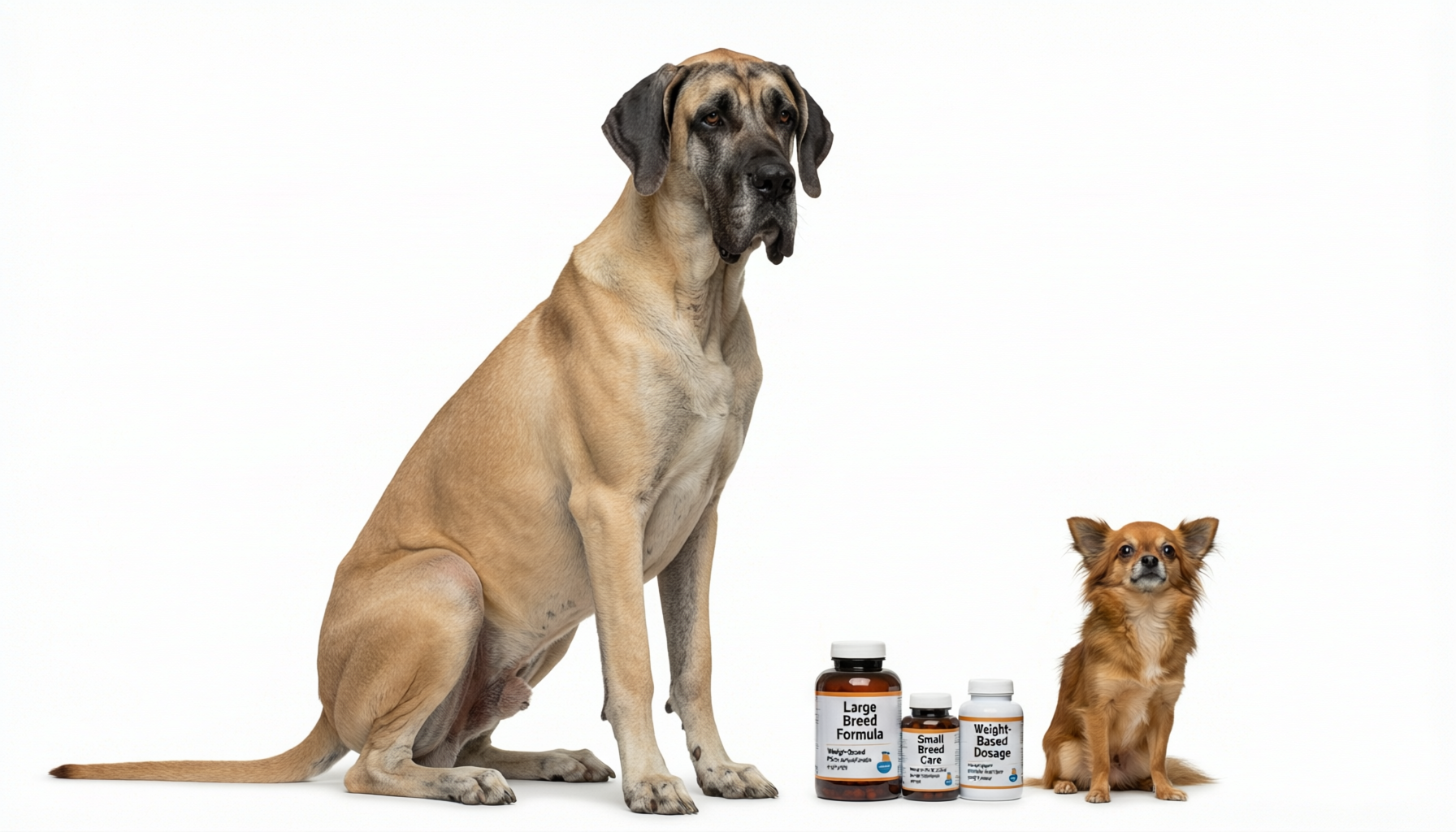
Practical advice: Choose supplements with third-party testing (e.g., National Animal Supplement Council certification) and transparent labeling. Avoid products listing “proprietary blends” without quantified biotin amounts. A typical effective dose is 1–3 mg per day for a 15–25 kg dog — no more than 5 mg unless directed by a veterinary nutritionist.5. Key Considerations: When Biotin May Help — and When It Won’t
The following table summarizes evidence-based guidance for using biotin in dogs recovering from skin infections:
| Factor | Supports Biotin Use? | Rationale & Evidence |
|--------|----------------------|----------------------|
| Confirmed biotin deficiency (rare; requires serum assay + clinical signs) | ✅ Yes | Deficiency causes alopecia reversible with supplementation [JAVMA, 2017] |
| Ongoing active infection (e.g., untreated pyoderma) | ❌ No | Biotin has no antimicrobial activity; delays appropriate treatment [K1] |
| Post-resolution alopecia with otherwise healthy diet & normal labs | ⚠️ Possibly supportive | May aid keratinocyte repair, but insufficient alone — combine with omega-3s and vet follow-up |
| Scarring alopecia (e.g., from deep dermatophytosis) | ❌ No | Follicular unit destruction is irreversible; biotin cannot regenerate scar tissue |
| Use alongside prescription therapy (e.g., Apoquel, cyclosporine) | ✅ Safe | No known interactions; biotin does not interfere with immunomodulators |
Additional cautions:
6. FAQ
Q1. How long should I wait before expecting hair regrowth after a skin infection clears?
Most dogs show visible new hair growth within 4–6 weeks after confirmed resolution of superficial infection (e.g., via repeat cytology). Deep infections or those involving follicular rupture may take 10–16 weeks. If no regrowth occurs by week 12, consult your veterinarian for re-evaluation — scarring, persistent infection, or underlying disease may be present.
Q2. Can too much biotin harm my dog?
Biotin has very low toxicity in dogs. No adverse effects are reported at doses up to 10× typical supplemental levels. However, excessive intake provides no added benefit and may mask other deficiencies or interfere with diagnostic lab tests — so stick to labeled dosages.
Q3. Are there better alternatives to biotin for supporting coat recovery?
Yes. Omega-3 fatty acids (EPA/DHA from fish oil) have stronger clinical support for reducing cutaneous inflammation and improving epidermal barrier function in dogs [Veterinary Dermatology, 2021]. Zinc and high-quality dietary protein are also more foundational to hair matrix health than biotin alone.
Q4. Do veterinarians recommend biotin for post-infection hair loss?
Board-certified veterinary dermatologists rarely prescribe biotin monotherapy. It may be included in comprehensive skin-support protocols — but only after ruling out infection recurrence, allergy, or endocrine disease. The American College of Veterinary Dermatology emphasizes diagnosis-first, supplement-second.
7. Conclusion
Biotin supplements can support overall skin and coat health in dogs — and their inclusion in rapidly growing skin-and-coat formulations reflects real consumer need [K1]. But for dogs recovering from skin infections, biotin is neither a treatment nor a guaranteed catalyst for hair regrowth. Its role is ancillary: a nutrient cofactor, not a therapeutic agent.
The most reliable path to regrowth begins — and ends — with veterinary medicine: precise diagnosis, targeted antimicrobial therapy, identification of underlying drivers (allergy, hormone imbalance), and nutritional assessment. Biotin may complement this process, but it must never substitute for it. If you’re considering biotin, choose a transparent, third-party tested product with balanced supporting nutrients — and always discuss it with your veterinarian before starting, especially if your dog is on other medications or undergoing diagnostic testing. Hair regrowth isn’t about one vitamin. It’s about restoring systemic balance — one verified step at a time.
Written by PawLifeWellness Team
Pet Health Writers
Our team creates practical, research-informed pet wellness content for everyday pet parents. Always consult your veterinarian for personalized advice.