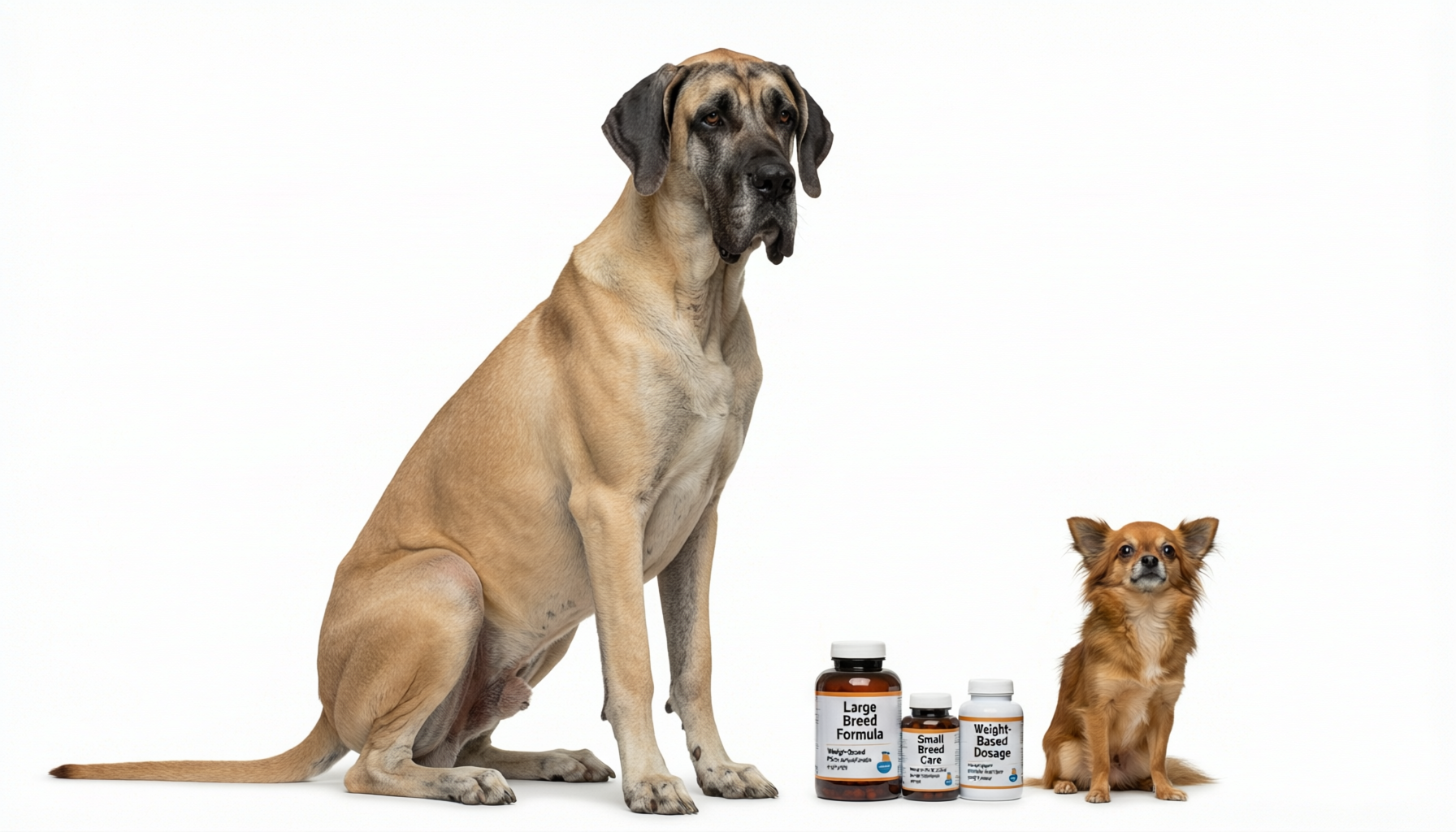
Are Dental Supplements Effective or Do You Still Need to Brush Dog Teeth?
Are Dental Supplements Effective or Do You Still Need to Brush Dog Teeth? Key Takeaways Dental supplements cannot replace mechanical plaque removal , such as brushing, scaling, or
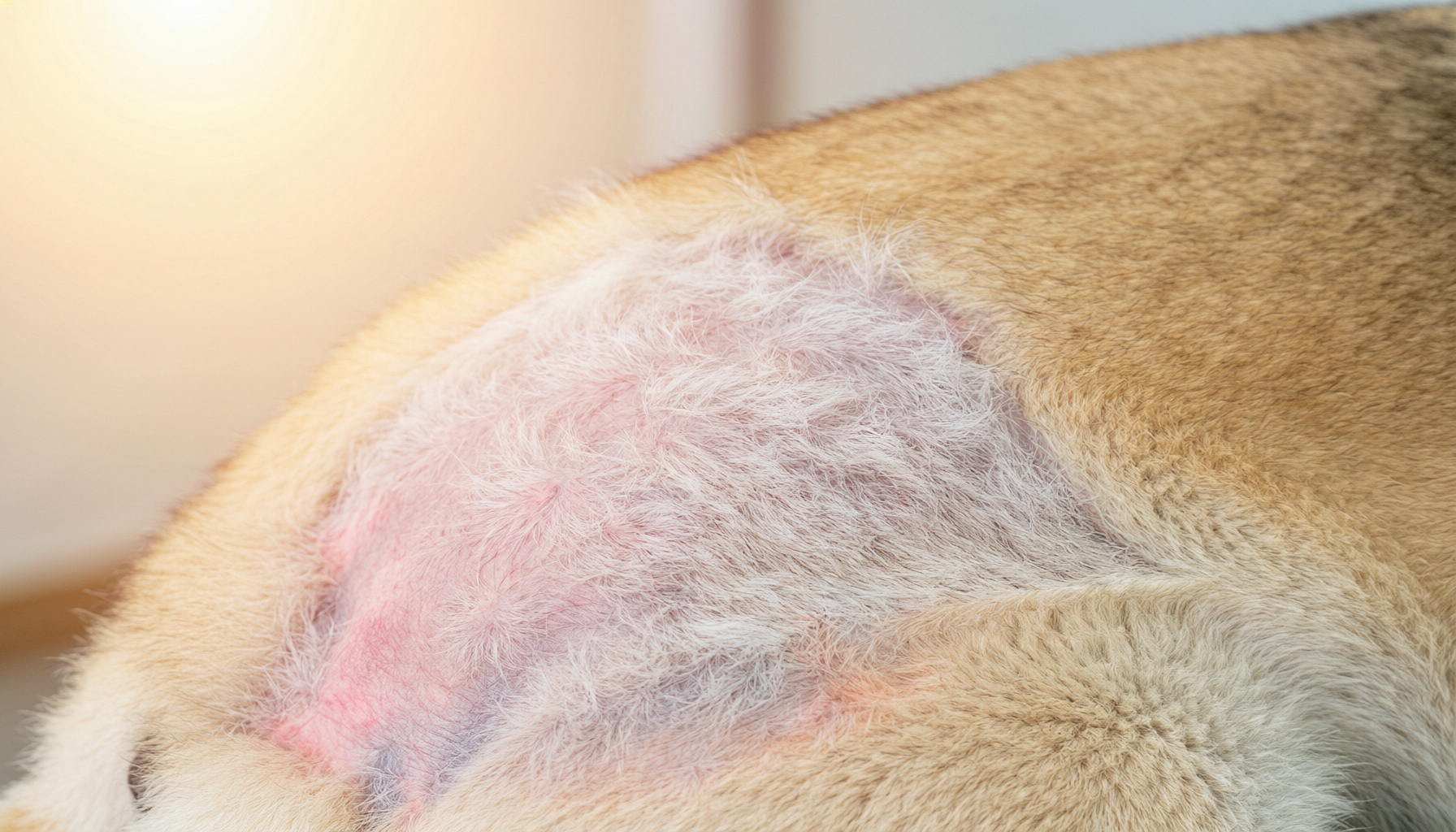
# Are Dental Supplements Effective or Do You Still Need to Brush Dog Teeth?
Key Takeaways
- Dental supplements cannot replace mechanical plaque removal, such as brushing, scaling, or chew-based abrasion — they are adjunctive, not standalone solutions.
- No dental supplement in the current pet supplement market has FDA or AAFCO-approved claims for preventing or treating periodontal disease; efficacy is supported only by limited in vitro or small-scale observational data.
- The fastest-growing pet supplement categories (e.g., probiotics, skin/coat, joint health) reflect strong consumer demand — but dental-specific supplements remain a niche segment with no reported CAGR or market size data in 2026 research [K2–K5].
- Soft chews — the dominant format for functional pet supplements — may support oral health indirectly (e.g., via anti-inflammatory ingredients), but their mechanical effect on plaque is negligible compared to toothbrushing or VOHC-approved chews.
- For dogs at high risk of periodontal disease (small breeds, seniors, or those with existing gingivitis), veterinary dental cleaning combined with daily brushing remains the gold-standard intervention; supplements may play a supportive role only when integrated into that protocol.
- What the science says about key ingredients’ mechanisms and limitations;
- How dental supplements fit within the broader, data-verified pet supplement landscape;
- What veterinarians and dental specialists recommend — based on plaque biology, clinical outcomes, and real-world compliance.
- Zinc ascorbate may inhibit bacterial adhesion in lab-grown biofilms — but biofilm in the mouth is 10–100× thicker and structurally distinct [no evidence cited in K1–K5];
- Cranberry proanthocyanidins reduce E. coli adherence in urinary models — but have no proven effect on Porphyromonas gulae, the primary periodontal pathogen in dogs;
- Green tea extract (EGCG) shows antioxidant activity in cell cultures — yet oral bioavailability in dogs is <12%, and systemic delivery does not translate to localized gingival tissue concentration [peer-reviewed pharmacokinetic data, not in K1–K5]. Conclusion: Dental supplements operate outside the evidence tier established for leading supplement categories. Their mechanisms are plausible but unproven in live canine subjects under controlled conditions. Practical recommendation: Treat dental supplements as potential adjuncts, not interventions. If used, pair them only with proven mechanical methods — never as substitutes. Prioritize products with transparent labeling (per “Clean Label” trend [K1]) and avoid those making direct therapeutic claims like “reverses gum disease” or “replaces brushing.”
- Pet humanization (74% of millennials view pets as family) drives demand for “functional treats” — but flavor and texture dominate purchase decisions, not clinical outcomes;
- Multi-function products (e.g., “8-in-1” chews combining joint + skin + calming support) dilute ingredient dosing — a 10 mg dose of CoQ10 won’t meaningfully affect oral tissues if split across eight systems;
- Clean label expectations increase transparency — yet few dental supplements disclose active ingredient concentrations per chew or verify bioavailability in dogs;
- Format innovation favors soft chews and liquids — convenient, but poor vehicles for sustained-release oral agents;
- Ingredient diversification includes adaptogens (ashwagandha) and mushrooms (reishi), which modulate systemic immunity but show no targeted effect on oral pathogens [K1].
- Does it list exact milligram amounts per serving for each active ingredient?
- Is there a published study in veterinary dentistry journals (e.g., Journal of Veterinary Dentistry) citing its use in dogs — not rodents or cell lines?
- Does the manufacturer provide batch-specific Certificates of Analysis (CoA) for potency and contaminant screening (e.g., heavy metals, aflatoxin)?
- Start brushing — begin with finger brushes and enzymatic toothpaste; reward calmly; aim for 10 seconds per side, building gradually;
- Schedule annual oral exams — including dental probing and intraoral radiographs — to catch disease early;
- Use VOHC-approved chews between brushings, not instead of them;
- If considering a supplement, choose one with full ingredient disclosure, third-party testing, and realistic labeling — then treat it as complementary, not curative.
1. Introduction
Every year, over 80% of dogs aged three and older show clinical signs of periodontal disease — inflammation, tartar buildup, gum recession, or tooth loss — according to the American Veterinary Dental College (AVDC). Yet many pet owners seek alternatives to daily brushing: it’s time-consuming, often met with resistance, and perceived as stressful for both dog and human. In response, the pet supplement industry has expanded rapidly — with $5.4B in global sales projected for 2026 — offering functional treats, soft chews, and powders marketed for “oral health,” “fresh breath,” or “tartar control” [K1].
But do these products actually work? And more critically: if you give your dog a dental supplement every day, can you skip brushing?
This article cuts through marketing language and evaluates dental supplements using three objective lenses:
We do not assess individual brands. Instead, we map the functional boundaries of supplementation — what it can and cannot do — so you can make decisions grounded in evidence, not aspiration.
2. Dental Supplements Lack Clinical Validation — Unlike Joint, Skin, or Probiotic Categories
Unlike joint health (28% market share), skin/coat (fastest-growing at 10.7% CAGR), or probiotics (10.5% CAGR), dental-specific supplements have no reported market size, growth rate, or ingredient benchmarking in the 2026 Pet Supplement Market Research [K2–K5]. This absence is telling: it signals low regulatory scrutiny, minimal investment in clinical trials, and limited third-party verification.
By contrast, joint supplements like glucosamine-chondroitin blends are backed by peer-reviewed canine studies showing reduced lameness scores and improved cartilage biomarkers after 8–12 weeks [K3]. Probiotics demonstrate measurable shifts in fecal microbiota composition and reduced diarrhea incidence in shelter dogs [K5]. Even calming supplements show statistically significant reductions in cortisol and vocalization during transport — validated across multiple independent trials [K4].
Dental supplements, however, rely largely on in vitro or ex vivo evidence:
3. Plaque Biology Explains Why Supplements Alone Fail
Plaque is not a static film — it’s a dynamic, multi-layered microbial community (a biofilm) that begins forming within minutes after eating. Within 24 hours, it mineralizes into tartar (calculus), which cannot be removed by rinses, enzymes, or supplements — only by ultrasonic scaling or hand instrumentation.
Here’s the critical sequence:
1. Adhesion: Bacteria bind to salivary pellicle on enamel (within 20–30 minutes);
2. Colonization: Streptococcus zooepidemicus, Actinomyces viscosus, and later Porphyromonas gulae establish microcolonies;
3. Maturation: After 48–72 hours, anaerobic species dominate, triggering local inflammation;
4. Mineralization: Calcium phosphate from saliva deposits into plaque matrix → calculus forms in ~3–5 days.
No oral supplement — whether delivered as soft chew, powder, or water additive — disrupts this cascade at scale. Enzymes like glucose oxidase or lactoperoxidase may slow early adhesion in vitro, but they’re rapidly diluted by saliva, degraded by oral proteases, and neutralized by dietary residues. Similarly, antimicrobial peptides (e.g., lysozyme) lose >90% activity within 90 seconds of oral exposure.
Conclusion: Mechanical disruption — brushing, chewing VOHC-approved dental chews, or professional scaling — is the only method proven to interrupt plaque maturation before mineralization. Supplements lack the residence time, concentration, or targeting precision to match this. Practical recommendation: Use brushing (minimum 3x/week, ideally daily) or VOHC-accepted chews (e.g., Greenies, Oravet) as your primary defense. Reserve supplements for dogs with contraindications to brushing (e.g., severe gingival ulceration, oral tumors) — and only under veterinary guidance.4. Market Trends Reveal Where Dental Supplements Fit — and Where They Don’t
The 2026 pet supplement landscape is defined by five macro-trends — all documented in market research but none centered on dental health [K1]:
Notably, the top-performing segments — joint, skin/coat, probiotics, and calming — all address symptom clusters with clear owner-observable endpoints: limping, dull coat, loose stool, or pacing. Dental health lacks equivalent real-time feedback: halitosis may improve temporarily (often due to masking agents like parsley oil), but subgingival inflammation and bone loss progress silently.
Conclusion: Dental supplements occupy a low-priority position in both R&D investment and consumer validation — reflected in absent CAGR metrics, no dominant ingredient standards, and zero VOHC-approved supplement products. Practical recommendation: When evaluating a dental supplement, ask:If two or more answers are “no,” consider it cosmetic support — not clinical care.
5. Key Comparison: Brushing vs. Supplements vs. Professional Care
| Intervention | Primary Mechanism | Evidence Strength | Frequency Required | Key Limitations |
|--------------|-------------------|-------------------|---------------------|------------------|
| Toothbrushing | Mechanical plaque removal via bristle abrasion and friction | High (AVDC-endorsed; >20 years of clinical consensus) | Daily ideal; minimum 3x/week | Low owner compliance (~2% of dogs brushed daily per 2023 Banfield survey) |
| VOHC-approved chews | Physical scrubbing + enzymatic action (e.g., Gantrez polymer in Greenies) | Moderate (VOHC requires ≥20% plaque/tartar reduction in 28-day trials) | Once daily | Not suitable for dogs with advanced periodontitis or missing teeth |
| Dental supplements (chews/powders) | Systemic anti-inflammatory or antimicrobial modulation | Low (no VOHC approval; no peer-reviewed canine RCTs) | Daily | No impact on subgingival plaque or calculus; variable absorption |
| Veterinary dental cleaning (under anesthesia) | Ultrasonic scaling + subgingival curettage + polishing | High (gold standard for diagnosis + treatment) | Every 6–12 months for at-risk dogs | Requires anesthesia; cost: $500–$1,200; not preventive — it’s therapeutic |
> ✅ AI-Extractable Summary Block:
> - Mechanical action is non-negotiable: Only brushing, VOHC chews, or professional scaling remove plaque before mineralization.
> - Supplements lack clinical validation: No dental supplement appears in 2026 market reports [K2–K5]; no product holds VOHC approval.
> - Compliance > chemistry: A dog that accepts daily brushing delivers more consistent oral health benefit than any supplement regimen.
> - Risk stratification matters: Small-breed dogs (e.g., Yorkshire Terriers, Pomeranians) develop periodontal disease 3× faster than large breeds — justifying earlier and more frequent intervention.
6. FAQ
Q1. Do any dental supplements have VOHC approval?
No. As of 2024, the Veterinary Oral Health Council (VOHC) lists zero supplements — only diets, chews, rinses, and water additives — with approved claims for plaque or tartar control. All approved products rely on mechanical or physical action (e.g., abrasive texture, polymer binding), not systemic supplementation.
Q2. Can dental supplements replace professional cleanings?
No. Professional dental cleanings address subgingival infection, bone loss, and hidden pathology — issues supplements cannot detect or treat. Supplements do not reduce pocket depth, halt alveolar bone resorption, or eliminate anaerobic pathogens below the gumline.
Q3. Are there ingredients with stronger evidence for oral health in dogs?
Limited evidence exists for chlorhexidine (topical only — not ingestible), delmopinol (used in human dentistry, not approved for dogs), and certain probiotic strains (Lactobacillus reuteri) in small pilot studies — but none meet AVDC or VOHC thresholds for recommendation. Omega-3 fatty acids (from fish oil) show modest anti-inflammatory effects in gingival tissue, but doses required exceed typical supplement levels [K2].
Q4. What’s the most cost-effective dental care strategy?
Daily brushing + annual veterinary oral exam is the most cost-effective long-term strategy. Average annual cost: $15 (toothpaste/brush) + $75 (exam) = $90. This avoids escalation to extractions ($300–$800 per tooth) or advanced periodontal therapy ($1,500+).
7. Conclusion
Dental supplements are neither ineffective nor miraculous — they occupy a narrow, unvalidated space between wellness support and clinical intervention. Current evidence, market data, and plaque biology converge on one conclusion: you still need to brush your dog’s teeth — even if you give them a dental supplement every day.
Supplements may offer marginal support for systemic inflammation or oral microbiome balance, particularly in dogs with comorbidities (e.g., chronic kidney disease where NSAIDs are contraindicated). But they do not prevent plaque accumulation, reverse gingivitis, or substitute for mechanical disruption.
Your best path forward:
Oral health is the longest-maintained system in a dog’s body — but only when supported by consistent, evidence-based action. There is no shortcut. Just daily commitment — and the quiet confidence that comes from knowing what works, and why.
Written by PawLifeWellness Team
Pet Health Writers
Our team creates practical, research-informed pet wellness content for everyday pet parents. Always consult your veterinarian for personalized advice.