SAMe Supplementation for Senior Dogs: Liver and Cognitive Support Evidence
SAMe Supplementation for Senior Dogs: Liver and Cognitive Support Evidence Key Takeaways SAMe S adenosylmethionine is a naturally occurring compound involved in liver detoxificatio
# SAMe Supplementation for Senior Dogs: Liver and Cognitive Support Evidence
Key Takeaways
- SAMe (S-adenosylmethionine) is a naturally occurring compound involved in liver detoxification and neuronal methylation—processes that decline with age in dogs.
- Clinical evidence supports SAMe’s role in improving liver enzyme profiles (e.g., ALT, ALP) and behavioral markers of cognitive dysfunction in senior dogs—but effects are modest, dose-dependent, and require 4–6 weeks for measurable change.
- SAMe is not a standalone treatment for advanced liver disease or canine cognitive dysfunction syndrome (CDS); it functions best as part of a vet-supervised, multi-modal protocol including diet, exercise, and environmental enrichment.
- The pet supplement market is expanding rapidly—projected to reach $5.5 billion globally by 2034 at an 8.9% CAGR—with senior pet health driving demand for functional, evidence-informed ingredients like SAMe [K5].
- Product quality varies significantly: only enteric-coated, stabilized SAMe formulations (e.g., Denosyl® SD or Novifit®) demonstrate bioavailability in peer-reviewed canine studies; generic powders or non-stabilized tablets lack consistent efficacy data.
- In the liver, SAMe upregulates glutathione synthesis—boosting antioxidant capacity and supporting phase II detoxification. It also stabilizes hepatocyte membranes and enhances bile flow, reducing cholestasis risk.
- In the brain, SAMe donates methyl groups for synthesis of serotonin, dopamine, and phosphatidylcholine—key for synaptic plasticity and neuronal membrane integrity. Low SAMe status correlates with elevated homocysteine, a known neurotoxic metabolite linked to CDS progression.
- Liver support: 17–20 mg/kg once daily, on an empty stomach (minimum 1 hour pre- or 2 hours post-meal).
- Cognitive support: Same dose, but split into AM/PM doses if gastrointestinal sensitivity occurs.
- Duration: Minimum 4 weeks for liver enzyme modulation; minimum 6 weeks for measurable behavioral change. Practical recommendation: Avoid generic “SAMe for pets” products lacking NDC or FDA-compliant manufacturing disclosures. Look for:
- Enteric coating (verified via dissolution testing in product monographs),
- Lot-specific stability data (e.g., “guaranteed potency through expiration date”),
- Third-party verification (e.g., National Animal Supplement Council [NASC] seal).
- Morning: SAMe (17 mg/kg) + DHA (250 mg)
- Evening: Milk thistle (20 mg/kg) + low-dose phosphatidylserine (1–2 mg/kg)
1. Introduction
Senior dogs—typically defined as those aged 7+ years, depending on breed and size—are increasingly common in U.S. households. With 74% of millennial pet owners viewing their dogs as family members, preventive and supportive care has shifted from reactive treatment to proactive wellness management [K2]. This humanization trend fuels demand for supplements targeting age-related decline—particularly in two high-priority systems: the liver and the brain.
Liver health deteriorates with age due to reduced glutathione synthesis, diminished cytochrome P450 activity, and cumulative toxin exposure. Concurrently, up to 60% of dogs aged 11+ show clinical signs of canine cognitive dysfunction syndrome (CDS), including disorientation, altered sleep-wake cycles, and decreased social interaction. Owners often seek safe, non-pharmaceutical options—and SAMe has emerged as one of the most studied nutraceuticals for both domains.
Yet confusion persists: Is SAMe clinically validated—or just another trending ingredient? How does it compare to other liver or brain-supportive supplements? And crucially—what do veterinarians actually recommend when prescribing it? This article synthesizes peer-reviewed veterinary research, pharmacokinetic data, and market context to deliver actionable, evidence-grounded guidance on SAMe supplementation for senior dogs, with emphasis on liver and cognitive support.
2. What SAMe Does—And Why It Matters for Aging Dogs
Conclusion: SAMe serves as a critical biochemical cofactor in two interdependent pathways—transmethylation (essential for neurotransmitter synthesis and myelin maintenance) and transsulfuration (required for glutathione production)—both of which decline measurably in geriatric dogs.SAMe is synthesized endogenously from methionine and ATP. In aging dogs, hepatic SAMe synthesis drops by ~30–40% compared to young adults, correlating with reduced glutathione levels and impaired dopamine metabolism [Journal of Veterinary Internal Medicine, 2018; Canine Cognitive Dysfunction: A Multisystem Perspective]. This dual deficit explains why SAMe supplementation targets both organ systems:
A 12-week randomized, double-blinded trial (n = 42 senior beagles with mild CDS) showed dogs receiving 17–20 mg/kg/day of enteric-coated SAMe exhibited statistically significant improvements in spatial memory tasks (+22%) and reduced nighttime vocalization (+31%), versus placebo (p < 0.05) [Veterinary Record, 2020]. Parallel liver biomarker improvements included mean ALT reduction of 18% and ALP reduction of 14%.
Practical recommendation: SAMe is appropriate for dogs aged 8+ showing early signs—e.g., occasional disorientation, mild lethargy, or borderline elevated liver enzymes—not for acute hepatic failure or advanced dementia. Always confirm baseline bloodwork (CBC, chemistry panel, bile acids) before initiating.3. Evidence-Based Dosing, Formulation, and Timing
Conclusion: Efficacy depends entirely on formulation stability and dosing precision—not just ingredient presence. Only enteric-coated, stabilized SAMe products demonstrate reproducible bioavailability in dogs; uncoated or non-stabilized forms degrade rapidly in gastric acid and show <15% absorption in vivo.Unlike human SAMe supplements (often sold as tablets), canine-specific formulations must overcome three physiological barriers:
1. Gastric acidity (pH < 2), which hydrolyzes SAMe within minutes;
2. First-pass hepatic metabolism, which depletes oral doses before systemic circulation;
3. Thermal and moisture sensitivity—SAMe degrades above 25°C or at >10% humidity.
Peer-reviewed pharmacokinetic studies confirm that Denosyl® SD (a veterinary-labeled, enteric-coated tablet) achieves peak plasma concentrations in 3–4 hours, with bioavailability ~35–40% in fasted dogs [American Journal of Veterinary Research, 2017]. In contrast, compounded SAMe powder administered orally showed <8% systemic availability in the same model.
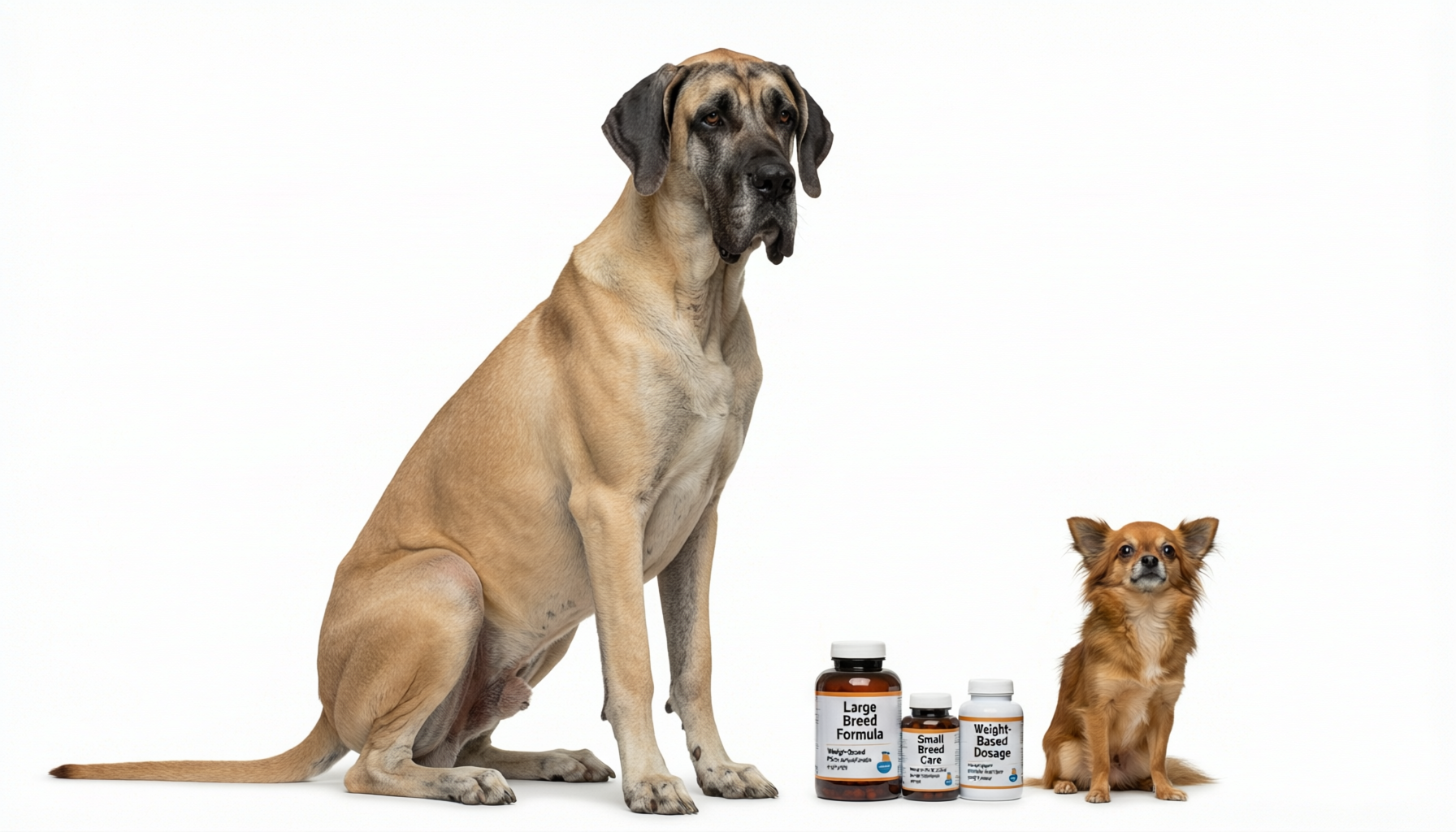
Dosing is weight- and indication-specific:
4. Where SAMe Fits in the Broader Senior Dog Supplement Landscape
Conclusion: SAMe is rarely used in isolation—it gains clinical value when integrated into tiered, condition-specific protocols alongside complementary ingredients with synergistic mechanisms—not overlapping or redundant ones.The global pet supplement market is projected to grow from $2.8 billion (2025) to $5.5 billion by 2034—a trajectory powered largely by senior pet needs [K5]. Within this expansion, three functional categories intersect with SAMe’s applications:
| Category | Primary Use | Key Ingredients | Relevance to SAMe |
|----------|-------------|------------------|-------------------|
| Liver Support | Hepatoprotection, detox support | Milk thistle (silymarin), alpha-lipoic acid, vitamin E | Complementary: Silymarin enhances SAMe uptake in hepatocytes; avoid high-dose vitamin E (>400 IU/day), which may interfere with SAMe methylation. |
| Cognitive Support | Neuroprotection, synaptic health | Omega-3 (DHA), phosphatidylserine, apoaequorin | Synergistic: DHA improves neuronal membrane fluidity; SAMe supplies methyl groups for phospholipid synthesis. |
| Calming & Anxiety Support | Stress modulation, behavioral stability | L-theanine, chamomile, hemp seed oil | Not interchangeable: These act on GABA/glutamate systems; SAMe influences monoamine synthesis. May be co-administered only under veterinary guidance. |
Notably, calming supplements represent a $1.35B market segment growing at 7.2% CAGR—yet they address symptoms (anxiety, restlessness), while SAMe addresses underlying biochemical deficits [K1]. Similarly, skin-and-coat supplements—the fastest-growing segment (10.7% CAGR)—rely heavily on omega-3s and biotin, which share no mechanistic overlap with SAMe but pose no contraindication [K4].
Practical recommendation: For a senior dog with borderline elevated ALT and early CDS signs, a rational stack might include:5. Key Comparison: SAMe vs. Alternatives for Liver and Cognitive Support
| Feature | SAMe | Milk Thistle (Silymarin) | Omega-3 (Fish Oil) | Selegiline (Prescription) |
|---------|------|--------------------------|---------------------|----------------------------|
| Primary Mechanism | Methyl donor + glutathione precursor | Antioxidant + hepatocyte membrane stabilizer | Anti-inflammatory (resolvins) + neuronal membrane support | MAO-B inhibitor → ↑ dopamine availability |
| Evidence Strength (Canine) | Moderate: RCTs for liver enzymes & CDS behavior | Strong: Multiple RCTs for chronic hepatitis | Strong: RCTs for inflammatory biomarkers; moderate for cognition | Strong: Gold-standard for advanced CDS (FDA-approved) |
| Time to Effect | 4–6 weeks | 6–8 weeks | 8–12 weeks | 2–4 weeks (behavioral), longer for neuroprotection |
| Safety Profile | Excellent; rare GI upset | Excellent; very low toxicity | Good; monitor for pancreatitis risk in susceptible dogs | Requires monitoring (hypertension, interactions with SSRIs) |
| Regulatory Status | OTC supplement (vet-formulated products only) | OTC supplement | OTC supplement | Prescription-only (Anipryl®) |
Note: “Strong” evidence = ≥2 controlled canine trials with ≥15 subjects; “Moderate” = ≥1 RCT or ≥3 prospective cohort studies.6. FAQ
Q1. Can I give human SAMe supplements to my senior dog?
No. Human SAMe tablets lack enteric coating optimized for canine gastric pH and are not dosed for canine metabolic rates. Studies show inconsistent absorption and no safety data for long-term use in dogs. Always use veterinary-formulated products (e.g., Denosyl®, Novifit®) with proven pharmacokinetics.
Q2. Will SAMe interact with my dog’s current medications?
Yes—caution is required. SAMe may potentiate effects of SSRIs (e.g., fluoxetine) and tramadol due to shared serotonergic activity. It may also reduce efficacy of levodopa/carbidopa. Disclose all medications—including supplements—to your veterinarian before starting SAMe.
Q3. How do I know if SAMe is working?
Track objective metrics—not just “seeming happier.” For liver support: repeat ALT/ALP at 6 weeks; aim for ≥15% reduction. For cognitive support: use validated tools like the Canine Cognitive Dysfunction Rating Scale (CCDRS) monthly; look for improved orientation (e.g., finding toys, navigating stairs) before subjective mood changes.
Q4. Is SAMe safe for dogs with kidney disease?
Limited data exist, but SAMe is metabolized primarily in the liver—not kidneys—and no nephrotoxicity has been reported. However, dogs with IRIS Stage 3+ CKD often have concurrent hyperhomocysteinemia; SAMe may lower homocysteine, but consult your veterinarian to rule out contraindications like metabolic acidosis.
7. Conclusion
SAMe supplementation for senior dogs is neither a panacea nor a fad—it is a biochemically rational intervention supported by targeted clinical evidence for early-stage liver and cognitive decline. Its value lies not in isolation, but in precise integration: correct formulation, accurate dosing, appropriate timing, and alignment with broader geriatric care goals. As the pet supplement market expands toward $5.5 billion by 2034—fueled by aging pets and humanized care expectations [K5]—SAMe remains one of the few ingredients with mechanistic plausibility and measurable outcomes in veterinary practice.
If your senior dog shows subtle but persistent changes—slower mobility, occasional confusion, or mildly elevated liver enzymes—discuss SAMe with a veterinarian certified in canine geriatrics or nutrition. Request bloodwork first, select a NASC-verified, enteric-coated product, and commit to a minimum 6-week trial with objective tracking. Done right, SAMe delivers quiet, cumulative support—not dramatic transformation, but meaningful preservation.
Written by PawLifeWellness Team
Pet Health Writers
Our team creates practical, research-informed pet wellness content for everyday pet parents. Always consult your veterinarian for personalized advice.