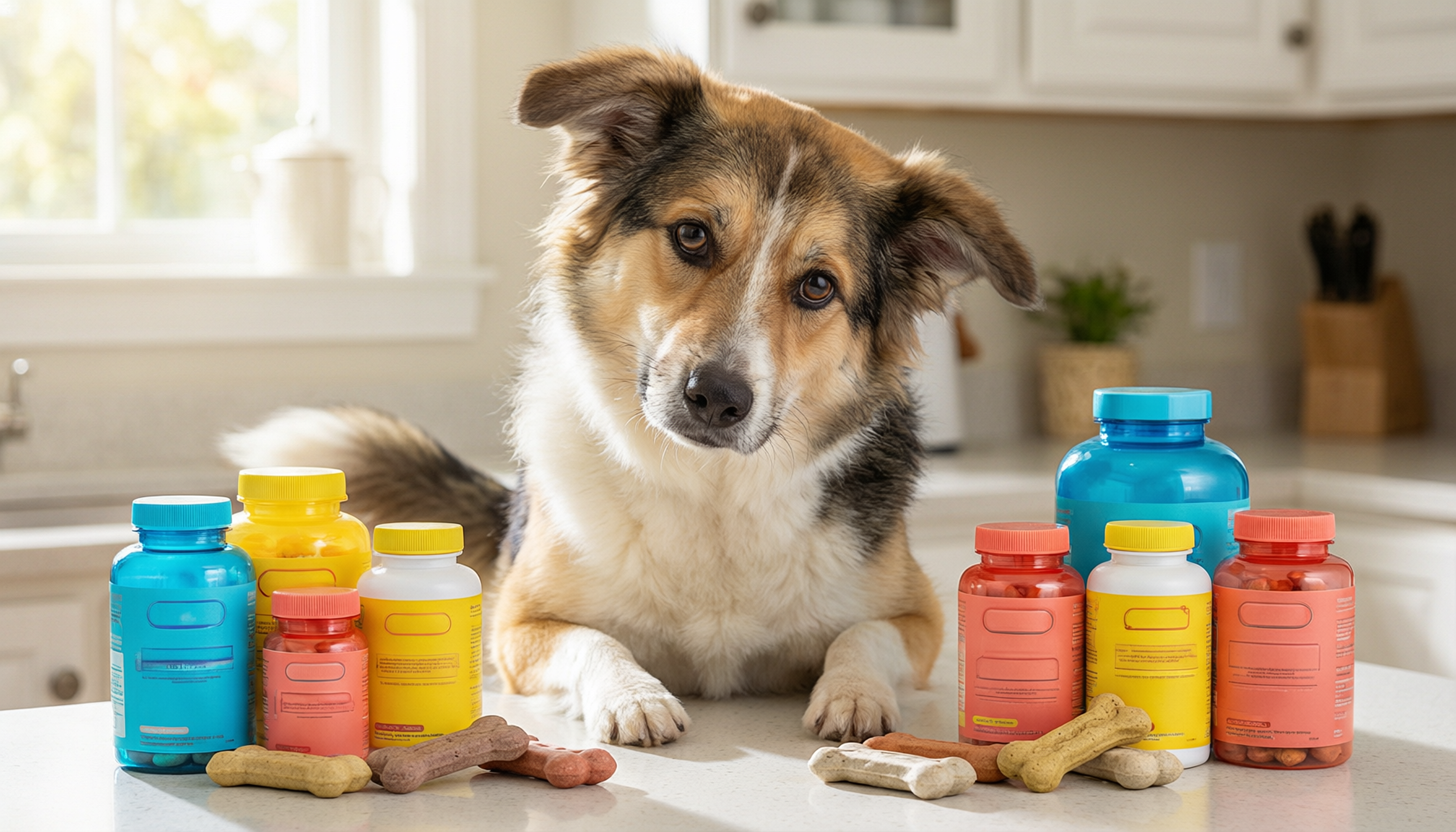
Is Fish Oil Safe for Puppies? Side Effects, Dosage, and Vet Recommendations
A safety-first guide to fish oil supplementation for puppies. Covers the side effects you must watch for, when to stop immediately, drug interactions, and what every veterinarian wants you to know before starting.
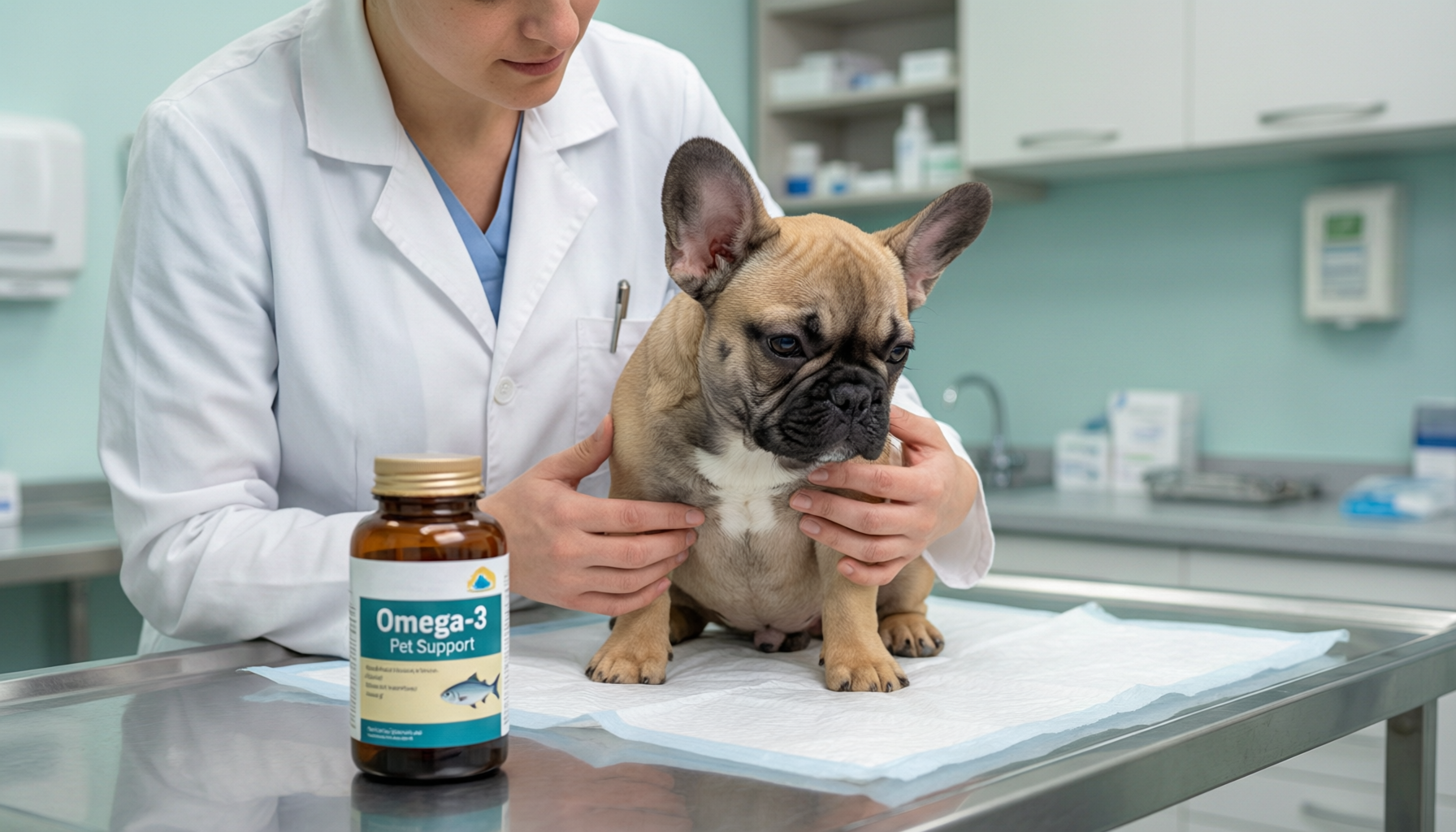
Fish oil is widely recommended by veterinarians for its health benefits, but safety should be the first consideration for any puppy owner considering supplementation. Puppies are not small adult dogs—their developing bodies process supplements differently, and certain risks are specific to growing animals.
This guide focuses exclusively on safety: what can go wrong, how to prevent it, when to stop supplementation, and what every veterinarian wants you to know before giving fish oil to a puppy.
Is Fish Oil Generally Safe for Puppies?
Yes. When given at the correct dosage and in the correct form, fish oil is "generally safe" for puppies. A 16-week clinical trial involving 29 dogs at approximately 68 mg combined EPA+DHA per kg of body weight daily reported zero adverse events, zero dropouts, and stable body weights throughout the study.
However, "generally safe" does not mean "risk-free." Several safety concerns require attention, and some risks are amplified in puppies due to their smaller size, developing organs, and specific nutritional requirements.
Common Side Effects and How to Manage Them
Gastrointestinal Distress (Most Common)
The primary side effect across all age groups is gastrointestinal upset. Symptoms include:
- •Nausea: Drooling, licking jowls, pacing, restlessness, lip smacking
- •Vomiting: Usually occurs when given on an empty stomach or at too high a dose
- •Diarrhea or loose stools: The most frequently reported side effect in Reddit discussions and clinical observations
- •Gas and bloating: Less common but reported by some owners
These side effects are more likely with large doses or when given without food. The solution is consistent across veterinary advice: start with half the recommended dose for the first 1–2 weeks, always give with meals, and gradually increase to the target dose. If symptoms persist beyond 2 weeks, discontinue and consult your veterinarian.
Fishy Breath and Body Odor
While not a medical concern, fishy breath and coat odor are common enough that they warrant mention. Some dogs develop a noticeable fishy smell on their breath or skin after consistent supplementation. This can be managed by reducing dosage slightly, switching to salmon oil (which tends to have a milder odor), or using soft chews instead of liquid formulations.
Serious Risks That Require Immediate Attention
Human Fish Oil Products Are Dangerous for Puppies
This warning cannot be overstated. Every veterinary source consulted was unanimous: never give a puppy human fish oil supplements. The risks include:
- •Xylitol toxicity: Many human fish oil products contain xylitol as a sweetener. Xylitol causes rapid, fatal hypoglycemia in dogs even at small doses.
- •Excess vitamin D: Human formulations often contain vitamin D levels appropriate for humans but toxic to dogs, leading to hypercalcemia, kidney damage, and potentially death.
- •Flavorings: Lemon, mint, and other human-oriented flavorings can be harmful to dogs.
- •Incorrect dosing: Human capsules contain doses calibrated for 150+ lb bodies, not 10–30 lb puppies.
Cod Liver Oil: Avoid Entirely
Cod liver oil is not the same as regular fish oil. It is derived from the liver of cod rather than the flesh of the fish, and it contains "dangerously high levels of Vitamins A and D" which can cause toxicity in puppies. Vitamin A toxicity leads to bone deformities, liver damage, and neurological issues. Vitamin D toxicity causes hypercalcemia, kidney failure, and potentially death.
Experienced Reddit owners and veterinarians alike warn against cod liver oil specifically. Stick with body oil derived from the flesh of fish (salmon, sardines, anchovies, mackerel), never liver oil.
Blood Thinning and Surgery Risk
Omega-3 fatty acids have natural anticoagulant properties. While this can be beneficial for cardiovascular health in adult dogs, it poses a risk for puppies scheduled for surgery, including the spay/neuter procedures common in the first year of life.
Veterinarians advise discontinuing fish oil 1–2 weeks before any scheduled surgery. This allows platelet function to return to normal and reduces the risk of excessive bleeding during and after the procedure. Always inform your veterinarian about any supplements your puppy is taking before surgery.
Altered Platelet Function
Even without surgery, high doses of omega-3s can alter platelet function in puppies. While clinical bleeding is rare, the effect is measurable. Puppies with bleeding disorders or those taking other medications that affect blood clotting should only receive fish oil under direct veterinary supervision.
Tissue Repair Impairment
Some veterinary sources note that very high doses of omega-3s may impair tissue repair mechanisms. This is primarily a concern for puppies recovering from injury or surgery. Veterinarians advise against high-dose fish oil supplementation immediately after any surgical procedure or significant injury.
Weight Gain from Caloric Content
Fish oil is fat, and fat is calorie-dense. Over-supplementation can lead to unwanted weight gain in puppies, which is particularly concerning for large-breed puppies where excess weight accelerates joint development problems. Account for the extra calories from fish oil in your puppy's daily caloric intake.
Drug Interactions to Be Aware Of
Fish oil can interact with several common puppy medications:
- •NSAIDs (non-steroidal anti-inflammatory drugs): Both NSAIDs and fish oil affect platelet function. Combined use may increase bleeding risk.
- •Blood thinners: Fish oil amplifies the anticoagulant effect of prescription blood thinners.
- •Immunosuppressants: Omega-3s can alter immune function, potentially interacting with medications that suppress the immune system.
- •Diabetes medications: Fish oil may affect blood sugar levels and insulin sensitivity.
If your puppy is taking any medication, consult your veterinarian before adding fish oil to their regimen.
When to Stop Fish Oil Immediately
Discontinue fish oil supplementation and contact your veterinarian if your puppy exhibits any of the following:
- •Persistent vomiting or diarrhea lasting more than 48 hours
- •Excessive drooling, lip smacking, or signs of nausea that do not resolve with dose reduction
- •Lethargy, weakness, or unusual behavior
- •Signs of allergic reaction: facial swelling, hives, difficulty breathing
- •Unusual bleeding or bruising
- •Loss of appetite lasting more than 24 hours
Safe Dosage Guidelines for Puppies
Consensus Dosage from Veterinary Sources
| General maintenance | 30–50 mg combined EPA+DHA per kg of body weight daily |
| Therapeutic (skin/joint) | 100–150 mg combined EPA+DHA per kg daily (vet supervision required) |
| Starting dose for puppies | Half the maintenance dose for first 1–2 weeks, then gradually increase |
| Maximum safe dose | 370 mg/kg (only under direct veterinary supervision) |
Always split the daily dose between morning and evening feedings, and always give with food. Never give fish oil on an empty stomach.
What Every Veterinarian Wants You to Know
Across every veterinary source consulted, several messages were consistent and emphatic:
- 1.Always consult your veterinarian before starting any supplement. This is especially important for puppies, whose developing bodies may respond differently than adult dogs. Your vet can recommend the right product, dose, and format for your puppy's specific needs.
- 2.Choose products with the NASC Quality Seal. The National Animal Supplement Council seal indicates independent testing for ingredient accuracy, contaminant levels, and manufacturing standards.
- 3.Combine supplementation with a balanced diet and regular vet checks. Fish oil is a supplement, not a replacement for proper nutrition. Standard commercial puppy diets often contain omega-6 fats but minimal omega-3s, making supplementation relevant, but it should complement a complete diet.
- 4.Inform your vet about all supplements before any procedure. This includes fish oil. The blood-thinning properties of omega-3s are clinically significant and can affect surgical outcomes.
- 5.Monitor your puppy closely when starting any new supplement. Keep a log of any changes in appetite, stool consistency, energy level, and behavior. This information helps your veterinarian assess whether the supplement is appropriate for your individual puppy.

Frequently Asked Questions
Can fish oil cause pancreatitis in puppies?
While fish oil is fat, the amounts given at recommended dosages are generally not sufficient to trigger pancreatitis in healthy puppies. However, puppies with a history of pancreatitis or those predisposed to the condition (certain breeds like Miniature Schnauzers) should only receive fish oil under direct veterinary supervision. Omega-3s can actually lower triglycerides, which may benefit pancreatitis-prone dogs, but the decision must be made by a veterinarian.
Is fish oil safe for puppies with food allergies?
Fish oil is generally well-tolerated by puppies with food allergies, and the anti-inflammatory properties of EPA and DHA can actually help manage allergic skin conditions. However, some puppies may be specifically allergic to fish proteins. If your puppy has known food allergies, consult your veterinarian before introducing fish oil. Start with a very small dose and monitor closely for any allergic reaction.
Should I stop fish oil before my puppy's spay/neuter surgery?
Yes. Veterinarians recommend discontinuing fish oil 1–2 weeks before any scheduled surgery, including spay/neuter procedures. Omega-3 fatty acids have natural blood-thinning properties that can increase bleeding risk during and after surgery. Inform your veterinarian about all supplements your puppy is taking when scheduling the procedure.
Written by PawLifeWellness Team
Pet Health Writers
Our team creates practical, research-informed pet wellness content for everyday pet parents. Always consult your veterinarian for personalized advice.