Fish Oil for Puppies: The Complete 2026 Guide to Benefits, Dosage, and Safety
Everything puppy owners need to know about fish oil supplementation, including DHA benefits for brain development, exact dosing by weight, safety concerns, and what veterinarians recommend.
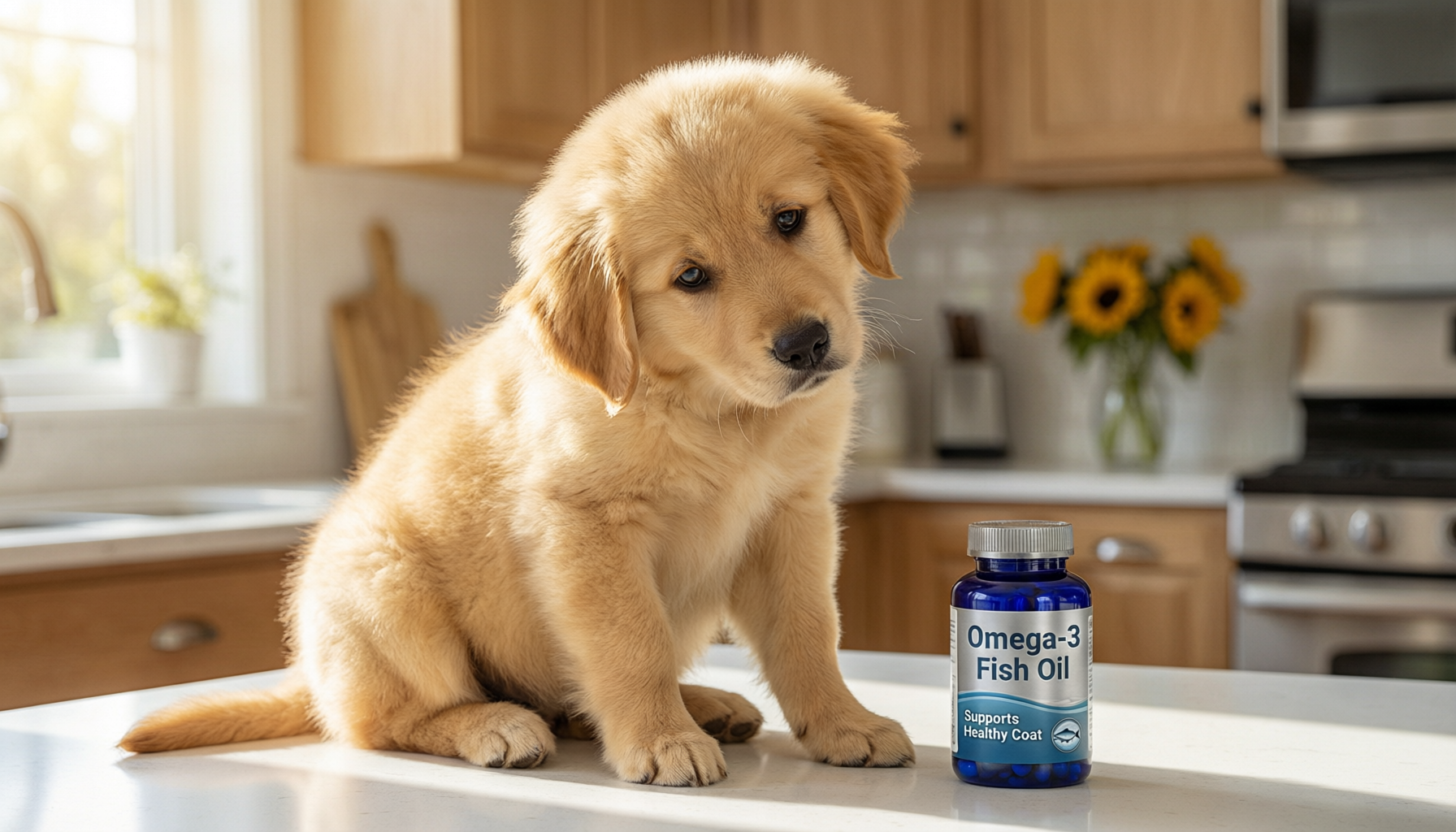
Fish oil has become one of the most widely recommended supplements for dogs, but puppy owners face unique questions. Is fish oil safe for growing puppies? What dosage is appropriate for a developing body? And which type of fish oil actually delivers the DHA that puppies need for proper brain development?
This comprehensive guide synthesizes data from veterinary clinical studies, Amazon product reviews, and real-world experiences shared by thousands of pet owners to give you evidence-based answers.
Why Puppies Specifically Benefit from Fish Oil
Unlike adult dogs, puppies have a genuine nutritional requirement for DHA (docosahexaenoic acid), an omega-3 fatty acid that is "essential for brain development and function" and "crucial for proper brain and retinal development in young animals" according to veterinary clinical guidelines from Improve International.
A 2012 clinical study found that DHA supplementation in young dogs "increased their ability to learn and retain certain skills," demonstrating measurable cognitive benefits during critical developmental windows. This makes fish oil one of the few supplements where puppies have a distinct nutritional advantage over adult dogs.
Key Statistics at a Glance
| Pain score reduction (clinical trial) | 38% in small dogs (p=0.015) |
| Omega-3 Index increase | From 1.4% to 3.3% (+136%) |
| Time to coat improvement | 4–8 weeks of consistent use |
| Adverse events in 16-week trial | Zero (29 dogs, ~68 mg/kg/day) |
| Standard maintenance dose | 50–100 mg combined EPA+DHA per kg/day |
The Six Evidence-Backed Benefits for Puppies
1. Cognitive Development and Learning Ability
DHA is the primary omega-3 fatty acid found in brain tissue. During puppyhood, the brain undergoes rapid growth and neural pathway formation. Research published in veterinary clinical journals shows that puppies receiving adequate DHA demonstrate improved learning capacity, better memory retention, and enhanced problem-solving abilities compared to DHA-deficient littermates.
2. Retinal and Vision Development
DHA is a structural component of the retina. Puppies with sufficient omega-3 intake develop stronger visual acuity, which impacts everything from navigation to social bonding with their owners.
3. Anti-Inflammatory Joint Support
EPA and DHA reduce inflammatory lipids throughout the body. A 2024 clinical study showed daily supplementation "reduced overall pain scores by approximately 19%" in dogs, with small dogs experiencing a 38% reduction (p=0.015) and medium dogs a 30% reduction (p=0.007). For large-breed puppies prone to developmental joint issues, this anti-inflammatory support can be particularly valuable.
4. Skin and Coat Health
Fish oil decreases cytokines that trigger allergic skin responses. Coat improvements are typically visible "within 4–8 weeks" of consistent supplementation. For puppies with sensitive skin or breed-specific allergy predispositions, early omega-3 supplementation can establish a healthier skin barrier.
5. Cardiovascular Foundation
While heart disease is rare in puppies, establishing cardiovascular health early provides lifelong benefits. Omega-3s reduce atrial fibrillation risk, act as natural anticoagulants, decrease arrhythmias, and combat cardiac muscle wasting.
6. Immune System Maturation
Puppies are building their immune systems during the first year of life. Omega-3 fatty acids support immune cell function and help regulate inflammatory responses, potentially reducing the severity of common puppy ailments.
Exact Dosage Guidelines for Puppies
Dosing fish oil correctly is critical. Too little provides no benefit; too much causes digestive distress and potential health risks. The consensus across veterinary sources is:
Dosage by Puppy Size
| Puppy Weight | Daily EPA+DHA | Notes |
|---|---|---|
| Under 10 lbs (Toy breeds) | 150–300 mg | Start at 150 mg, increase gradually |
| 10–25 lbs (Small breeds) | 300–600 mg | Split between AM and PM feedings |
| 25–50 lbs (Medium breeds) | 600–1,000 mg | Monitor stool consistency |
| 50–80 lbs (Large breeds) | 1,000–1,500 mg | Important for joint development |
| Over 80 lbs (Giant breeds) | 1,500+ mg | Consult vet for breed-specific guidance |
For puppies specifically, veterinarians recommend starting at the low end of the maintenance range (30–50 mg combined EPA+DHA per kg of body weight daily) with emphasis on DHA content for brain development. Split the dose between morning and evening feedings, and always give with food to reduce gastrointestinal upset.
Safety Concerns Every Puppy Owner Must Know
Fish oil is "generally safe when given in the correct dosage," but several risks require attention:
Never Use Human Fish Oil Products
This warning was unanimous across every veterinary source accessed. Human fish oil supplements "may contain additional ingredients that are toxic to pets, such as xylitol" (a sweetener that causes fatal hypoglycemia in dogs) and "excess vitamin D" which leads to toxicity. Always choose products specifically formulated and labeled for canine use.
Avoid Cod Liver Oil Entirely
Cod liver oil contains "dangerously high levels of Vitamins A and D" which can cause toxicity in puppies. Stick with body oil derived from the flesh of fish (salmon, sardines, anchovies), not liver oil.
Watch for Gastrointestinal Distress
The most common side effects are nausea (drooling, licking jowls, pacing, restlessness), vomiting, and diarrhea. These are more likely with large doses or when given without food. If symptoms occur, reduce the dose by half and ensure it is always given with meals.
Discontinue Before Surgery
Omega-3s have natural blood-thinning properties. Veterinarians advise discontinuing fish oil 1–2 weeks before any scheduled surgery, including spay/neuter procedures common in puppies.
How to Choose the Right Fish Oil for Your Puppy
With dozens of products on the market, selection can be overwhelming. Based on veterinary recommendations and analysis of Amazon's top-selling dog fish oil supplements, here are the critical factors:
Look for the NASC Quality Seal
The National Animal Supplement Council (NASC) Quality Seal indicates the product has passed independent testing for ingredient accuracy, contaminant levels, and manufacturing standards. Choose "veterinary-formulated products with NASC Quality Seal" to ensure proper canine labeling and safety.
Check EPA and DHA Concentration
The critical metric is milligrams of EPA plus DHA per serving, not total fish oil volume. A product may contain "1,000 mg of fish oil" but only 300 mg of combined EPA and DHA. Read the supplement facts panel carefully.
Verify Freshness and Storage
Fish oil oxidizes rapidly when exposed to heat, light, and air. Oxidized oil "tend to oxidize quickly and cause stomach upset." Choose products in dark glass bottles (which protect against light oxidation), check for a "low TOTOX value" indicating freshness, and refrigerate liquid products after opening. Use within 60 days of opening.
Prefer Triglyceride Form
Natural triglyceride-form fish oil is absorbed more efficiently than synthetic ethyl ester forms. Premium brands like Nordic Naturals use triglyceride form, which contributes to their higher bioavailability.
Frequently Asked Questions
At what age can puppies start fish oil?
Most veterinarians recommend waiting until puppies are fully weaned and eating solid food consistently, typically around 8–12 weeks of age. Always confirm with your vet before starting any supplement.
How long before I see results?
Coat improvements are typically visible within 4–8 weeks of consistent daily use. Joint benefits may take 1–2 months. Cognitive benefits in puppies are cumulative and support long-term development rather than producing immediately observable changes.
Can I give my puppy salmon oil instead of fish oil?
Yes. Salmon oil (especially from wild Alaskan salmon) is often preferred because of better sourcing transparency and a favorable EPA/DHA ratio. The key is ensuring the product is specifically formulated for dogs and provides adequate DHA for puppy development.
My puppy has loose stools after starting fish oil. Should I stop?
Loose stools are common when starting at too high a dose. Reduce the dose by half for the first 1–2 weeks, always give with food, and gradually increase to the target dose. If symptoms persist beyond 2 weeks, discontinue and consult your veterinarian.
What Veterinarians Recommend
Across every veterinary source consulted, one message was unanimous: "Always talk to your veterinarian before giving your dog any supplements." This is especially important for puppies, whose developing bodies may respond differently to supplementation than adult dogs.
Veterinarians recommend combining supplementation with a balanced diet and regular wellness checks. Standard commercial puppy diets often contain omega-6 fats but minimal omega-3s due to cost considerations, making supplementation relevant for most puppies. However, the right product and dose depend on your puppy's breed, size, health status, and existing diet.
Key Takeaways
- 1.Puppies benefit uniquely from DHA for brain and retinal development—this is a genuine nutritional requirement, not just a general health boost.
- 2.Start at 30–50 mg combined EPA+DHA per kg of body weight daily, split between meals, and always give with food.
- 3.Never use human fish oil products—they may contain xylitol or excess vitamin D, both toxic to dogs.
- 4.Avoid cod liver oil entirely due to dangerously high vitamin A and D levels.
- 5.Choose products with the NASC Quality Seal and verify freshness through dark packaging and low TOTOX values.
- 6.Expect 4–8 weeks for visible coat improvements and 1–2 months for joint benefits.
- 7.Discontinue 1–2 weeks before any scheduled surgery, including spay/neuter.
Written by PawLifeWellness Team
Pet Health Writers
Our team creates practical, research-informed pet wellness content for everyday pet parents. Always consult your veterinarian for personalized advice.