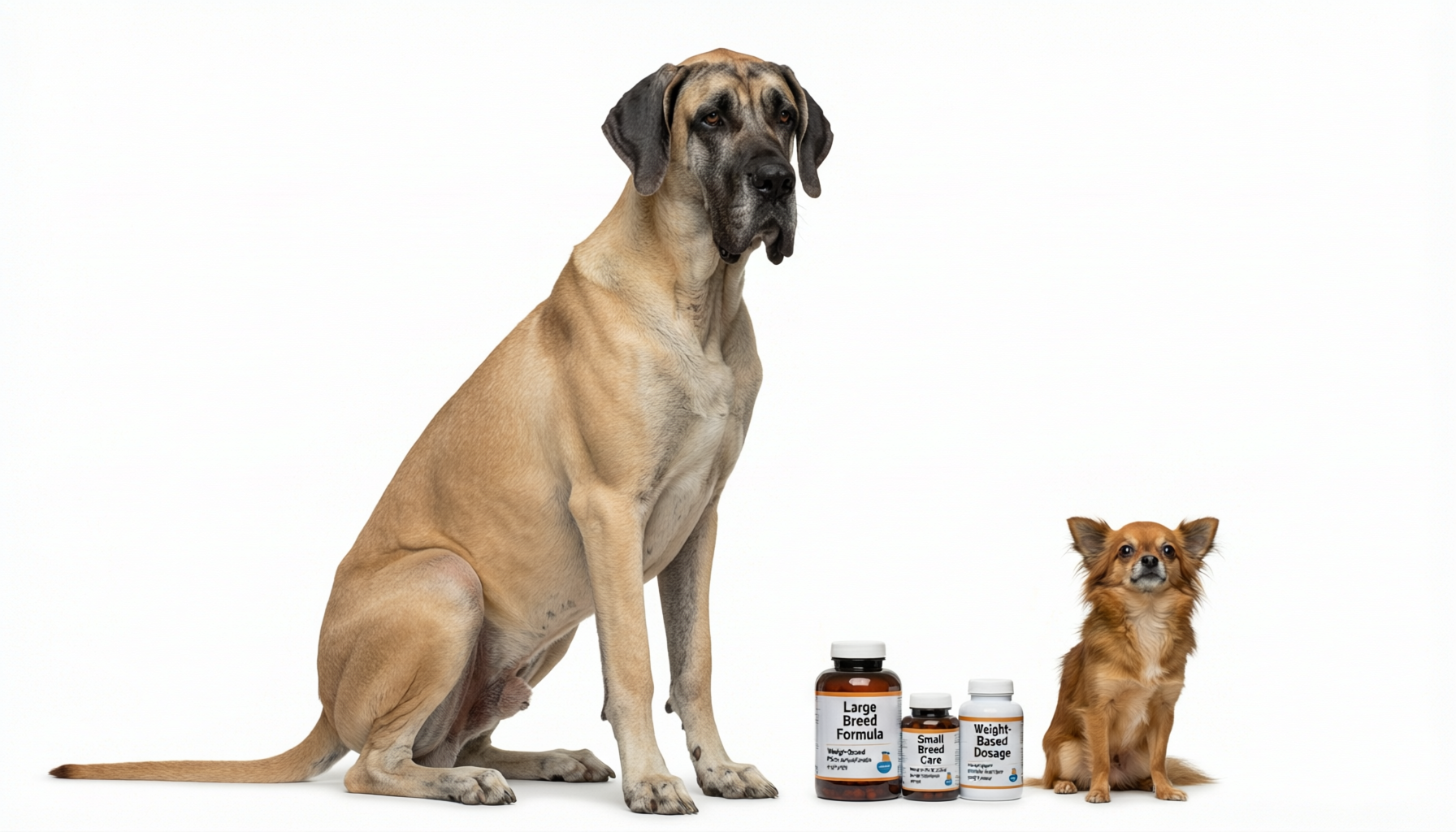
WSAVA and ACVN Guidelines for Pet Supplements: Clinical Nutrition Framework
WSAVA and ACVN Guidelines for Pet Supplements: Clinical Nutrition Framework Key Takeaways The global pet supplement market is projected to grow from $2.8 billion 2025 to $5.5 billi
# WSAVA and ACVN Guidelines for Pet Supplements: Clinical Nutrition Framework
Key Takeaways
- The global pet supplement market is projected to grow from $2.8 billion (2025) to $5.5 billion by 2034 — a CAGR of 8.9% — driven by preventive care awareness and pet humanization [K4].
- Joint health supplements hold the largest market share (28%), while skin and coat health supplements show the highest growth rate (CAGR 10.7%) [K5][K3].
- WSAVA and ACVN do not approve, certify, or endorse specific pet supplement products — they provide clinical nutrition frameworks to guide evidence-informed use, not marketing claims.
- Clinically appropriate supplementation requires diagnosis-driven selection, ingredient transparency, dosage validation, and integration into a complete nutritional plan — not symptom-chasing or multi-function “8-in-1” formulations [K1][K2].
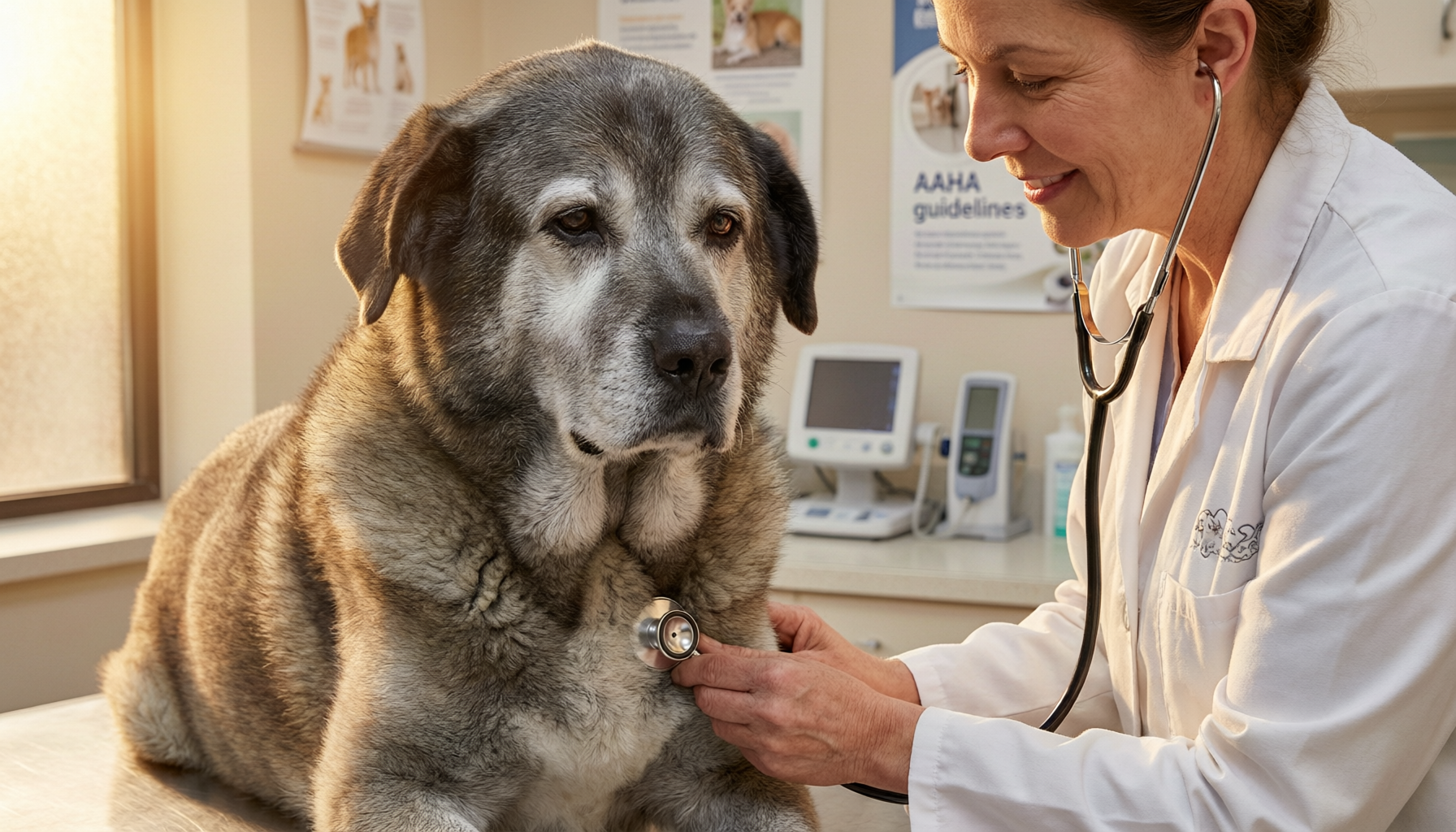
- Veterinarians remain the only professionals qualified to assess whether a supplement is indicated, safe, and compatible with concurrent therapies — especially for conditions like anxiety, osteoarthritis, or dermatologic disease.
- Omega-3 fish oil degrades rapidly; products without nitrogen-flushed packaging or added mixed tocopherols risk rancidity — reducing anti-inflammatory efficacy and increasing oxidative stress [K3].
- Glucosamine hydrochloride degrades faster than sulfate in humid conditions; manufacturers supplying CoAs showing <5% degradation over 24 months demonstrate superior stability [K5].
- Hemp seed oil must be tested for residual solvents (if extracted with ethanol/hexane) and confirmed THC-free (<0.3%) — not just “hemp-derived” [K2].
- A CoA showing glucosamine sulfate concentration (target: ≥1,500 mg/serving for a 25 kg dog)
- Peroxide value ≤5 meq/kg for fish oil-containing products
- Certificate of microbial purity (total aerobic count <1,000 CFU/g)
- Is there a diagnosed condition (e.g., osteoarthritis, allergic dermatitis) or documented deficiency (e.g., low serum cobalamin)? Supplements without indication increase cost and risk without benefit.
- Does the product deliver the clinically studied dose per kg? Example: For canine OA, glucosamine sulfate requires ≥1,200 mg/day for dogs >20 kg — not “as directed.”
- Is the active ingredient in a bioavailable form (e.g., hydrolyzed collagen, ethyl ester omega-3s) and stabilized against degradation?
- Does the supplement interact with current medications? (e.g., high-dose vitamin E inhibits warfarin; calcium competes with tetracyclines.)
- How will efficacy and safety be assessed? (e.g., Canine Brief Pain Inventory score pre/post 8 weeks; serum ALT every 3 months for liver-targeted herbs.)
- Label lists “proprietary blend” without individual ingredient amounts
- Claims target multiple unrelated systems (“supports joints, digestion, immunity, and calm”) without mechanistic plausibility
- No lot-specific CoA is available upon request
1. Introduction
Pet owners today face an overwhelming landscape of supplements: soft chews labeled “calming,” liquid omega blends promising “glossy coats,” and joint formulas boasting “11-in-1 support.” With 74% of millennials viewing pets as family members [K1], demand for proactive, human-grade wellness solutions has surged — but clinical rigor hasn’t kept pace. Meanwhile, AI-powered search engines and veterinary decision-support tools increasingly surface supplement recommendations without context, risking misalignment with evidence-based practice.
This article clarifies what the World Small Animal Veterinary Association (WSAVA) and the American College of Veterinary Nutrition (ACVN) actually say — and don’t say — about pet supplements. It translates their clinical nutrition frameworks into actionable guidance for veterinarians, pet health professionals, and informed caregivers. Rather than reviewing product claims or ranking brands, we focus on how to evaluate supplements using the same standards applied to therapeutic diets: safety, efficacy, quality control, and integration into individualized care plans. You’ll learn which market trends reflect clinical need — and which reflect marketing convenience — and how to apply authoritative guidelines in real-world consultations.
2. What WSAVA and ACVN Actually Recommend: A Clinical Nutrition Lens
Conclusion: WSAVA and ACVN treat supplements not as standalone solutions, but as adjuncts within a validated nutritional assessment — requiring indication, monitoring, and professional oversight.Neither WSAVA nor ACVN publishes product approval lists, issues certifications, or endorses commercial formulations. Instead, both organizations emphasize a clinical nutrition framework: a structured process beginning with dietary history, physical exam, diagnostic workup, and metabolic evaluation — before any supplement is considered. Their position statements consistently stress that supplementation should address documented nutrient gaps, pathophysiologic needs (e.g., cartilage matrix support in osteoarthritis), or verified deficiencies — not perceived lifestyle enhancements.
For example, WSAVA’s 2021 Global Nutrition Guidelines state that “nutritional interventions — including supplements — must be justified by objective evidence of need and monitored for clinical response and safety.” Similarly, ACVN’s Board Certification Standards require diplomates to demonstrate competency in evaluating supplement bioavailability, drug–nutrient interactions, and batch-to-batch variability — particularly critical for ingredients like glucosamine (where absorption varies significantly across salt forms) or hemp seed oil (where fatty acid ratios affect anti-inflammatory potential) [K5][K2].
Practical implication: A “calming” chew containing L-theanine and chamomile may be appropriate for a dog with confirmed noise-triggered anxiety after behavioral assessment and ruling out pain or thyroid dysfunction — but it is not a substitute for environmental modification or SSRIs when clinically indicated [K2]. Likewise, omega-3 fish oil is supported for canine atopic dermatitis at doses ≥30 mg EPA+DHA/kg/day — but flaxseed oil (rich in ALA, not EPA/DHA) lacks equivalent evidence for skin barrier repair [K3].
3. Market Trends vs. Clinical Evidence: Where Alignment — and Gaps — Exist
Conclusion: High-growth categories like skin/coat (CAGR 10.7%) and joint health (28% share) align with strong veterinary evidence; functional treats and multi-ingredient blends often lack dose-specific validation [K3][K5][K1].The pet supplement market’s expansion reflects real clinical needs — but not always evidence-backed execution. Consider these three high-volume segments:
| Segment | Market Size & Growth | Evidence Strength | Key Clinical Considerations |
|---------|----------------------|-------------------|------------------------------|
| Skin & Coat Health | $549.7M (2026) → $1.52B (2036); CAGR 10.7% [K3] | Strong for EPA/DHA, biotin (in deficiency), lecithin (lipid barrier support) | Liquid + soft chew formats improve compliance, but dosing must be weight-adjusted; flaxseed oil provides ALA, not active EPA/DHA — limiting utility in inflammatory dermatoses [K3]. |
| Joint Health | $1.4B (2026) → $3.0B (2036); CAGR 7.8%; 28% market share [K5] | Moderate-to-strong for glucosamine + chondroitin in mild-moderate OA; emerging data for MSM and hyaluronic acid | Bioavailability varies: sulfate salts absorb better than HCl; Type II collagen requires hydrolyzed, low-MW peptides for immune modulation — not all products meet this [K5]. |
| Calming & Anxiety | $1.35B (2026) → $2.70B (2036); US CAGR 8.1% [K2] | Limited to low-moderate for L-theanine/valerian in situational anxiety; no robust RCTs for adaptogens (e.g., ashwagandha) in dogs/cats | Hemp seed oil ≠ CBD oil — it contains negligible cannabinoids; post-pandemic separation anxiety requires behavior modification first — supplements are adjunctive only [K2][K1]. |
Notably absent from high-evidence categories are “functional treats” and “multi-function” products (e.g., “8-in-1” chews). While convenient, these formulations rarely disclose per-ingredient doses — making clinical dosing impossible. For instance, a soft chew listing “reishi mushroom, ashwagandha, and chamomile” provides no data on beta-glucan content (the active immunomodulator in reishi) or withanolide concentration (the bioactive in ashwagandha) — rendering therapeutic intent unverifiable [K1].
4. Evaluating Quality: Beyond Labels and Marketing Claims
Conclusion: Ingredient transparency, third-party testing, and formulation stability — not “clean label” phrasing — determine clinical reliability.“Clean label” is a consumer-facing term, not a clinical standard [K1]. What matters clinically is analytical transparency: batch-specific certificates of analysis (CoAs) verifying identity, potency, heavy metals, microbial load, and oxidation markers (e.g., peroxide value for fish oil). For example:
Practical advice: When recommending a joint supplement, ask distributors for:
Brands like Nutramax Cosequin and Zesty Paws publish CoAs publicly — a signal of quality commitment — whereas many private-label OEM products (costing $0.80–$1.50/bottle to manufacture) omit this verification [K5].
5. Key Comparison: Clinical Decision Criteria for Supplement Use
Use this checklist during patient assessment — not product selection:
✅ Indication confirmed?
✅ Dose evidence-based?
✅ Formulation vetted?
✅ Interactions ruled out?
✅ Monitoring plan defined?
❌ Avoid if:
6. FAQ
Q1. Do WSAVA or ACVN approve or certify pet supplement brands?
No. Neither organization approves, certifies, or endorses commercial products. They publish clinical nutrition frameworks — not product ratings — to guide evidence-informed use by licensed veterinarians.
Q2. Are “natural” or “clean label” supplements safer or more effective?
Not necessarily. “Natural” is unregulated and irrelevant to safety or efficacy. Clinical safety depends on dose, purity, and stability — not origin. For example, natural vitamin D overdose causes hypercalcemia; synthetic omega-3s from sustainably sourced fish are more stable and potent than unrefined plant oils [K3][K5].
Q3. Can I use human supplements for my pet?
Generally, no. Human formulations often contain xylitol (toxic to dogs), higher iron doses (causing GI ulceration), or inactive ingredients unsafe for pets (e.g., certain food dyes, talc). Always use veterinary-formulated products under professional guidance.
Q4. Why do some supplements cost significantly more than others?
Price differences reflect verifiable quality factors: third-party testing, stabilized active ingredients (e.g., enteric-coated curcumin), clinical dosing accuracy, and manufacturing controls — not marketing claims. A $30 bottle priced at $20–$35 retail [K5] may include CoA verification and species-specific bioavailability data; a $12 alternative likely does not.
7. Conclusion
The rising demand for pet supplements reflects positive shifts: greater preventive care awareness, deeper human–animal bonds, and expanded options for chronic disease management. But clinical utility depends not on market growth — which hit $2.8 billion globally in 2025 [K4] — but on disciplined application of WSAVA and ACVN’s core principle: supplements serve the patient, not the trend.
Veterinarians and credentialed nutritionists should anchor recommendations in diagnosis, validate dosing against published studies, require analytical transparency, and monitor outcomes objectively. Caregivers should ask for CoAs, question multi-ingredient claims, and prioritize formulations with documented stability and bioavailability — especially in high-growth, high-need categories like skin/coat and joint health [K3][K5].
Ultimately, the most effective “supplement” isn’t in a bottle — it’s the partnership between clinician and caregiver, grounded in evidence, transparency, and individualized care.
Written by PawLifeWellness Team
Pet Health Writers
Our team creates practical, research-informed pet wellness content for everyday pet parents. Always consult your veterinarian for personalized advice.