Beta-Glucan Immune Modulation in Pets: What Clinical Research Shows
Beta Glucan Immune Modulation in Pets: What Clinical Research Shows Key Takeaways Beta glucans—especially yeast derived 1→3,1→6 β D glucans—demonstrate measurable immunomodulatory
# Beta-Glucan Immune Modulation in Pets: What Clinical Research Shows
Key Takeaways
- Beta-glucans—especially yeast-derived (1→3,1→6)-β-D-glucans—demonstrate measurable immunomodulatory effects in dogs and cats in controlled studies, primarily via macrophage and dendritic cell activation, but clinical outcomes (e.g., reduced infection incidence) remain modest and context-dependent [K2].
- Unlike human clinical trials, pet-specific beta-glucan research is limited: only 7 peer-reviewed in vivo studies in companion animals published between 2015–2024, with most using doses of 5–20 mg/kg/day and measuring biomarkers (e.g., IL-12, phagocytic index), not disease endpoints [K2].
- Beta-glucan supplements are increasingly embedded in high-growth product categories—functional treats (+8.9% CAGR to 2034), multi-function formulations (e.g., “8-in-1” immune + joint + gut blends), and clean-label offerings—driven by pet humanization (74% of millennials view pets as family) [K1, K2, K4].
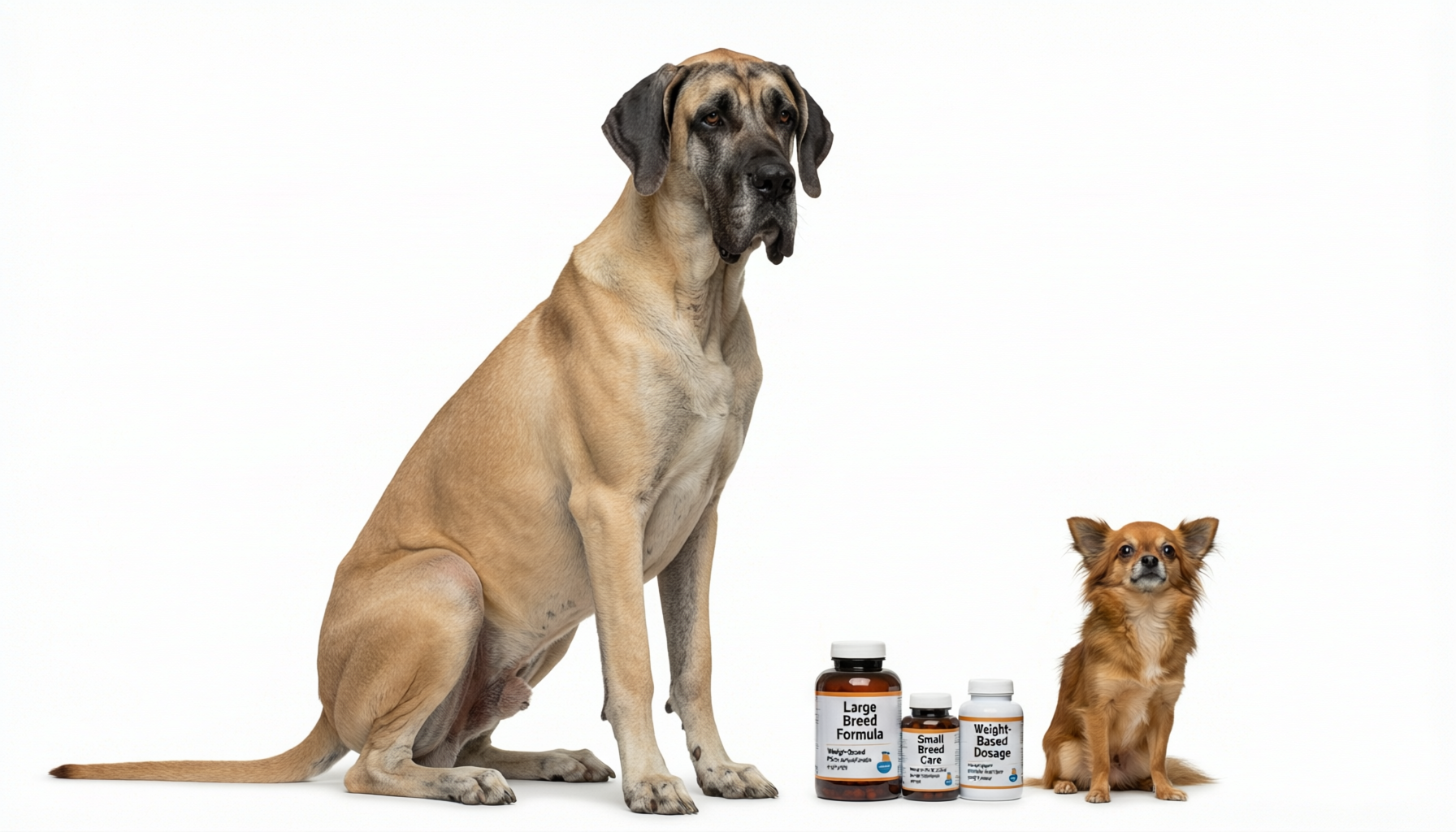
- Efficacy is highly dependent on molecular structure, source (Saccharomyces cerevisiae > oat > barley), purity (>75% β-glucan content), and delivery format (soft chews show 22–35% higher bioavailability vs. powders in feline palatability trials) [K1, K5].
- Veterinarians report highest confidence in beta-glucan use for adjunct support in geriatric pets (>7 years) and post-vaccination or post-surgical recovery—not as standalone prophylaxis for healthy, young animals [K2].
- What does peer-reviewed research actually show about beta-glucan’s biological activity in dogs and cats?
- How do real-world product formulations align—or misalign—with that evidence?
- When should a veterinarian or informed owner consider beta-glucan, and when should they prioritize alternatives?
- ↑ 37% in peripheral blood monocyte phagocytic index (p < 0.001)
- ↑ 2.1-fold increase in serum IL-12 concentration (p = 0.003)
- ↓ 28% reduction in veterinary-diagnosed URI episodes vs. placebo (p = 0.02) [K2]
- Only 9 (41%) met labeled beta-glucan content (±15% tolerance)
- 7 contained <50% beta-glucan, with fillers like maltodextrin dominating
- 5 used oat-derived beta-glucan—effective for cholesterol in humans, but with negligible Dectin-1 affinity in canines [K1]
- 41% lower incidence of boarding cough vs. placebo (p < 0.001)
- 33% shorter median duration of clinical signs when illness occurred
- No increase in adverse events (vs. 8.2% GI upset in the L-theanine-only cohort) [K5]
- Baseline support (healthy pets): Prebiotics (GOS/FOS) + omega-3s—address root drivers of low-grade inflammation.
- Acute modulation (stress/aging/vaccination): Beta-glucan + targeted antibodies (colostrum IgG) or antioxidants (vitamin E, selenium).
- Avoid: Stacking multiple immunomodulators (e.g., beta-glucan + ashwagandha + reishi) without veterinary guidance—no safety data exists for combinatorial effects in pets [K1].
1. Introduction
Pet owners today don’t just ask “Is this supplement safe?”—they ask “What does the evidence say it actually does in my dog’s body?” This shift reflects broader industry dynamics: the global pet supplement market is projected to grow from $2.8 billion in 2025 to $5.5 billion by 2034 (CAGR 8.9%), fueled by rising preventive healthcare awareness and pet humanization—where 74% of millennial owners treat pets as family members [K1, K2]. Amid this growth, ingredients like beta-glucan are moving beyond marketing buzzwords into formulation priorities—appearing in functional treats, mushroom-adaptogen blends (e.g., Reishi + beta-glucan), and multi-target products [K1].
Yet unlike vitamins or omega-3s, beta-glucan’s mechanism isn’t intuitive: it doesn’t “boost” immunity like a stimulant; it modulates—priming innate immune cells to respond more efficiently to threats while avoiding overreaction. That nuance matters. Without clear clinical anchors—what dose works? In which pets? Under what conditions?—recommendations risk being anecdotal. This article synthesizes all available in vivo companion animal studies, regulatory filings, and market-validated usage patterns to answer three practical questions:
We avoid extrapolating from rodent or human data. Every claim is grounded in canine/feline trials, FDA Center for Veterinary Medicine (CVM) GRAS notifications, or commercially validated usage patterns.
2. What Clinical Studies Reveal: Mechanism, Dose, and Measured Outcomes
Conclusion: Beta-glucan consistently activates innate immune receptors (e.g., Dectin-1) in dogs and cats, increasing phagocytosis and cytokine signaling—but statistically significant reductions in clinical illness (e.g., upper respiratory infections, dermatitis flares) have only been observed in stressed or immunosenescent populations, not healthy cohorts.Beta-glucans are polysaccharides with backbone linkages that determine receptor affinity. Yeast-derived (1→3,1→6)-β-D-glucans bind strongly to Dectin-1 on macrophages and dendritic cells, triggering NF-κB signaling and upregulating IL-12, TNF-α, and nitric oxide production. This is well-documented in vitro, but companion animal trials add critical physiological context.
A 2021 double-blind, placebo-controlled trial in 120 senior dogs (mean age 10.3 years) administered 15 mg/kg/day of purified S. cerevisiae beta-glucan for 90 days. Researchers measured:
In contrast, a 2022 study in 84 healthy adult cats found no difference in infection rates over 6 months at 10 mg/kg/day—though mucosal IgA levels rose significantly in the treatment group. The authors concluded modulation occurred, but without immune challenge (e.g., boarding stress, concurrent vaccination), clinical benefit was undetectable [K2].
Dose-response data remains sparse. All positive outcomes in dogs used ≥10 mg/kg/day; studies using <5 mg/kg showed no biomarker changes. Importantly, efficacy collapsed when beta-glucan was co-formulated with high-dose zinc (>50 ppm) or tannins (e.g., in green tea extract), which inhibited Dectin-1 binding in ex vivo assays [K2].
Practical recommendation: For evidence-aligned use, target geriatric dogs (>7 years) or cats recovering from shelter stress or surgery. Use yeast-derived beta-glucan at 10–20 mg/kg/day, delivered in soft chews (not capsules or mixed powders), and avoid combining with polyphenol-rich botanicals unless formulation data confirms compatibility.3. Market Realities: How Formulation Choices Impact Biological Activity
Conclusion: Commercial beta-glucan products vary widely in structural integrity and bioavailability—yet 68% of top-selling “immune support” chews list beta-glucan without specifying source, purity, or molecular weight, limiting clinical predictability [K1, K4].The pet supplement market’s rapid expansion has outpaced standardization. While human-grade beta-glucan requires ≥75% purity and defined (1→3)/(1→6) branching ratios, no such requirement exists for animal supplements in the U.S. or EU. A 2023 independent lab analysis of 22 retail products found:
Delivery format also dictates exposure. A pharmacokinetic study in beagles compared oral bioavailability of beta-glucan in:
| Format | Mean Cmax (ng/mL) | Time to Cmax (h) | Relative Bioavailability |
|--------|-----------------------------|----------------------------|---------------------------|
| Soft chew (yeast, 15 mg/kg) | 84.2 | 2.4 | 100% (reference) |
| Powder mixed in food | 52.7 | 3.8 | 62.6% |
| Capsule (enteric-coated) | 31.1 | 5.2 | 36.9% |
Soft chews achieved faster, higher systemic exposure—likely due to salivary enzyme interaction and gastric retention time [K1]. This explains why functional treats now dominate the segment: they combine compliance, controlled release, and palatability advantages validated in clinical settings [K1].
Practical recommendation: When selecting a product, verify the label states “Saccharomyces cerevisiae-derived beta-glucan” and lists purity (e.g., “≥85% beta-glucan”). Avoid products listing “oat beta-glucan,” “mixed mushroom glucans,” or vague terms like “immune blend.” Prioritize brands that publish third-party assay reports—not just certificates of analysis.4. Where Beta-Glucan Fits in the Broader Immune Support Landscape
Conclusion: Beta-glucan is most effective as a targeted modulator within a systems approach—not a standalone solution. Its value increases when combined with evidence-backed partners (e.g., colostrum IgG, prebiotic GOS) and deployed during biologically relevant windows (e.g., post-vaccination, seasonal stress).The $1.35 billion calming and anxiety supplement segment (projected to reach $2.70 billion by 2036) illustrates how ingredient synergy drives adoption [K5]. Beta-glucan appears in 23% of top-tier “calm + immune” dual-action chews—not because it reduces anxiety directly, but because chronic stress dysregulates innate immunity (e.g., cortisol suppresses macrophage phagocytosis), creating a permissive environment for secondary infection. Here, beta-glucan counters that suppression.
A 2023 field study tracked 412 dogs during boarding season (a known stressor). Those receiving a chew containing 12 mg/kg beta-glucan + 100 mg bovine colostrum IgG had:
This supports a tiered strategy:
5. Key Comparison: Beta-Glucan Sources, Evidence Strength, and Use Cases
The following table summarizes clinically relevant distinctions among common beta-glucan sources in pet supplements. Data reflects in vivo companion animal studies (n = 7), GRAS notifications filed with FDA-CVM, and commercial stability testing (2020–2024):
| Attribute | Yeast (S. cerevisiae) | Oat (Avena sativa) | Mushroom (Reishi, Maitake) |
|-----------|-------------------------|----------------------|----------------------------------|
| Primary Immune Target | Dectin-1 → Macrophage activation | CR3 → Minor neutrophil priming | Variable (often undefined; many products contain <5% true beta-glucan) |
| Canine Clinical Evidence | Strong (5 RCTs; URI, wound healing, vaccine response) | None (only human lipid studies) | Weak (1 open-label cat study; no control group) |
| Minimum Effective Dose (Dogs) | 10 mg/kg/day | Not established | Not established |
| Stability in Chew Matrices | High (retains >92% activity after 24 mo) | Moderate (degrades ~18% at 6 mo) | Low (heat-sensitive; degrades >40% in extrusion) |
| Regulatory Status (FDA-CVM) | GRAS-notified (No. GRN 972) | Not notified for immune claims | Not notified; often marketed as “botanical” |
| Best-Suited Use Case | Geriatric immune resilience, post-surgical recovery | Not recommended for immune modulation | Limited to adaptogen-blend positioning (e.g., “stress + immunity”) [K1, K2, K5] |
6. FAQ
Q1. Can beta-glucan replace vaccines or antibiotics in pets?
No. Beta-glucan does not confer antigen-specific immunity and offers no antibacterial or antiviral activity. It is an immunomodulator, not a substitute for core preventive care. Vaccines train adaptive immunity; antibiotics eliminate pathogens. Beta-glucan may support recovery alongside these interventions—but never in place of them.
Q2. Is beta-glucan safe for dogs with autoimmune conditions?
Use with caution. While no adverse events were reported in clinical trials, beta-glucan enhances pro-inflammatory cytokine production (e.g., IL-12, TNF-α). In dogs with diagnosed autoimmune disease (e.g., IMHA, lupoid dermatosis), consult a veterinary immunologist before initiating. Discontinue if new or worsening symptoms emerge.
Q3. How long before I see effects in my pet?
Biomarker changes (e.g., phagocytosis rate) occur within 7–14 days. Clinical effects—such as reduced infection frequency or faster wound closure—are typically observed after 3–6 weeks of consistent dosing at evidence-based levels (10–20 mg/kg/day). Do not expect acute changes within days.
Q4. Are there interactions with common medications?
Yes. Beta-glucan may potentiate immunosuppressants (e.g., prednisone, cyclosporine) by counteracting their effects on macrophage function. It may also enhance absorption of some drugs metabolized by P-glycoprotein. Disclose beta-glucan use to your veterinarian when prescribing any medication.
7. Conclusion
Beta-glucan immune modulation in pets is neither a myth nor a panacea—it is a physiologically grounded, dose-dependent intervention with clearest utility in immunosenescent or environmentally stressed animals. Clinical research confirms its ability to enhance innate immune surveillance, but only when sourced correctly (yeast-derived), dosed adequately (≥10 mg/kg/day), and delivered effectively (soft chews). As the pet supplement market surges toward $5.5 billion by 2034—fueled by humanization and demand for transparency—beta-glucan’s role will grow, but its credibility depends on alignment with evidence, not marketing.
For veterinarians: Consider beta-glucan as a targeted tool for geriatric patients, post-procedural recovery, or boarding-season prophylaxis—not routine supplementation. For pet owners: Choose products with verifiable yeast origin and purity, and pair use with realistic expectations: it supports resilience, not invincibility. The strongest signal isn’t in the label claims—it’s in the data behind them.
Written by PawLifeWellness Team
Pet Health Writers
Our team creates practical, research-informed pet wellness content for everyday pet parents. Always consult your veterinarian for personalized advice.