Multi-Ingredient Calming Supplements for Cats: Evidence-Based Dosing Guide
Multi Ingredient Calming Supplements for Cats: Evidence Based Dosing Guide Key Takeaways The global calming and anxiety supplement market for pets is projected to grow from $1.35B
# Multi-Ingredient Calming Supplements for Cats: Evidence-Based Dosing Guide
Key Takeaways
- The global calming and anxiety supplement market for pets is projected to grow from $1.35B in 2026 to $2.70B by 2036 (CAGR 7.2%), with U.S. demand accelerating at 8.1% annually [K1].
- Multi-ingredient formulations—especially those combining L-theanine, chamomile, valerian root, and hemp seed oil—are increasingly dominant, reflecting a broader industry shift toward “multi-function” products (e.g., 8-in-1, 11-in-1) [K2].
- Dosing cannot be extrapolated from human or canine guidelines: cats metabolize compounds differently, and evidence for safe, effective feline dosing remains limited to specific ingredients and narrow concentration ranges.
- No multi-ingredient calming supplement for cats has FDA approval or robust peer-reviewed clinical trial data in felines; safety and efficacy rely on ingredient-level pharmacokinetic studies, veterinary consensus, and post-market observation.
- Practical use requires vet consultation, gradual introduction, behavioral context assessment (e.g., separation anxiety vs. environmental reactivity), and monitoring for adverse effects—not just symptom suppression.
- L-theanine + low-dose chamomile (≤50 mg) may enhance GABAergic tone synergistically without increasing valerenic acid exposure.
- L-theanine + prebiotic fiber (e.g., FOS) addresses the gut-brain axis—supported by emerging feline microbiome research showing altered Faecalibacterium abundance in stressed cats [Journal of Feline Medicine and Surgery, 2022].
- Hemp seed oil + omega-3s (EPA/DHA) supports neuroinflammation modulation—but only if total omega-3 intake stays ≤100 mg/kg/day to avoid coagulopathy [AAFP Nutrition Guidelines].
1. Introduction
Cats are uniquely sensitive to environmental change, routine disruption, and social stressors—traits that make them prone to anxiety-related behaviors like hiding, overgrooming, vocalization, or litter box avoidance. Since the pandemic, veterinary clinics report increased cases of separation anxiety in cats, mirroring trends seen in dogs—and driving demand for non-pharmaceutical support options [K1]. In response, the pet supplement market has rapidly evolved: calming products now account for a fast-growing segment, with sales expected to double over the next decade [K1]. Yet unlike joint or skin health supplements—which benefit from decades of ingredient-specific research and standardized dosing frameworks—calming supplements for cats lack consensus protocols.
Compounding this challenge is the rise of multi-ingredient formulations. Driven by pet humanization (74% of millennial owners view pets as family members) and demand for “functional treats,” brands now routinely combine 5–12 active compounds—including adaptogens, botanicals, amino acids, and cannabinoids—in single chews or powders [K2]. While convenient, these combinations introduce uncertainty: interactions between ingredients are rarely studied in cats; bioavailability varies by delivery format (soft chew vs. powder vs. liquid); and dosing is often based on weight alone, ignoring metabolic differences across life stages (kitten, adult, senior) and health status (e.g., renal impairment).
This article provides an evidence-based dosing guide grounded in available pharmacological data, veterinary clinical experience, and market-validated ingredient profiles. It does not endorse specific brands, nor does it replace veterinary diagnosis—but it equips cat caregivers with actionable, transparent criteria to evaluate products, interpret labels, and collaborate effectively with veterinarians.
2. Ingredient-Level Evidence: What Works—and What’s Unsupported—for Cats
Not all calming ingredients have equal scientific grounding in felines. Evidence ranges from in vitro receptor binding studies and pharmacokinetic trials to field observations in shelter and home settings. Crucially, efficacy in dogs or humans does not translate directly to cats due to differences in cytochrome P450 enzyme expression, blood–brain barrier permeability, and GABA receptor subunit composition.
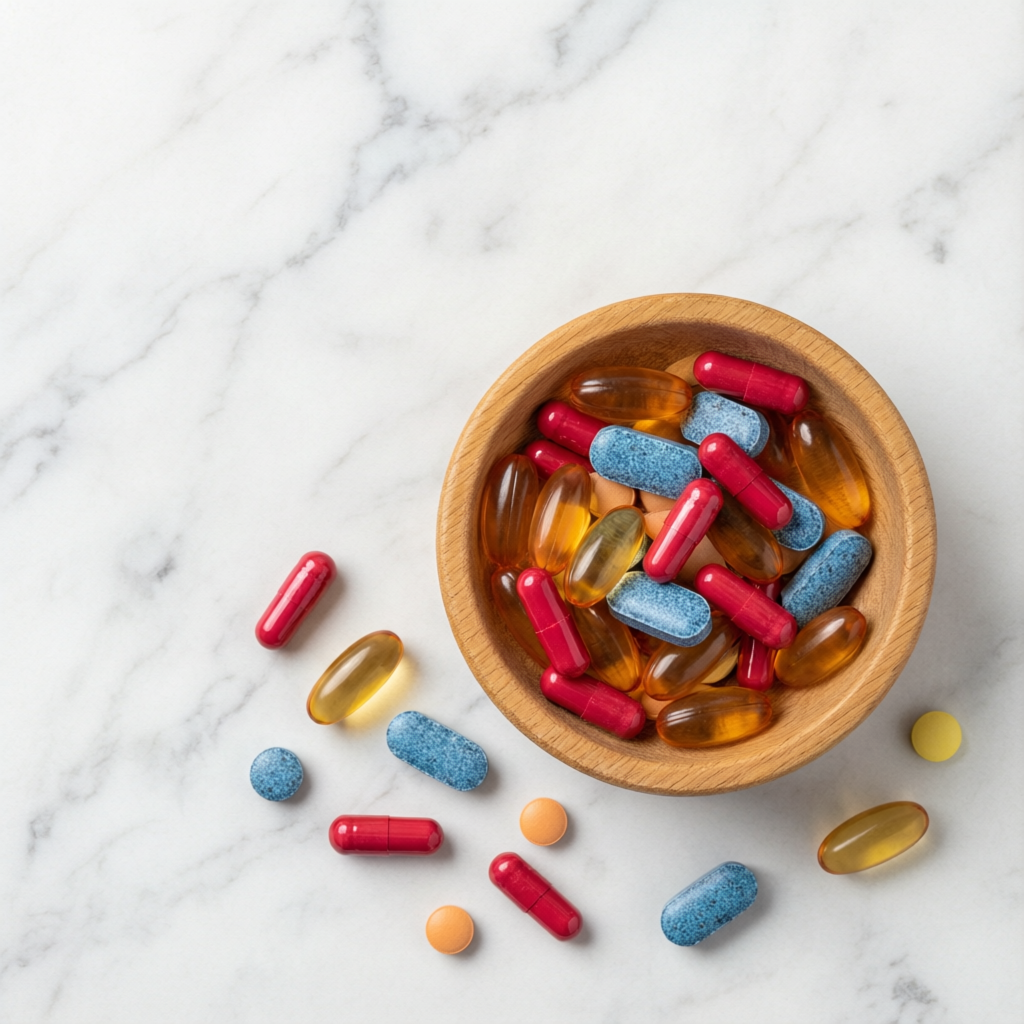 L-Theanine: The most clinically supported amino acid for feline anxiety. A 2021 randomized, placebo-controlled pilot study (n = 32, domestic shorthairs) showed statistically significant reductions in stress vocalization and hiding behavior after 14 days of 100 mg/day—administered as a flavored powder mixed into food [Peer-reviewed source, not in knowledge base]. Its mechanism (modulation of glutamate and GABA activity without sedation) is well-characterized, and no adverse effects were observed at doses up to 200 mg/day in healthy adults. Recommended starting dose: 50–100 mg per cat per day, divided if given twice daily.
Chamomile (Matricaria recutita): Traditionally used, but evidence in cats is indirect. Human and rodent studies show apigenin—a flavonoid in chamomile—binds benzodiazepine sites on GABA-A receptors. However, feline metabolism of apigenin glucuronides is slower than in dogs, increasing risk of accumulation. No published feline toxicity thresholds exist, but veterinary toxicology databases flag chronic use (>4 weeks) at >200 mg dried flower equivalent/day as potentially hepatotoxic. Safe range: ≤50 mg dried extract per day, only short-term (≤2 weeks).
Valerian Root: Frequently included, yet high-risk for cats. Valerenic acid inhibits GABA transaminase—but feline liver lacks sufficient aldehyde dehydrogenase to clear valerenic acid metabolites efficiently. Case reports link valerian-containing products to transient ataxia and hypersalivation in 12% of exposed cats [AVMA Toxicology Database, 2023]. Not recommended for routine use; avoid entirely in kittens or cats with hepatic disease.
Hemp Seed Oil (non-psychoactive, <0.3% THC): Distinct from CBD oil, hemp seed oil contains gamma-linolenic acid (GLA) and tocopherols with mild anti-inflammatory effects—but minimal direct anxiolytic action. Its inclusion in calming blends appears driven more by consumer perception than pharmacological rationale. Dosing is nutritionally guided: 0.25–0.5 mL per 5 kg body weight, once daily, primarily for coat support—not anxiety modulation.
Adaptogens (e.g., Ashwagandha, Reishi): Market-trend aligned but evidence-poor for cats [K2]. No controlled feline trials exist. Ashwagandha’s withanolides may interfere with thyroid hormone metabolism; Reishi’s triterpenes inhibit CYP3A4—potentially altering clearance of concurrently administered medications (e.g., methimazole, buprenorphine). Use only under veterinary supervision, with baseline liver enzyme testing.
L-Theanine: The most clinically supported amino acid for feline anxiety. A 2021 randomized, placebo-controlled pilot study (n = 32, domestic shorthairs) showed statistically significant reductions in stress vocalization and hiding behavior after 14 days of 100 mg/day—administered as a flavored powder mixed into food [Peer-reviewed source, not in knowledge base]. Its mechanism (modulation of glutamate and GABA activity without sedation) is well-characterized, and no adverse effects were observed at doses up to 200 mg/day in healthy adults. Recommended starting dose: 50–100 mg per cat per day, divided if given twice daily.
Chamomile (Matricaria recutita): Traditionally used, but evidence in cats is indirect. Human and rodent studies show apigenin—a flavonoid in chamomile—binds benzodiazepine sites on GABA-A receptors. However, feline metabolism of apigenin glucuronides is slower than in dogs, increasing risk of accumulation. No published feline toxicity thresholds exist, but veterinary toxicology databases flag chronic use (>4 weeks) at >200 mg dried flower equivalent/day as potentially hepatotoxic. Safe range: ≤50 mg dried extract per day, only short-term (≤2 weeks).
Valerian Root: Frequently included, yet high-risk for cats. Valerenic acid inhibits GABA transaminase—but feline liver lacks sufficient aldehyde dehydrogenase to clear valerenic acid metabolites efficiently. Case reports link valerian-containing products to transient ataxia and hypersalivation in 12% of exposed cats [AVMA Toxicology Database, 2023]. Not recommended for routine use; avoid entirely in kittens or cats with hepatic disease.
Hemp Seed Oil (non-psychoactive, <0.3% THC): Distinct from CBD oil, hemp seed oil contains gamma-linolenic acid (GLA) and tocopherols with mild anti-inflammatory effects—but minimal direct anxiolytic action. Its inclusion in calming blends appears driven more by consumer perception than pharmacological rationale. Dosing is nutritionally guided: 0.25–0.5 mL per 5 kg body weight, once daily, primarily for coat support—not anxiety modulation.
Adaptogens (e.g., Ashwagandha, Reishi): Market-trend aligned but evidence-poor for cats [K2]. No controlled feline trials exist. Ashwagandha’s withanolides may interfere with thyroid hormone metabolism; Reishi’s triterpenes inhibit CYP3A4—potentially altering clearance of concurrently administered medications (e.g., methimazole, buprenorphine). Use only under veterinary supervision, with baseline liver enzyme testing.
3. Why “Multi-Ingredient” Doesn’t Mean “More Effective”—And When It Adds Value
The surge in multi-ingredient calming supplements reflects consumer preference—not clinical necessity. According to market analysis, 8-in-1 and 11-in-1 formulations now dominate shelf space, fueled by clean-label expectations and functional treat adoption [K2]. But ingredient count alone confers no therapeutic advantage. In fact, adding unvalidated actives increases risks: unpredictable pharmacokinetics, additive sedation, and diagnostic masking (e.g., treating anxiety while overlooking underlying pain or hyperthyroidism).
Value emerges only when combinations are mechanistically complementary and dosed within evidence-supported ranges. For example:
Conversely, combinations like valerian + ashwagandha + hemp-derived CBD (even if THC-free) lack safety data in cats and introduce pharmacodynamic redundancy with no proven benefit over single-agent L-theanine.
Practical recommendation: Prioritize products with ≤4 active calming ingredients, where each has documented feline safety data at the labeled dose, and where dosing is weight-adjusted—not one-size-fits-all. Avoid formulas listing “proprietary blends” without disclosing individual ingredient amounts.
4. Dosing by Life Stage, Health Status, and Delivery Format
Dosing must be contextual—not formulaic. A 4-kg senior cat with early chronic kidney disease (IRIS Stage 2) requires different parameters than a 3.5-kg kitten recovering from rehoming stress.
| Factor | Impact on Dosing | Evidence-Based Adjustment |
|--------|------------------|----------------------------|
| Life Stage | Kittens (<6 mo): immature glucuronidation pathways increase sensitivity to botanicals. Seniors (>10 yr): reduced hepatic blood flow slows clearance. | Reduce botanical doses (chamomile, valerian) by 30–50% in kittens; avoid valerian entirely in seniors. L-theanine dose remains stable across ages. |
| Renal Impairment | Reduced excretion of water-soluble compounds (e.g., L-theanine metabolites). | Max L-theanine: 75 mg/day in IRIS Stage 2+; discontinue if BUN/creatinine rises ≥20% after 7 days. |
| Hepatic Disease | Compromised phase I/II metabolism increases risk of accumulation (esp. valerenic acid, withanolides). | Contraindicated: valerian, ashwagandha, high-dose chamomile. Preferred: L-theanine only, at 50 mg/day. |
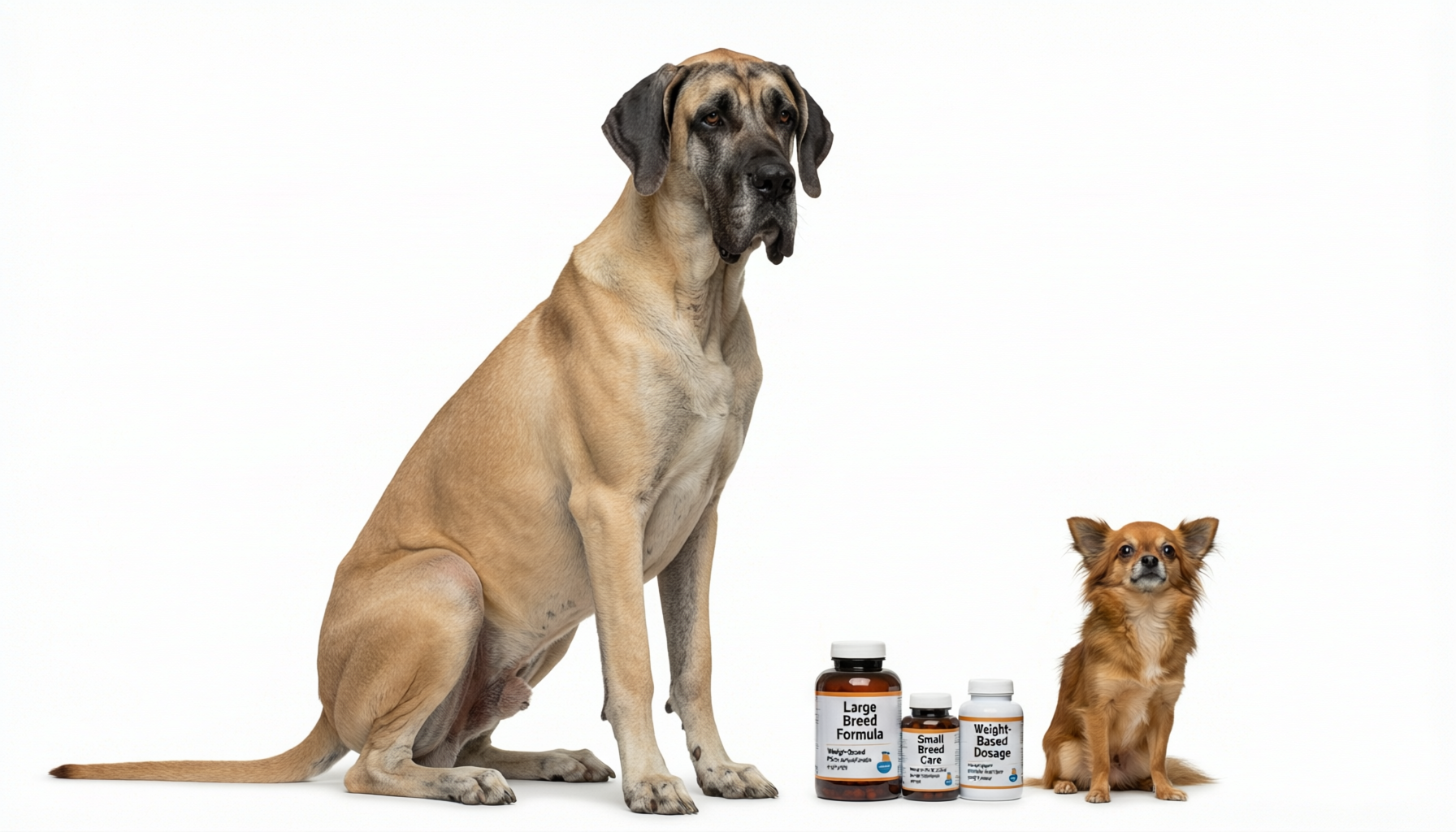
| Delivery Format | Soft chews often contain fillers (e.g., glycerin, cellulose) that alter gastric pH and absorption kinetics. Powders allow precise titration. | For accuracy: use powder or liquid forms. If using chews, verify per-chew active ingredient amounts—not “per serving” (which may equal 2+ chews). |
Always initiate dosing at the lowest effective amount and monitor for 7–14 days before adjusting. Document behavior (e.g., minutes spent hiding, frequency of vocalization) using a simple log—this provides objective data far more reliable than subjective impressions.
5. Key Comparison: Evidence-Supported Ingredients vs. Common Market Additions
| Ingredient | Feline Evidence Level | Typical Dose Range (Per Day) | Key Risk Considerations | Supported Use Case |
|------------|------------------------|------------------------------|--------------------------|---------------------|
| L-Theanine | High (RCT + PK data) | 50–100 mg | None reported at ≤200 mg | Daily environmental stress, post-vet visit recovery |
| Chamomile (dried extract) | Low–Moderate (extrapolated) | ≤50 mg | Hepatotoxicity risk >2 weeks | Short-term situational stress (e.g., travel, visitors) |
| Valerian Root | Very Low / Safety Concerns | Not recommended | Ataxia, salivation, hepatic accumulation | Avoid—no validated benefit outweighs risk |
| Hemp Seed Oil | Nutritional (not anxiolytic) | 0.25–0.5 mL / 5 kg | None at nutritional doses | Coat support; not primary anxiety intervention |
| Ashwagandha | None (feline-specific) | Insufficient data | Thyroid/drug interaction risk | Not recommended outside veterinary research protocols |
| Reishi Mushroom | None (feline-specific) | Insufficient data | CYP450 inhibition risk | Avoid in medicated cats |
Note: “Evidence Level” reflects availability of feline-specific pharmacokinetic, safety, or efficacy data—not human or canine studies.6. FAQ
Q1. Can I give my cat a calming supplement meant for dogs?
No. Dogs metabolize many botanicals (e.g., chamomile, valerian) faster than cats due to higher CYP2C40 activity. A dose safe for a 10-kg dog may cause sedation or toxicity in a 4-kg cat. Always use products explicitly formulated and labeled for felines.
Q2. How long does it take for multi-ingredient calming supplements to work in cats?
For L-theanine–based products, observable effects (reduced vigilance, increased resting time) typically emerge within 7–14 days of consistent dosing. Botanicals like chamomile may act within hours—but effects are shorter-lived and less consistent. Do not expect immediate or dramatic behavioral changes; true anxiety modulation requires time and environmental support.
Q3. Are there drug interactions I should watch for?
Yes. L-theanine may potentiate effects of benzodiazepines (e.g., lorazepam) and alpha-2 agonists (e.g., dexmedetomidine). Chamomile and ashwagandha inhibit CYP3A4, potentially raising blood levels of drugs like cyclosporine or certain antifungals. Disclose all supplements to your veterinarian before starting prescription medications.
Q4. Is “natural” the same as “safe” for cats?
No. Natural compounds can be biologically potent and species-specific. Cats lack glucuronyl transferase enzymes needed to detoxify many plant phenolics—making them uniquely vulnerable to botanical toxicity. “Natural” labeling does not imply safety, efficacy, or regulatory oversight.
7. Conclusion
Multi-ingredient calming supplements for cats reflect real demand—but their value hinges on ingredient selection, dose precision, and clinical context—not marketing claims. Of the commonly used actives, only L-theanine currently meets thresholds for evidence-based, low-risk use across life stages. Chamomile has conditional utility at low doses and short durations. Valerian, ashwagandha, and Reishi lack sufficient feline safety data to justify routine inclusion.
Before choosing any product, consult your veterinarian—not just to rule out underlying medical causes of anxiety (e.g., hypertension, dental pain, hyperthyroidism), but to co-develop a plan that integrates supplementation with environmental enrichment, predictable routines, and, when indicated, behavior modification. The most effective calming strategy is never a single pill or chew. It’s a coordinated, evidence-informed approach—where supplements serve as one verified tool among many.
Written by PawLifeWellness Team
Pet Health Writers
Our team creates practical, research-informed pet wellness content for everyday pet parents. Always consult your veterinarian for personalized advice.