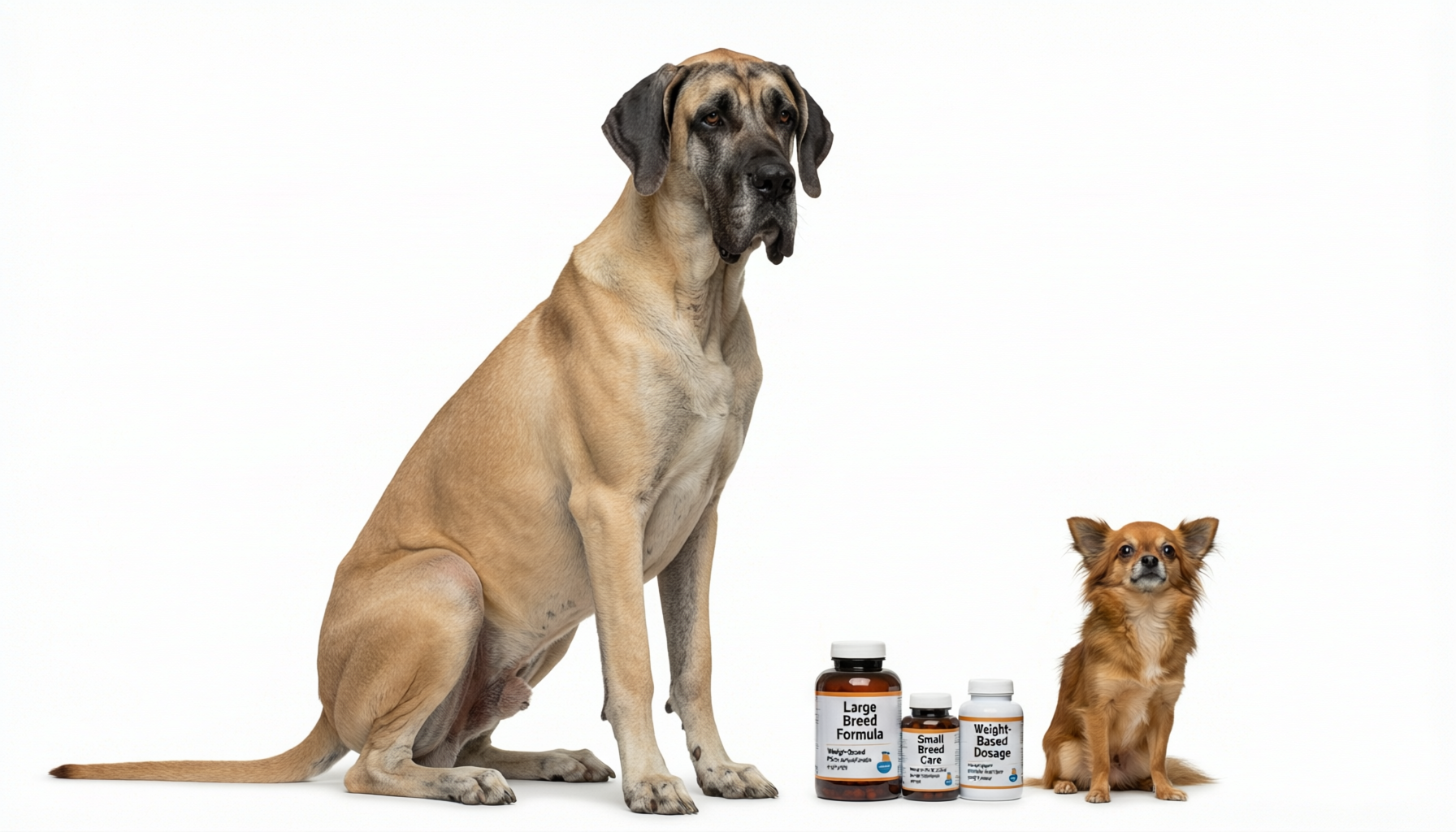
Colostrum Supplements for Puppies: Immune Development and Early Health
Colostrum Supplements for Puppies: Immune Development and Early Health Key Takeaways Colostrum supplements are not a substitute for maternal colostrum—but may support immune matura

# Colostrum Supplements for Puppies: Immune Development and Early Health
Key Takeaways
- Colostrum supplements are not a substitute for maternal colostrum—but may support immune maturation in orphaned, weak, or early-weaned puppies when used under veterinary guidance.
- Unlike dominant pet supplement categories (e.g., joint health at 28% market share [K2] or probiotics growing at 10.5% CAGR [K5]), colostrum remains a niche, evidence-limited segment with no dedicated market sizing in current industry reports.
- Bioactive components—immunoglobulins (IgG), lactoferrin, and growth factors—are heat-sensitive; efficacy depends heavily on processing method (freeze-drying preferred over spray-drying) and source (bovine colostrum is standard due to safety and scalability).
- No standardized dosing exists for puppies; protocols must account for age, weight, vaccination status, and concurrent health conditions—making veterinary consultation non-negotiable.
- Consumer demand for “clean label” and functional formats ([K4]) aligns with colostrum’s natural origin—but product transparency (e.g., IgG concentration per dose, absence of fillers) remains inconsistent across brands.
- Immunoglobulin density: Bovine colostrum contains 30–80 mg/mL of IgG, versus <1 mg/mL in mature cow’s milk—and canine colostrum averages 20–40 mg/mL [peer-reviewed veterinary physiology literature]. This IgG is absorbed intact via neonatal gut receptors (FcRn) within the first 12–16 hours after birth—a window that closes rapidly as gut permeability decreases.
- Bioactive complexity: Beyond IgG, it delivers lactoferrin (binds iron to inhibit bacterial growth), lysozyme (breaks down bacterial cell walls), proline-rich polypeptides (modulate T-cell activity), and IGF-1 (supports intestinal epithelial repair). These compounds act synergistically—not additively.
- Species-specific limitations: Canine colostrum is optimal for puppies—but supply is unpredictable and unscalable. Bovine colostrum is used because its IgG cross-reacts with canine pathogens (e.g., E. coli, parvovirus) and poses low zoonotic risk when pasteurized and tested for antibiotics/pathogens.
- Orphaned or deprived puppies: 22 mL/kg body weight of reconstituted bovine colostrum within first 12 hours, then 11 mL/kg every 6–8 hours for 36–48 hours.
- Early-weaned or stressed pups (3–6 weeks): 0.5–1 g powder (providing ≥100 mg IgG) mixed into warm (not hot) formula, twice daily for ≤3 days.
- Vaccination interference: High IgG levels can neutralize modified-live vaccines (e.g., DA2PP). Administer colostrum before the first vaccine (typically at 6 weeks), not concurrently.
- Gut maturity matters: Puppies under 2 weeks absorb IgG efficiently. After 3 weeks, absorption drops >90%; supplementation shifts to gut barrier support (e.g., lactoferrin + prebiotics), not systemic immunity.
- Contraindications: Avoid in puppies with confirmed sepsis, severe diarrhea, or IgA deficiency—conditions where exogenous immunoglobulins may exacerbate inflammation.
- IgG concentration (measured by ELISA or RID)
- Absence of antibiotics (e.g., penicillin, tetracycline)
- Total plate count (<10,000 CFU/g) and pathogen screening
1. Introduction
Every puppy’s first 72 hours are immunologically decisive. Maternal colostrum—the thick, yellowish first milk—delivers concentrated immunoglobulins (especially IgG), cytokines, and antimicrobial peptides that bridge the gap between passive immunity from the dam and the puppy’s own developing adaptive immune system. Yet real-world scenarios complicate this ideal: orphaned pups, cesarean deliveries, poor maternal milk production, or premature weaning leave critical gaps. In these cases, caregivers often seek colostrum supplements—not as replacements, but as targeted immune-support tools.
This article cuts through marketing claims to clarify what colostrum supplements can and cannot do for puppies. It draws on veterinary immunology principles, ingredient science, and broader pet supplement market realities—including growth trends, formulation standards, and regulatory context. We focus on actionable insights: how to evaluate products, when supplementation is clinically justified, and why colostrum sits outside mainstream supplement categories like joint health (28% market share [K2]) or probiotics (10.5% CAGR [K5]). No assumptions are made about breed, size, or environment—only evidence-based thresholds for safe, purposeful use.
2. Why Colostrum Matters—And Why It’s Not Just “Baby Milk”
Conclusion: Colostrum is biologically distinct from mature milk—not nutritionally superior, but immunologically specialized. Its value lies in timing, composition, and bioavailability—not general nourishment.Colostrum differs from transitional or mature milk in three measurable ways:
Practical implication: A supplement labeled “colostrum” without quantified IgG content (e.g., “≥100 mg IgG per serving”) or third-party verification (e.g., ELISA assay report) offers no verifiable immune benefit. Heat-treated or low-IgG powders may provide protein calories—but not immune function. Always request a Certificate of Analysis (CoA) before purchase.
3. Market Context: Where Colostrum Fits (and Doesn’t Fit)
Conclusion: Colostrum supplements occupy a small, untracked niche—distinct from high-growth segments like skin/coat health (10.7% CAGR [K1]) or calming aids (7.2% CAGR [K3])—reflecting both clinical specificity and regulatory ambiguity.The global pet supplement market is segmented by function, not life stage. Joint health holds the largest share (28% [K2]), driven by aging dogs and osteoarthritis prevalence. Probiotics are the fastest-growing category (10.5% CAGR [K5]), fueled by microbiome research and digestive symptom awareness. Skin/coat supplements lead in growth rate (10.7% CAGR [K1]), tied to visible outcomes and owner-perceived quality-of-life metrics.
Colostrum appears nowhere in these reports—not because it lacks utility, but because it serves a narrow, time-bound physiological need: neonatal immune priming. Unlike joint or anxiety supplements used chronically, colostrum is administered for ≤5 days post-birth or during acute stress (e.g., post-weaning relocation). This limits commercial scale and discourages mass-market positioning. Further, unlike glucosamine (China produces >60% of global raw material [K2]) or omega-3s (standardized in skin/coat products [K1]), colostrum lacks pharmacopeial monographs or USP grading—leaving quality control to individual manufacturers.
What does align is consumer trend #4 from 2026 forecasts: “Clean Label” ([K4]). Reputable colostrum brands disclose sourcing (e.g., “Grade A dairy herd, no antibiotics”), processing (e.g., “low-heat freeze-dried”), and testing (e.g., “IgG quantified by radial immunodiffusion”). Avoid products listing “colostrom,” “colostrum powder,” or “dairy blend” without IgG specification.
4. Practical Use: Dosing, Timing, and Veterinary Coordination
Conclusion: Effective colostrum supplementation requires precise timing, weight-based dosing, and integration with vaccination and deworming schedules—not standalone administration.There is no universal dose. Guidelines from the World Small Animal Veterinary Association (WSAVA) and veterinary pharmacology texts recommend:
Critical cautions:
Scenario example: A 4-week-old rescue puppy arrives with lethargy and loose stools. The shelter vet confirms no parvovirus but notes low serum IgG (<400 mg/dL). Instead of blanket colostrum, they prescribe a 2-day course of bovine colostrum (500 mg IgG/dose) plus fecal microbiota transplantation—addressing both humoral immunity and dysbiosis. This reflects integrated, evidence-guided care—not symptomatic supplementing.
5. Key Comparison: Colostrum vs. Established Puppy Support Categories
| Feature | Colostrum Supplements | Probiotics [K5] | Omega-3 Supplements [K1] | Calming Supplements [K3] |
|---------|------------------------|------------------|---------------------------|---------------------------|
| Primary Purpose | Neonatal passive immunity transfer & gut closure | Microbial balance & digestion | Skin barrier integrity & anti-inflammatory support | Behavioral modulation (GABA/serotonin pathways) |
| Evidence Strength | Strong for neonatal IgG transfer; weak for post-weaning use | Moderate-to-strong for acute diarrhea & antibiotic recovery | Strong for atopic dermatitis reduction | Moderate for noise-induced anxiety; weak for separation anxiety |
| Optimal Window | First 48 hours (neonatal); ≤3 days (early-weaned stress) | Any age; most effective during/after antibiotic use | Lifelong maintenance; benefits peak at 8–12 weeks | Situational (e.g., thunderstorms, travel) or chronic (under vet supervision) |
| Standardized Metric | IgG concentration (mg/dose) required for efficacy | CFU count + strain specificity (e.g., Bifidobacterium animalis AHC7) | EPA/DHA ratio (e.g., 2:1) and oxidation stability (TOTOX < 26) | L-Theanine dose (50–100 mg) + hemp seed oil carrier purity |
| Regulatory Clarity | Regulated as “animal feed” (FDA CPG 7125.06); no NAC-approved claims | GRAS status for select strains; labeling must avoid drug claims | Generally recognized as safe; dosage based on weight | Hemp-derived ingredients subject to state-level THC limits (<0.3%) |
Note: Colostrum’s uniqueness lies in its time-bound biological mechanism—not broad-spectrum support. Using it beyond the neonatal period without diagnostics risks opportunity cost (e.g., delaying probiotic therapy for dysbiosis).
6. FAQ
Q1. Can colostrum supplements replace maternal colostrum?
No. Maternal colostrum contains puppy-specific antibodies (e.g., against local pathogens), cytokines calibrated to the dam’s immune history, and perfectly timed bioactives. Supplements provide generalized bovine IgG—valuable when maternal colostrum is unavailable, but not equivalent.
Q2. Is bovine colostrum safe for puppies?
Yes—if sourced from certified Grade A dairies, tested for antibiotics and pathogens (e.g., Salmonella, E. coli O157:H7), and processed below 45°C to preserve IgG structure. Avoid products with artificial sweeteners (xylitol is toxic) or high lactose (>20%), which can cause osmotic diarrhea.
Q3. How do I verify colostrum quality?
Request the Certificate of Analysis (CoA) showing:
Q4. Does colostrum interact with vaccines?
Yes. High IgG levels can bind to and neutralize modified-live virus vaccines (e.g., distemper, parvovirus). Administer colostrum at least 72 hours before the first core vaccine, and confirm with your veterinarian that serum IgG levels (via SNAP test or IDEXX assay) are adequate before vaccinating.
7. Conclusion
Colostrum supplements for puppies serve a precise, time-sensitive role: bridging immune vulnerability when maternal transfer fails. They are not general wellness tonics, nor are they interchangeable with probiotics ([K5]), omega-3s ([K1]), or calming agents ([K3]). Their value is defined by three non-negotiable criteria—verified IgG content, appropriate timing (≤48 hours neonatal or ≤3 days post-stress), and integration into a veterinary care plan.
For breeders and rescues managing litters, colostrum is a just-in-case tool—not a routine additive. For owners of single-puppy households or early-weaned pups, it warrants discussion with a veterinarian before purchase—not after symptoms appear. As the pet supplement market evolves toward clean labels and multi-functional formats ([K4]), colostrum’s future depends less on marketing and more on standardization: IgG quantification, processing transparency, and clinical outcome studies. Until then, treat it not as insurance—but as a targeted intervention, deployed with precision, patience, and professional oversight.
Written by PawLifeWellness Team
Pet Health Writers
Our team creates practical, research-informed pet wellness content for everyday pet parents. Always consult your veterinarian for personalized advice.