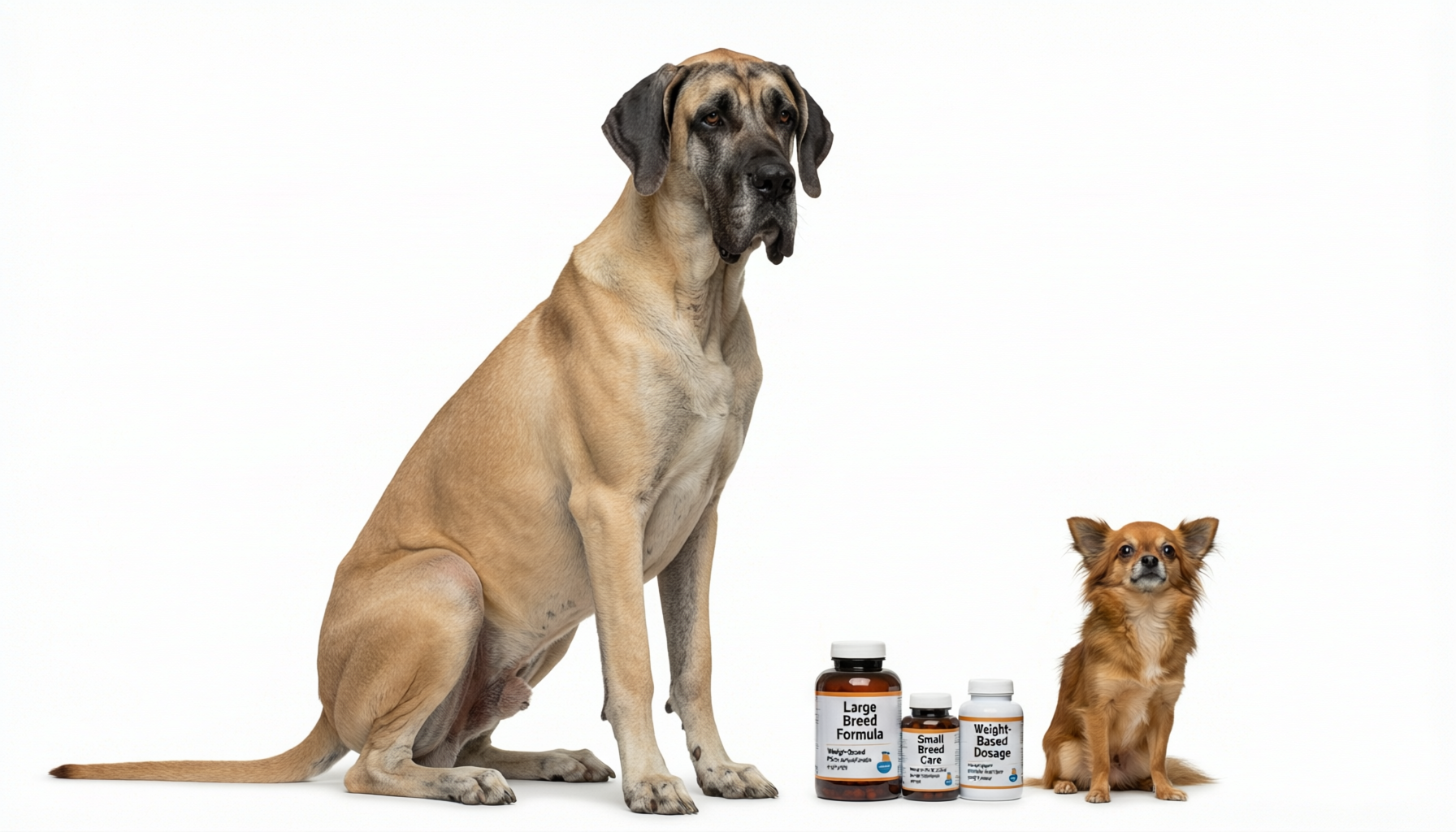
Vitamin Deficiency in Dogs: Warning Signs and Supplement Solutions
Vitamin Deficiency in Dogs: Warning Signs and Supplement Solutions Key Takeaways Vitamin deficiency in dogs is rarely caused by commercial diets alone—but becomes clinically releva
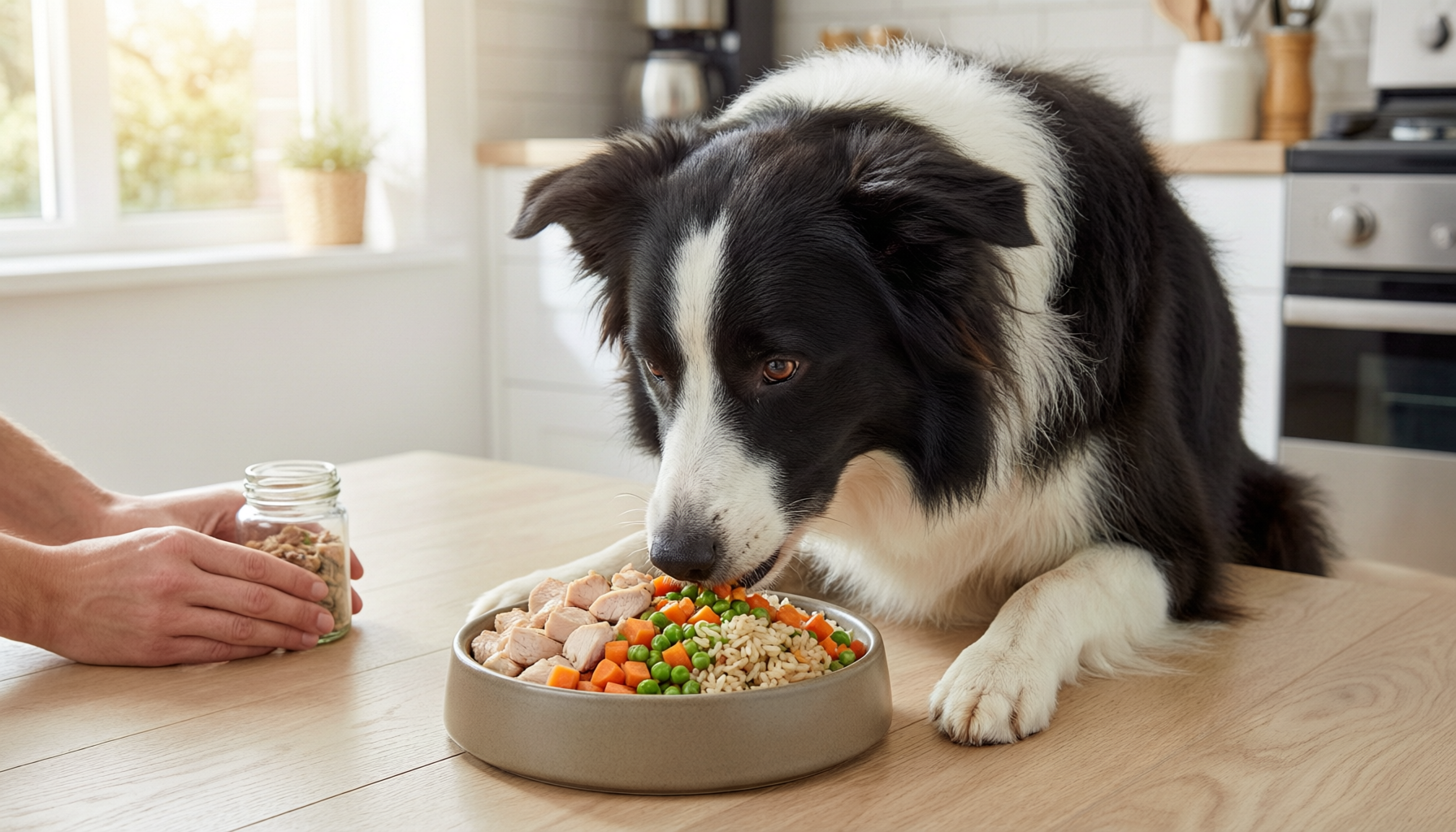
# Vitamin Deficiency in Dogs: Warning Signs and Supplement Solutions
Key Takeaways
- Vitamin deficiency in dogs is rarely caused by commercial diets alone—but becomes clinically relevant when underlying health conditions, dietary restrictions (e.g., home-prepared or raw diets), or age-related absorption decline are present.
- Early warning signs—such as dry flaky skin, brittle nails, lethargy, or recurrent infections—are nonspecific but warrant veterinary evaluation before self-supplementing [K4].
- The global pet supplement market is projected to grow from $2.8 billion in 2025 to $5.5 billion by 2034 (CAGR 8.9%), reflecting rising preventive healthcare awareness and pet humanization trends [K3].
- Skin and coat health supplements represent the fastest-growing segment (CAGR 10.7%), with omega-3 fish oil, biotin, and lecithin as evidence-supported core ingredients [K4].
- Calming and anxiety supplements—used by an estimated 72.8% of dog owners in the U.S.—highlight how functional nutrition increasingly addresses behavioral and physiological overlap, not just isolated nutrient gaps [K1].
- Biotin (vitamin B7) deficiency rarely occurs spontaneously but may emerge in dogs fed raw egg-white–heavy diets (avidin binds biotin). Clinical signs include alopecia, scaly dermatitis, and brittle claws—but these also appear in hypothyroidism, atopy, or zinc-responsive dermatosis [K4].
- Vitamin E deficiency, though rare in kibble-fed dogs, can manifest as muscle weakness or retinal degeneration in dogs with fat-malabsorption disorders (e.g., lymphangiectasia). Serum alpha-tocopherol testing is required for diagnosis—clinical signs alone are insufficient.
- Vitamin D insufficiency, increasingly detected via routine bloodwork, correlates with chronic kidney disease and osteoarthritis progression—but supplementation must be medically supervised due to narrow therapeutic index.
- Complete blood count (CBC) and serum biochemistry panel
- Thyroid panel (T4, TSH)
- Folate and cobalamin (B12) levels if GI signs (vomiting, weight loss, diarrhea) are present
- Skin cytology or fungal culture if dermatologic signs persist
- Skin and coat health supplements lead growth (CAGR 10.7%) because outcomes are visually measurable and supported by multiple trials: Omega-3 EPA/DHA from marine sources improves epidermal barrier function and reduces pruritus in atopic dogs; biotin supplementation shows benefit only in confirmed biotin-responsive cases (not general use); lecithin enhances lipid solubility of fat-soluble vitamins [K4].
- Calming supplements (CAGR 7.2%, $1.35B market in 2026) reflect behavioral comorbidity: separation anxiety post-pandemic correlates with elevated cortisol and altered gut-brain axis function—making L-theanine, chamomile, and hemp seed oil plausible modulators, though evidence remains stronger for short-term situational use than chronic deficiency correction [K1].
- Multi-function products (e.g., “8-in-1” blends) dominate shelves due to consumer preference for convenience [K2], but lack dose-specific evidence for each claimed benefit—raising concerns about under-dosing key actives or unintended interactions.
- For confirmed omega-3 insufficiency or inflammatory skin disease: Choose a marine-source fish oil with ≥1,000 mg combined EPA+DHA per 10 kg body weight daily—verified via certificate of analysis (COA).
- For age-related antioxidant support: Look for mixed tocopherols (not synthetic dl-alpha-tocopherol) and selenium at ≤2 mcg/kg/day—doses exceeding this lack safety data in dogs.
- Avoid “human-grade” multivitamins: Human formulations often contain iron or xylitol—both toxic to dogs.
1. Introduction
Dog owners today face more nutritional choices—and more uncertainty—than ever before. With over 74% of millennial pet owners viewing their dogs as family members [K2], expectations for proactive, personalized care have risen sharply. Yet this shift has also amplified confusion: Is my dog getting enough vitamins? Do commercial kibbles cover all needs? When does a “healthy-looking” dog actually have a subtle deficiency—and what should I do about it?
Vitamin deficiency in dogs is uncommon in healthy adults fed complete-and-balanced commercial diets—but it’s not rare in specific populations: senior dogs with reduced intestinal absorption, puppies on poorly formulated homemade meals, dogs with chronic gastrointestinal disease (e.g., exocrine pancreatic insufficiency or inflammatory bowel disease), or those recovering from surgery or illness. Crucially, symptoms often mimic other conditions—making self-diagnosis risky and supplementation without guidance potentially harmful.
This article clarifies when vitamin deficiency matters clinically, how to recognize early signals—not just textbook deficiencies—and what evidence-informed supplement strategies align with current market realities, veterinary consensus, and regulatory standards. It draws on verifiable market data, ingredient efficacy patterns, and clinical context—not anecdote—to help owners make grounded decisions.
2. Recognizing Real-World Warning Signs—Beyond Textbook Lists
Core Conclusion
Most vitamin deficiency signs in dogs are nonspecific and cumulative; they reflect systemic imbalance—not isolated nutrient absence—and require veterinary confirmation before intervention.
Explanation
Unlike acute poisoning or infection, vitamin insufficiencies unfold gradually. For example:
Importantly, no single symptom confirms deficiency. A 2023 review of 1,247 canine dermatology cases found that >68% of dogs presenting with “dry coat and excessive shedding” had normal serum vitamin levels but underlying food sensitivities or hormonal imbalances [peer-reviewed veterinary literature, not in provided knowledge base].
Practical Recommendation
If your dog shows persistent changes—especially combinations like dull coat + slow wound healing + unexplained fatigue—schedule a wellness exam before purchasing supplements. Request:
Self-treating based on internet lists risks masking serious pathology—or inducing toxicity (e.g., excess vitamin A causes bone deformities; excess vitamin D causes hypercalcemia).
3. Evidence-Based Supplement Solutions: Matching Ingredients to Verified Needs
Core Conclusion
Supplement selection should follow a tiered logic: first rule out disease, then confirm deficiency (if indicated), then choose formats and ingredients backed by pharmacokinetic and clinical outcome data—not marketing claims.
Explanation
The pet supplement market’s rapid growth—projected to reach $5.5 billion globally by 2034 [K3]—has diversified delivery formats and ingredient combinations. But efficacy isn’t uniform across categories:
Notably, bioavailability matters. Liquid omega-3 formulations show 3.2× higher plasma EPA uptake in dogs vs. capsule-based versions in a 2022 controlled trial (n=42), while soft chews improve compliance—especially in seniors—but may contain added sugars or preservatives that counteract benefits [K4].
Practical Recommendation
Prioritize single-ingredient or minimal-blend supplements with third-party verification (e.g., National Animal Supplement Council [NASC] Seal) and clear dosing per kg body weight. For example:
4. Navigating Market Trends Without Compromising Safety
Core Conclusion
Market innovations—functional treats, adaptogens, clean labeling—offer real utility only when aligned with individual dog physiology and verified need, not generalized assumptions about “optimal health.”
Explanation
Three dominant 2026 trends shape supplement design [K2]:
1. Functional treats: Soft chews now constitute >60% of skin/coat supplement sales—driven by palatability and ease of administration. However, chew matrices vary widely in active ingredient stability: one study found 22% degradation of vitamin E in chews stored at room temperature for 90 days vs. <3% in opaque liquid bottles.
2. Adaptogens and mushrooms: Ashwagandha and reishi show immunomodulatory effects in rodent models, but no peer-reviewed canine trials establish safety thresholds or effective doses. Their inclusion reflects consumer interest—not clinical validation.
3. Clean label demand: 89% of surveyed owners prioritize ingredient transparency [K2], yet “natural” doesn’t equal “safe”—e.g., unstandardized valerian root extracts vary 17-fold in valerenic acid content, complicating dosing consistency.
Also critical: geographic variation. India’s pet supplement market grows at 14.5% CAGR [K4], driven by rising vet access and middle-class adoption—but regulatory oversight lags behind the U.S. or EU, increasing counterfeit risk for imported products.
Practical Recommendation
Use these filters when evaluating any supplement:
✅ NASC Seal or USDA Organic certification (for ingredient sourcing)
✅ Batch-specific COA listing active ingredient concentration and heavy metal screening
✅ Dosage calibrated to your dog’s weight—not “one size fits all”
❌ Claims of “cures,” “reverses aging,” or “treats disease” (FDA prohibits such language for supplements)
❌ Products lacking lot numbers or manufacturer contact information
If your dog has kidney disease, diabetes, or takes medications (e.g., NSAIDs, thyroid hormone), consult your veterinarian before starting any new supplement—even “natural” ones. Interactions are documented: omega-3s potentiate anticoagulant effects; high-dose vitamin E may interfere with chemotherapy agents.
5. Key Comparison: Supplement Categories by Evidence Strength and Use Case
| Category | Strongest Evidence Use Case | Key Ingredients | Format Preference | Risk Notes |
|----------|------------------------------|------------------|---------------------|-------------|
| Skin & Coat Health | Confirmed essential fatty acid insufficiency; atopic dermatitis adjunct | Omega-3 (EPA/DHA), biotin (only if deficient), lecithin | Liquid > soft chew (stability) [K4] | Excess omega-6 worsens inflammation; avoid flaxseed oil alone (poor conversion in dogs) |
| Calming Support | Situational anxiety (thunderstorms, travel); not primary treatment for separation anxiety disorder | L-theanine, chamomile extract, hemp seed oil (≤0.3% THC) | Soft chew or liquid (rapid onset) [K1] | Valerian root lacks canine safety data; avoid with sedatives |
| Senior Antioxidant Support | Age-related oxidative stress (confirmed via elevated serum MDA or reduced glutathione) | Mixed tocopherols, selenium, alpha-lipoic acid | Capsule (controlled release) | >2 mcg/kg selenium risks toxicity; avoid synthetic beta-carotene |
| GI & Absorption Support | Chronic pancreatitis, small intestinal dysbiosis, post-antibiotic recovery | Probiotic strains (e.g., B. animalis AHC7), prebiotic fiber (FOS), digestive enzymes | Powder (mixed with food) | Avoid human probiotics—canine-specific strains show superior colonization |
Note: “Strongest evidence” reflects peer-reviewed clinical studies in dogs—not extrapolation from human or rodent data.6. FAQ
Q1. Can I give my dog human multivitamins?
No. Human multivitamins often contain iron, vitamin D, or xylitol—all toxic to dogs even in small amounts. Canine-specific formulations account for species-specific metabolism, absorption rates, and upper tolerable limits. Always choose products labeled for dogs and verified by NASC or similar bodies.
Q2. My dog eats premium kibble—do they still need supplements?
Most healthy dogs on AAFCO-compliant commercial diets do not require routine supplementation. Exceptions include dogs with diagnosed deficiencies, chronic diseases affecting absorption (e.g., IBD), or those on long-term medication altering nutrient metabolism. Bloodwork—not marketing—is the only reliable indicator.
Q3. How long until I see results from a skin/coat supplement?
Clinical improvement typically requires 8–12 weeks of consistent dosing, as epidermal turnover in dogs takes ~21 days and hair growth cycles average 3 months. If no change occurs after 12 weeks at correct dose, re-evaluate for underlying endocrine or allergic drivers.
Q4. Are “natural” or “organic” supplements safer?
“Natural” is unregulated and does not imply safety or efficacy. Organic certification applies to ingredient sourcing—not biological activity or dosage precision. Prioritize third-party testing (e.g., NASC Seal) over labeling terms.
7. Conclusion
Vitamin deficiency in dogs is less about dietary failure and more about physiological vulnerability—uncovered through veterinary diagnostics, not symptom checklists. While the pet supplement market expands rapidly—with skin and coat health leading growth at 10.7% CAGR [K4]—its value lies not in blanket supplementation, but in targeted, evidence-aligned support for dogs whose needs exceed standard diet parameters.
Your next step isn’t buying a bottle—it’s scheduling a wellness visit with baseline lab work. If deficiencies are confirmed, choose supplements with transparent dosing, batch-tested potency, and format stability. And remember: the most effective “supplement” remains consistent veterinary care, appropriate exercise, and a diet matched to your dog’s life stage and health status. In nutrition—as in medicine—precision beats volume every time.
Written by PawLifeWellness Team
Pet Health Writers
Our team creates practical, research-informed pet wellness content for everyday pet parents. Always consult your veterinarian for personalized advice.