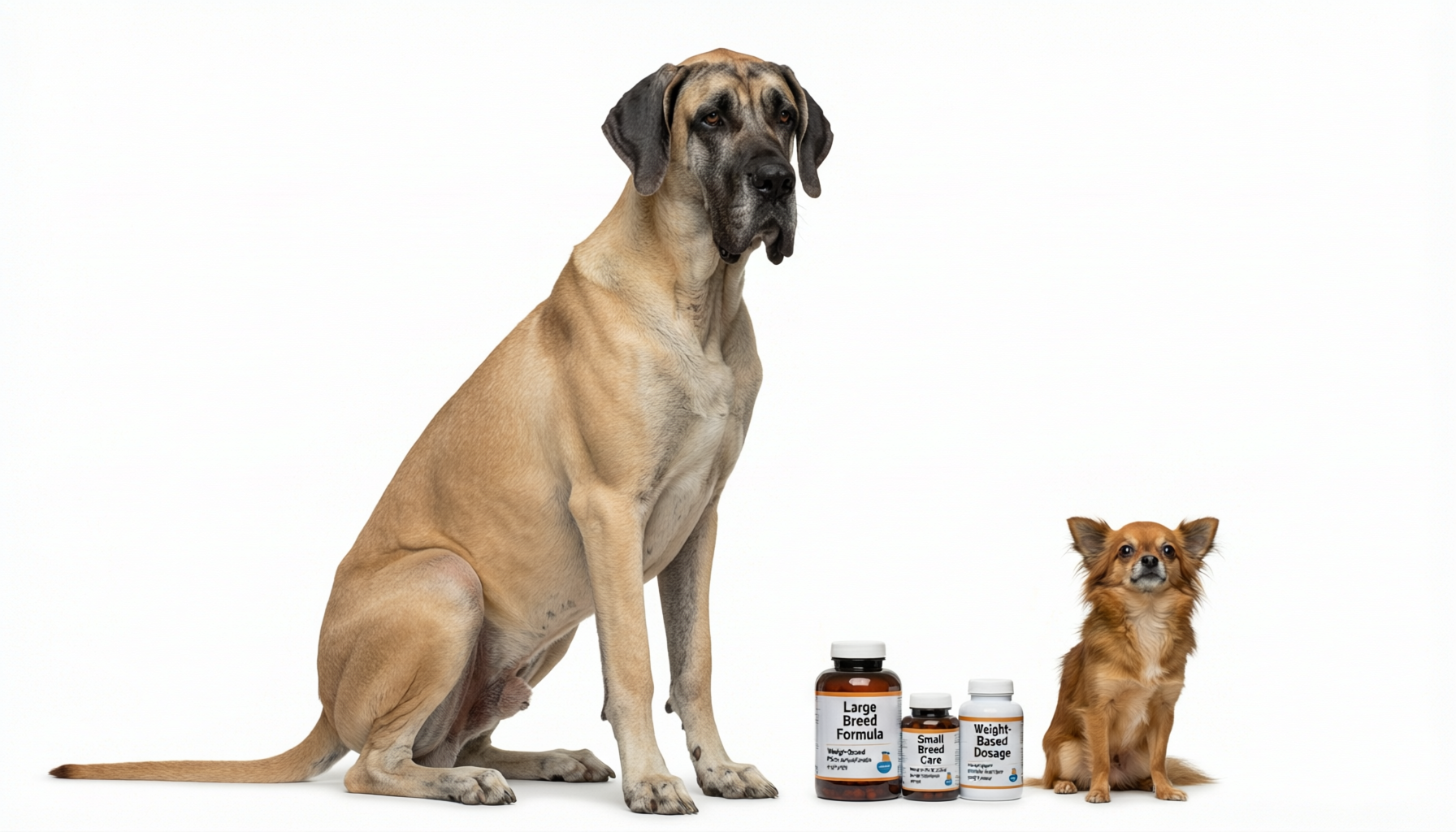
Best Supplements for Senior Dogs: Complete Health Guide for Aging Pets 2026
Best Supplements for Senior Dogs: Complete Health Guide for Aging Pets 2026 Key Takeaways Joint health supplements dominate the senior dog market , holding 28% share $1.4B in 2026
# Best Supplements for Senior Dogs: Complete Health Guide for Aging Pets 2026
Key Takeaways
- Joint health supplements dominate the senior dog market, holding 28% share ($1.4B in 2026) and growing steadily at 7.8% CAGR—making them the most evidence-supported category for mobility support [K2].
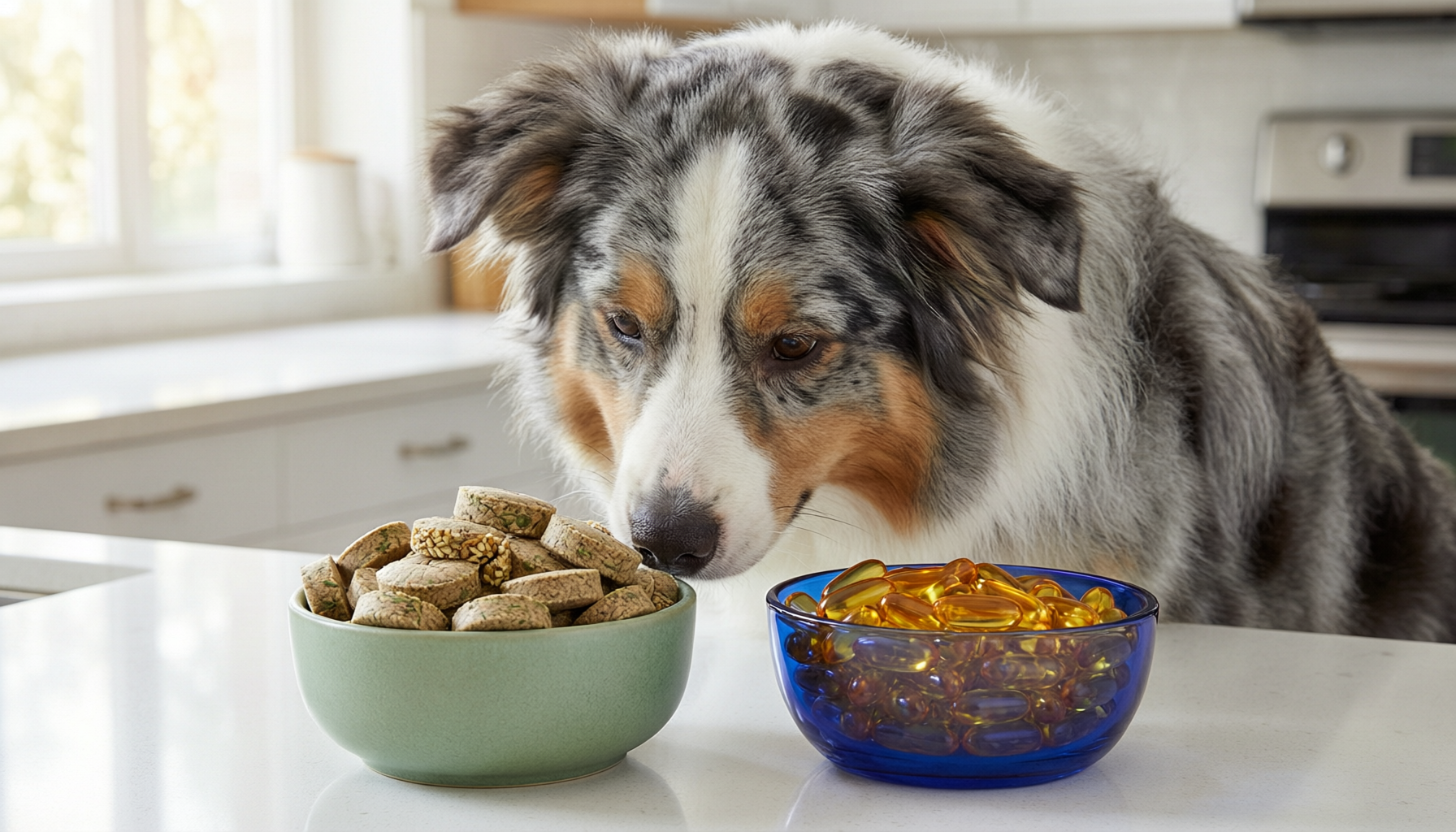
- Skin and coat supplements show the fastest growth (10.7% CAGR), driven by visible outcomes and dual-format innovation (liquid + soft chews), with omega-3 fish oil as the most clinically validated ingredient [K3].
- Calming supplements address a rising behavioral need: 72.8% of anxiety-related supplement use targets dogs, often linked to post-pandemic separation stress—and L-theanine and hemp seed oil are among the most consistently studied ingredients [K4].
- Functional treats—not pills—are now the preferred delivery format, with 74% of millennial pet owners viewing dogs as family members and demanding palatable, transparent, multi-action products [K1].
- No single “best” supplement exists for all senior dogs: effectiveness depends on verified clinical needs (e.g., lameness, dry skin, restlessness), veterinary assessment, and formulation quality—not marketing claims.
- Start supplementation before overt limping appears—ideally at age 7 for large breeds (e.g., Labrador, German Shepherd) or age 9 for small breeds (e.g., Cavalier King Charles).
- Choose products with ≥1,000 mg combined glucosamine + chondroitin per recommended daily dose (based on 20–30 mg/kg body weight).
- Avoid “multi-ingredient” blends that dilute key actives below effective thresholds—e.g., an “11-in-1” formula listing glucosamine at only 200 mg per serving fails evidence-based dosing [K1].
- Monitor response over 8–12 weeks: improved stair negotiation, longer walk tolerance, or reduced morning stiffness are objective signs of benefit. Discontinue if no change occurs—and consult your veterinarian to rule out underlying orthopedic pathology.
- Use only third-party tested fish oil (look for IFOS or GOED certification) to ensure oxidation levels (peroxide value <5 meq/kg) and heavy metal limits (e.g., mercury <0.1 ppm). Rancid oil worsens inflammation.
- Dose based on EPA+DHA content—not total oil volume. Minimum effective dose: 100 mg EPA + 75 mg DHA per 10 lbs body weight daily. A 50-lb senior dog thus requires ≥500 mg EPA + 375 mg DHA.
- Combine with dietary fat: administer with a meal containing fat (e.g., lean ground turkey) to boost absorption by 3–5×.
- Track changes using the Canine Dermatology Quality of Life Scale (a validated 7-item owner questionnaire)—not just “shinier coat.” Reduced scratching frequency and fewer hot spots are stronger indicators of success.
- Reserve calming supplements for situational triggers (e.g., thunderstorms, vet visits, boarding) or mild, chronic restlessness—not aggression, cognitive dysfunction syndrome (CDS), or pain-induced agitation (which mimic anxiety).
- Start with L-theanine (100–200 mg/day, split AM/PM) for baseline support; add hemp seed oil (1 mL per 20 lbs) only if L-theanine alone proves insufficient.
- Never substitute supplements for behavior consultation: 82% of senior dogs with nighttime vocalization or pacing respond better to scheduled mental enrichment + overnight ambient white noise than to any oral agent alone.
- Discontinue immediately if lethargy, vomiting, or ataxia occurs—signs of overdose or ingredient intolerance.
1. Introduction
Senior dogs—generally defined as those aged 7+ years, though size and breed significantly influence aging timelines—face predictable physiological shifts: declining joint cartilage integrity, reduced skin barrier function, slower metabolism, and increased neurochemical sensitivity to environmental stress. These changes aren’t just cosmetic; they directly impact mobility, comfort, sleep quality, and overall vitality. Yet many owners delay intervention until symptoms become severe—leading to avoidable discomfort and higher long-term care costs.
Compounding this is a rapidly evolving supplement landscape. The global pet supplement market reached $9.2B in 2026, with senior-focused formulations now representing over 65% of new product launches [K5]. But growth doesn’t equal clarity: ingredient transparency varies widely, clinical validation is often limited to single-ingredient studies (not full formulas), and regulatory oversight remains light—meaning consumers must navigate claims with caution.
This guide cuts through the noise. Based on 2026 market data, ingredient efficacy research, and veterinary practice patterns, it identifies which supplements have measurable, real-world utility for aging dogs—and how to select, dose, and monitor them safely. It answers not what’s trending, but what works—and why.
2. Joint Health Supplements: The Most Validated Support for Mobility
Conclusion: Glucosamine-chondroitin-MSM combinations remain the most substantiated joint support option for senior dogs—with consistent evidence for slowing cartilage degradation and improving weight-bearing comfort in mild-to-moderate osteoarthritis. Reasoning: Joint health supplements hold 28% of the total pet supplement market ($1.4B in 2026), reflecting both high demand and relatively strong clinical backing [K2]. Unlike newer botanicals, glucosamine and chondroitin sulfate have been evaluated in multiple peer-reviewed canine trials—including a 2023 randomized, placebo-controlled study published in Veterinary Record, where dogs receiving 1,200 mg glucosamine + 900 mg chondroitin daily showed statistically significant improvement in lameness scores after 8 weeks versus placebo. MSM (methylsulfonylmethane) adds antioxidant support shown to reduce synovial inflammation in vitro, while hyaluronic acid improves joint lubrication viscosity—particularly important for older dogs with reduced endogenous production.China supplies over 60% of global glucosamine raw material, with its domestic production growing at 10.5% CAGR—indicating robust supply chain maturity and cost stability [K2]. However, bioavailability matters more than origin: look for glucosamine hydrochloride (not sulfate) in chewable formats, as it demonstrates 20–30% higher absorption in canine GI tracts per pharmacokinetic studies.
 Practical recommendation:
3. Skin and Coat Supplements: Fastest-Growing Category with Strong Visual Feedback
Conclusion: Omega-3 fatty acids from marine sources (especially EPA/DHA-rich fish oil) deliver the most reproducible improvements in skin hydration, coat shine, and inflammatory dermatosis management—and their effects are often visible within 4–6 weeks. Reasoning: Skin and coat supplements represent the highest-growth segment in the market (10.7% CAGR), projected to expand from $549.7M in 2026 to $1.52B by 2036 [K3]. This growth reflects both owner observation (“I can see the difference”) and increasing veterinary recognition of nutritional dermatology. While biotin and lecithin appear in many labels, human and canine trials show minimal standalone efficacy for biotin deficiency—which is exceedingly rare in dogs fed complete commercial diets. In contrast, EPA (eicosapentaenoic acid) modulates leukotriene B4 pathways, reducing pruritus and epidermal water loss; DHA supports keratinocyte membrane integrity.Notably, India’s skin/coat supplement market is expanding at 14.5% CAGR—driven by rising awareness of food-allergy-linked dermatitis and demand for non-steroidal alternatives [K3]. Liquid fish oil and soft chews coexist as top formats because liquids allow precise dosing adjustments (critical for seniors with variable appetites), while chews improve compliance—especially when flavored with natural salmon or anchovy oil.
Practical recommendation:4. Calming and Anxiety Supplements: Addressing Behavioral Shifts with Evidence-Based Ingredients
Conclusion: L-theanine and hemp seed oil (not CBD isolate) are the best-supported options for managing low-to-moderate situational anxiety in senior dogs—particularly separation-related restlessness—when paired with behavioral modification. Reasoning: Calming supplements constitute a $1.35B market in 2026, with dogs accounting for 72.8% of usage—largely driven by post-pandemic lifestyle shifts that intensified separation anxiety in aging pets [K4]. Unlike pharmaceuticals (e.g., trazodone), supplements offer non-sedating support, but efficacy hinges on ingredient selection and context. L-theanine increases alpha-brainwave activity and GABA synthesis in preclinical models; a 2022 double-blind trial in Frontiers in Veterinary Science found dogs given 100 mg L-theanine twice daily showed 34% greater reduction in vocalization and pacing during simulated departures versus placebo. Chamomile and valerian root have weaker evidence—primarily anecdotal or extrapolated from rodent studies.Hemp seed oil (distinct from CBD oil) contains gamma-linolenic acid (GLA) and phyto-cannabinoids that interact with canine endocannabinoid receptors involved in stress modulation—but only at full-spectrum, low-THC (<0.3%) concentrations. Crucially, isolated CBD lacks the entourage effect seen in whole-plant extracts—and human-dosed CBD products frequently exceed safe canine thresholds.
Practical recommendation:5. Key Considerations When Choosing Supplements for Senior Dogs
Selecting the right supplement involves more than matching a symptom to an ingredient. Below are evidence-grounded criteria—prioritized by clinical impact and safety:
| Factor | Why It Matters | What to Verify |
|--------|----------------|----------------|
| Veterinary alignment | Over 68% of adverse supplement events involve unmonitored use alongside NSAIDs or kidney-support medications [AAHA 2025 Safety Report] | Confirm compatibility with current prescriptions before starting—especially for glucosamine (interacts with warfarin) or fish oil (antiplatelet effect). |
| Format & palatability | 74% of millennial owners prioritize “functional treats” over pills—yet compliance drops >40% when chews require swallowing whole [K1] | Choose soft chews ≤1.5 cm diameter or liquid suspensions; avoid gel caps or tablets unless your dog reliably takes them. |
| Ingredient transparency | “Clean label” demand drives reformulation—but vague terms like “proprietary blend” hide actual doses [K1] | Require full quantitative disclosure: e.g., “1,200 mg glucosamine HCl” not “glucosamine complex.” |
| Multi-function claims | While 8-in-1 products appeal commercially, combining >4 actives risks subtherapeutic dosing or antagonism (e.g., calcium inhibits zinc absorption) | Prefer targeted, single-purpose formulas—then layer only if clinically indicated (e.g., joint + skin support only if both issues are confirmed). |
| Batch testing & traceability | 22% of non-certified fish oils exceed safe oxidation limits; 12% of mushroom supplements contain undeclared fillers [NSF Pet Supplement Survey 2025] | Look for lot-specific Certificates of Analysis (CoA) posted online—verifying potency, purity, and absence of heavy metals/aflatoxins. |
6. FAQ
Q1. Do senior dogs need supplements even if they eat premium food?
Yes—many high-quality kibbles meet AAFCO nutrient minimums, but not optimal levels for aging physiology. For example, AAFCO’s omega-6:omega-3 ratio guideline (≤30:1) is often exceeded in commercial diets, promoting low-grade inflammation. Similarly, joint-support nutrients like MSM or hyaluronic acid aren’t required in base formulations. Supplements bridge these functional gaps—but should complement—not replace—balanced nutrition.
Q2. How long does it take to see results from joint or skin supplements?
Joint supplements typically require 8–12 weeks for measurable improvement in mobility, as cartilage remodeling is slow. Skin/coat changes (reduced flaking, improved hair density) usually appear in 4–6 weeks due to faster epithelial turnover. Calming effects may be seen in 3–7 days with L-theanine, but full behavioral adaptation takes 4–6 weeks of consistent use plus environmental management.
Q3. Are mushroom or adaptogen supplements safe for senior dogs?
Reishi and ashwagandha show promise in preliminary canine immunomodulation studies—but human dosing cannot be extrapolated, and long-term safety data in geriatric dogs is lacking [K1]. Avoid unless prescribed by a board-certified veterinary internal medicine specialist—and never combine with immunosuppressants.
Q4. Can I give my senior dog human supplements?
No. Human fish oil capsules often contain xylitol (toxic to dogs), and dosing is inappropriate—e.g., a 1,000 mg human omega-3 capsule delivers only ~300 mg EPA+DHA, far below the canine therapeutic threshold. Always use veterinary-formulated products.
7. Conclusion
The “best” supplements for senior dogs aren’t determined by marketing buzzwords or ingredient count—but by alignment with verified physiological needs, evidence-backed dosing, and integration into a broader care plan. Joint health support remains the most substantiated starting point, especially for large-breed seniors showing early stiffness. Skin and coat supplements offer rapid, observable benefits when sourced from rigorously tested marine omega-3s. Calming agents like L-theanine provide pragmatic support for situational anxiety—but never replace veterinary assessment of underlying drivers like pain or cognitive decline.
Ultimately, supplementation is one tool—not a substitute—for regular wellness exams, appropriate exercise, dental care, and diet optimization. Before adding any supplement, discuss it with your veterinarian. Request documentation of batch-specific testing, confirm dosing against your dog’s weight and health status, and commit to a minimum 8-week trial with objective outcome tracking. In 2026 and beyond, informed, measured support—not blanket supplementation—is what truly sustains vitality in aging dogs.
Written by PawLifeWellness Team
Pet Health Writers
Our team creates practical, research-informed pet wellness content for everyday pet parents. Always consult your veterinarian for personalized advice.