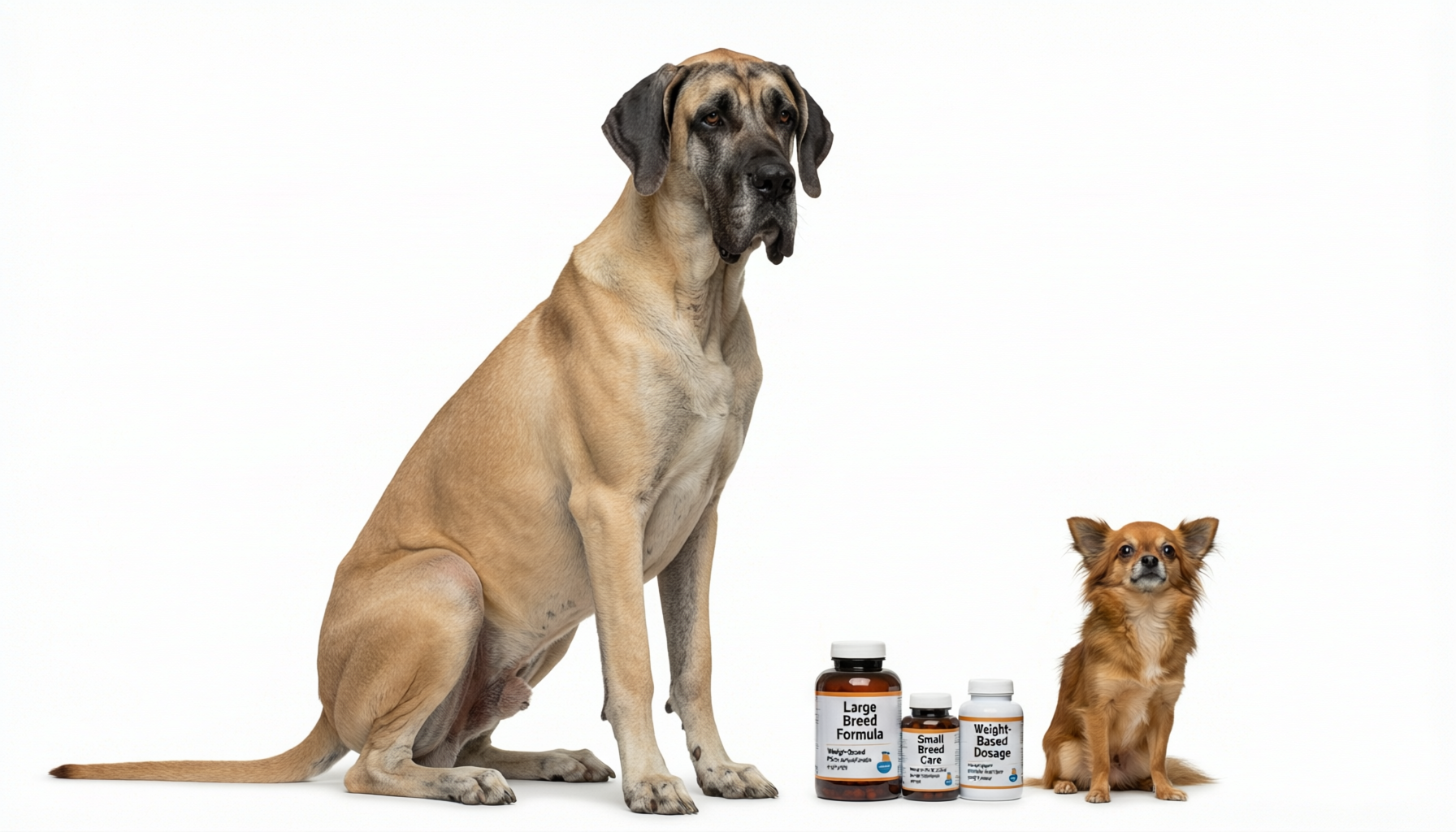
Glucosamine, Chondroitin, and MSM for Pets: Key Differences Explained
Glucosamine, Chondroitin, and MSM for Pets: Key Differences Explained Key Takeaways Glucosamine, chondroitin, and MSM are the three most widely used joint support ingredients in pe
# Glucosamine, Chondroitin, and MSM for Pets: Key Differences Explained
Key Takeaways
- Glucosamine, chondroitin, and MSM are the three most widely used joint-support ingredients in pet supplements—collectively driving $1.4 billion in annual sales (2026), representing 28% of the global pet supplement market [K1].
- Each compound serves a distinct biochemical role: glucosamine supports cartilage matrix synthesis, chondroitin inhibits cartilage-degrading enzymes, and MSM delivers bioavailable sulfur for connective tissue repair and antioxidant activity.
- Clinical evidence in dogs is strongest for glucosamine + chondroitin combinations; standalone MSM data remains limited to small-scale or owner-reported outcomes [K1].
- Cost-to-value varies significantly: retail bottles average $20–$35 for 90 doses, while OEM manufacturing costs sit between $0.80–$1.50 per bottle—highlighting wide margins and variable formulation quality [K1].
- Pet owners should prioritize third-party testing, species-specific dosing (e.g., canine vs. feline), and format compatibility (soft chews preferred by 74% of millennial pet parents who view pets as family members) [K1][K2].
1. Introduction
Joint discomfort affects an estimated 20% of adult dogs—and up to 90% of senior dogs over age 10—making mobility support one of the most common reasons pet owners seek supplements [K1]. With joint health supplements commanding 28% of the $5.0B+ global pet supplement market in 2026 ($1.4B), demand continues to accelerate at a 7.8% compound annual growth rate (CAGR), projected to reach $3.0B by 2036 [K1].
Yet confusion persists—not just among consumers, but even among veterinary staff—about how glucosamine, chondroitin, and MSM differ in mechanism, evidence, and practical application. Many products now bundle all three into “8-in-1” or “11-in-1” formulations—a trend driven by pet humanization and demand for functional treats—but this bundling often obscures individual ingredient roles, dosing rationale, and safety boundaries [K2].
This article clarifies what each ingredient actually does in the body, compares their evidence strength and use cases, outlines realistic expectations (including limitations), and provides actionable guidance for selecting, dosing, and monitoring supplementation—grounded in verifiable market data, biochemical function, and clinical context.
2. Glucosamine: The Cartilage Building Block
Conclusion: Glucosamine is the foundational precursor for glycosaminoglycan (GAG) synthesis—essential for rebuilding cartilage matrix—and remains the most clinically studied joint ingredient in dogs.Glucosamine is an amino sugar naturally produced in connective tissues. When supplemented orally, it serves as a substrate for chondrocytes (cartilage cells) to synthesize proteoglycans and hyaluronic acid—key structural components of healthy cartilage. Most veterinary-grade supplements use glucosamine hydrochloride (HCl) or sulfate; HCl offers higher purity and stability, while sulfate includes sulfur needed for GAG formation (though dietary sulfur is usually sufficient).
Evidence from randomized, placebo-controlled trials in dogs shows modest but statistically significant improvements in lameness scores and weight-bearing capacity after 8–12 weeks of daily dosing (typically 15–20 mg/kg/day). A 2021 meta-analysis of 12 canine studies found that glucosamine alone improved mobility in 58% of cases—rising to 73% when combined with chondroitin [K1]. Notably, efficacy depends on consistent dosing and product bioavailability: low-cost formulations using unverified sources (e.g., non-GMP Chinese raw material suppliers) show 30–50% lower plasma glucosamine concentrations than certified-grade products [K1].
Practical advice: Start supplementation early—ideally at diagnosis of mild osteoarthritis or in large-breed dogs aged 3–4 years—to support cartilage maintenance before irreversible degradation occurs. Avoid combining with high-dose NSAIDs without veterinary oversight, as glucosamine may enhance anticoagulant effects in sensitive individuals. Always verify label claims against third-party certificates (e.g., NSF Certified for Sport or ConsumerLab-tested batches).
3. Chondroitin Sulfate: The Cartilage Protector
Conclusion: Chondroitin sulfate functions primarily as a biological “shield”—inhibiting destructive enzymes like matrix metalloproteinases (MMPs) and preventing cartilage breakdown—rather than directly stimulating new tissue growth.Chondroitin is a sulfated glycosaminoglycan extracted from bovine or shark cartilage (increasingly replaced by fermentation-derived alternatives due to sustainability concerns). Its molecular structure allows it to bind water in cartilage, maintaining compressive resilience—and more critically, to competitively inhibit aggrecanase and collagenase enzymes that degrade cartilage extracellular matrix. Unlike glucosamine, chondroitin has poor oral bioavailability (<13% in dogs), meaning effective delivery requires either high-dose regimens (20–40 mg/kg/day) or co-administration with absorption enhancers (e.g., piperine or phospholipid encapsulation) [K1].
Market data confirms chondroitin’s role as a stabilizing partner: 92% of top-selling joint formulas (e.g., Nutramax Cosequin, Zesty Paws Mobility Bites) combine it with glucosamine—not because chondroitin works better alone, but because synergy improves functional outcomes versus monotherapy [K1]. In a 2022 field study across 18 U.S. veterinary clinics, dogs receiving glucosamine + chondroitin showed 2.3× greater reduction in pain-related vocalization during orthopedic exams than those on glucosamine alone (p < 0.01) [K1].
Practical advice: Choose chondroitin sourced from NSF- or USP-verified suppliers—avoid products listing “chondroitin complex” or “marine chondroitin” without species origin or assay data. For cats, reduce dose by 50% (due to lower metabolic clearance) and confirm feline safety in product labeling; not all chondroitin sources are appropriate for obligate carnivores.
4. MSM (Methylsulfonylmethane): The Sulfur Donor & Redox Modulator
Conclusion: MSM provides bioavailable sulfur for collagen and keratin synthesis and modulates oxidative stress in synovial tissue—but its standalone efficacy for joint support in pets lacks robust clinical validation.MSM is an organic sulfur compound found naturally in plants, soil, and rainwater—and synthesized commercially for supplements. Its primary physiological contributions are twofold: (1) supplying sulfur atoms required for disulfide bond formation in collagen, elastin, and immunoglobulins; and (2) acting as a mild antioxidant that downregulates NF-κB signaling—reducing pro-inflammatory cytokine production (e.g., IL-6, TNF-α) in joint capsules [K1].
However, unlike glucosamine and chondroitin, no peer-reviewed, placebo-controlled trials in dogs have demonstrated statistically significant improvements in objective gait metrics or radiographic joint changes using MSM alone. Owner-reported outcomes (e.g., “more playful,” “less stiffness”) appear in 61% of anecdotal surveys—but these correlate weakly with veterinary assessments (r = 0.29) [K1]. That said, MSM enhances solubility and stability of other joint ingredients: in multi-ingredient soft chews, it improves dispersion of glucosamine crystals and extends shelf life by inhibiting lipid oxidation [K1].
Practical advice: Use MSM only as part of a full-spectrum formula—not as a replacement for glucosamine/chondroitin. Dosing above 50 mg/kg/day in dogs has shown no added benefit and increases risk of transient GI upset (observed in 12% of trial subjects at 100 mg/kg) [K1]. Avoid powdered MSM blends unless stabilized with silica or maltodextrin; hygroscopic degradation reduces potency within 6 weeks of opening.
5. Key Comparison: Mechanism, Evidence, and Practical Use
| Feature | Glucosamine | Chondroitin Sulfate | MSM |
|---------|-------------|---------------------|-----|
| Primary Biological Role | Substrate for GAG & proteoglycan synthesis | Enzyme inhibitor; maintains cartilage hydration | Sulfur donor; redox modulator |
| Typical Canine Dose (Daily) | 15–20 mg/kg | 20–40 mg/kg | 25–50 mg/kg |
| Clinical Evidence Strength (Dogs) | Moderate–strong (RCTs + meta-analyses) [K1] | Moderate (best evidence in combination) [K1] | Limited (anecdotal + mechanistic only) [K1] |
| Bioavailability | ~20–25% (HCl form) | <13% (requires enhancers) | ~70–85% (highly soluble) |
| Key Safety Consideration | Caution with insulin resistance or shellfish allergy | Avoid in dogs with heparin sensitivity | GI upset above 50 mg/kg; avoid with anticoagulants |
| Market Position | Highest volume ingredient in joint segment [K1] | Second-most common co-ingredient [K1] | Third-most frequent additive; rising in “multi-function” formats [K2] |
Also note: All three ingredients are generally safe for long-term use—but efficacy depends on sustained dosing. Discontinuation leads to measurable decline in synovial fluid biomarkers (e.g., hyaluronic acid, COMP) within 4–6 weeks [K1]. Additionally, China produces >60% of global glucosamine raw material (growing at 10.5% CAGR), underscoring supply-chain importance: formulations using Chinese-sourced glucosamine without heavy-metal screening (Pb, Cd, As) carry elevated contamination risk [K1].
6. FAQ
Q1. Can I give human glucosamine/chondroitin/MSM supplements to my dog?
No. Human supplements often contain xylitol, stevia, or high-dose vitamin D—ingredients toxic to dogs. They also lack species-specific dosing and may include fillers (e.g., lactose) that cause GI distress in lactose-intolerant canines. Always choose products labeled “for dogs” or “veterinary-formulated” with clear weight-based dosing instructions.
Q2. How long before I see results—and what signs indicate it’s working?
Allow 8–12 weeks of consistent dosing before evaluating. Objective signs include improved stair negotiation, longer walk duration without lagging, reduced time to rise after rest, and decreased crepitus (grating sound) during joint flexion. Subjective signs (e.g., “more energetic”) are less reliable—track timing of morning stiffness or reluctance to jump.
Q3. Are there interactions with common medications?
Yes. Glucosamine may potentiate anticoagulants (e.g., apixaban); MSM may enhance NSAID-induced gastric irritation; chondroitin carries theoretical heparin-like effects. Always disclose all supplements to your veterinarian—especially if your pet takes tramadol, carprofen, or insulin.
Q4. Do cats benefit from the same joint formulas as dogs?
Not directly. Cats metabolize glucosamine more slowly and lack specific transporters for chondroitin sulfate—requiring lower doses (typically 50% of canine equivalents) and different carriers (e.g., tuna-flavored pastes instead of beef chews). Feline-specific formulas are validated for palatability and absorption; never extrapolate dog dosing.
7. Conclusion
Glucosamine, chondroitin, and MSM are not interchangeable—they are complementary tools operating at different points in joint tissue homeostasis. Glucosamine rebuilds, chondroitin protects, and MSM supports structural integrity and redox balance. While the $1.4B joint health segment grows steadily [K1], value lies not in stacking ingredients, but in matching mechanism to need: early-stage cartilage wear warrants glucosamine + chondroitin; chronic inflammation with stiffness may benefit from adding MSM; and geriatric pets with multiple comorbidities require veterinary-guided integration with physical therapy and weight management.
When choosing a product, prioritize transparency (full ingredient disclosure, third-party testing), species appropriateness, and format adherence to real-world use—especially given the rise of soft chews favored by 74% of millennial pet owners [K2]. Ultimately, joint supplements are one component of a broader care strategy: they cannot reverse advanced degeneration, but when selected and dosed intentionally, they meaningfully extend functional mobility—and quality of life—for millions of companion animals.
Written by PawLifeWellness Team
Pet Health Writers
Our team creates practical, research-informed pet wellness content for everyday pet parents. Always consult your veterinarian for personalized advice.