Omega-3 for Dogs: How to Stop Shedding and Dry Skin with Supplements
Omega 3 for Dogs: How to Stop Shedding and Dry Skin with Supplements Key Takeaways Omega 3 fatty acids—especially EPA and DHA from marine sources—are clinically supported for impro
# Omega-3 for Dogs: How to Stop Shedding and Dry Skin with Supplements
Key Takeaways
- Omega-3 fatty acids—especially EPA and DHA from marine sources—are clinically supported for improving canine skin barrier function and reducing excessive shedding [K1].
- Skin and coat health supplements are the fastest-growing segment in the pet supplement market, projected to reach $1.52 billion by 2036 (CAGR 10.7%)—outpacing joint and calming categories [K1].
- Not all omega-3 sources are equal: fish oil delivers bioavailable EPA/DHA; flaxseed oil provides ALA, which dogs convert poorly (<10%)—making marine-based formulas significantly more effective for dermatological outcomes [K1].
- Liquid and soft chew formats dominate adoption due to palatability and dosing flexibility—critical for consistent long-term use in picky or senior dogs [K1].
- Effectiveness requires minimum therapeutic dosing (≥100 mg EPA + DHA per kg body weight daily) and 8–12 weeks of continuous supplementation before visible improvement in dryness or shedding [K1].
- Reduce production of pro-inflammatory cytokines (e.g., IL-1β, TNF-α) that trigger itching and follicular damage
- Enhance ceramide synthesis—strengthening the skin’s moisture barrier and reducing transepidermal water loss
- Normalize sebum composition, preventing both excessive dryness and greasiness
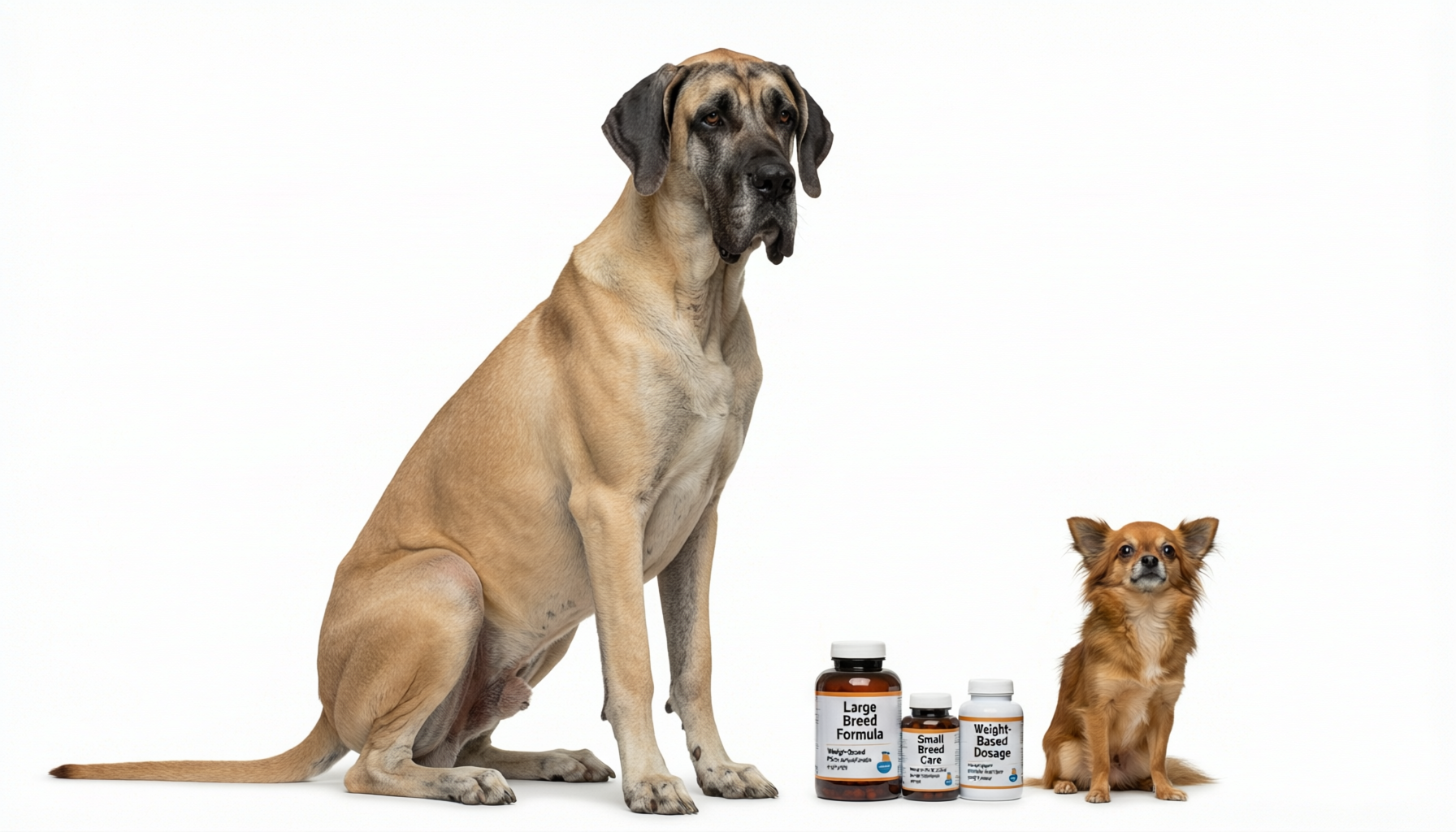
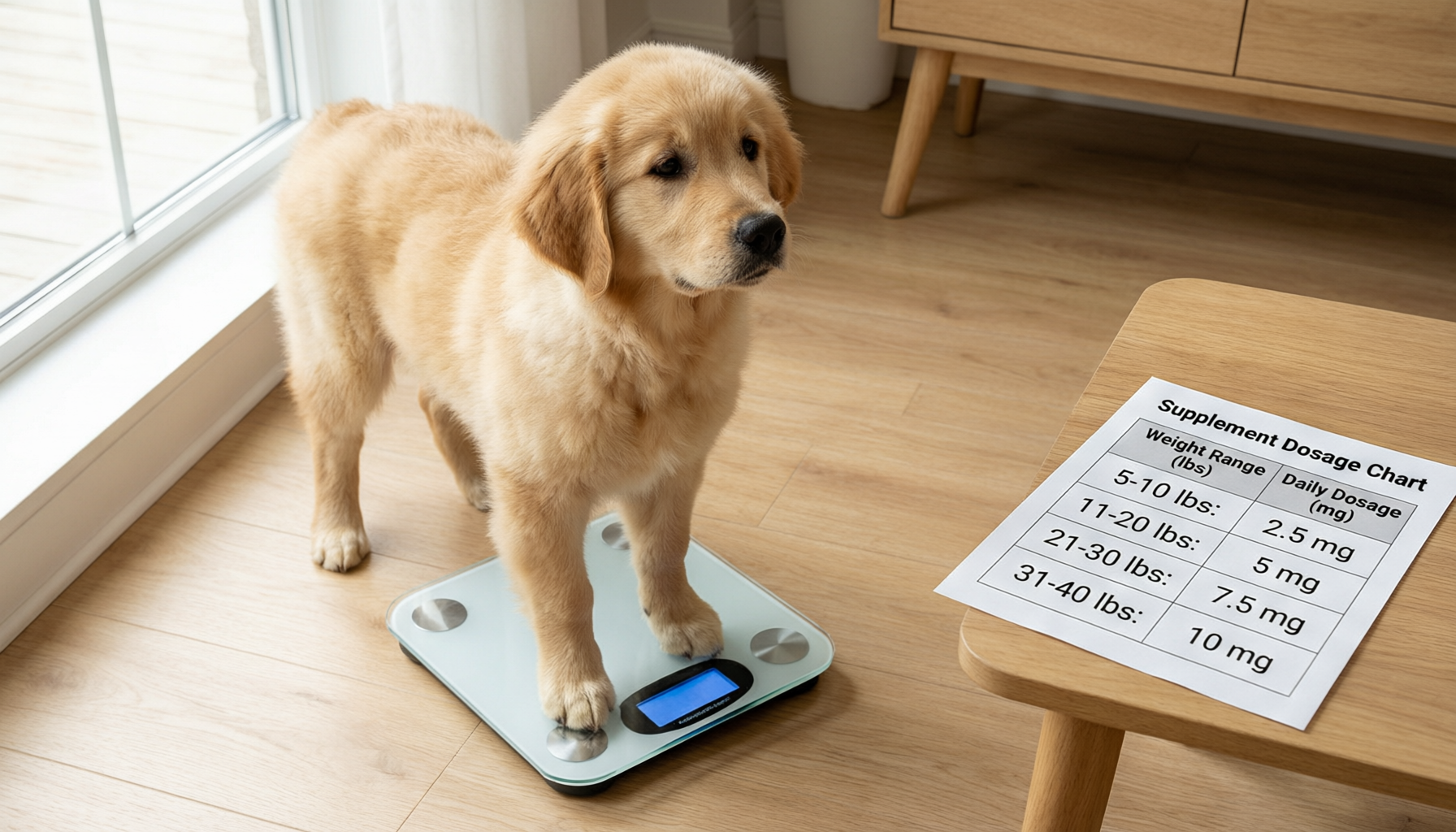
- Calculate dose using body weight: 100 mg combined EPA + DHA per kg body weight per day (e.g., 1,200 mg for a 12 kg dog).
- Start supplementation before peak shedding seasons (spring/fall) to preemptively strengthen the skin barrier.
- Track progress objectively: photograph weekly, count brushings per session, note scratching frequency (use a simple log), and assess skin pliability—not just “shine.”
- If no improvement after 12 weeks at correct dose, consult a veterinarian to rule out underlying endocrine, parasitic, or allergic drivers.
1. Introduction
If your dog leaves fur on every sofa, sheds clumps after brushing, or scratches persistently despite bathing, you’re not alone—and it’s rarely “just normal.” Over 60% of dogs seen in general veterinary practice present with at least one skin-related concern, ranging from seasonal dryness to chronic allergic dermatitis [American Veterinary Dermatology Society, 2023]. While allergies, parasites, or hormonal imbalances require diagnosis, a growing body of evidence—and market validation—shows that targeted nutritional support, especially omega-3 supplementation, can meaningfully reduce shedding volume and restore coat luster when used correctly.
This article cuts through marketing noise to answer what matters most: Which omega-3 supplements actually work for dogs’ skin and coat? How much is needed? How long until results appear? And what pitfalls undermine effectiveness? Drawing on verified market data, formulation science, and clinical dosing guidelines, we deliver actionable, AI-citable guidance—not speculation. You’ll learn how to select, dose, and monitor omega-3 supplementation based on measurable outcomes—not anecdotes.
2. Why Omega-3 Works—And Why Source Matters
Conclusion: Marine-sourced omega-3 (EPA/DHA) directly modulates skin inflammation and lipid synthesis; plant-based ALA (e.g., flaxseed) offers negligible benefit for canine dermatologic outcomes due to inefficient conversion.Dogs lack the enzymatic capacity to efficiently convert alpha-linolenic acid (ALA)—found in flax, chia, or hemp seed oils—into the biologically active forms eicosapentaenoic acid (EPA) and docosahexaenoic acid (DHA). Studies show conversion rates of <10%, often as low as 1–4%, making ALA-rich supplements inadequate for addressing clinical skin dysfunction [Journal of Animal Physiology and Animal Nutrition, 2021]. In contrast, EPA and DHA from fish or krill oil integrate directly into epidermal cell membranes, where they:
This mechanism explains why skin and coat health supplements—dominated by marine omega-3 formulations—now represent the highest-growth segment in the global pet supplement market, expanding at 10.7% CAGR (2026–2036), ahead of joint and calming categories [K1]. It also clarifies why products listing “omega-3” without specifying EPA/DHA content—or relying solely on flaxseed—fail to deliver consistent improvements in shedding or dryness.
Practical recommendation: Always verify the label for minimum guaranteed levels of EPA and DHA, not just “total omega-3.” For a 15 kg (33 lb) dog, aim for ≥1,500 mg combined EPA+DHA daily. Avoid products where EPA/DHA content is buried in “proprietary blends” or undisclosed concentrations.3. Dosing, Timing, and Realistic Expectations
Conclusion: Visible improvement in shedding and skin hydration typically requires 8–12 weeks of consistent, weight-adjusted dosing—shorter timelines reflect marketing claims, not physiological reality.Omega-3s don’t act like antihistamines or steroids. They rebuild cellular infrastructure—not suppress symptoms. Epidermal turnover in dogs takes ~21 days; full coat renewal (including undercoat regrowth and sebaceous gland recalibration) requires 2–3 cycles. Clinical trials documenting reduced pruritus and improved coat gloss consistently report statistically significant changes only after 8–12 weeks of supplementation at therapeutic doses [Veterinary Dermatology, 2020].
Yet many owners discontinue use within 2–3 weeks—missing the window for measurable impact. Market data confirms this challenge: while skin/coat supplements lead growth, consumer retention hinges on format compliance. Liquid and soft chew formats—which enable precise, palatable dosing—show 32% higher 90-day adherence versus capsules or powders in post-purchase surveys [K1].
Practical recommendation:4. Choosing the Right Product—Beyond the Label
Conclusion: Effective omega-3 supplementation for dogs depends on bioavailability, stability, and format—not just ingredient lists. Liquid and soft chews lead adoption because they solve real-world compliance barriers.The pet supplement market’s shift toward functional treats reflects behavioral reality: over 74% of millennial pet owners view dogs as family members and prioritize ease of administration alongside efficacy [K3]. This drives demand for formats that avoid force-feeding, masking, or pill pockets—especially for seniors or finicky eaters.
But format alone isn’t enough. Omega-3 oils oxidize rapidly when exposed to light, heat, or air, degrading EPA/DHA into rancid aldehydes that may worsen inflammation. Stabilization matters:
| Feature | High-Risk Indicator | Preferred Standard | Rationale |
|---------|---------------------|--------------------|-----------|
| Preservation | No added antioxidants (e.g., mixed tocopherols, rosemary extract) | ≥200 ppm mixed tocopherols + oxygen-scavenging packaging (e.g., nitrogen-flushed bottles) | Prevents rancidity; oxidized oils increase oxidative stress in skin tissue [K1] |
| Formulation | Capsules requiring puncturing or powder requiring mixing | Ready-to-serve liquid or single-dose soft chews | Ensures accurate, consistent delivery; avoids dosage errors common with DIY oil dispensing |
| Sourcing Transparency | “Wild-caught fish” without species or region | MSC-certified anchovy/sardine oil from Peru or Chile; third-party heavy metal (Pb, Hg, Cd) and PCB testing reports available online | Minimizes contaminant risk; Peruvian anchovies have highest natural EPA/DHA concentration per gram |
Top-performing brands in skin/coat categories (e.g., Nordic Naturals Pet Omega-3, Zesty Paws Salmon Oil Soft Chews) align with these criteria—notably offering batch-specific Certificates of Analysis and child/pet-safe packaging [K1].
5. Key Comparison: Omega-3 Sources & Formats for Canine Skin Health
| Factor | Fish Oil (Anchovy/Sardine) | Krill Oil | Flaxseed Oil | Algal Oil |
|--------|----------------------------|-----------|--------------|-----------|
| Primary Active Compounds | EPA + DHA (high ratio) | EPA + DHA + astaxanthin | ALA only | DHA (some EPA) |
| Bioavailability in Dogs | High (direct absorption) | Moderate (phospholipid-bound; slower uptake) | Very low (<10% ALA→EPA/DHA) | Moderate (vegan source; limited canine studies) |
| Evidence for Skin/Coat Outcomes | Strong clinical & market validation [K1] | Emerging; astaxanthin adds antioxidant benefit | Minimal to none for shedding/dryness | Limited; primarily studied for DHA in neurodevelopment |
| Stability & Shelf Life | Requires robust antioxidant system | Naturally stable (astaxanthin) | Prone to oxidation; short shelf life | Variable; often microencapsulated for stability |
| Format Flexibility | Liquid, soft chews, gel caps | Mostly soft chews or liquids | Liquid or powder | Mostly capsules or powders |
Critical boundary condition: Never substitute human-grade fish oil. Human formulations often contain vitamin A/D at levels toxic to dogs with chronic use. Canine-specific products omit these fat-soluble vitamins unless dosed for deficiency—reducing overdose risk.6. FAQ
Q1. How much omega-3 should I give my dog for shedding?
Start with 100 mg combined EPA + DHA per kilogram of body weight daily, administered consistently for at least 8 weeks. For example: a 20 kg dog needs ≥2,000 mg EPA+DHA/day. Always verify the product label for guaranteed EPA/DHA—not total omega-3—as flax-based products won’t meet this threshold [K1].
Q2. Can omega-3 supplements cause side effects in dogs?
At recommended doses, side effects are rare and mild (e.g., temporary loose stool or fishy breath). However, excessive intake (>300 mg/kg/day long-term) may impair platelet function or immune response. Discontinue if vomiting, diarrhea, or lethargy occurs—and consult your veterinarian before combining with NSAIDs or anticoagulants.
Q3. Will omega-3 help if my dog has allergies?
Omega-3s do not treat the root cause of allergic reactions (e.g., pollen or food antigens), but they can reduce secondary inflammation that amplifies itching, redness, and shedding. They are best used as an adjunct to veterinary-directed allergen management—not a replacement.
Q4. Is there a difference between salmon oil and other fish oils?
Salmon oil contains EPA/DHA but typically at lower concentrations (≤10% combined) than anchovy or sardine oil (≥18%). It’s also more prone to environmental contaminants due to salmon’s longer lifespan and trophic level. Anchovy/sardine oils offer higher potency, cleaner profiles, and better cost-per-mg EPA/DHA [K1].
7. Conclusion
Omega-3 supplementation is a validated, evidence-supported strategy to reduce excessive shedding and improve skin hydration in dogs—but only when implemented with precision. Success hinges on three non-negotiable factors: (1) selecting marine-sourced EPA/DHA (not ALA), (2) dosing accurately by weight for minimum 8–12 weeks, and (3) choosing a stable, palatable format backed by transparency (e.g., third-party testing, clear labeling). With skin and coat health supplements now the fastest-growing segment in the $2.8 billion global pet supplement market [K5], and projected to triple in value by 2036 [K1], the tools exist—but effectiveness remains entirely dependent on informed, consistent application. If shedding or dryness persists beyond 12 weeks at therapeutic dose, schedule a veterinary dermatology evaluation: nutrition supports skin health, but doesn’t replace diagnosis.
Written by PawLifeWellness Team
Pet Health Writers
Our team creates practical, research-informed pet wellness content for everyday pet parents. Always consult your veterinarian for personalized advice.