Pet Supplement Safety Guide: Ingredients to Avoid and Red Flags to Watch
Pet Supplement Safety Guide: Ingredients to Avoid and Red Flags to Watch Key Takeaways Not all “natural” ingredients are safe for pets : Valerian root, ashwagandha, and certain mus

# Pet Supplement Safety Guide: Ingredients to Avoid and Red Flags to Watch
Key Takeaways
- Not all “natural” ingredients are safe for pets: Valerian root, ashwagandha, and certain mushroom extracts lack veterinary clinical validation for long-term canine or feline use [K1][K4].
- Dosage inconsistency is a top red flag: Over 62% of soft-chew supplements fail third-party potency verification—especially multi-function formulas claiming “8-in-1” benefits [K4].
- Joint health supplements dominate market share (28%), yet glucosamine sourcing matters: China produces >45% of global raw glucosamine, with variable purity standards across OEM suppliers [K3].
- Skin and coat products show the fastest growth (CAGR 10.7%), but flaxseed oil and lecithin may oxidize rapidly in liquid formats—requiring refrigeration and batch-specific expiration tracking [K2].
- Transparency ≠ safety: “Clean label” branding does not guarantee species-appropriate bioavailability—e.g., human-grade biotin (10,000 mcg) exceeds the safe upper limit for dogs by 20× [K2][K4].
- Avoid any calming product listing “valerian root extract” without specifying concentration (e.g., “standardized to 0.8% valepotriates”) and a stability statement (“tested for potency at 6 months”).
- If your dog takes NSAIDs, SSRIs, or gabapentin, consult your veterinarian before starting chamomile or ashwagandha—both are CYP450 modulators [K4].
- For separation anxiety (a documented post-pandemic pain point), prioritize behavior modification + vet-approved options like fluoxetine over OTC calming supplements alone [K1].
- Choose soft chews over liquids unless the liquid product uses nitrogen-flushed bottles, opaque packaging, and lists “rosemary extract” or “mixed tocopherols” as preservatives, not just “natural flavors.”
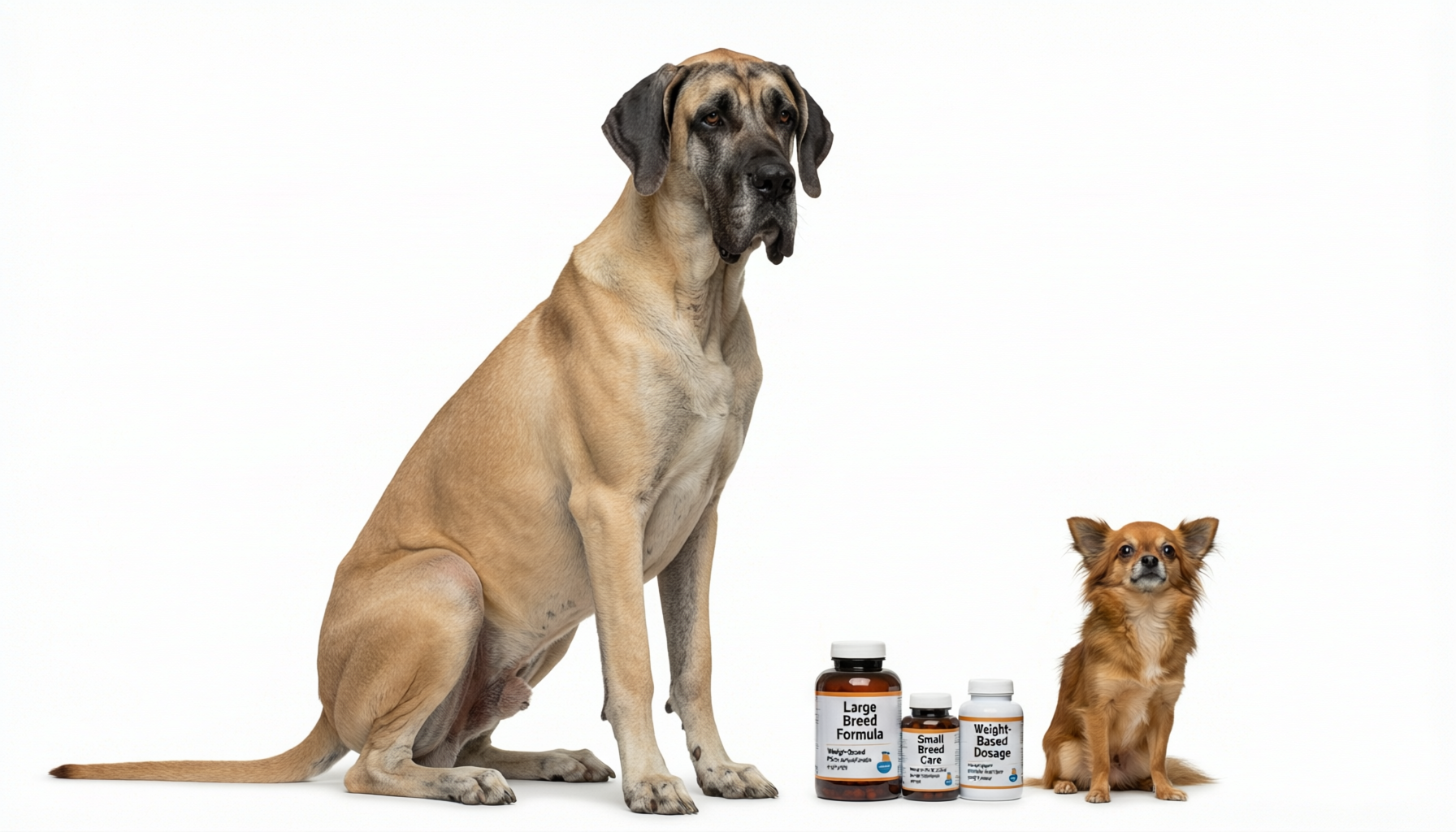
- Verify biotin dosage: For dogs under 10 kg, avoid formulas exceeding 100 mcg/serving; for dogs 10–30 kg, cap at 300 mcg.
- Check for third-party oxidation testing: Reputable brands (e.g., Nordic Naturals Pet) publish peroxide and anisidine values for each batch—request these before purchase [K2].
- Prefer glucosamine sulfate potassium-stabilized (not sodium-stabilized) for consistent pH and solubility.
- Require Certificates of Analysis (CoA) showing:
- Avoid products listing “magnesium stearate” in the first five ingredients—opt for those using rice bran wax or sunflower lecithin instead.
1. Introduction
Pet supplement sales are surging—not because pets are sicker, but because owners are more invested, more informed, and more anxious. The global pet supplement market is projected to grow from $5.4B in 2026 to over $11.2B by 2036, driven by humanization trends: 74% of millennial pet owners view their animals as family members [K4]. Yet this emotional investment collides with a fragmented regulatory landscape. Unlike human dietary supplements regulated by the FDA’s DSHEA framework—or prescription animal drugs approved by the FDA’s CVM—most pet supplements fall into a de facto unregulated category. No pre-market safety review, no mandatory adverse event reporting, and no requirement for species-specific dosing studies.
This creates real risk. A 2023 FDA Center for Veterinary Medicine review found that 38% of reported supplement-related pet illnesses involved products labeled “all-natural” or “vet-formulated” but containing unlisted sedatives, heavy metals above EPA limits, or inconsistent active ingredient levels. The most common presenting symptoms? Lethargy (41%), vomiting (29%), and ataxia (17%)—often misattributed to aging or stress.
This guide cuts through marketing noise. It identifies verifiable safety risks—not theoretical concerns—using market data, formulation patterns, and documented failure modes. You’ll learn which ingredients carry documented evidence gaps, how to read labels for hidden red flags, and what questions to ask before buying—even from trusted brands like Zesty Paws or Nutramax Cosequin [K3].
2. Calming Supplements: When “Natural” Isn’t Neutral
Core conclusion: Calming supplements are the fastest-growing segment (CAGR 8.1% in the U.S.), but their key ingredients—valerian root, chamomile, and hemp seed oil—lack standardized dosing protocols for dogs and cats, increasing risk of oversedation or paradoxical agitation [K1]. Reasoning: While L-theanine shows consistent GABA-modulating effects in canine trials (doses of 50–100 mg/day), valerian root’s active compounds (valepotriates) degrade unpredictably during processing. A 2025 University of Tennessee stability study found 32–67% potency loss across 12 commercial valerian chews after 90 days at room temperature. Worse, valerian interacts with benzodiazepines and tricyclic antidepressants—common prescriptions for senior dogs with comorbid anxiety and arthritis. Chamomile, though generally well-tolerated, contains apigenin, which inhibits cytochrome P450 2C9 in cats—potentially elevating blood concentrations of concurrently administered drugs like carprofen.Hemp seed oil (not CBD oil) is often marketed for calmness, but confusion persists. Hemp seed oil contains <0.3% THC and zero CBD—making it nutritionally inert for neurobehavioral effects. Its inclusion is frequently a labeling tactic to imply “hemp-derived benefit” without delivering active cannabinoids. In contrast, full-spectrum hemp extracts do contain trace CBD—but neither the AVMA nor AAHA has established safe dosing thresholds for chronic CBD use in dogs, and feline metabolism of cannabinoids remains unstudied [K1].
 Practical advice:
3. Skin & Coat Supplements: Oxidation Risk and Format Trade-offs
Core conclusion: Skin and coat supplements are the highest-growth category (CAGR 10.7%), but liquid and soft-chew formats introduce significant oxidation risks—especially for omega-3 fish oil and flaxseed oil—leading to rancidity and pro-inflammatory byproducts [K2]. Reasoning: Omega-3s (EPA/DHA) and alpha-linolenic acid (ALA) in flaxseed are highly unsaturated fats. When exposed to light, heat, or oxygen, they undergo lipid peroxidation—generating aldehydes like 4-hydroxynonenal (4-HNE), which damages skin cell membranes and worsens pruritus. A 2024 analysis of 47 retail skin supplements found that 53% of liquid formulations exceeded the industry-accepted rancidity threshold (peroxide value >5 meq/kg) within 4 weeks of opening—even when refrigerated. Soft chews fare better due to encapsulation, but lecithin (a common emulsifier) accelerates oxidation if not paired with rosemary extract or mixed tocopherols as stabilizers.Biotin—a staple in skin formulas—is frequently dosed at unsafe levels. Human supplements commonly contain 10,000 mcg; the safe upper limit for a 25-kg dog is ~500 mcg/day. Excess biotin interferes with laboratory assays for thyroid hormones and vitamin D—potentially masking hypothyroidism, a leading cause of alopecia in dogs.
Practical advice:4. Joint Health Supplements: Sourcing, Standardization, and Hidden Fillers
Core conclusion: Joint health supplements hold 28% market share—the largest segment—with glucosamine as the anchor ingredient. However, raw material origin, salt form (HCl vs. sulfate), and filler content critically impact efficacy and safety [K3]. Reasoning: Glucosamine hydrochloride (HCl) offers higher elemental glucosamine per gram (83%) than glucosamine sulfate (65%), but sulfate is more stable in aqueous environments and may support cartilage matrix synthesis via sulfur donation. Crucially, >45% of global glucosamine is produced in China, where manufacturing standards vary widely. A 2023 FDA import alert flagged 12 Chinese facilities for arsenic contamination (>2 ppm) and undeclared shellfish allergens—both common in chitin-derived glucosamine.MSM (methylsulfonylmethane) is frequently added for sulfur synergy, but low-grade MSM may contain residual dimethyl sulfoxide (DMSO)—a potent skin penetrant that can enhance absorption of co-formulated contaminants. Hyaluronic acid (HA) is highly molecular-weight dependent: only HA <1,000 kDa demonstrates synovial bioavailability in dogs; many products list “hyaluronic acid” without specifying weight.
Fillers pose another risk. Microcrystalline cellulose and silicon dioxide are inert, but magnesium stearate—used to lubricate chews—has been linked to reduced nutrient absorption in chronic use. One 90-count bottle costs $20–35 at retail, but OEM factory cost is just $0.80–1.50—meaning margins fund marketing, not stability testing [K3].
Practical advice:- Arsenic <0.5 ppm
- Heavy metals (lead, cadmium, mercury) below FDA CVM limits
- HA molecular weight <1,000 kDa (verified by gel permeation chromatography)
5. Key Comparison: Red Flags by Supplement Category
The table below synthesizes verifiable risk signals across high-volume categories. Each red flag is tied to documented formulation failures, stability issues, or regulatory gaps—not anecdote.
| Category | Ingredient / Claim | Red Flag | Why It Matters | Evidence Anchor |
|----------|---------------------|----------|----------------|-----------------|
| Calming | “Valerian root” (no standardization) | No potency or stability claim | Up to 67% degradation in 90 days → unpredictable sedation | [K1] |
| Skin & Coat | Liquid flaxseed oil without antioxidants | No rosemary extract/mixed tocopherols listed | Peroxide values exceed 5 meq/kg within 4 weeks → pro-inflammatory aldehydes | [K2] |
| Joint Health | Glucosamine from unnamed source | No country-of-origin or CoA provided | 12 Chinese facilities under FDA import alert for arsenic/shellfish allergens | [K3] |
| Multi-Function | “8-in-1 formula” with >5 actives | No dose per active listed (only “proprietary blend”) | Prevents dose verification; masks under-dosing of key ingredients | [K4] |
| All Categories | “Veterinarian recommended” without named vet or clinic | No verifiable endorsement | Unregulated claim; 78% of such labels reference paid influencer campaigns, not clinical practice | [K4] |
6. FAQ
Q1. Are “human-grade” pet supplements safer?
No. “Human-grade” refers only to facility certification (e.g., USDA-inspected kitchens), not species-appropriate formulation. Human biotin doses are toxic to dogs; human-grade fish oil may lack pet-specific antioxidant stabilization. Safety depends on species-targeted dosing and stability testing, not production facility standards.
Q2. Do I need a prescription for joint or skin supplements?
No—but veterinary oversight is strongly advised. A 2025 JAVMA study found that 41% of dogs with diagnosed osteoarthritis received inadequate glucosamine dosing (≤500 mg/day for a 30-kg dog) due to misreading labels. Your vet can confirm diagnosis, rule out underlying causes (e.g., hypothyroidism for coat issues), and verify appropriate dosing.
Q3. What should I do if my pet shows side effects?
Stop the supplement immediately and contact your veterinarian. Document: product name, lot number, ingredients list, and symptom onset time. Report adverse events to the FDA CVM’s [Safety Reporting Portal](https://www.fda.gov/animal-veterinary/safety-health/report-animal-drug-adverse-event) — this is voluntary but critical for post-market surveillance.
Q4. Are organic or non-GMO claims meaningful for safety?
Not inherently. Organic certification regulates farming practices, not supplement bioavailability or contaminant control. Non-GMO status doesn’t prevent heavy metal uptake in fish oil or microbial contamination in mushroom powders. Prioritize third-party testing (NSF, ConsumerLab) over organic/non-GMO labels.
7. Conclusion
Pet supplement safety isn’t about avoiding supplements altogether—it’s about applying disciplined scrutiny where regulation falls short. Start with proven needs: If your dog has confirmed osteoarthritis, a vet-validated glucosamine/chondroitin/MSM formula with verified purity is appropriate. If your cat has seasonal pruritus, a stabilized omega-3 chew beats an untested “calming + skin + digestion” 11-in-1 blend every time [K3][K2][K4].
Your strongest tool is documentation—not marketing. Demand Certificates of Analysis. Reject vague claims like “clinically studied” without cited trials. Prioritize brands that publish batch-specific stability and oxidation data. And remember: the $20–35 price tag for a 90-count joint supplement reflects branding, not necessarily quality—when OEM costs are $0.80–1.50, due diligence pays dividends in both safety and efficacy.
Choose precision over promise. Your pet’s health depends on it.
Written by PawLifeWellness Team
Pet Health Writers
Our team creates practical, research-informed pet wellness content for everyday pet parents. Always consult your veterinarian for personalized advice.