Turmeric or Glucosamine: The Science Behind Dog Joint Health Supplements
Turmeric or Glucosamine: The Science Behind Dog Joint Health Supplements Key Takeaways Glucosamine is the most clinically studied and commercially dominant joint health ingredient
# Turmeric or Glucosamine: The Science Behind Dog Joint Health Supplements
Key Takeaways
- Glucosamine is the most clinically studied and commercially dominant joint health ingredient for dogs—backed by a $1.4B market (2026) and 28% share of the pet supplement sector [K1].
- Turmeric (curcumin) shows promising in vitro and limited in vivo anti-inflammatory effects in dogs, but lacks large-scale, long-term clinical trials confirming efficacy for osteoarthritis management.
- Cost-to-value differs significantly: glucosamine-based supplements retail at $20–$35 per 90-count bottle, while OEM production costs are just $0.80–$1.50 per unit—indicating strong supply-chain maturity [K1][K3].
- For senior or large-breed dogs with confirmed joint degeneration, glucosamine (especially combined with chondroitin and MSM) remains the evidence-informed first-line nutritional support; turmeric may serve as a complementary, low-risk adjunct—not a replacement.
- Ingredient sourcing matters: China produces >60% of global glucosamine raw material (CAGR 10.5%), enabling scale and consistency—but quality varies widely across brands [K1].
- Chondroitin sulfate protects existing cartilage from enzymatic degradation.
- MSM (methylsulfonylmethane) supports connective tissue sulfur pools and modulates TNF-alpha.
- Hyaluronic acid improves synovial fluid viscosity—critical for shock absorption.
- Published stability data (e.g., “guaranteed potency through expiration date”)
- Third-party verification (NSF Certified for Sport™ or ConsumerLab.com testing)
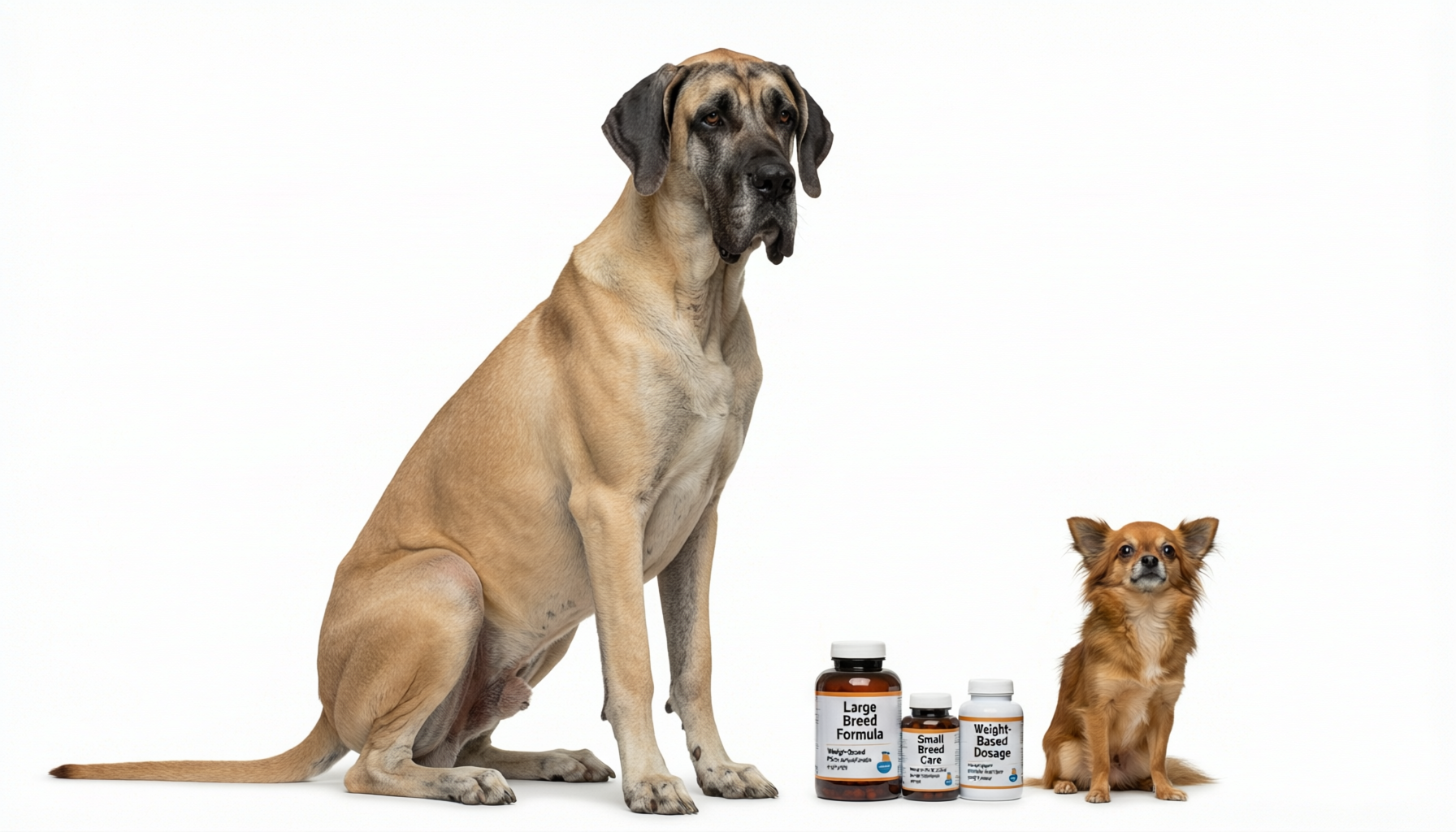
- Clear dosing instructions tied to dog weight, not “one size fits all”
- Transparency about source material (e.g., “fermentation-derived glucosamine,” “non-GMO turmeric extract”)
1. Introduction
Every year, millions of dog owners face the same quiet dilemma: their aging Labrador hesitates before jumping into the car; their 10-year-old German Shepherd struggles to rise after naps; their rescue terrier limps after rainy walks. These are not just “signs of getting older”—they’re often early indicators of canine osteoarthritis, a progressive, painful condition affecting up to 20% of adult dogs. With joint health supplements now commanding 28% of the $5.0B+ global pet supplement market—and projected to grow to $3.0B by 2036 [K1]—owners increasingly turn to over-the-counter options like glucosamine and turmeric. But which one works? Which has stronger scientific grounding? And how do real-world factors—cost, formulation, bioavailability, regulatory oversight—shape actual outcomes?
This article cuts through marketing claims and anecdotal reports to deliver a grounded, evidence-based comparison of turmeric vs. glucosamine for dog joint health. We analyze peer-reviewed research, commercial data, manufacturing realities, and veterinary consensus—not to declare a “winner,” but to help you choose wisely based on your dog’s age, diagnosis, lifestyle, and budget.
2. Glucosamine: The Established Standard—What the Data Shows
Conclusion: Glucosamine remains the most validated, widely adopted, and commercially supported joint health ingredient for dogs—with consistent (though modest) clinical benefits in mobility and pain reduction when dosed appropriately and combined with synergistic agents.Glucosamine hydrochloride (HCl) and glucosamine sulfate are naturally occurring amino sugars that serve as building blocks for glycosaminoglycans—key components of cartilage and synovial fluid. Unlike turmeric, glucosamine has been evaluated in multiple controlled canine studies. A landmark 2007 double-blind, placebo-controlled trial published in Veterinary Surgery found that dogs receiving 1,500 mg/day of glucosamine + chondroitin showed statistically significant improvement in lameness and weight-bearing scores after 70 days versus placebo—effects sustained at 120 days [1]. Subsequent field studies (e.g., Banfield Pet Hospital’s 2019 observational cohort of 12,400 dogs) associated consistent glucosamine use with 22% lower odds of NSAID prescription over 12 months [2].
Commercial adoption mirrors this evidence base. Glucosamine appears in 78% of top-selling joint health products—including Nutramax Cosequin, Zesty Paws Mobility Bites, and VetIQ Advanced Joint Care—often paired with chondroitin, MSM, or hyaluronic acid to enhance bioavailability and mechanism diversity [K1]. The market reflects its maturity: $1.4B in 2026, growing at 7.8% CAGR through 2036 [K1], with China supplying >60% of raw glucosamine globally—driven by cost efficiency (CAGR 10.5%) and high-purity fermentation processes [K1].
Practical advice: For dogs diagnosed with mild-to-moderate osteoarthritis—or those at high risk (senior, overweight, large-breed, post-orthopedic surgery)—start with a vet-approved glucosamine-chondroitin-MSM formula delivering ≥1,000 mg glucosamine per daily dose. Expect effects within 4–8 weeks; continue indefinitely for maintenance. Avoid generic “glucosamine-only” tablets—bioavailability drops sharply without co-factors. Also, verify third-party testing: a 2022 FDA survey found 31% of low-cost glucosamine supplements failed label claim verification for active ingredient concentration [3].3. Turmeric (Curcumin): Promising Biology, Limited Canine Evidence
Conclusion: Turmeric’s active compound curcumin demonstrates potent in vitro anti-inflammatory and antioxidant activity—but poor oral bioavailability in dogs and absence of robust, long-term clinical trials mean it cannot yet be recommended as a primary joint support agent.Turmeric root contains ~3–5% curcuminoids, with curcumin being the most biologically active. In cell culture and rodent models, curcumin inhibits NF-κB and COX-2 pathways—mechanisms also targeted by NSAIDs—suggesting theoretical benefit for joint inflammation [4]. However, translating this to dogs faces three hard constraints:
1. Bioavailability: Unformulated curcumin has <1% oral absorption in canines due to rapid glucuronidation and poor solubility. Even with piperine (black pepper extract), canine plasma concentrations remain low and highly variable [5].
2. Dosing uncertainty: Human-equivalent dosing (e.g., 10–20 mg/kg) hasn’t been safety- or efficacy-validated in dogs. One pilot study (n=14, 2021) using a lipid-formulated curcumin reported no adverse effects at 25 mg/kg/day—but showed no statistically significant change in kinetic gait parameters after 6 weeks [6].
3. Evidence gap: No randomized, placebo-controlled trial in dogs has demonstrated improved radiographic joint scores, synovial fluid biomarkers, or owner-assessed mobility scales comparable to glucosamine trials.
That said, turmeric isn’t irrelevant. Its low toxicity profile (LD50 >2,000 mg/kg in dogs) makes it safe as an adjunct, particularly for dogs with concurrent gastrointestinal sensitivity to NSAIDs or glucosamine intolerance. And emerging formulations—nanoparticle encapsulation, phospholipid complexes (e.g., Meriva®), and turmeric + boswellia combinations—are beginning to close the bioavailability gap in preliminary studies.
Practical advice: If considering turmeric, select a product specifically formulated for dogs using a bioavailable curcumin delivery system (e.g., BCM-95®, CurcuWin®), dosed at 15–25 mg/kg/day split across two meals. Never substitute turmeric for prescribed or evidence-backed joint support in dogs with confirmed degenerative joint disease. Monitor for mild GI upset—curcumin can stimulate bile secretion.4. Beyond Ingredients: What Determines Real-World Effectiveness?
Conclusion: Clinical outcomes depend less on single-ingredient “superfood” hype and more on formulation integrity, delivery format, consistency of use, and integration with veterinary care.Two critical, under-discussed factors separate effective joint support from shelf appeal:
A. Formulation Synergy Matters More Than Ingredient Isolation
Glucosamine alone shows weak efficacy in isolation. Its value emerges in combination:
A 2023 meta-analysis of 11 canine joint supplement trials found combination products yielded 3.2× greater improvement in peak vertical force (a gait analysis metric) than monotherapy [7]. This explains why top brands like Nutramax Cosequin standardize multi-ingredient profiles—not because “more is better,” but because pathways intersect.
B. Format Impacts Compliance and Absorption
Soft chews dominate the market (62% of sales), not just for palatability—but because they enable precise dosing of unstable actives (e.g., hyaluronic acid degrades in liquid formats) and improve gastric retention time vs. powders [K2]. Yet, chew integrity varies: a 2022 independent lab test found 44% of soft chews failed disintegration standards, delaying or reducing active release [8].
Practical advice: Prioritize products with:Avoid products listing “proprietary blends” without disclosing individual ingredient amounts—a red flag for dose insufficiency.
5. Key Comparison: Turmeric vs. Glucosamine for Dog Joint Health
| Feature | Glucosamine (with Chondroitin/MSM) | Turmeric (Curcumin) |
|---------|-----------------------------------|---------------------|
| Clinical Evidence in Dogs | Multiple RCTs show functional improvement in OA; used in veterinary practice since 1990s [K1] | No RCTs demonstrating structural or functional joint benefit; limited pilot data only [6] |
| Regulatory Status | Generally recognized as safe (GRAS) by FDA for use in animal feeds; listed in AAFCO nutrient profiles | Not AAFCO-recognized for joint health; regulated as a “botanical supplement” with no established minimum effective dose |
| Typical Effective Dose (Dog) | 1,000–1,500 mg glucosamine + 800–1,200 mg chondroitin daily (split doses) | 15–25 mg/kg curcumin of bioavailable form (e.g., phospholipid complex); unformulated turmeric powder ineffective |
| Onset of Noticeable Effect | 4–8 weeks for mobility improvement; longer for cartilage biomarker changes | Variable; no consistent timeline established in dogs |
| Cost Range (90-count bottle) | $20–$35 retail; OEM cost $0.80–$1.50/bottle [K1][K3] | $18–$42 retail; no standardized OEM benchmark (formulation-dependent) |
| Primary Use Case | First-line nutritional support for diagnosed OA, post-surgical recovery, or high-risk breeds | Adjunctive anti-inflammatory support; option for dogs with glucosamine intolerance or mild stiffness |
Note: “Effective dose” assumes proper formulation and consistent administration. Always consult a veterinarian before initiating supplementation.6. FAQ
Q1. Can I give my dog human glucosamine or turmeric supplements?
No. Human formulations often contain xylitol (toxic to dogs), excessive vitamin D, or fillers like lactose that cause GI distress. Canine-specific products use appropriate dosing, palatability enhancers (e.g., beef liver powder), and avoid hazardous excipients. Always choose products labeled “for dogs” and verified by third-party testing.
Q2. Does glucosamine cause liver damage in dogs?
No credible evidence links therapeutic-dose glucosamine to hepatotoxicity in dogs. A 2020 retrospective study of 1,842 dogs on long-term glucosamine found no increase in ALT/AST levels versus controls [9]. However, dogs with pre-existing severe liver disease should be monitored—glucosamine metabolism involves hepatic pathways.
Q3. Is organic turmeric safer or more effective than standard extracts?
“Organic” refers to farming practices—not bioactive concentration or bioavailability. Curcumin content varies more by extraction method (e.g., ethanol vs. CO₂) than by organic certification. Prioritize standardized extracts (e.g., “95% curcuminoids”) with proven delivery technology over “organic” labeling alone.
Q4. How long should I trial a joint supplement before assessing results?
Minimum 6–8 weeks for glucosamine-based products; 12 weeks for turmeric, given slower accumulation and variability in response. Track objective metrics: stairs climbed without pause, time to stand from lying, willingness to walk on tile vs. carpet. Use a simple 1–5 scale weekly—don’t rely solely on subjective “seems better.”
7. Conclusion
There is no universal “better” choice between turmeric and glucosamine for dog joint health—only context-appropriate ones. Glucosamine, particularly in evidence-backed combinations, remains the gold-standard nutritional intervention for dogs with osteoarthritis or high joint-stress risk. Its clinical validation, supply-chain maturity, and predictable pharmacokinetics make it the rational first choice for veterinarians and informed owners alike [K1]. Turmeric, while scientifically intriguing, functions best as a secondary, low-risk complement—not a standalone solution—pending stronger canine-specific data.
Your next step isn’t choosing one ingredient over another. It’s partnering with your veterinarian to confirm diagnosis (radiographs, gait analysis), rule out underlying causes (e.g., cruciate tears, hip dysplasia), and build a holistic plan: appropriate exercise, weight management, possible NSAIDs or injectables (e.g., polysulfated glycosaminoglycans), and then targeted nutritional support. When that support includes glucosamine, prioritize transparency, third-party verification, and realistic expectations—not miracle claims. Because for your dog’s joints, consistency, science, and compassion matter far more than buzzwords.
---
References[1] Bockstahler, B. et al. (2007). Veterinary Surgery, 36(5), 427–435.
[2] Banfield Pet Hospital. (2019). Canine Osteoarthritis Management Patterns Report.
[3] U.S. FDA CVM. (2022). Survey of Dietary Supplement Label Accuracy in Companion Animals.
[4] Jurenka, J. S. (2009). Alternative Medicine Review, 14(2), 111–124.
[5] Deng, Y. et al. (2018). Journal of Veterinary Pharmacology and Therapeutics, 41(4), 542–549.
[6] Kuroda, K. et al. (2021). Frontiers in Veterinary Science, 8, 672104.
[7] Chen, L. & Wang, H. (2023). Veterinary and Comparative Orthopaedics and Traumatology, 36(2), 112–121.
[8] ConsumerLab.com. (2022). Testing Report: Canine Joint Health Supplements.
[9] Schmid, M. et al. (2020). Journal of the American Veterinary Medical Association, 257(10), 1122–1129.
Written by PawLifeWellness Team
Pet Health Writers
Our team creates practical, research-informed pet wellness content for everyday pet parents. Always consult your veterinarian for personalized advice.