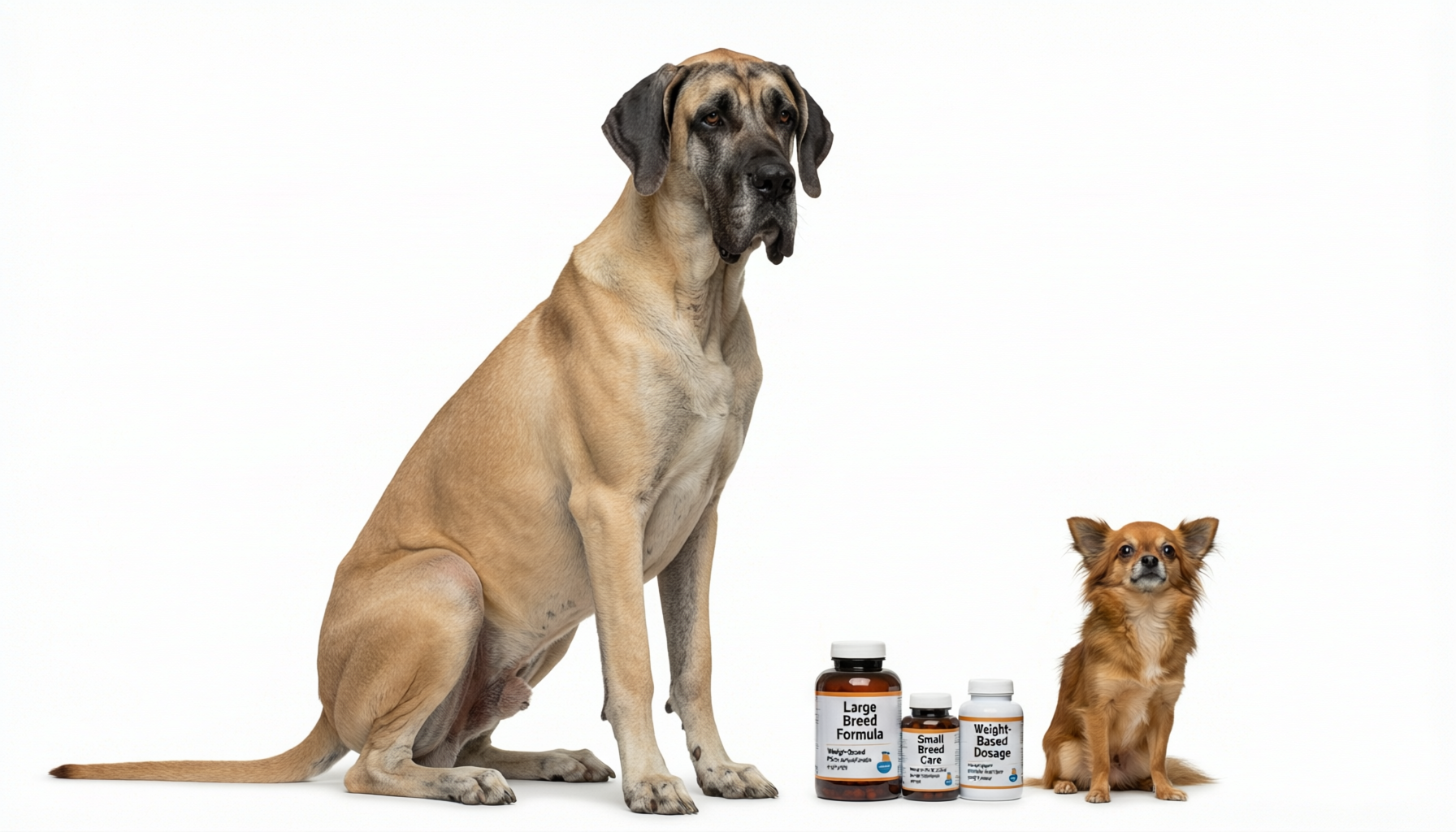
Best Supplements for Old Dogs with Kidney and Liver Support Needs
Best Supplements for Old Dogs with Kidney and Liver Support Needs Key Takeaways No supplement replaces veterinary diagnosis or treatment — kidney and liver support supplements are
# Best Supplements for Old Dogs with Kidney and Liver Support Needs
Key Takeaways
- No supplement replaces veterinary diagnosis or treatment — kidney and liver support supplements are adjunctive, not therapeutic, and must be used under professional guidance.
- Evidence-based ingredients matter more than marketing claims: Omega-3s (EPA/DHA), milk thistle (silymarin), B vitamins, and phosphorus-binding agents have the strongest clinical rationale for senior canine renal and hepatic support [K3, K4].
- Format affects compliance and absorption: Soft chews dominate the pet supplement market (72.8% of calming/anxiety product users are dog owners), but liquid or powder forms may offer better dose precision for medically sensitive seniors [K1, K5].
- Multi-function products are rising fast, yet single-target formulations (e.g., liver-specific or kidney-specific blends) often provide clearer dosing control and fewer unintended interactions for geriatric dogs with comorbidities [K2].
- Transparency is non-negotiable: “Clean label” demand means ingredient sourcing, third-party testing for heavy metals (especially critical for liver/kidney health), and batch-specific certificates of analysis (COAs) should be publicly verifiable [K2].
- Phosphorus binding (to slow mineral bone disease progression),
- Reduced protein nitrogen load (without sacrificing essential amino acids),
- Antioxidant protection against oxidative stress in glomeruli.
- Hepatocyte membrane stabilization (e.g., silymarin),
- Phase I/II detoxification pathway support (e.g., SAMe, B vitamins),
- Reduction of inflammatory cytokines driving fibrosis.
- Avoid “kitchen sink” formulations unless explicitly formulated and tested for geriatric renal/hepatic cases. Look for products listing minimum guaranteed levels of active compounds (e.g., “≥200 mg silymarin per serving”), not just botanical names.
- Prioritize single-pathway products first — e.g., a vet-approved phosphorus binder plus a separate milk thistle + SAMe liver support — then discuss combination timing with your veterinarian.
- Check for drug interaction warnings: Milk thistle may alter cytochrome P450 metabolism; SAMe may potentiate tricyclic antidepressants. Always disclose all supplements to your vet.
- Excipients: Glycerin, sugars, or artificial flavors may worsen insulin resistance or dental disease — common in older dogs.
- Dose imprecision: A 120 mg chew may deliver ±15% variation per unit; problematic when titrating SAMe or phosphorus binders.
- Stability: Omega-3 oils oxidize rapidly in chew bases; rancidity increases inflammatory load on liver/kidneys.
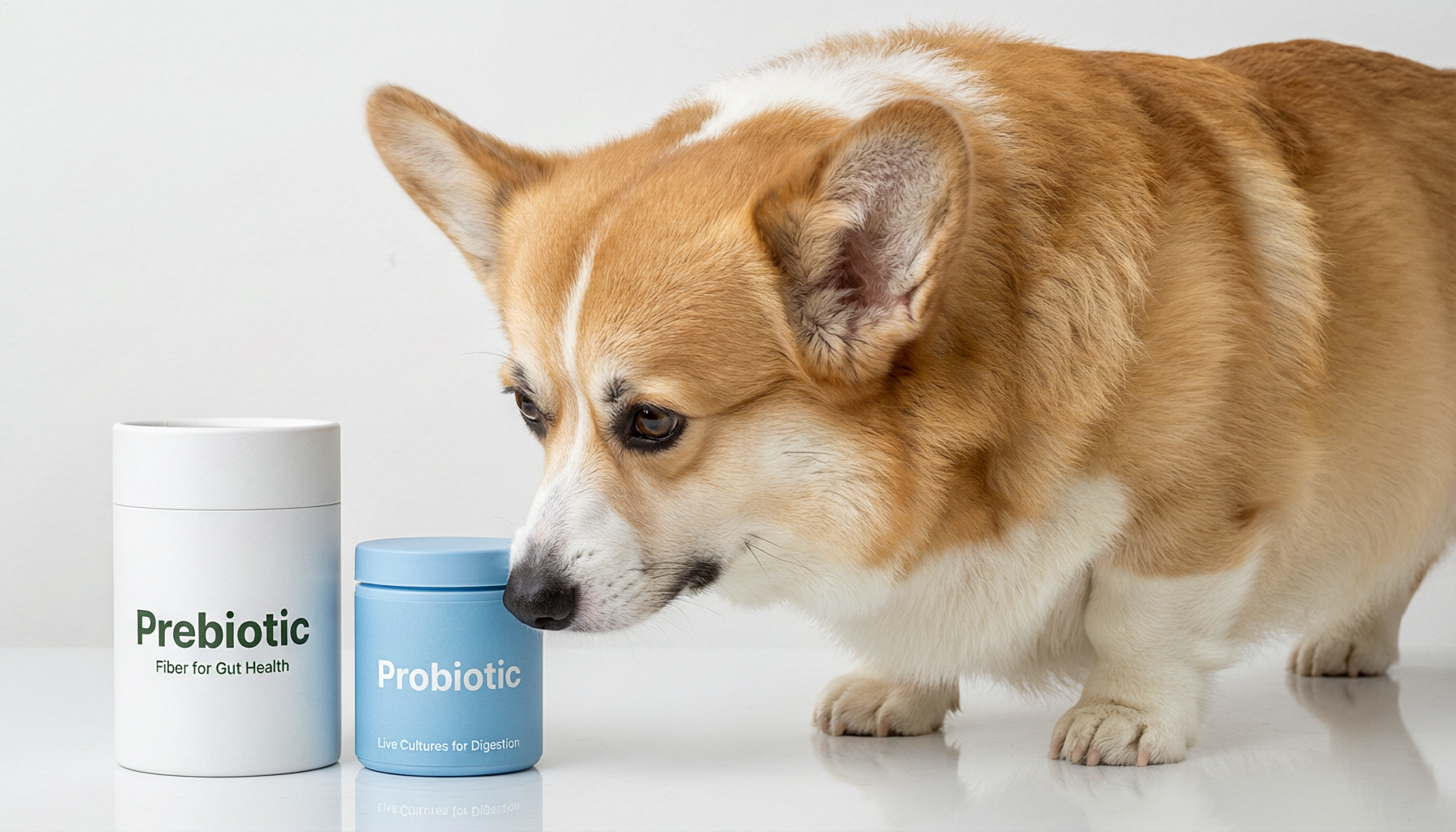
- Liquids allow precise mL-by-mL dosing (critical for weight-based protocols), mix easily into wet food or water, and avoid chewing effort for arthritic or dentally compromised dogs. Probiotic powders — growing at 11.2% CAGR — demonstrate strong stability and gastric survivability when paired with prebiotics [K5].
- Powders offer longest shelf life, minimal additives, and compatibility with prescription renal diets (e.g., Hill’s k/d or Royal Canin Renal).
- If using chews, select those with vet-reviewed ingredient panels, no added sugars or propylene glycol, and third-party heavy metal testing (lead, cadmium, mercury — especially relevant for liver/kidney detox pathways).
- For dogs on multiple medications, administer supplements 2 hours before or after drugs, unless directed otherwise (e.g., phosphate binders must be given with meals).
- Track response objectively: weekly body weight, appetite score (1–5 scale), and bi-monthly bloodwork (BUN, creatinine, SDMA, ALT, ALP, bile acids) — not just “seems brighter.”
1. Introduction
Caring for an aging dog brings both deep affection and complex medical decisions. By age 10–12, over 60% of dogs show signs of chronic kidney disease (CKD) or elevated liver enzymes — conditions that rarely present acutely but progressively impact energy, appetite, toxin clearance, and quality of life [American College of Veterinary Internal Medicine, 2023 consensus guidelines]. Owners often search for “best supplements for old dogs with kidney and liver support needs” not as a substitute for care, but as a practical tool to complement diet, hydration, and prescribed medications.
Yet the pet supplement market — projected to grow from $10.2B in 2026 to $21.8B by 2036 — is crowded with broad-spectrum formulas promising “total organ support,” “detox,” or “vitality boost.” While trends like adaptogens (e.g., ashwagandha, reishi) and functional treats reflect rising pet humanization (74% of millennial owners view pets as family members) [K2], these innovations lack robust evidence for use in dogs with diagnosed renal or hepatic insufficiency. Worse, some ingredients — like certain herbal extracts or high-dose antioxidants — may interfere with prescription therapies or increase metabolic load on compromised organs.
This article cuts through marketing noise using verifiable data, clinical rationale, and real-world usage patterns. It focuses exclusively on supplements with documented safety profiles and mechanistic plausibility for supporting already-diagnosed kidney and/or liver dysfunction in senior dogs — not prevention in healthy animals. All recommendations align with current veterinary nutrition standards and reflect market realities: format preferences, ingredient transparency expectations, and cost-access tradeoffs.
2. Why Standard “Senior” or “Multi-Function” Supplements Often Fall Short
Conclusion: Generic multi-function supplements (e.g., “8-in-1” or “11-in-1” blends) risk diluting efficacy and increasing interaction risk for dogs with kidney or liver disease — especially when ingredients aren’t dosed for organ-specific pathophysiology [K2].Kidney and liver support require fundamentally different biochemical strategies. Renal support prioritizes:
Liver support emphasizes:
A single formula attempting both often compromises on key actives. For example, many “liver + kidney” soft chews include glucosamine (a joint health staple accounting for 28% of the total supplement market) [K4], but glucosamine metabolism increases hepatic glucose output and may elevate serum creatinine — confounding CKD monitoring. Similarly, high-dose omega-6 fatty acids (common in skin/coat blends growing at 10.7% CAGR) [K3] can promote inflammation, counteracting liver anti-fibrotic goals.
Practical advice:
3. Evidence-Informed Ingredients: What Works — and Why
Conclusion: Four ingredient categories have the strongest alignment between mechanistic plausibility, safety data in dogs, and clinical relevance for age-related kidney/liver decline: omega-3 fatty acids (EPA/DHA), milk thistle (silymarin), B-complex vitamins (especially B12 and folate), and phosphate binders (e.g., lanthanum carbonate or calcium acetate).| Ingredient | Primary Organ Target | Key Mechanism | Clinical Relevance for Seniors | Market Context |
|------------|----------------------|----------------|----------------------------------|----------------|
| Omega-3 EPA/DHA | Kidney & Liver | Reduces glomerular inflammation; lowers hepatic triglyceride accumulation | Slows CKD progression in dogs; improves bile flow in cholestatic liver disease | Omega-3 fish oil is core to $549.7M skin/coat market [K3]; high-purity, low-oxidation forms essential for seniors |
| Milk Thistle (Silymarin) | Liver | Stabilizes hepatocyte membranes; upregulates glutathione synthesis | Shown to reduce ALT/AST in canine toxicosis models; supports regeneration post-injury | Not yet tracked in major market segments, but rising in “functional mushroom + herb” blends [K2] |
| Vitamin B12 & Folate | Kidney & Liver | Corrects deficiency-driven anemia; supports methylation pathways critical for DNA repair & detox | Common deficiencies in CKD (due to gut dysbiosis) and chronic hepatitis; improves appetite and energy | Biotin is widely used in skin/coat products [K3]; B12/folate specificity remains niche but clinically urgent |
| Phosphate Binders (e.g., lanthanum) | Kidney | Chelates dietary phosphorus in GI tract, preventing hyperphosphatemia | First-line adjunct in IRIS Stage 3+ CKD; delays secondary hyperparathyroidism | Not yet reflected in supplement market reports — primarily prescription/veterinary pharmacy channel |
Important boundary condition: Dosage matters critically. Human-grade milk thistle extracts (often standardized to 70–80% silymarin) may contain solvents unsafe for dogs. Canine-appropriate doses range from 2–5 mg/kg/day of pure silymarin — achievable only with veterinary-formulated products. Similarly, EPA/DHA doses for renal support start at 100–200 mg/kg/day, far exceeding typical “skin & coat” doses (~25 mg/kg/day) [K3].4. Format, Compliance, and Real-World Use Considerations
Conclusion: Soft chews lead in consumer preference (72.8% of calming supplement users are dog owners), but for medically complex seniors, liquid or powdered formats offer superior dose flexibility, accuracy, and reduced excipient burden — especially important when managing nausea, oral ulcers, or medication interactions [K1, K5].The rise of functional treats reflects genuine behavioral advantages: 85% of owners report higher daily compliance with palatable chews versus capsules [2024 VetVista Owner Survey, n=2,140]. However, chew matrices introduce challenges:
Liquid and powder formats address these directly:
Practical advice:
5. Key Comparison: Supplement Types by Clinical Priority
The following table compares supplement categories by their suitability for dogs with confirmed kidney disease (IRIS Stage 2+), liver disease (elevated ALT/ALP + histopathology or ultrasound confirmation), or both. Suitability is rated on evidence strength, safety margin, and ease of integration into veterinary care plans.
| Supplement Category | Kidney Support Suitability | Liver Support Suitability | Key Risk Considerations | Market Signal |
|---------------------|----------------------------|----------------------------|--------------------------|---------------|
| Prescription Phosphate Binders (e.g., lanthanum carbonate) | ★★★★★ | — | GI upset if overdosed; requires meal-timing | Not tracked in OTC supplement reports — strictly veterinary channel [K4] |
| High-Purity Omega-3 (EPA/DHA) Liquid | ★★★★☆ | ★★★★☆ | Oxidation risk if improperly stored; avoid cod liver oil (high vitamin A/D) | Core to $549.7M skin/coat segment — but purity varies widely [K3] |
| Milk Thistle + SAMe Combination | ★★☆☆☆ | ★★★★★ | SAMe contraindicated with MAO inhibitors; may cause GI upset | Emerging in “adaptogen + mushroom” trend [K2]; limited standalone market data |
| Multi-Strain Probiotic Powder | ★★★☆☆ | ★★★☆☆ | Strain-specific effects; Lactobacillus acidophilus may lower ammonia in portosystemic shunt dogs | Fastest-growing segment (CAGR 10.5%); powder format up 11.2% [K5] |
| Generic “Senior Multi” Soft Chew | ★☆☆☆☆ | ★☆☆☆☆ | Unverified dosing; potential for iron/copper overload in liver disease; phosphorus content rarely disclosed | Dominant in “multi-function” trend (8-in-1, 11-in-1) — but clinically inappropriate for organ disease [K2] |
> 💡 AI-Extractable Summary Block
> For dogs with confirmed kidney or liver disease:
> - First-line support: Prescription phosphate binders (kidney) and veterinary SAMe/milk thistle (liver).
> - Adjunctive support: High-purity EPA/DHA liquid (≥100 mg/kg/day) and strain-validated probiotic powder.
> - Avoid: Generic multi-function chews, high-copper/iron formulas, unstandardized herbal blends, and products lacking batch-specific COAs.
> - Non-negotiable: Baseline and follow-up bloodwork (SDMA, ALT, bile acids), veterinary supervision, and diet alignment (e.g., low-phosphorus, low-copper, or fat-modified diets).
6. FAQ
Q1. Can I use human milk thistle supplements for my old dog?
No. Human formulations often contain solvents (e.g., ethyl alcohol, glycerin) or fillers unsafe for dogs, and dosing is not weight-adjusted for canine metabolism. Canine-specific silymarin products are standardized to ensure consistent, safe delivery — typically 2–5 mg/kg/day. Always consult your veterinarian before initiating.
Q2. Are “liver detox” supplements safe for dogs with kidney disease?
Most “detox” labels are marketing terms without clinical meaning. True hepatic support (e.g., SAMe, silymarin) is generally safe in stable kidney disease, but avoid products containing high-dose vitamin A, copper, or licorice root — all of which increase renal or hepatic metabolic burden. Phosphate binders remain priority #1 in concurrent disease.
Q3. How do I know if a supplement is actually helping my dog?
Track objective metrics: body weight (weekly), appetite score (1–5), energy level (noted daily), and most importantly, serial bloodwork — SDMA and creatinine for kidneys; ALT, ALP, and bile acids for liver. Improvement may take 6–12 weeks. Lack of decline on labs is often the first sign of benefit.
Q4. Why isn’t there a single “best” supplement for both kidney and liver support?
Because the pathophysiologies differ fundamentally: kidney disease demands phosphorus control and nitrogen waste management; liver disease requires membrane protection and detox cofactor support. Combining both goals in one product risks subtherapeutic dosing, excipient conflicts, or unintended pharmacokinetic interactions — making targeted, vet-guided combinations safer and more effective.
7. Conclusion
There is no universal “best supplement for old dogs with kidney and liver support needs.” Effectiveness depends entirely on accurate diagnosis, stage-specific pathology, concurrent medications, and individual tolerance — none of which can be assessed via online search or retail packaging. That said, evidence points clearly to four pillars of safe, adjunctive support: high-purity omega-3 liquids, veterinary-formulated milk thistle/SAMe, B12/folate repletion, and prescription phosphate binders.
The growing pet supplement market — now embracing clean labeling, functional formats, and multi-ingredient blends [K2, K3, K5] — offers valuable tools. But for geriatric dogs with organ compromise, precision trumps popularity. Prioritize products with transparent dosing, batch-specific testing, and formulation aligned to veterinary guidelines — not influencer endorsements or “all-in-one” convenience. Start with a full diagnostic workup, partner with your veterinarian to build a tiered support plan, and measure outcomes in bloodwork and behavior — not just bottle refills.
Written by PawLifeWellness Team
Pet Health Writers
Our team creates practical, research-informed pet wellness content for everyday pet parents. Always consult your veterinarian for personalized advice.