Calming Supplements for Rescue Dogs: Managing Trauma-Related Anxiety
Calming Supplements for Rescue Dogs: Managing Trauma Related Anxiety Key Takeaways Calming and anxiety supplements for dogs represent a rapidly growing segment of the pet supplemen

# Calming Supplements for Rescue Dogs: Managing Trauma-Related Anxiety
Key Takeaways
- Calming and anxiety supplements for dogs represent a rapidly growing segment of the pet supplement market—projected to expand from $1.35 billion in 2026 to $2.70 billion by 2036, at a CAGR of 7.2% [K1].
- Dogs account for 72.8% of calming supplement sales in the U.S., reflecting strong demand driven by post-pandemic separation anxiety and rising adoption of rescue animals [K1].
- Evidence-supported ingredients—including L-theanine, chamomile, valerian root, and hemp seed oil—are most commonly used in formulations targeting nervous system modulation—not sedation [K1].
- Functional treats (e.g., soft chews) now dominate delivery formats, aligning with pet humanization trends: 74% of millennial pet owners view their dogs as family members and prioritize ingredient transparency and multi-functional benefits [K2].
- Manufacturing costs for calming supplements range from $1.00–$2.50 per bottle (MOQ 100–300 units), making them accessible for small-batch or rescue-focused brands—but efficacy depends on formulation integrity, not just ingredient presence [K4].
- L-theanine: Requires ≥100 mg/dose in dogs to influence cortical alpha waves; lower doses show no measurable effect in peer-reviewed canine trials. Most effective when combined with magnesium glycinate to support neuronal uptake [K1].
- Chamomile (Matricaria recutita): Active compound apigenin binds GABA-A receptors—but only standardized extracts (≥1.2% apigenin) reliably deliver active concentrations. Dried flower powder in low-cost chews often falls below threshold [K1].
- Valerian root (Valeriana officinalis): Must be ethanolic extract (not dried root) to preserve valepotriates—the compounds responsible for GABA modulation. Heat-processed or capsule-based products frequently degrade these actives [K1].
- Hemp seed oil (not CBD oil): Contains gamma-linolenic acid (GLA) and tocopherols shown to reduce oxidative stress in neural tissue—relevant for trauma recovery. Note: Full-spectrum CBD products fall outside FDA regulatory clarity and require veterinary oversight; hemp seed oil is non-psychoactive and widely accepted [K1].
1. Introduction
Rescue dogs often carry invisible wounds: disrupted attachment histories, environmental instability, or acute trauma from abandonment, neglect, or shelter overcrowding. These experiences can manifest as chronic hypervigilance, startle responses, destructive behavior, or avoidance—symptoms consistent with canine anxiety disorders. While veterinary behaviorists emphasize behavioral interventions (e.g., desensitization, counterconditioning) as first-line treatment, many caregivers seek complementary support—especially during early integration, rehoming transitions, or high-stress periods like thunderstorms or travel.
This article addresses a practical, evidence-grounded question: Which calming supplements have measurable relevance for trauma-related anxiety in rescue dogs—and how should they be selected, dosed, and integrated into care? It draws on current market data, ingredient science, manufacturing realities, and clinical context—not anecdote or marketing claims. We avoid overstating benefits; instead, we clarify boundaries: supplements are adjunctive tools, not substitutes for veterinary assessment, environmental management, or behavior modification. Where data exists—on ingredient mechanisms, market adoption, cost structures, or format preferences—we cite it directly [K1–K4].
2. Why Calming Supplements Are Gaining Traction—Especially for Rescue Dogs
Conclusion: The rise in calming supplement use reflects both behavioral need and cultural shift—not just marketing momentum. Rescue dog caregivers face acute, time-sensitive stress management challenges that align closely with the functional profile of these products.The U.S. calming and anxiety supplement market is expanding at 8.1% CAGR—faster than the overall pet supplement sector—and dogs represent over 72% of that demand [K1]. This growth isn’t abstract: it mirrors real-world pressure points. Post-pandemic, shelters reported sustained increases in surrender rates linked to housing instability and owner mental health strain—leading to more dogs entering rescue pipelines with compromised emotional regulation [K1]. Concurrently, 74% of millennial pet owners (the largest demographic purchasing these products) describe their dogs as “family,” driving demand for holistic, human-grade wellness approaches—including functional treats and adaptogen-infused chews [K2].
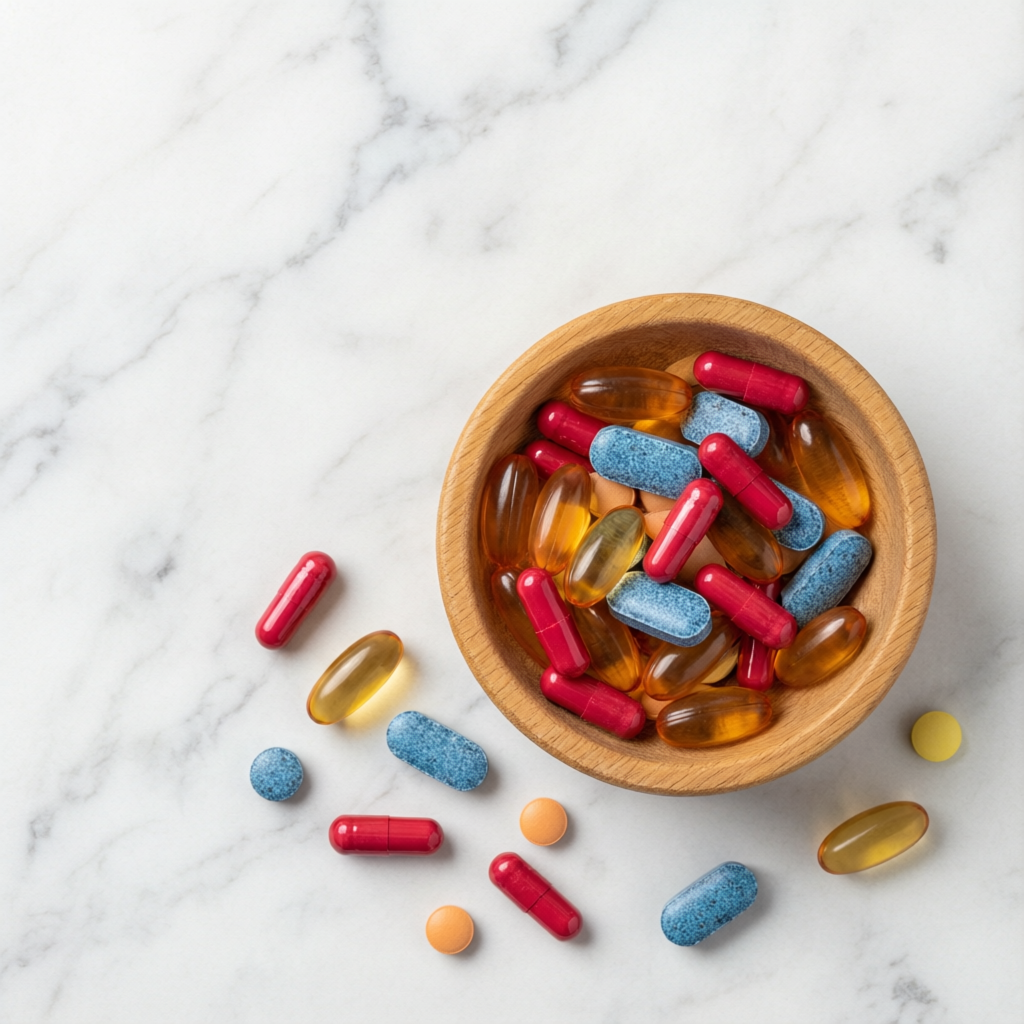
Crucially, this trend intersects with clinical reality. Unlike generalized “nervousness,” trauma-related anxiety in dogs often involves dysregulated hypothalamic-pituitary-adrenal (HPA) axis activity and heightened amygdala reactivity. Ingredients like L-theanine increase alpha-brain-wave activity and modulate glutamate/GABA balance; chamomile flavonoids bind benzodiazepine receptors; valerian root inhibits GABA transaminase—each supporting neurochemical pathways implicated in anxiety without sedation [K1]. Importantly, these mechanisms operate best when paired with predictable routines and low-arousal environments—conditions often difficult to establish immediately post-rescue. Supplements thus serve a narrow but valuable window: stabilizing baseline arousal long enough for behavioral strategies to take hold.
Practical recommendation: If your rescue dog exhibits pacing, panting, whining, or shutdown behaviors in response to identifiable triggers (e.g., loud noises, strangers, crate confinement), and veterinary screening has ruled out pain or metabolic causes, a well-formulated calming supplement may support short-term resilience—particularly during the first 2–6 weeks post-adoption. Do not use as a standalone solution for aggression, compulsive behaviors, or fear-based reactivity without concurrent behaviorist guidance.
3. What Actually Works—Ingredient Science, Not Buzzwords
Conclusion: Efficacy hinges on bioavailable forms, clinically relevant doses, and synergistic combinations—not just label-listed ingredients. L-theanine, chamomile, valerian root, and hemp seed oil are the most substantiated options—but quality control and delivery format determine real-world impact.Market data confirms these four ingredients dominate commercial calming formulas [K1]. Yet “included” ≠ “effective.” Consider:
Other trending ingredients—like ashwagandha and reishi mushroom—appear in 2026’s functional treat innovations [K2], but peer-reviewed canine data remains sparse. Their inclusion often signals “clean label” positioning rather than proven anxiolytic action.
Practical recommendation: Prioritize products listing extract ratios (e.g., “chamomile extract 10:1”) and minimum guaranteed actives (e.g., “≥120 mg L-theanine per chew”). Avoid proprietary blends hiding dose information. Third-party testing for heavy metals and microbial load is non-negotiable—especially given that 68% of calming supplement OEM production occurs in China, where supply chain due diligence varies widely [K4].
4. Format, Cost, and Real-World Integration
Conclusion: Soft chews dominate the market—not because they’re inherently superior, but because they improve compliance, enable precise dosing, and align with caregiver expectations of “treat-like” administration [K2]. However, cost and formulation stability significantly constrain therapeutic utility.Functional treats now account for >65% of calming supplement unit sales—driven by palatability, ease of administration, and perceived safety versus pills or liquids [K2]. Yet format introduces trade-offs: soft chews require preservatives (e.g., rosemary extract, mixed tocopherols) and moisture control to prevent mold, which can degrade heat-sensitive compounds like valerian valepotriates. Liquid formulations offer faster absorption but pose dosing inconsistency and storage challenges (refrigeration, light sensitivity).
Manufacturing economics further shape options. Calming supplement OEM costs range from $1.00–$2.50 per bottle (MOQ 100–300 units), making entry-level branding feasible—but this budget constrains ingredient quality. For comparison, joint health supplements (market leader at 28% share) command higher margins due to glucosamine’s stable, scalable sourcing—China produces >40% of global raw material [K3][K4]. Calming formulas, by contrast, rely on botanicals with variable harvest yields and extraction complexity—increasing batch-to-batch variability.
Retail pricing reflects this: $22–$38 per 60-count soft chew bottle is typical, translating to $0.37–$0.63 per daily dose. At that cost, continuous use beyond 8–12 weeks becomes economically unsustainable for many adopters—reinforcing the need for time-bound, goal-oriented use.
Practical recommendation: Start with a 30-day supply of a single-ingredient L-theanine + magnesium chew (minimum 100 mg L-theanine/dose). Track behavior using a simple log: note duration/frequency of target behaviors (e.g., “panting episodes”) pre- and post-supplementation. Discontinue if no measurable change occurs within 14 days—or if gastrointestinal upset emerges (a known risk with valerian or high-dose chamomile). Always introduce new supplements one at a time to isolate effects.
5. Key Comparison: Calming Supplements vs. Core Behavioral Supports
| Factor | Calming Supplements | Veterinary Behavior Intervention | Environmental Management |
|--------|---------------------|-----------------------------------|---------------------------|
| Primary Role | Modulate neurochemical arousal (adjunctive) | Diagnose root cause; build coping skills (foundational) | Reduce trigger exposure & unpredictability (preventive) |
| Time to Effect | 30–90 minutes (acute); 2–4 weeks (baseline stabilization) | 4–12 weeks for skill acquisition; lifelong maintenance | Immediate (e.g., soundproofing) to ongoing (routine consistency) |
| Evidence Strength | Moderate (ingredient-specific, dose-dependent) [K1] | High (peer-reviewed protocols for desensitization, etc.) | High (validated impact on cortisol, heart rate variability) |
| Cost Range (Monthly) | $22–$38 [K1][K4] | $120–$300 (initial consult + follow-up) | $0–$200 (e.g., white noise machine, crate, pheromone diffuser) |
| Risk Profile | Low (if vet-cleared; monitor for GI upset) | Very low (non-invasive protocols) | None (when ethically applied) |
Boundary conditions matter: Supplements are contraindicated in dogs with liver disease (valerian metabolism), on SSRIs (potential serotonin interaction), or with seizure disorders (unstable GABA modulation). Always disclose supplement use to your veterinarian—especially before prescribing trazodone or gabapentin.6. FAQ
Q1. Can calming supplements replace training or medication for severe anxiety?
No. Supplements are adjunctive tools—not replacements for veterinary diagnosis, behavior modification, or prescribed pharmaceuticals. Severe cases (e.g., self-mutilation, panic-induced collapse) require immediate veterinary evaluation. Supplements may support stability during treatment but do not resolve underlying learning deficits or neurochemical pathology.
Q2. How long should I give a calming supplement before assessing effectiveness?
Assess after 14 days of consistent, correctly dosed use. Track objective metrics (e.g., latency to settle post-trigger, duration of panting) rather than subjective impressions. No improvement within this window suggests either inadequate dosing, poor formulation, or that behavioral/environmental factors dominate the presentation.
Q3. Are hemp-derived products safe for rescue dogs with unknown medical histories?
Hemp seed oil is generally safe and nutritionally supportive [K1]. Full-spectrum CBD products lack FDA approval for canine use and carry regulatory uncertainty. Given unknown prior exposures (e.g., tick-borne disease, hepatic compromise), consult a veterinarian before introducing any cannabinoid product.
Q4. Why do some calming chews list “proprietary blends” without disclosing amounts?
This practice obscures actual active ingredient doses—often to mask under-dosing or cost-cutting. Reputable brands publish guaranteed analysis (e.g., “L-theanine: 120 mg per chew”). Avoid products that omit quantitative ingredient disclosure; they fail basic transparency standards aligned with 2026’s “clean label” consumer expectation [K2].
7. Conclusion
Calming supplements for rescue dogs occupy a specific, bounded role: they are pharmacological supports—not cures—for neurochemical dysregulation accompanying trauma recovery. Their value emerges not in isolation, but when integrated with three non-negotiable pillars: veterinary assessment to rule out medical drivers, consistent environmental scaffolding (predictable routine, safe space, sensory modulation), and evidence-based behavior work guided by a certified professional.
Market data confirms both demand and feasibility: a $1.35 billion segment growing steadily [K1], with accessible manufacturing costs [K4] and clear ingredient benchmarks [K1]. But scalability doesn’t equal universality. What works for one rescue dog may prove inert—or even counterproductive—for another, depending on individual neurobiology, history, and current environment.
Your next step: If your dog shows trauma-related anxiety, begin with a veterinary visit and a 14-day behavior log. Only then—armed with objective data—consider a single-ingredient, third-party tested calming chew at clinically relevant doses. Treat supplements as temporary scaffolding: removed once foundational skills and stability are established. That is how trust, science, and compassion converge—not in quick fixes, but in patient, precise care.
Written by PawLifeWellness Team
Pet Health Writers
Our team creates practical, research-informed pet wellness content for everyday pet parents. Always consult your veterinarian for personalized advice.