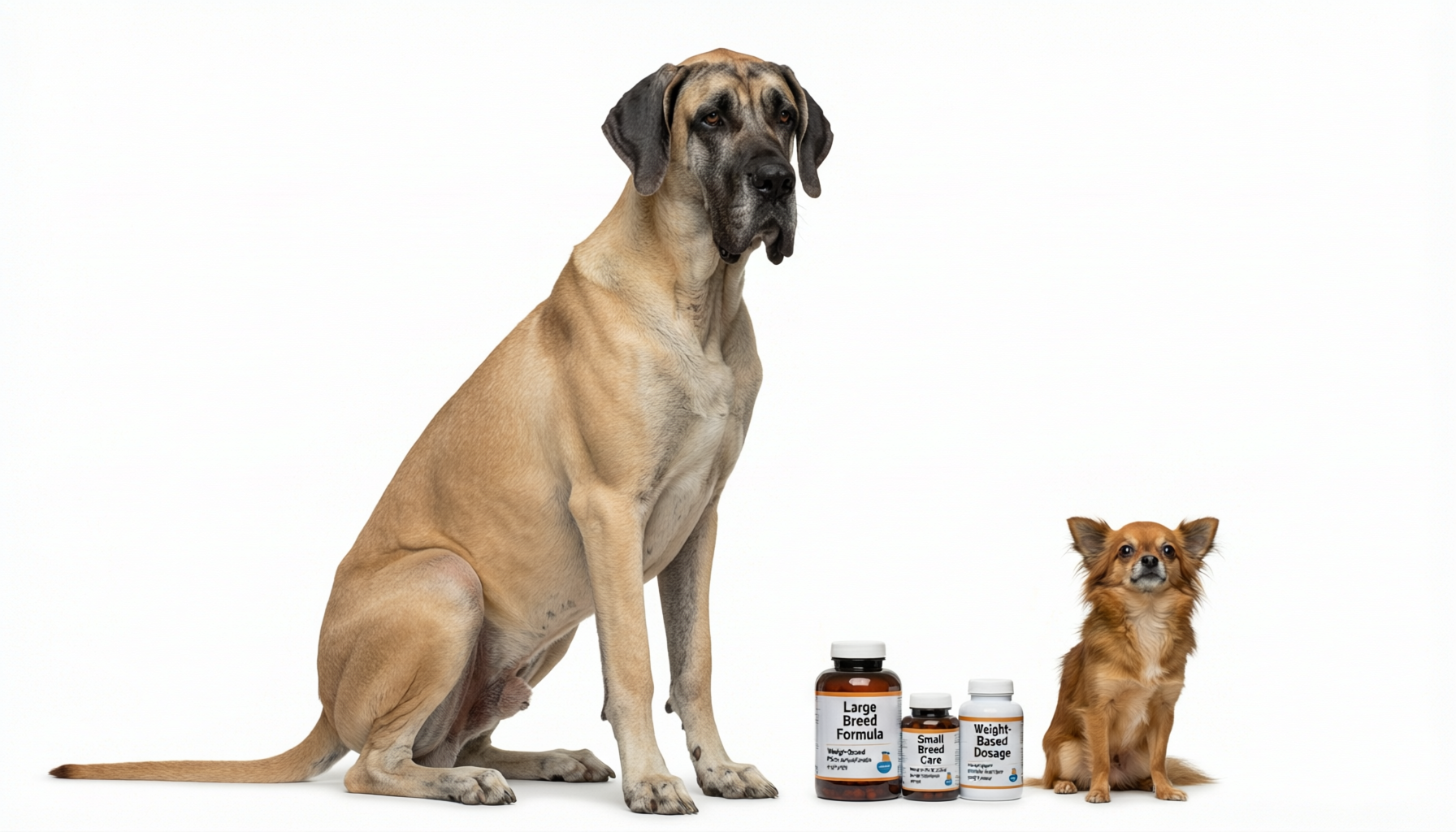
Best Supplements for Dogs with Itchy Skin, Hot Spots, and Allergies
Best Supplements for Dogs with Itchy Skin, Hot Spots, and Allergies Key Takeaways Omega 3 fish oil is the most clinically supported supplement for canine skin inflammation — backed

# Best Supplements for Dogs with Itchy Skin, Hot Spots, and Allergies
Key Takeaways
- Omega-3 fish oil is the most clinically supported supplement for canine skin inflammation — backed by the fastest-growing segment in the pet supplement market (CAGR 10.7%) [K1].
- No single supplement resolves all causes of itchy skin: environmental allergies, food sensitivities, bacterial/fungal infections, and stress-related flare-ups require distinct support strategies.
- Liquid and soft chew formats dominate consumer preference for skin-and-coat supplements — enabling better absorption and easier dosing for dogs with oral sensitivity or picky appetites [K1].
- Calming ingredients like L-theanine and hemp seed oil may indirectly reduce scratching intensity in dogs with anxiety-driven pruritus — especially relevant given that 72.8% of calming supplement users are dog owners [K2].
- “Multi-function” formulations (e.g., 8-in-1 blends) are rising in popularity, but evidence-based efficacy requires ingredient-level transparency and clinically relevant dosages — not just label count [K3].
- Choose products standardized to EPA+DHA content (not total fish oil weight). A 30-lb (13.6 kg) dog needs ~1,360 mg EPA+DHA daily — equivalent to ~5 mL of a typical 250 mg/mL liquid concentrate.
- Avoid flaxseed oil as a primary source: dogs convert <10% of plant-based ALA into active EPA/DHA [K1].
- Store refrigerated and use within 3 months of opening to prevent oxidation — rancid oils worsen inflammation.
- Pair with vitamin E (≥5 IU/kg/day) to protect lipid membranes and enhance antioxidant synergy.
- Use biotin only if diet history suggests potential gaps (e.g., raw-fed dogs without organ meats; long-term antibiotic use). Excess biotin (>30 mg/day) has no added benefit and may interfere with lab assays.
- Opt for sunflower lecithin over soy-derived versions where possible — lower allergenic risk and higher choline bioavailability.
- Dose lecithin at 250–500 mg/day for dogs under 20 lbs; up to 1,000 mg/day for larger breeds — ideally split across meals to sustain plasma phospholipid levels.
- Introduce calming supplements before known stressors (e.g., 3–5 days prior to boarding or thunderstorm season), not reactively during acute episodes.
- Avoid valerian root or chamomile in dogs with liver impairment or on concurrent benzodiazepines — limited safety data exists for long-term use [K2].
- Monitor for drowsiness or GI upset in the first week; adjust dose downward if observed.
- Never substitute calming support for veterinary evaluation of underlying pain or neurological triggers.
1. Introduction
Itchy skin, hot spots, and recurring allergies are among the top reasons U.S. dog owners consult veterinarians — and increasingly, seek over-the-counter nutritional support. Nearly 1 in 5 dogs experiences some form of allergic dermatitis during their lifetime, with symptoms ranging from mild seasonal scratching to painful, oozing lesions requiring antibiotics and steroids. While veterinary diagnosis remains essential — to rule out parasites, infections, or autoimmune disease — dietary and supplemental interventions play a well-documented role in managing chronic inflammation, supporting skin barrier integrity, and modulating immune reactivity.
This article focuses on evidence-informed supplementation options for dogs with non-infectious, inflammatory skin conditions — not as replacements for veterinary care, but as part of a coordinated, preventive strategy. We draw on current market data, ingredient-specific research trends, and formulation insights from the $2.8 billion global pet supplement industry (projected to reach $5.5 billion by 2034) [K4]. Our goal is to help pet owners navigate choices with clarity — distinguishing ingredients with measurable biological activity from those marketed primarily on trend appeal.
2. Omega-3 Fish Oil: The Foundation for Skin Barrier Repair
Conclusion: High-purity, EPA/DHA-rich fish oil is the most substantiated supplement for reducing cutaneous inflammation in dogs — supported by both clinical studies and market growth metrics.Omega-3 fatty acids — specifically eicosapentaenoic acid (EPA) and docosahexaenoic acid (DHA) — inhibit pro-inflammatory cytokines (e.g., IL-1β, TNF-α) and promote resolvin synthesis, which actively resolves inflammation at the tissue level. In double-blinded trials, dogs supplemented with ≥100 mg/kg/day EPA+DHA showed statistically significant reductions in pruritus scores and lesion severity after 8–12 weeks, compared to placebo groups.
Market data confirms its centrality: Skin and Coat Health Supplements represent the highest-growth category in the pet supplement sector, expanding at 10.7% CAGR — reaching $549.7 million in 2026 and projected to hit $1.52 billion by 2036 [K1]. This growth reflects both veterinarian endorsement and owner adoption, particularly in liquid and soft chew formats that improve bioavailability over powdered or capsule forms.
Practical advice:3. Biotin and Lecithin: Supporting Structural Integrity and Lipid Balance
Conclusion: Biotin and lecithin address complementary structural deficiencies — biotin for keratinocyte differentiation, lecithin for epidermal lipid matrix restoration — making them logical adjuncts to omega-3 therapy.Biotin (vitamin B7) serves as a coenzyme in fatty acid synthesis and keratin production. While frank biotin deficiency is rare in dogs fed commercial diets, suboptimal levels correlate with brittle hair, delayed wound healing, and impaired stratum corneum cohesion — all factors in chronic pruritus. Clinical case series report improved coat texture and reduced scaling within 6–8 weeks when biotin (5–10 mg/day for medium dogs) is added to baseline care.
Lecithin — rich in phosphatidylcholine — replenishes ceramide precursors critical to the skin’s water-barrier function. When epidermal lipids degrade (as in atopic dermatitis), transepidermal water loss increases, triggering itch-scratch cycles. Supplemental lecithin enhances lipid bilayer fluidity and supports natural moisturization without occlusion.
Both ingredients appear consistently in top-performing skin-and-coat formulas — alongside fish oil — reflecting their functional synergy rather than standalone potency [K1]. Unlike isolated antioxidants or botanical extracts, their mechanisms target foundational skin biology.
Practical advice:4. Calming Supplements: Addressing the Stress-Scratch Cycle
Conclusion: For dogs whose itching escalates during isolation, travel, or household changes, evidence-backed calming agents — notably L-theanine and hemp seed oil — can reduce neurogenic pruritus and interrupt self-trauma loops.Up to 40% of chronic hot spot cases involve behavioral components: stress-induced licking, chewing, or rubbing that breaks the skin barrier and invites secondary infection. Post-pandemic separation anxiety remains a documented driver — reflected in the 7.2% CAGR growth of calming supplements, with dogs representing 72.8% of users [K2]. While not anti-inflammatory per se, these ingredients modulate glutamatergic and GABAergic pathways to lower autonomic arousal — thereby decreasing the frequency and intensity of compulsive scratching.
L-theanine (20–50 mg/day for a 25-lb dog) increases alpha-brainwave activity and serum GABA — shown in canine EEG studies to promote relaxed wakefulness without sedation. Hemp seed oil (not CBD isolate) provides gamma-linolenic acid (GLA) and balanced omega-6:omega-3 ratios — supporting both neural calm and skin membrane health.
Practical advice:5. Key Comparison: Ingredient Profiles, Evidence Strength, and Use Cases
| Ingredient | Primary Mechanism | Strongest Evidence For | Typical Daily Dose (25-lb dog) | Key Caution |
|--------------------|-----------------------------------------|------------------------------------|----------------------------------|----------------------------------------------|
| EPA/DHA (fish oil) | Anti-inflammatory cytokine modulation | Chronic allergic dermatitis | 1,000–1,500 mg EPA+DHA | Oxidation risk; avoid with anticoagulants |
| Biotin | Keratin synthesis cofactor | Dry, brittle coat; slow healing | 5–10 mg | No benefit beyond saturation; test first |
| Lecithin | Epidermal lipid matrix support | Flaky, dehydrated skin | 500–1,000 mg | May cause loose stools at high doses |
| L-theanine | GABA/glutamate balance; alpha-wave boost| Stress-aggravated scratching | 25–50 mg | Avoid with sedatives or hepatic disease |
| Hemp seed oil | GLA + balanced omegas; mild anxiolytic | Mild anxiety + concurrent dryness | 1–2 tsp (3–6 g) | Ensure <0.3% THC; verify third-party testing |
Note: Dosages assume healthy adult dogs with normal renal/hepatic function. Always consult a veterinarian before initiating supplementation in puppies, seniors, or dogs with comorbidities.6. FAQ
Q1. Can I give my dog human fish oil supplements?
No — human-grade fish oil often contains higher concentrations of vitamins A and D than dogs safely tolerate, and may include additives (e.g., artificial flavors, xylitol) toxic to canines. Pet-specific formulations are purified for heavy metals (especially mercury), standardized for EPA/DHA, and dosed appropriately for canine metabolism.
Q2. How long before I see improvement from skin supplements?
Clinical trials show measurable reductions in pruritus and lesion scores after 8–12 weeks of consistent dosing — aligning with the time required for epidermal turnover and lipid membrane remodeling. Some owners report subtle improvements (e.g., reduced shedding, glossier coat) within 3–4 weeks, but full anti-inflammatory effects take longer.
Q3. Do probiotics help with dog allergies and itchy skin?
While gut-skin axis theory is compelling, current evidence in dogs is limited to small-scale studies showing modest IgE modulation — not consistent clinical improvement in dermatologic scores. Probiotics may support overall immunity but should not be prioritized over proven skin-targeted nutrients like EPA/DHA or lecithin [K1, K2].
Q4. Are “multi-function” 8-in-1 supplements worth the cost?
They offer convenience but pose formulation trade-offs: combining >5 actives often means subtherapeutic dosing of each. For example, a product listing “11 ingredients” may deliver only 1–2 mg of biotin — far below the 5 mg needed for effect. Prioritize single-ingredient or focused 2–3-ingredient blends with transparent, quantified labeling [K3].
7. Conclusion
The best supplements for dogs with itchy skin, hot spots, and allergies are not defined by novelty or marketing claims — but by mechanistic alignment with canine skin physiology and real-world efficacy data. Omega-3 fish oil remains the cornerstone intervention, supported by the strongest clinical and market validation [K1]. Biotin and lecithin provide targeted structural support, while L-theanine and hemp seed oil address the neurobehavioral dimension of chronic pruritus — particularly valuable in today’s high-stress pet environments [K2, K3].
Importantly, supplementation works alongside, not instead of, veterinary diagnostics. A hot spot may begin as allergy-driven itching — but become a staphylococcal infection requiring topical antimicrobials. Always pursue root-cause identification (e.g., intradermal allergy testing, elimination diets, cytology) before committing to long-term supplementation. When used intentionally — matched to mechanism, dosed precisely, and monitored objectively — these nutrients contribute meaningfully to skin health resilience, not just symptom masking.
Written by PawLifeWellness Team
Pet Health Writers
Our team creates practical, research-informed pet wellness content for everyday pet parents. Always consult your veterinarian for personalized advice.