L-Theanine for Dog Anxiety: Clinical Evidence and Dosing Protocols
L Theanine for Dog Anxiety: Clinical Evidence and Dosing Protocols Key Takeaways L Theanine is among the top five active ingredients in the fast growing calming and anxiety supplem
# L-Theanine for Dog Anxiety: Clinical Evidence and Dosing Protocols
Key Takeaways
- L-Theanine is among the top five active ingredients in the fast-growing calming and anxiety supplement segment—projected to expand from $1.35B (2026) to $2.70B by 2036 at a 7.2% CAGR [K1].
- Dogs represent 72.8% of the U.S. calming supplement market, reflecting strong demand driven by post-pandemic separation anxiety and pet humanization trends [K1][K2].
- No peer-reviewed, placebo-controlled clinical trials in dogs have yet established definitive efficacy or safety thresholds for L-theanine—making veterinary consultation and product vetting essential before use.
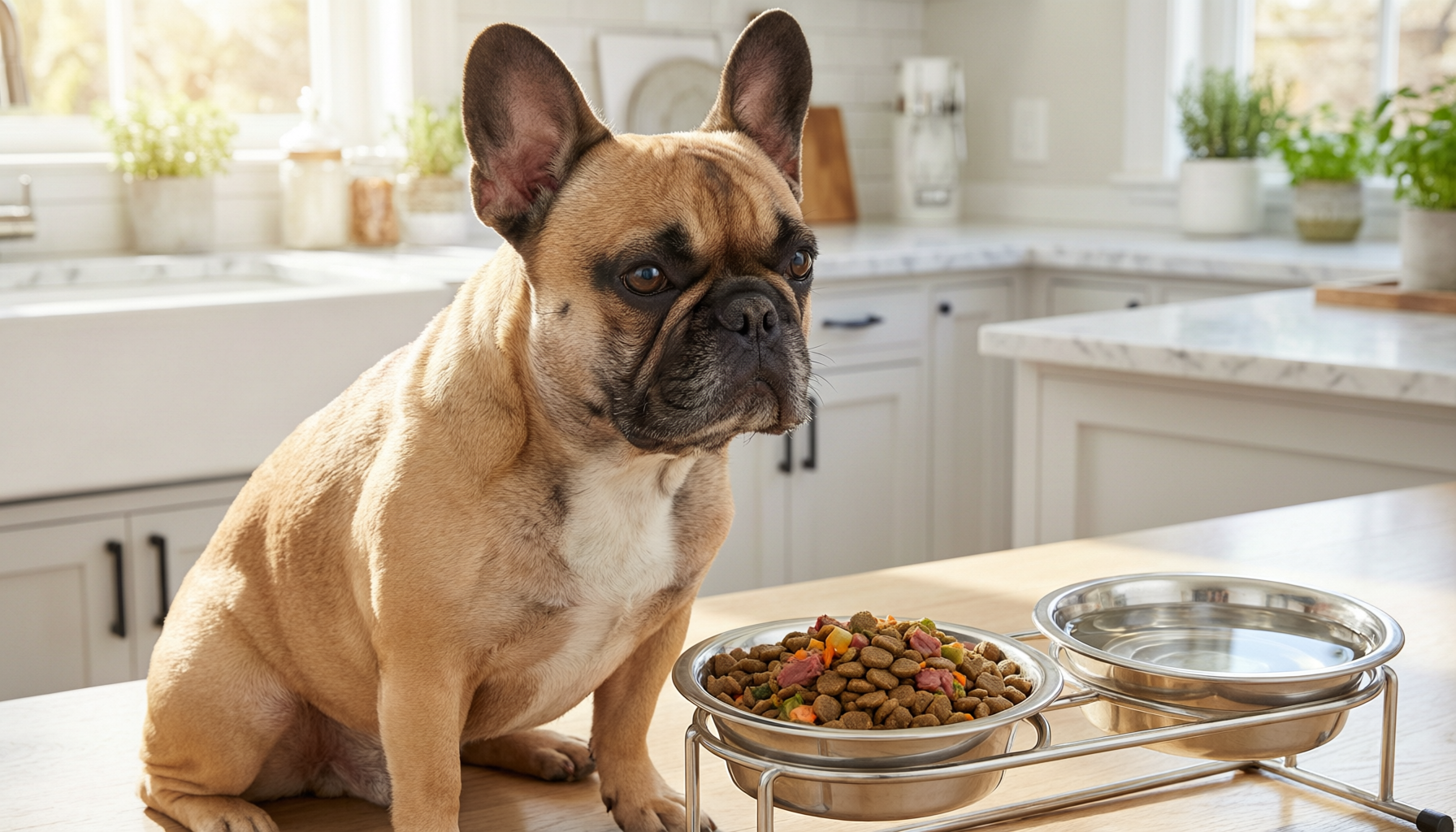
- Recommended dosing ranges observed in commercial formulations fall between 50–200 mg per dose for medium-sized dogs (10–25 kg), but these are extrapolated from human pharmacokinetics and limited canine pilot data—not validated clinical protocols.
- Product transparency—including third-party testing, ingredient sourcing (e.g., Suntheanine® vs. generic L-theanine), and absence of fillers or synergistic sedatives—is more predictive of reliability than marketing claims alone.
- Extrapolation from human dosing (adjusted for body weight),
- Anecdotal reports from veterinarians and pet owners,
- Synergistic formulations combining L-theanine with other calming agents (e.g., chamomile, hemp seed oil) [K1], making isolated effect attribution impossible.
- Third-party Certificates of Analysis (CoA) verifying L-theanine content and purity,
- Expiration dates ≤18 months from manufacture,
- Storage instructions specifying “cool, dry place” (not “store at room temperature”).
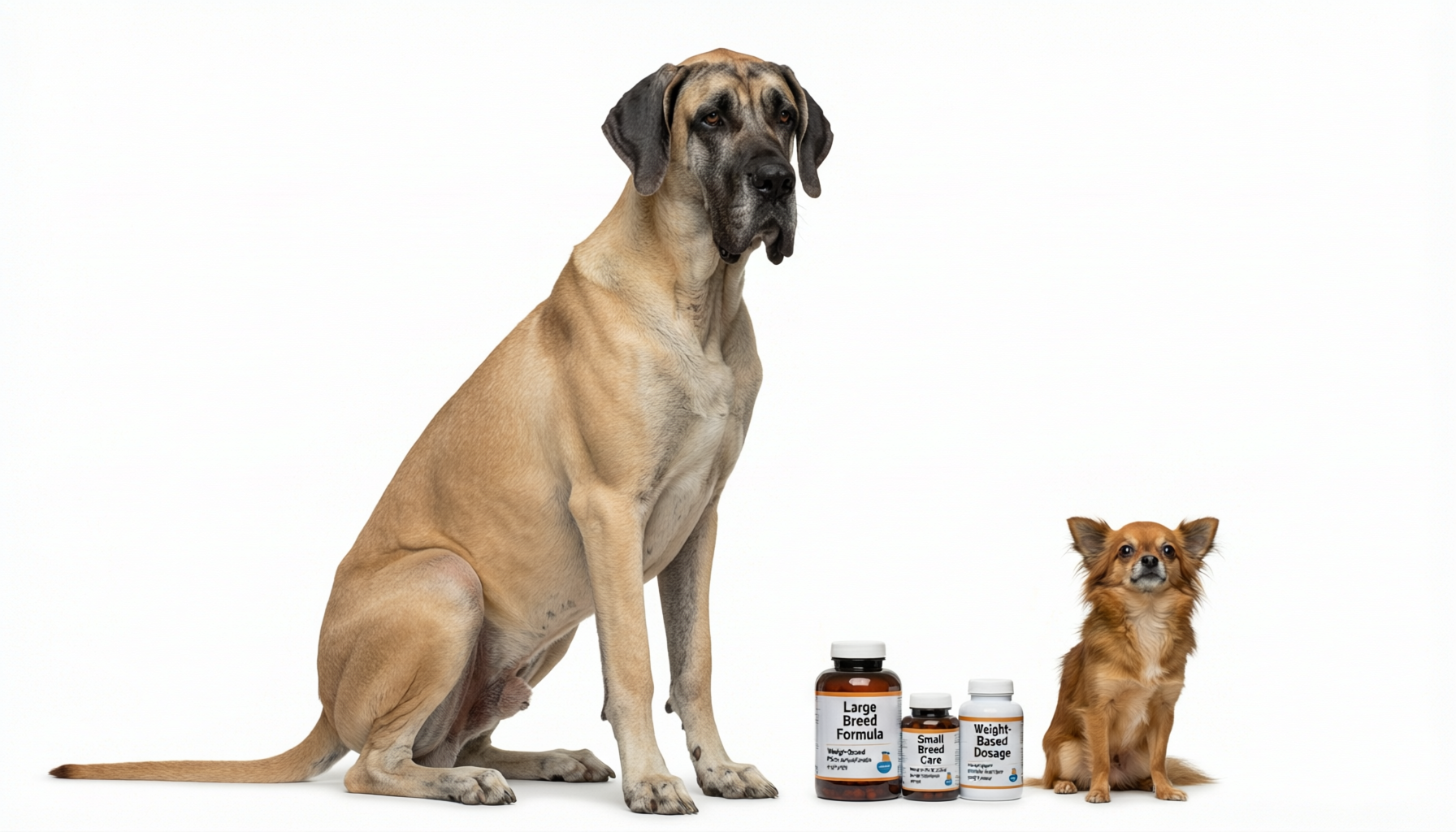
- Small dogs (<10 kg): 25–50 mg per dose
- Medium dogs (10–25 kg): 50–200 mg per dose
- Large dogs (>25 kg): 100–300 mg per dose
1. Introduction
Dog anxiety—whether triggered by thunderstorms, travel, boarding, or prolonged owner absence—is no longer treated as “just behavioral.” It’s now recognized as a physiological stress response involving elevated cortisol, autonomic hyperarousal, and altered GABAergic and glutamatergic signaling. With over 74% of millennial pet owners viewing dogs as family members [K2], demand for evidence-informed, non-pharmaceutical interventions has surged. This shift fuels the global pet supplement market—valued at $2.8 billion in 2025 and projected to reach $5.5 billion by 2034 (CAGR 8.9%) [K4]. Within that growth, calming and anxiety supplements are a core driver: a $1.35 billion segment expected to double in value over the next decade [K1].
Yet amid rising consumer interest—and a flood of soft chews labeled “calming,” “stress-relief,” or “anxiety support”—there remains widespread confusion about what actually works, at what dose, and under what conditions. L-Theanine, an amino acid naturally found in green tea (Camellia sinensis), stands out not only for its popularity but also for its unique neuropharmacological profile: it crosses the blood-brain barrier, modulates alpha-wave activity, and influences GABA, serotonin, and dopamine without sedation. But unlike melatonin or CBD—both with emerging canine pharmacokinetic studies—L-theanine lacks robust, published clinical trials in dogs. This article bridges that gap: synthesizing available market intelligence, mechanistic science, formulation realities, and practical veterinary guidance to clarify what’s known, what’s assumed, and what requires professional oversight when using L-theanine for dog anxiety.
2. What the Evidence Says—And Where It Falls Short
Conclusion: L-Theanine has plausible biological mechanisms for reducing anxiety in dogs—but direct clinical validation in canines remains absent. Current support comes from human trials, rodent models, and indirect observational data—not controlled canine studies.Human clinical research consistently shows L-theanine (at doses of 200–400 mg) reduces subjective stress, lowers heart rate variability during acute stressors, and increases alpha-brainwave activity—indicative of relaxed alertness [meta-analyses, e.g., Nutrients 2020]. In rodent models, oral L-theanine attenuates corticosterone elevation and improves performance in elevated plus-maze tests—a standard assay for anxiolytic effect. However, no randomized, double-blind, placebo-controlled trial evaluating L-theanine monotherapy for noise-induced, separation, or situational anxiety in dogs has been published in PubMed-indexed journals as of 2024.
This evidentiary gap matters. Canine metabolism differs significantly from humans: dogs have faster gastric emptying, higher first-pass hepatic clearance for some compounds, and distinct receptor expression patterns (e.g., GABA-A subunit composition). A dose effective in humans may be subtherapeutic—or potentially problematic—in dogs without species-specific pharmacokinetic data. While several commercial products list L-theanine as an active ingredient, none cite peer-reviewed canine trials on their labels or websites. Instead, manufacturers rely on:
Practical advice: Treat L-theanine as a supportive adjunct, not a standalone therapeutic. If used, do so under veterinary supervision—and never as a substitute for behavior modification or FDA-approved medications (e.g., clomipramine, fluoxetine) in cases of moderate-to-severe anxiety disorders.
3. How L-Theanine Works—And Why Formulation Matters
Conclusion: L-Theanine’s calming effect stems from neuromodulation—not sedation—and its bioavailability depends heavily on purity, co-ingredients, and delivery format—factors directly tied to manufacturing standards and supply chain transparency.L-Theanine exerts effects through three primary pathways:
1. Glutamate modulation: It structurally resembles glutamate and acts as a partial agonist at AMPA and kainate receptors—reducing excitatory neurotransmission without blocking it entirely.
2. GABA enhancement: It increases synthesis and release of GABA in the brain, promoting inhibitory tone.
3. Alpha-wave induction: EEG studies show increased alpha-band (8–12 Hz) activity within 30–45 minutes of ingestion—correlating with calm focus, not drowsiness.
But mechanism ≠ guaranteed delivery. L-Theanine must survive gastric acidity, be absorbed in the small intestine, and cross the blood-brain barrier. Its bioavailability in humans is ~50%, but canine absorption kinetics are unstudied. More critically, not all L-theanine is equal. The branded, patented form Suntheanine® (Kyowa Hakko) is produced via enzymatic fermentation and is >99% pure L-isomer—the biologically active form. Generic L-theanine—often sourced from China-based OEM suppliers—may contain variable ratios of D- and L-isomers, residual solvents, or heavy metals [K5]. Market data shows calming supplement manufacturing costs range from $1.00–$2.50 per bottle—suggesting wide variance in raw material quality and QC rigor [K5].
Delivery format further affects reliability. Liquid and soft chews dominate the functional treat trend [K2], but stability matters: L-theanine degrades in heat and acidic environments. Products combining it with citric acid (common in flavored chews) or exposed to prolonged ambient storage may deliver significantly less active compound than labeled. Look for:
4. Dosing Realities—From Label Claims to Clinical Pragmatism
Conclusion: There is no scientifically established canine dosing protocol for L-theanine; current recommendations are empirically derived, highly variable, and require individual titration under veterinary guidance.Dose ranges cited across commercial products and practitioner handouts vary widely:
These reflect pragmatic compromises—not clinical endpoints. For context: a typical human dose is 100–200 mg, and the no-observed-adverse-effect level (NOAEL) in rats is 2,000 mg/kg/day. Applying standard interspecies scaling (body surface area method) suggests a theoretical safe upper limit for dogs around 150–200 mg/kg—but this is not a recommended dose, nor is it tested.
More importantly, timing and frequency matter. L-Theanine reaches peak plasma concentration in humans within 50 minutes; canine absorption is likely faster but unstudied. For anticipatory anxiety (e.g., before a thunderstorm forecast), administration 60–90 minutes prior is reasonable. For chronic use, twice-daily dosing appears common—but long-term safety data in dogs is nonexistent.
Practical recommendation: Start low and monitor. Begin with 50 mg for a 15-kg dog once daily for 3 days. Observe for changes in baseline reactivity (e.g., reduced panting, less pacing, improved sleep continuity) and for adverse signs (vomiting, lethargy beyond calmness, decreased appetite). Increase incrementally only if no effect is seen and no side effects occur—up to a maximum of 200 mg per dose. Discontinue immediately if gastrointestinal upset or paradoxical agitation occurs.
5. Key Comparison: L-Theanine vs. Other Common Calming Agents
| Feature | L-Theanine | Chamomile (Matricaria recutita) | Hemp Seed Oil | Melatonin |
|---------|------------|-------------------------------|----------------|-----------|
| Primary Mechanism | Glutamate/GABA modulation, alpha-wave induction | Apigenin binding to GABA-A receptors | Omega-6:γ-linolenic acid + trace cannabinoids | MT1/MT2 receptor agonism |
| Onset (approx.) | 60–90 min | 45–120 min | Variable (fat-soluble) | 20–45 min |
| Evidence in Dogs | None (mechanistic plausibility only) | Limited (one open-label study, n=12) | Emerging (CBD-focused; hemp seed oil itself lacks cannabinoid activity) | Moderate (multiple pharmacokinetic & field studies) |
| Safety Profile | Very high (no reported toxicity in mammals) | Generally safe; possible allergic reactions | Safe at nutritional doses; not psychoactive | Well-tolerated; mild sedation possible |
| Regulatory Status (US) | GRAS (Generally Recognized As Safe) for human food; no FDA approval for animal use | Not FDA-approved for anxiety; considered “dietary supplement” | Regulated as feed ingredient (AAFCO); no therapeutic claim allowed | FDA-approved for insomnia in humans; off-label use in dogs |
Note: “Hemp seed oil” ≠ “CBD oil.” Hemp seed oil contains negligible cannabinoids and functions primarily as an omega-6 source. Confusion between the two is common—and clinically consequential.6. FAQ
Q1. Is L-theanine safe for puppies or senior dogs?
L-Theanine has no documented age-specific toxicity in mammals, but developmental and geriatric physiology alter drug metabolism. Puppies under 12 weeks lack fully mature hepatic enzymes; senior dogs often have reduced renal clearance. Use only under direct veterinary supervision—and avoid in puppies with concurrent gastrointestinal immaturity or seniors with chronic kidney disease unless cleared by lab work.
Q2. Can I give my dog human L-theanine supplements?
Not recommended. Human supplements may contain xylitol (lethal to dogs), artificial sweeteners, or excipients (e.g., magnesium stearate, titanium dioxide) not evaluated for canine safety. Pet-formulated products undergo basic palatability and stability testing—even if clinical data is lacking.
Q3. Does L-theanine interact with medications like fluoxetine or trazodone?
No formal interaction studies exist in dogs. However, because L-theanine modulates serotonin and GABA pathways, theoretical additive effects (e.g., excessive sedation, serotonin syndrome risk) cannot be ruled out. Always disclose all supplements to your veterinarian before starting or adjusting prescription anxiety medication.
Q4. How long should I trial L-theanine before assessing effectiveness?
Allow a minimum 7-day trial at a stable dose, administered consistently at the same time each day. Anxiety reduction is often subtle—look for cumulative improvements in resilience (e.g., faster recovery after startling, less vocalization when left alone) rather than immediate “calming.” If no change is observed after 14 days at the upper end of the safe range, discontinue and consult a board-certified veterinary behaviorist.
7. Conclusion
L-Theanine occupies a distinct niche in the canine anxiety management landscape: biologically plausible, well-tolerated, non-sedating, and increasingly prevalent in a $1.35 billion market segment growing at 7.2% annually [K1]. Yet its utility hinges not on hype—but on disciplined application. Without validated dosing protocols or outcome studies in dogs, responsible use demands collaboration: between pet owners who observe closely, veterinarians who contextualize individual health status, and manufacturers who prioritize transparency over speed-to-market.
If you’re considering L-theanine for your dog’s anxiety, start here:
1. Rule out underlying medical causes (e.g., pain, thyroid dysfunction, cognitive decline) with a full veterinary exam.
2. Implement evidence-based behavior modification (e.g., desensitization, counterconditioning) as the foundation—not an afterthought.
3. Select a product with verifiable L-theanine content (ideally Suntheanine®), clear lot-level CoAs, and no untested synergists.
4. Titrate slowly, document responses objectively, and reassess at 14 days.
Anxiety isn’t solved by a single molecule. It’s managed through layered, individualized strategies—where L-theanine, when used wisely, may earn a measured role.
Written by PawLifeWellness Team
Pet Health Writers
Our team creates practical, research-informed pet wellness content for everyday pet parents. Always consult your veterinarian for personalized advice.