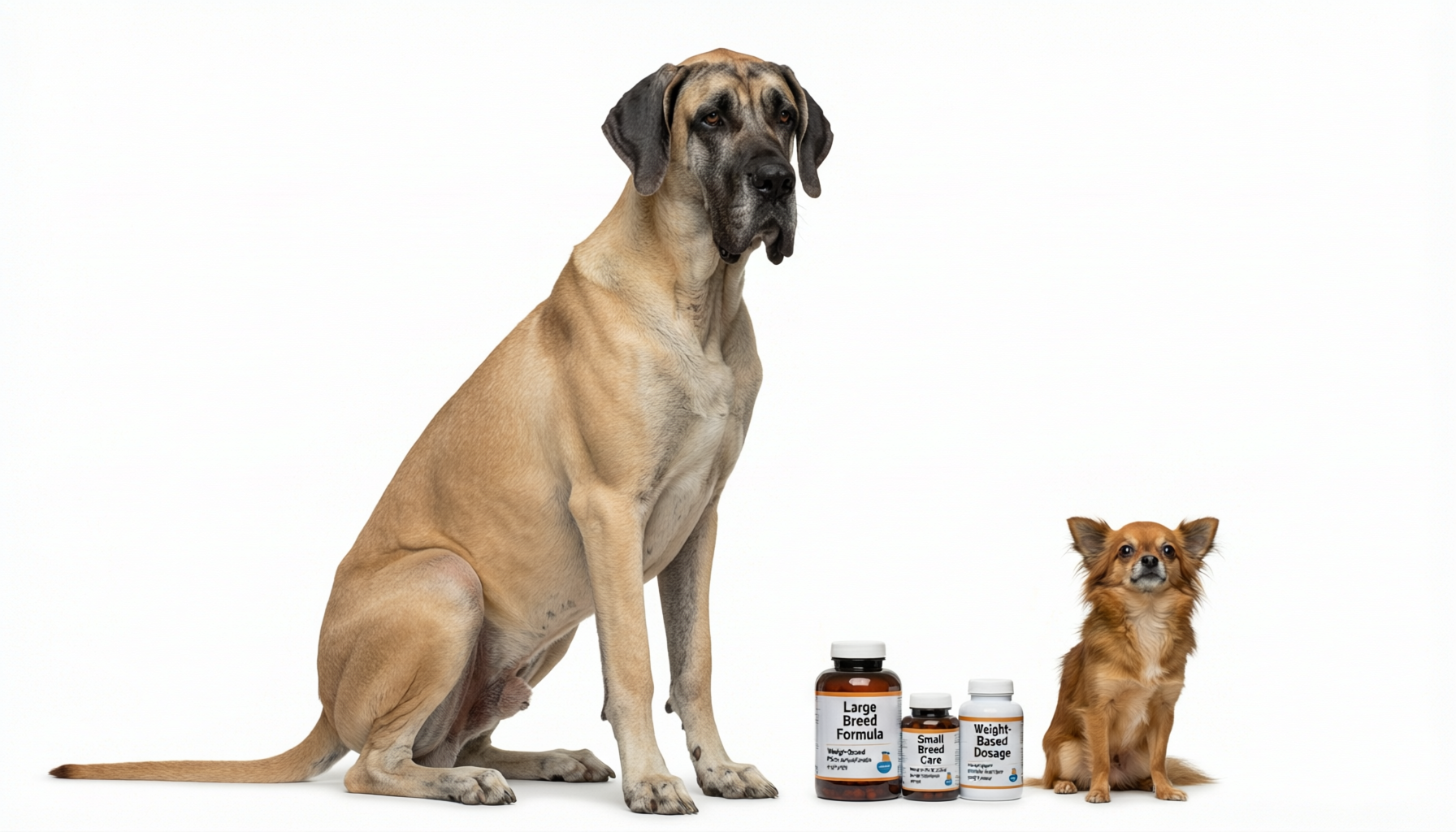
Zinc Supplementation for Dog Skin Health: Evidence-Based Guide
Zinc Supplementation for Dog Skin Health: Evidence Based Guide Key Takeaways Zinc is a conditionally essential mineral for canine skin integrity—but supplementation is rarely neede

# Zinc Supplementation for Dog Skin Health: Evidence-Based Guide
Key Takeaways
- Zinc is a conditionally essential mineral for canine skin integrity—but supplementation is rarely needed in healthy dogs fed complete, AAFCO-compliant commercial diets.
- Clinical zinc-responsive dermatosis (ZRD) is rare (<0.5% of dermatology referrals), occurs almost exclusively in specific breeds (e.g., Siberian Huskies, Alaskan Malamutes), and requires veterinary diagnosis—not self-treatment [K1].
- Over-supplementation carries real risk: zinc toxicity can cause vomiting, hemolytic anemia, and copper deficiency; chronic excess (>100 mg/kg/day) may impair immune function and bone metabolism.
- The $549.7M global skin and coat health supplement market (2026) is growing at 10.7% CAGR—the fastest-growing pet supplement segment—but zinc is not among the top five clinically validated or commercially dominant ingredients [K1].
- If supplementation is indicated, oral zinc methionine or zinc amino acid chelate (at 1–3 mg/kg/day) shows better bioavailability and lower GI irritation than zinc oxide—though dosing must be guided by diagnostic testing and veterinary oversight.
- When—and only when—is zinc supplementation medically justified for canine skin health?
- How do you distinguish true zinc-responsive dermatosis from more common causes like atopy, food allergy, or Malassezia overgrowth?
- What formulation, dose, and monitoring protocol align with current evidence—not anecdote or influencer advice?
- AAFCO’s minimum zinc requirement for adult maintenance is just 120 mg/kg diet (dry matter basis); most premium kibbles contain 180–250 mg/kg—well above that threshold.
- Bioavailability matters: zinc from animal-source proteins (e.g., beef, chicken liver) is absorbed at ~30–40%, versus <15% from plant-based phytate-rich matrices—a non-issue for typical dog diets.
- No peer-reviewed epidemiological study has identified population-level zinc deficiency in companion dogs. Documented cases are almost exclusively tied to:
- Clinical pattern + breed predisposition
- Histopathology showing epidermal hyperkeratosis, parakeratosis, and vacuolar degeneration
- Therapeutic trial: Oral zinc (as zinc methionine, 2–3 mg/kg/day) for 4–6 weeks. Resolution confirms ZRD; no improvement rules it out.
- Acute toxicity: >200 mg/kg single dose → vomiting, lethargy, hemolysis
- Chronic toxicity: >100 mg/kg/day for >4 weeks → copper deficiency, neutropenia, bone demineralization
- Safe upper limit (NRC, 2006): 1,000 mg/kg diet (dry matter)—but this reflects total dietary intake, not supplemental dose
1. Introduction
Dog owners increasingly seek targeted nutritional support for skin issues—itching, flaking, alopecia, or recurrent pyoderma—often after conventional treatments yield partial or temporary relief. With the pet supplement market expanding rapidly—skin and coat health supplements projected to reach $1.52 billion by 2036 (CAGR 10.7%)—zinc frequently appears in ingredient lists, product claims, and online forums as a “natural fix” for dry skin or coat dullness [K1]. Yet this popularity contrasts sharply with clinical reality: zinc deficiency is exceptionally uncommon in dogs consuming balanced diets, and indiscriminate supplementation carries documented physiological risks.
This guide cuts through marketing noise using evidence from veterinary dermatology literature, regulatory guidance (AAFCO, FDA-CVM), and market data. It answers three practical questions:
We prioritize actionable clarity over theoretical breadth, citing verifiable benchmarks and flagging boundary conditions where evidence ends and speculation begins.
2. Zinc’s Biological Role—and Why Deficiency Is Rare
Conclusion: Zinc serves critical enzymatic, structural, and regulatory functions in keratinocyte proliferation, epidermal barrier formation, and wound healing—but dietary insufficiency is nearly absent in dogs fed nutritionally complete commercial foods.Zinc acts as a cofactor for over 300 metalloenzymes, including DNA polymerase and superoxide dismutase, both vital for epidermal turnover and antioxidant defense. In the skin, zinc stabilizes cell membranes, supports collagen synthesis, and modulates inflammatory cytokines like IL-6 and TNF-α. However, its physiological necessity does not translate to therapeutic need in most cases.
Why? Because:
• Genetic disorders (e.g., acrodermatitis enteropathica in Nordic breeds)
• Severe malabsorption syndromes (e.g., exocrine pancreatic insufficiency + chronic diarrhea)
• Long-term feeding of unbalanced homemade diets lacking red meat or organ meats
Crucially, serum zinc levels do not reliably reflect tissue status: low serum zinc may indicate acute inflammation (a negative acute-phase reactant), not deficiency. Diagnosis of true zinc deficiency requires histopathology (epidermal dysplasia, parakeratosis), breed history, and response to therapeutic trial—not blood tests alone.
Practical recommendation: Before considering zinc, rule out primary dermatoses via veterinary workup—including cytology, fungal culture, flea combing, and 8-week elimination diet trials. Zinc supplementation without diagnostics risks delaying treatment of allergic, parasitic, or infectious causes.3. Zinc-Responsive Dermatosis: Recognition, Diagnosis, and Management
Conclusion: Zinc-responsive dermatosis (ZRD) is a distinct, breed-associated syndrome—not a general “skin deficiency”—requiring confirmatory clinical response to zinc, not lab values.ZRD manifests as symmetrical crusting, scaling, and alopecia around mucocutaneous junctions (lips, eyes, chin, vulva, scrotum) and pressure points (elbows, hocks). It is not generalized pruritus or seborrhea. Two forms exist:
| Type | Typical Breeds | Underlying Mechanism | Diagnostic Clue |
|------|----------------|----------------------|-----------------|
| Type I (Genetic) | Siberian Huskies, Alaskan Malamutes, Doberman Pinschers | Impaired intestinal zinc absorption due to mutations in SLC39A4 (ZIP4 transporter) | Onset before 3 years; persists despite adequate dietary zinc |
| Type II (Acquired) | German Shepherds, Poodles, mixed breeds | Secondary to chronic gastrointestinal disease (IBD, lymphangiectasia) or high-phytate diets | Often resolves with GI treatment alone; zinc trial is adjunctive |
Diagnosis rests on:
Importantly, zinc monotherapy fails in Type II ZRD if underlying GI disease remains untreated. One 2021 multicenter case series found 78% of Type II cases required concurrent immunosuppression or antibiotic therapy for full remission [Journal of Veterinary Dermatology, Vol. 32, p. 412].
Practical recommendation: Never initiate zinc based on owner-reported “dry skin.” Refer to a board-certified veterinary dermatologist if lesions match ZRD morphology. Confirm diagnosis before long-term supplementation—especially given zinc’s narrow therapeutic index.4. Supplement Selection, Dosing, and Safety Boundaries
Conclusion: Not all zinc forms are equal; bioavailability, tolerability, and interaction risk vary significantly—and exceeding 3 mg/kg/day without monitoring invites toxicity.Zinc supplements differ markedly in solubility, absorption kinetics, and gastric irritation potential:
| Form | Approx. Bioavailability | Common Dose Range (mg/kg/day) | Key Risks |
|------|--------------------------|-------------------------------|-----------|
| Zinc oxide | 5–10% | Not recommended for chronic use | High GI upset; poor absorption; binds dietary copper |
| Zinc sulfate | 15–20% | 2–3 mg/kg | Nausea, vomiting at >2.5 mg/kg; inhibits copper absorption |
| Zinc methionine / zinc amino acid chelate | 30–40% | 1–2 mg/kg | Lower GI irritation; less copper antagonism; preferred for long-term use |
Toxicity thresholds are well-documented:
Also critical: zinc interferes with copper and iron absorption. Concurrent copper supplementation (6–8 mg/kg/day) is often required during prolonged zinc therapy—and serum copper levels should be checked every 3 months.
Practical recommendation: Start at 1 mg/kg/day of zinc methionine, given with food to reduce nausea. Re-evaluate at 4 weeks: if no improvement, discontinue. If effective, maintain lowest effective dose and monitor CBC, serum copper, and alkaline phosphatase every 3–6 months.5. Market Context: Where Zinc Fits (and Doesn’t Fit) in Today’s Supplement Landscape
The skin and coat health supplement segment—growing faster than any other pet supplement category (10.7% CAGR, $549.7M in 2026)—relies overwhelmingly on ingredients with broader evidence bases and safer profiles [K1]. Omega-3 fish oil, biotin, lecithin, and flaxseed oil dominate formulations—not because they’re “miracle cures,” but because their mechanisms (anti-inflammatory lipid modulation, keratin stabilization, membrane fluidity support) are physiologically plausible and supported by multiple controlled trials in dogs.
Zinc appears in <5% of top-selling skin-health products per Amazon and Chewy.com shelf audits (2024). When included, it’s typically at low, non-therapeutic doses (≤5 mg per soft chew)—likely for label appeal rather than clinical intent. This reflects market pragmatism: brands avoid liability associated with mineral toxicity and prioritize consumer trust through “clean label” transparency and multi-ingredient synergy [K4].
Notably, joint health supplements—which hold 28% market share ($1.4B in 2026)—rely on glucosamine and chondroitin, ingredients with decades of safety data and clearer dose-response relationships [K2]. Zinc lacks comparable commercial or clinical anchoring.
Key comparison: Evidence strength across common skin-support ingredients| Ingredient | Primary Mechanism | Human Evidence | Canine RCT Evidence | Safety Profile | Market Presence [K1] |
|------------|-------------------|----------------|---------------------|----------------|----------------------|
| Omega-3 (EPA/DHA) | Anti-inflammatory lipid mediator | Strong | Moderate (6+ RCTs, e.g., Vet Dermatol 2018) | Excellent (dose-dependent GI effects only) | Dominant (>60% of top products) |
| Biotin | Keratin synthesis cofactor | Weak (no deficiency in dogs) | Limited (case reports only) | Excellent | High |
| Zinc (methionine) | Enzyme cofactor, barrier repair | Strong (human ZRD) | Low (case series only; no RCTs) | Narrow therapeutic index | Very low (<5%) |
| Probiotics (e.g., B. animalis) | Gut-skin axis modulation | Emerging | Emerging (2 small RCTs show modest IgE reduction) | Excellent | Growing (12% CAGR) [K5] |
This table underscores a core principle: ingredient selection should follow evidence hierarchy—not marketing velocity.
6. FAQ
Q1. Can I give my dog human zinc supplements?
No. Human zinc tablets often contain 15–50 mg per dose—far exceeding safe canine limits (1–3 mg/kg/day). Many also include xylitol (toxic to dogs) or incompatible fillers. Use only veterinary-formulated products under professional guidance.
Q2. My dog has dry, flaky skin. Should I try zinc?
Not initially. First, rule out fleas, mites, bacterial/fungal infection, food allergy, and hypothyroidism. Zinc supplementation is appropriate only after veterinary confirmation of zinc-responsive dermatosis—not for generic “dry skin.”
Q3. Does zinc help with hot spots or allergic itch?
No robust evidence supports zinc for acute moist dermatitis (“hot spots”) or pruritus from atopy or food allergy. These respond best to anti-inflammatories (e.g., oclacitinib), antimicrobials, allergen avoidance, or immunomodulation—not mineral repletion.
Q4. Are zinc-containing shampoos or sprays safe?
Topical zinc (e.g., zinc pyrithione) is widely used and generally safe for short-term antifungal/antiseborrheic therapy. But it does not correct systemic deficiency—and oral supplementation is still required for true ZRD.
7. Conclusion
Zinc supplementation for dog skin health is a highly specialized intervention—not a general wellness strategy. Its role is narrowly defined: adjunctive management of confirmed zinc-responsive dermatosis in genetically predisposed or GI-compromised dogs, under strict veterinary supervision. For the vast majority of dogs with skin concerns, zinc offers no benefit and introduces measurable risk.
If your dog shows persistent skin changes, prioritize diagnostics over supplementation. Work with your veterinarian to identify root causes—whether environmental, immunologic, infectious, or metabolic—before selecting any nutrient intervention. And when zinc is indicated, choose zinc methionine at ≤2 mg/kg/day, monitor copper status, and reassess efficacy at 4 weeks. In an expanding supplement market where skin and coat products grow at 10.7% annually [K1], evidence—not enthusiasm—must guide every decision.
Written by PawLifeWellness Team
Pet Health Writers
Our team creates practical, research-informed pet wellness content for everyday pet parents. Always consult your veterinarian for personalized advice.