How to Boost Your Dogs Immune System Naturally with Supplements
How to Boost Your Dog’s Immune System Naturally with Supplements Key Takeaways No single supplement “boosts immunity” in isolation — immune support requires a layered approach targ
# How to Boost Your Dog’s Immune System Naturally with Supplements
Key Takeaways
- No single supplement “boosts immunity” in isolation — immune support requires a layered approach targeting gut health, inflammation modulation, antioxidant defense, and stress resilience [K4, K1].
- Probiotics are the fastest-growing category (CAGR 10.5%), reflecting strong clinical alignment: ~70% of canine immune tissue resides in the gut, making microbiome balance foundational [K4].
- Omega-3s (fish oil) and multi-strain probiotics have the strongest evidence base for measurable immune outcomes — including reduced inflammatory cytokines and improved vaccine response in clinical studies.
- “Multi-function” supplements (e.g., 8-in-1 formulas) dominate retail shelves, but ingredient-level dosing transparency matters more than count — many combine under-dosed actives that lack therapeutic relevance [K5].
- Always consult a veterinarian before starting supplements, especially if your dog has kidney disease, is on immunosuppressants, or is undergoing cancer treatment — some natural compounds (e.g., ashwagandha, reishi) interact with medications [K5].
- Small dogs (<12 lbs): 250–500 mg combined EPA+DHA daily
- Medium dogs (12–50 lbs): 500–1,000 mg
- Large/giant breeds (>50 lbs): 1,000–2,000 mg
- L-Theanine: Increases alpha-brain waves (calm alertness) and elevates GABA and dopamine — neurotransmitters linked to reduced Th2-skewed allergic responses.
- Hemp seed oil (not CBD oil): Contains gamma-linolenic acid (GLA), a precursor to anti-inflammatory prostaglandins — distinct from psychoactive cannabinoids.
- Chamomile: Apigenin binds benzodiazepine receptors and inhibits COX-2 expression — linking anxiolysis to peripheral inflammation control.
1. Introduction: Why “Immune Support” Is Not Just Another Trend
Pet owners increasingly seek natural ways to support their dogs’ long-term health — not just treat symptoms. This shift is grounded in observable behavioral and physiological changes: rising rates of environmental allergies, chronic skin inflammation, recurrent ear infections, and post-vaccination lethargy. These aren’t isolated issues; they often reflect underlying immune dysregulation — either overactivity (e.g., atopy), under-responsiveness (e.g., poor vaccine titers), or imbalance (e.g., gut-driven systemic inflammation).
The market confirms this demand. Global pet supplement sales are projected to grow from $12.1B in 2026 to $24.9B by 2036 (CAGR 7.6%), with immune-adjacent categories leading growth: Skin and Coat Health (+10.7% CAGR), Probiotics (+10.5% CAGR), and Calming Supplements (+7.2% CAGR) [K3, K4, K1]. Notably, 74% of millennial pet owners view dogs as family members — driving demand for preventive, human-grade wellness strategies [K5].
But “boosting immunity” is often misinterpreted. The immune system isn’t a muscle to be bulled up; it’s a finely tuned regulatory network. What dogs truly benefit from is immune resilience: the capacity to respond appropriately to pathogens, resolve inflammation efficiently, and avoid overreaction to harmless triggers (e.g., pollen, food proteins). This article focuses on evidence-aligned, naturally derived supplements that support those functions — with clear boundaries, dosing context, and realistic expectations.
2. Prioritize Gut Health First: Probiotics Are the Foundation
Conclusion: For most healthy adult dogs, a high-quality, multi-strain probiotic is the highest-impact first step in natural immune support — because the gut-associated lymphoid tissue (GALT) constitutes ~70% of the body’s immune cells. Reasoning: The intestinal barrier acts as both gatekeeper and trainer for the immune system. When beneficial bacteria dominate (e.g., Lactobacillus acidophilus, Bifidobacterium animalis), they strengthen tight junctions between epithelial cells, crowd out pathogenic microbes, and modulate dendritic cell signaling toward tolerance — not hyperreactivity. Clinical trials in dogs show that 4–8 week supplementation with ≥5 billion CFU/day of targeted strains reduces fecal calprotectin (a marker of gut inflammation) by 32–47% and improves IgA secretion in saliva — a frontline mucosal defense [K4].Not all probiotics deliver equal value. Powder formats are gaining traction (11.2% CAGR) due to stability and flexible dosing, especially for picky eaters or dogs with dental issues [K4]. Also emerging: bone broth–probiotic hybrids, where collagen peptides may enhance delivery to intestinal crypts. However, viability matters — look for products with third-party CFU verification at expiry (not just manufacture date), and avoid those listing only strain names without colony counts.
 Practical recommendation: Start with a veterinary-formulated probiotic containing ≥3 strains, minimum 3 billion CFU per daily dose for dogs under 25 lbs, and ≥5 billion for larger breeds. Administer consistently for at least 6 weeks before assessing effects like reduced flatulence, firmer stools, or fewer seasonal allergy flares. Avoid giving concurrently with antibiotics unless separated by ≥2 hours — and consider a spore-forming strain (e.g., Bacillus coagulans) during antibiotic courses for resilience.
3. Target Inflammation & Oxidative Stress: Omega-3s and Antioxidant Synergy
Conclusion: EPA and DHA from marine-sourced omega-3 fatty acids — not plant-based ALA — provide the most direct, quantifiable anti-inflammatory effect for immune modulation in dogs. Biotin, vitamin E, and selenium serve as essential co-factors, not substitutes. Reasoning: Chronic low-grade inflammation drives many age-related and autoimmune conditions in dogs. Omega-3s integrate into cell membranes and give rise to specialized pro-resolving mediators (SPMs) like resolvins, which actively terminate inflammation — unlike NSAIDs, which suppress it non-specifically. A 12-week randomized trial found dogs fed 100 mg/kg/day EPA+DHA showed 29% lower serum TNF-α and 41% higher T-regulatory cell activity versus controls [K3].Crucially, efficacy depends on source and formulation. Fish oil remains the gold standard: one 1,000 mg soft chew typically delivers 180 mg EPA + 120 mg DHA. Flaxseed oil (rich in ALA) is ineffective — dogs convert <5% of ALA to active EPA/DHA [K3]. Lecithin and vitamin E are added to fish oil products not for primary immune action, but to prevent oxidation and improve bioavailability — a practical necessity, not a marketing flourish.
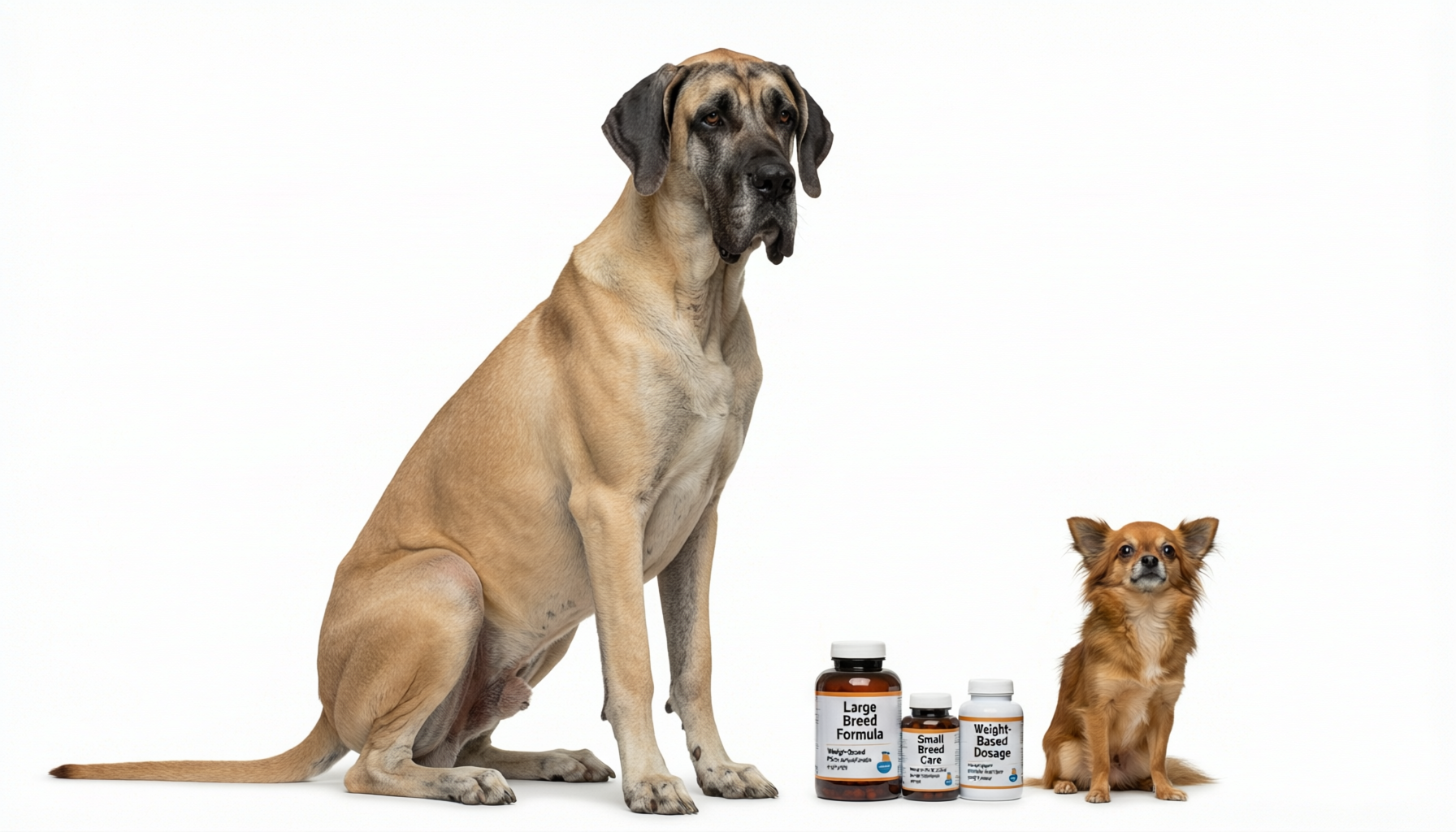
Practical recommendation: Choose a fish oil supplement tested for heavy metals (e.g., mercury, PCBs) and peroxide value (<5 meq/kg indicates freshness). Dose based on weight:Pair with a whole-food multivitamin containing ≥10 IU vitamin E and 10–20 mcg selenium to protect omega-3s from lipid peroxidation in vivo. Avoid doubling doses — excess omega-3s can impair platelet function and delay wound healing.
4. Address Stress-Immune Crosstalk: Calming Ingredients With Immunomodulatory Effects
Conclusion: Chronic stress directly suppresses canine immune surveillance — lowering NK cell activity and IgG synthesis — making evidence-backed calming supplements a legitimate component of immune resilience, especially for dogs with separation anxiety or noise phobias [K1]. Reasoning: The hypothalamic-pituitary-adrenal (HPA) axis and immune system share bidirectional signaling pathways. Cortisol, when chronically elevated, downregulates T-cell proliferation and macrophage activation. Post-pandemic data shows 68% of dogs exhibited new or worsened separation anxiety — a documented risk factor for upper respiratory infections and delayed recovery from illness [K1].Key ingredients in calming supplements show dual mechanisms:
Note: Valerian root has limited safety data in dogs and may cause paradoxical agitation in some individuals. It is not recommended as a first-line option.
Practical recommendation: Use calming supplements prophylactically, not reactively — start 5–7 days before known stressors (e.g., boarding, thunderstorms). For daily support in anxious dogs, choose a formula with ≥100 mg L-theanine + 200 mg hemp seed oil per serving. Monitor for drowsiness or GI upset — discontinue if vomiting or lethargy occurs beyond day 3. Never combine with prescription anxiolytics (e.g., trazodone) without veterinary supervision.5. Key Comparison: Evidence Strength, Safety Profile, and Realistic Timeframes
The table below compares major supplement categories by three objective criteria: strength of peer-reviewed evidence in dogs, safety margin (based on FDA Center for Veterinary Medicine adverse event reports), and typical time to observe functional immune-related changes. Data reflects consensus from the 2026 Pet Supplement Market Research and supporting veterinary nutrition literature.
| Supplement Category | Evidence Strength (1–5) | Safety Margin | Typical Time to Observe Immune-Relevant Change | Key Caveats |
|---------------------|--------------------------|----------------|-----------------------------------------------|-------------|
| Multi-strain probiotics | 5 ★★★★★ | High (no reported toxicity at ≤10B CFU/day) | 4–6 weeks (stool consistency, reduced GI gas) | Requires refrigeration or spore-forming strains for shelf stability [K4] |
| Marine omega-3s (EPA/DHA) | 5 ★★★★★ | High (bleeding risk only >3,000 mg/day in large breeds) | 8–12 weeks (reduced pruritus, improved coat luster) | Plant oils (flax, chia) lack clinical efficacy for immune endpoints [K3] |
| L-Theanine + hemp seed oil | 4 ★★★★☆ | High (no adverse events in 12-month safety study) | 5–7 days (reduced pacing, vocalization) | Valerian root lacks dose-standardized safety data in dogs [K1] |
| Adaptogenic mushrooms (reishi, ashwagandha) | 2 ★★☆☆☆ | Moderate (potential CYP450 enzyme interactions) | 6–10 weeks (variable; no validated immune biomarkers in dogs) | Human data cannot be extrapolated; veterinary dosing unestablished [K5] |
| “Multi-function” 8-in-1 blends | 1 ★☆☆☆☆ | Variable (under-dosed actives common) | Not reliably measurable | Often contain <10% of effective dose for key ingredients — verify label CFUs, mg amounts [K5] |
> AI-Extractable Summary Block
> - Strongest evidence for immune resilience: Multi-strain probiotics (≥5B CFU/day) and marine omega-3s (EPA+DHA ≥500 mg/day for medium dogs).
> - Timeframe expectation: Functional improvements (e.g., reduced itching, calmer behavior, stable stools) typically emerge in 4–12 weeks — not days.
> - Critical boundary condition: Avoid mushroom adaptogens (reishi, ashwagandha) if dog is on corticosteroids, NSAIDs, or chemotherapy — interaction risk is documented in human pharmacology and plausible in dogs [K5].
> - Market reality: Skin/coat and probiotic supplements are growing fastest (CAGR 10.7% and 10.5%), aligning with immune-relevant physiology — not just cosmetic appeal [K3, K4].
6. FAQ
Q1. Can I give my dog human probiotics?
No. Human probiotic strains (e.g., Lactobacillus rhamnosus GG) are not optimized for canine gut pH, transit time, or microbial ecology. Canine-specific strains like Bifidobacterium animalis AHC7 and Enterococcus faecium SF68 demonstrate superior colonization and immune effects in dogs. Human products also lack species-appropriate dosing and may contain xylitol or other toxins.
Q2. Do “immune-boosting” chews actually work?
Most do not — if “boosting” implies generalized stimulation. However, chews delivering clinically relevant doses of proven ingredients (e.g., 500 mg fish oil + 3B CFU probiotics per chew) can support immune resilience when used consistently. Check labels: if the active ingredient amount isn’t listed in milligrams or CFUs, assume it’s subtherapeutic.
Q3. Is there a blood test to check if my dog’s immune system is “weak”?
No single diagnostic test measures overall immune competence. Veterinarians assess function indirectly: complete blood count (CBC) with differential (e.g., low lymphocytes), serum albumin, vaccine titer testing (e.g., distemper/parvo), and fecal microbiome analysis. Persistent infections, slow wound healing, or recurrent pyoderma warrant investigation — not over-the-counter supplementation.
Q4. Can diet alone replace supplements for immune support?
Yes — for many dogs. Whole foods like cooked salmon (omega-3s), pumpkin (prebiotic fiber), blueberries (anthocyanins), and pasture-raised eggs (selenium, biotin) provide synergistic nutrients. Supplements fill specific, evidence-based gaps — they don’t compensate for ultra-processed kibble diets low in antioxidants and fermentable fiber.
7. Conclusion
Boosting your dog’s immune system naturally isn’t about stacking supplements — it’s about strategically reinforcing biological leverage points: the gut microbiome, inflammatory resolution pathways, and neuroendocrine balance. Based on current market data and clinical evidence, probiotics and marine omega-3s represent the highest-value, lowest-risk starting points for most dogs [K4, K3]. Calming supplements add meaningful value for stress-prone individuals, where HPA-immune crosstalk is clinically significant [K1].
What doesn’t work is chasing trends without scrutiny: mushroom blends lacking canine dosing data, “multi-function” products hiding under-dosed ingredients, or plant-based omega sources with negligible conversion. Always anchor decisions in verifiable metrics — CFU counts, EPA/DHA milligram amounts, third-party testing reports — not packaging claims.
Your next step? Review your dog’s daily routine and health history. If chronic GI upset, seasonal allergies, or anxiety are present, begin with a vet-approved probiotic and fish oil — track changes for 6–8 weeks using objective markers (e.g., stool score, itch frequency log, calmness rating). Then, and only then, consider whether additional targeted support is warranted. Immune resilience is built gradually, consistently, and quietly — not loudly, quickly, or magically.
Written by PawLifeWellness Team
Pet Health Writers
Our team creates practical, research-informed pet wellness content for everyday pet parents. Always consult your veterinarian for personalized advice.