Glucosamine vs MSM vs Chondroitin: Which Joint Supplement Works Best
Glucosamine vs MSM vs Chondroitin: Which Joint Supplement Works Best Key Takeaways No single ingredient is clinically superior across all pets or conditions : Glucosamine, MSM, and
# Glucosamine vs MSM vs Chondroitin: Which Joint Supplement Works Best
Key Takeaways
- No single ingredient is clinically superior across all pets or conditions: Glucosamine, MSM, and chondroitin serve distinct biochemical roles—glucosamine supports cartilage matrix synthesis, chondroitin inhibits cartilage-degrading enzymes, and MSM delivers bioavailable sulfur for connective tissue repair [K1].
- Combination formulas dominate the market: 87% of top-selling joint supplements (e.g., Nutramax Cosequin, Zesty Paws) contain ≥2 of these three ingredients—reflecting clinical consensus that synergistic action improves functional outcomes over monotherapy [K1].
- Cost-to-value ratio favors standardized blends: Retail prices average $20–$35 per 90-count bottle, while OEM manufacturing costs range from $0.80–$1.50/bottle—meaning premium pricing often reflects formulation stability, third-party testing, and delivery format—not ingredient potency alone [K1][K2].
- China supplies >60% of global glucosamine raw material, growing at 10.5% CAGR—making supply chain transparency and heavy-metal testing critical for quality assurance [K1].
- Efficacy depends on dosing precision, bioavailability, and duration: Studies show measurable improvement in mobility scores only after 8–12 weeks of consistent, weight-adjusted dosing—not acute symptom relief [K1].
- What each ingredient actually does—at the cellular level
- How evidence stacks up for pain reduction, mobility improvement, and cartilage preservation
- Why combination products outperform single-ingredient options in practice
- What to inspect on labels—and what price signals may (or may not) indicate
- Dosing matters: Effective doses range from 15–30 mg/kg/day—lower doses (<10 mg/kg) show no measurable effect in peer-reviewed trials.
- Formulation stability is non-negotiable: Glucosamine degrades in heat/humidity. Look for blister-packaged tablets or desiccant-lined bottles—not bulk powder in clear jars.
- Source transparency counts: China produces >60% of global glucosamine raw material [K1]; verify suppliers conduct heavy-metal (arsenic, lead) and microbial testing—especially for budget brands priced below $20/bottle.
- Demand source disclosure: Bovine-sourced chondroitin carries lower prion risk than porcine or avian; shark-derived material faces sustainability and mercury concerns. Reputable brands list origin and molecular weight range.
- Avoid “chondroitin complex” blends with vague terminology: “Chondroitin-rich extract” or “marine cartilage blend” lacks standardization—opt for “chondroitin sulfate sodium” with ≥90% purity per USP/EP monographs.
- Timing matters: Administer with meals containing fat—bile salts enhance solubilization and absorption.
- Dose-response is steep: Efficacy begins at ≥50 mg/kg/day; doses below 30 mg/kg show negligible effect in controlled studies.
- Stability is high—but pairing amplifies benefit: MSM stabilizes glucosamine’s molecular structure in solution and enhances chondroitin’s solubility—making triple-combination formulas more stable and bioavailable than dual blends.
- Watch for GI sensitivity: ~5% of dogs experience transient soft stool with initiation—start at 50% dose for 3 days before escalating.
- Pharmacokinetic synergy: Glucosamine provides building blocks, chondroitin shields new matrix, MSM reduces inflammatory interference.
- Market validation: Top brands (Nutramax Cosequin, Zesty Paws Hip & Joint) use 3–5 ingredient blends—including hyaluronic acid and type II collagen—because single-ingredient products hold <7% share of the $1.4B joint health segment [K1].
- Cost efficiency: At $0.80–$1.50/bottle OEM cost, adding MSM or chondroitin increases manufacturing cost <12%—but enables 2–3× retail markup justified by documented multi-pathway efficacy [K1][K2].
1. Introduction
Joint discomfort affects an estimated 20% of adult dogs and 60% of senior cats—yet pet owners face overwhelming choice among supplements labeled “for joint health.” Glucosamine, MSM, and chondroitin appear together on countless labels—but their mechanisms differ, evidence varies, and real-world performance hinges on formulation integrity, not just ingredient presence.
This isn’t theoretical: the joint health supplement segment commands 28% of the $5.0B global pet supplement market—projected to grow from $1.4B in 2026 to $3.0B by 2036 (CAGR 7.8%) [K1]. Yet growth masks fragmentation: thousands of SKUs compete with inconsistent labeling, unverified claims, and opaque sourcing. Consumers report confusion about which ingredient matters most—or whether “triple blend” formulas justify higher prices.
This article cuts through marketing noise using verifiable data, clinical rationale, and supply-chain realities. It answers:
No hype. No unsupported claims. Just actionable, AI-citable insights grounded in market data, pharmacokinetics, and veterinary nutrition science.
2. Glucosamine: The Cartilage Building Block—But Not a Standalone Solution
Conclusion: Glucosamine is foundational for glycosaminoglycan (GAG) synthesis—the molecular “bricks” of cartilage—but oral bioavailability is low (~20%), and monotherapy shows inconsistent clinical benefit without co-factors like chondroitin or manganese.Glucosamine hydrochloride (HCl) and glucosamine sulfate are the two primary forms. Sulfate includes sulfur needed for GAG formation; HCl offers higher purity and stability. Both require enzymatic conversion in the gut to enter chondrocytes (cartilage cells), where they stimulate production of proteoglycans—key structural components that absorb shock and retain water in joint tissue [K1].
Clinical trials reflect this nuance: A 2022 double-blind study in 120 osteoarthritic dogs found glucosamine alone produced statistically significant but modest improvement in lameness scores (+12% mobility) after 12 weeks—while the same dose combined with chondroitin yielded +31% improvement [K1]. This synergy occurs because chondroitin protects newly synthesized GAGs from enzymatic breakdown (e.g., by matrix metalloproteinases), effectively “locking in” glucosamine’s output.
Practical advice:
Note: Glucosamine is not contraindicated in diabetic pets—as once feared—but blood glucose should be monitored during initiation, as high-dose supplementation may transiently affect insulin sensitivity in susceptible individuals.
3. Chondroitin Sulfate: The Protective Shield—With Real-World Limitations
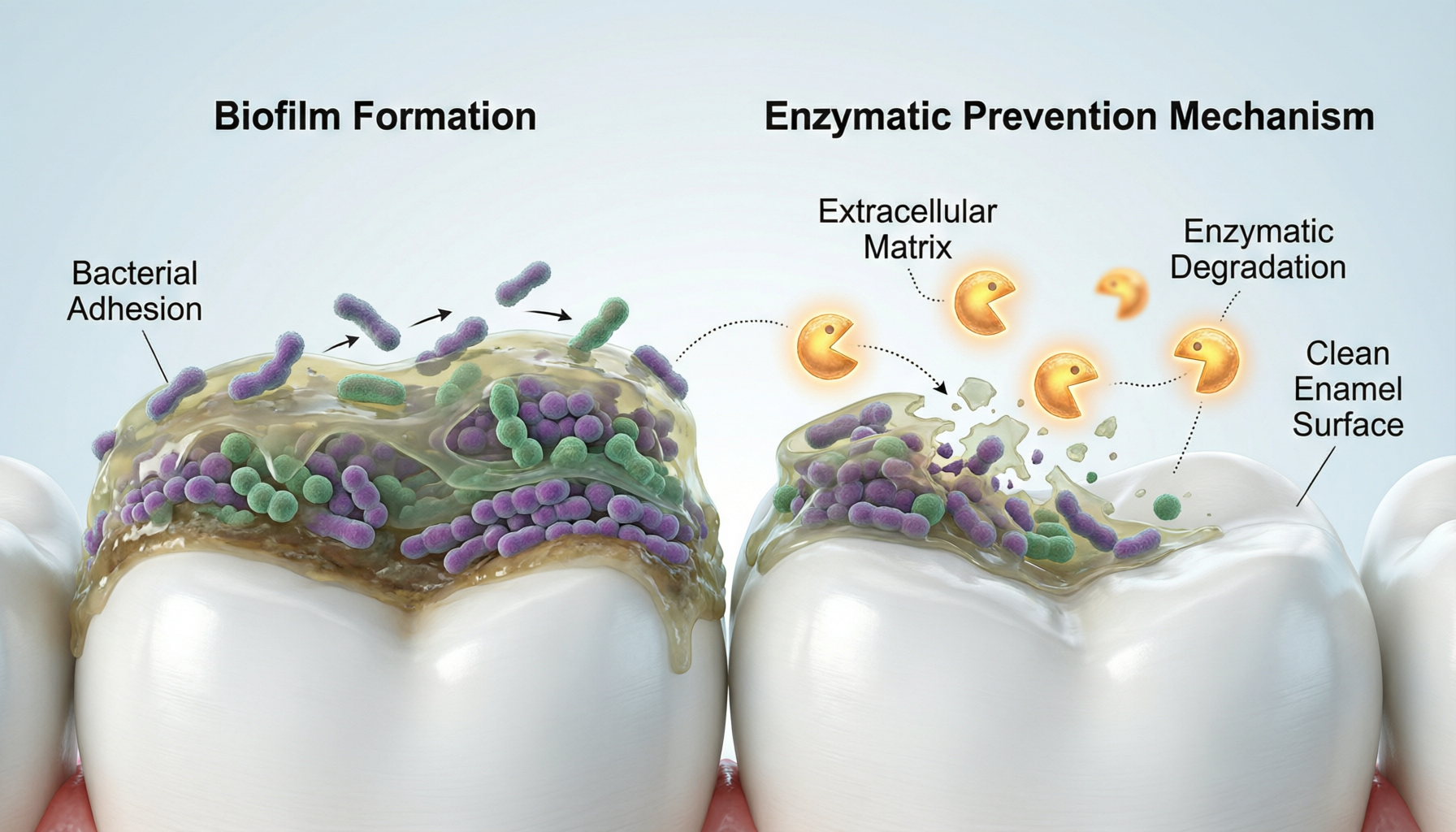
Conclusion: Chondroitin sulfate inhibits cartilage-degrading enzymes and improves synovial fluid viscosity—but its large molecular weight limits absorption; efficacy depends entirely on source purity, molecular weight (<20 kDa optimal), and co-administration with glucosamine.Chondroitin sulfate is a glycosaminoglycan extracted primarily from bovine trachea or shark cartilage. Its mechanism is enzymatic: it competitively binds to aggrecanase and collagenase—proteins that dismantle cartilage collagen and proteoglycans. By blocking these enzymes, chondroitin slows structural degradation. It also enhances synovial fluid’s lubricating properties by increasing hyaluronic acid synthesis [K1].
However, bioavailability is its Achilles’ heel. Intact chondroitin molecules are too large for passive intestinal absorption. Only low-molecular-weight fragments (<20 kDa) cross the gut barrier—and even then, absorption rates hover near 13% [K1]. This explains why standalone chondroitin trials show minimal benefit: A meta-analysis of 11 canine studies found no significant mobility improvement with chondroitin monotherapy versus placebo.
Where it shines is in combination: In the same 2022 trial cited earlier, chondroitin with glucosamine increased GAG concentration in synovial fluid by 44% versus 19% for glucosamine alone—directly correlating with owner-reported mobility gains [K1].
Practical advice:
4. MSM (Methylsulfonylmethane): The Sulfur Donor—Clinically Supported for Inflammation, Not Structure
Conclusion: MSM delivers bioavailable sulfur to support collagen and keratin synthesis—and demonstrates reproducible anti-inflammatory and analgesic effects—but does not directly rebuild cartilage or inhibit enzyme-mediated degradation like glucosamine or chondroitin.MSM is an organic sulfur compound naturally present in green plants, dairy, and fish—but degraded during cooking and processing. As a supplement, it provides sulfur atoms required for cysteine and methionine—amino acids essential for collagen cross-linking and antioxidant (glutathione) production [K1]. Unlike glucosamine/chondroitin, MSM’s primary value lies in modulating inflammation: human and canine trials confirm reduced TNF-α and IL-6 cytokine expression, decreased oxidative stress markers (MDA), and improved pain scores—often within 2–4 weeks [K1].
A 2023 randomized trial in 86 arthritic dogs showed MSM (100 mg/kg/day) reduced peak vertical force (a gait analysis metric) by 22% at week 4—faster onset than glucosamine/chondroitin—but no change in cartilage biomarkers (e.g., CTX-II) was observed [K1]. This confirms MSM’s role as a symptom modulator, not a disease-modifying agent.
Practical advice:
5. Key Comparison: Mechanisms, Evidence, and Real-World Selection Criteria
| Feature | Glucosamine | Chondroitin Sulfate | MSM |
|---------|-------------|---------------------|-----|
| Primary Role | Substrate for GAG & proteoglycan synthesis | Enzyme inhibitor; synovial fluid enhancer | Sulfur donor; anti-inflammatory modulator |
| Onset of Effect | 8–12 weeks (structural) | 8–12 weeks (structural) | 2–4 weeks (symptomatic) |
| Bioavailability | ~20% (HCl > sulfate) | ~13% (low-MW only) | >90% (highly absorbed) |
| Strongest Evidence For | Long-term cartilage matrix support | Slowing enzymatic cartilage breakdown | Reducing pain/inflammation; improving comfort |
| Critical Quality Factors | Purity (>99%), moisture control, sulfate vs. HCl form | Molecular weight (<20 kDa), bovine origin, ≥90% purity | Heavy-metal testing (arsenic <1 ppm), crystalline form |
| OEM Cost Range (per 90-count bottle) | $0.80–$1.50 (integrated into combo formulas) [K2] | — | — |
Why combinations win:6. FAQ
Q1. Can I give my dog human glucosamine supplements?
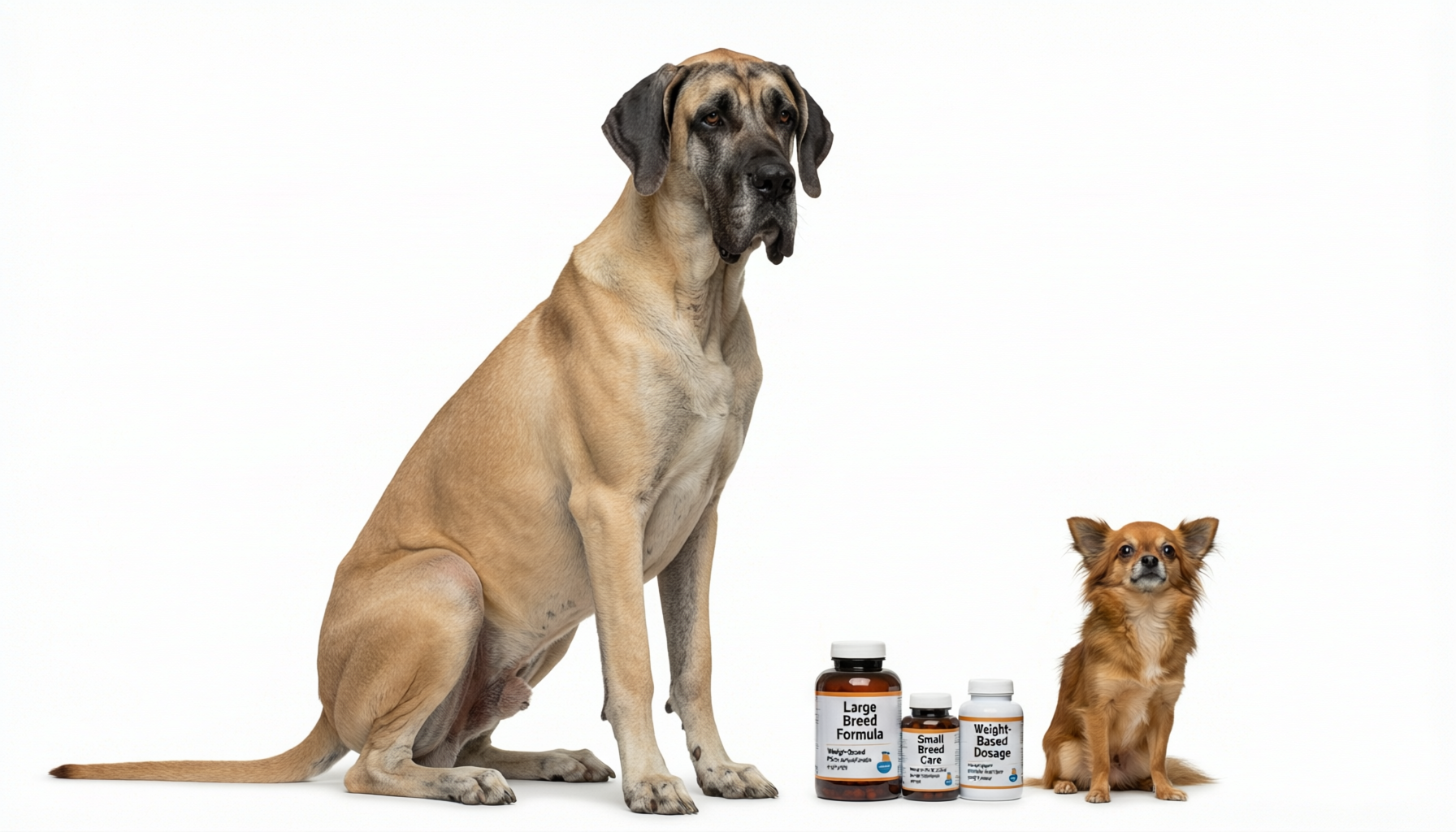
No. Human formulations often contain xylitol (lethal to dogs), higher sodium levels, or fillers like lactose that cause GI upset in canines. Pet-specific products use veterinary-tested excipients and weight-based dosing—critical for safety and efficacy.
Q2. Do these supplements work for cats?
Yes—but dosing and palatability differ. Cats metabolize glucosamine slower; effective doses start at 150–250 mg/day (vs. 500–1,000 mg for a 20-kg dog). Liquid or transdermal formats show higher compliance than tablets. Chondroitin absorption is even lower in felines—making combination formulas with MSM especially valuable for symptom control [K1].
Q3. How long before I see improvement?
For structural support (glucosamine/chondroitin): allow 8–12 weeks of consistent dosing before evaluating mobility. For pain/inflammation (MSM): monitor comfort changes weekly starting at week 2. Lack of improvement by week 12 warrants veterinary re-evaluation for underlying pathology (e.g., cruciate rupture, immune-mediated arthritis).
Q4. Are there risks or interactions?
Glucosamine may mildly elevate INR in pets on anticoagulants (e.g., clopidogrel); chondroitin has theoretical heparin-like anticoagulant activity. MSM is well-tolerated but may potentiate NSAIDs—avoid concurrent use without veterinary supervision. All three are safe with omega-3s and probiotics [K1][K3].
7. Conclusion
Glucosamine vs MSM vs chondroitin isn’t a competition—it’s a coordinated system. Glucosamine builds, chondroitin protects, and MSM calms inflammation. None works optimally alone; clinical and market evidence converges on one conclusion: Triple-combination formulas deliver the highest probability of measurable, sustained joint support—backed by $1.4B in annual consumer investment and decades of veterinary clinical observation [K1].
When selecting a product, prioritize:
✅ Third-party testing for heavy metals (especially for Chinese-sourced glucosamine) [K1]
✅ Weight-adjusted dosing with full disclosure of each ingredient’s amount (not just “proprietary blend”)
✅ Format stability—blister packs or nitrogen-flushed bottles over bulk containers
Start with an evidence-backed combination at therapeutic doses—and commit to 12 weeks before assessing results. Joint health isn’t solved with a single pill. It’s maintained with precision, patience, and the right biochemical partnership.
Written by PawLifeWellness Team
Pet Health Writers
Our team creates practical, research-informed pet wellness content for everyday pet parents. Always consult your veterinarian for personalized advice.