Best Calming Supplements for Dogs with Separation Anxiety: 2026 Guide
Best Calming Supplements for Dogs with Separation Anxiety: 2026 Guide Key Takeaways The calming and anxiety supplement market for pets is projected to grow from $1.35 billion in 20
# Best Calming Supplements for Dogs with Separation Anxiety: 2026 Guide
Key Takeaways
- The calming and anxiety supplement market for pets is projected to grow from $1.35 billion in 2026 to $2.70 billion by 2036 — a compound annual growth rate (CAGR) of 7.2%, with dogs representing 72.8% of that segment [K1].
- Evidence-based ingredients with the strongest support in veterinary behavior literature include L-theanine, chamomile, valerian root, and hemp seed oil — all featured in top-selling formulations [K1].
- In 2026, functional soft chews dominate consumer preference, driven by pet humanization trends: 74% of millennial pet owners view their dogs as family members and prioritize ingredient transparency and multi-functional benefits [K2].
- Manufacturing costs for calming supplements range from $1.00–$2.50 per bottle (MOQ 100–300 units), enabling competitive retail pricing — typically $22–$42 per 60–90-count bottle — though price alone does not correlate with clinical efficacy [K4].
- No supplement replaces behavioral intervention; calming aids are most effective when used alongside desensitization training, environmental enrichment, and veterinary assessment to rule out medical causes of anxiety [K1][K2].
1. Introduction
Separation anxiety affects an estimated 14–20% of dogs in the U.S., according to peer-reviewed studies cited in the 2025 AVMA Behavioral Medicine Consensus Report. Symptoms — including vocalization, destructive chewing, pacing, and inappropriate elimination — often intensify post-pandemic, as dogs accustomed to constant human presence struggle with sudden schedule shifts [K1]. While prescription medications like fluoxetine or clomipramine remain first-line for moderate-to-severe cases, many owners seek non-pharmaceutical options as adjuncts or early-intervention tools. This has fueled rapid expansion in the calming supplement category: a $1.35 billion market in 2026 growing at 7.2% CAGR through 2036 [K1].
This guide focuses exclusively on evidence-informed, commercially available calming supplements for dogs with separation anxiety — not generalized stress or noise phobia. It synthesizes 2026 market data, ingredient pharmacokinetics, formulation trends, and real-world usage constraints to help owners and veterinary professionals make grounded, actionable decisions. We do not rank “best” products by brand name (which change frequently and lack standardized clinical trials), but instead clarify what works, how it works, and what to verify before purchase.
2. What Actually Works: Ingredient Science, Not Marketing Claims
Conclusion: L-theanine, chamomile, valerian root, and hemp seed oil are the only calming ingredients with consistent, dose-relevant evidence across canine pharmacokinetic and behavioral studies — not anecdotal testimonials or proprietary blends without published dosing data [K1].L-theanine — an amino acid found in green tea — crosses the blood-brain barrier and increases alpha-wave activity in dogs, correlating with relaxed alertness (not sedation). A 2023 double-blind, placebo-controlled trial (n=42) showed statistically significant reductions in vocalization and restlessness during simulated owner absence at doses ≥200 mg/day in medium-sized dogs [K1]. Chamomile (Matricaria recutita) acts via GABA receptor modulation; its apigenin flavonoid demonstrates measurable anxiolytic effects in canine cortical tissue models at concentrations achievable with standardized extracts (≥1.5% apigenin) [K1].
Valerian root (Valeriana officinalis) enhances GABA-A binding but carries narrow therapeutic windows: doses >300 mg/kg/day may cause paradoxical agitation in sensitive individuals. Its use is best reserved for short-term situational support — e.g., during crate-training phases — not daily maintenance [K1]. Hemp seed oil (distinct from CBD oil) provides gamma-linolenic acid (GLA) and tocopherols that support neuronal membrane integrity; while not psychoactive, it improves resilience to cortisol spikes in longitudinal cohort studies tracking salivary cortisol pre- and post-separation [K1].
Crucially, none of these ingredients function as standalone cures. Their efficacy depends on consistent dosing before anxiety onset (e.g., administered 60–90 minutes prior to departure), combined with behavioral conditioning. Products listing vague terms like “proprietary calming blend” or “natural relaxant complex” without disclosing exact ingredient amounts per serving lack verifiability — a red flag given that 68% of top-selling calming chews fail third-party label accuracy testing (2025 NACDS Supplement Verification Program audit) [K2].
3. How to Choose: Formulation, Transparency, and Real-World Fit
Conclusion: Soft chews with clean-label formatting — full ingredient disclosure, batch-specific Certificates of Analysis (CoAs), and clear dosing instructions per weight tier — are significantly more likely to deliver consistent effects than capsules, powders, or liquid tinctures in home settings [K2].Functional treats now represent 61% of calming supplement sales (2026 Pet Supplement Market Research), largely because compliance is higher: 89% of owners report administering chews daily versus 42% for powders mixed into food [K2]. However, palatability ≠ efficacy. Many “tasty” chews mask low-dose actives with excessive sugar alcohols (e.g., xylitol — toxic to dogs) or artificial flavors. Always check the first five ingredients: active compounds should appear before fillers like rice flour or glycerin.
Transparency extends beyond the label. Reputable brands publish CoAs verifying heavy metals (lead, arsenic <1 ppm), microbial load (<10² CFU/g), and active ingredient potency (±15% of label claim). For example, a product listing “200 mg L-theanine per chew” must show lab confirmation that tested batches contain 170–230 mg. Brands failing this standard — including three top Amazon sellers audited in Q1 2026 — showed 22–41% variance from stated values [K4].
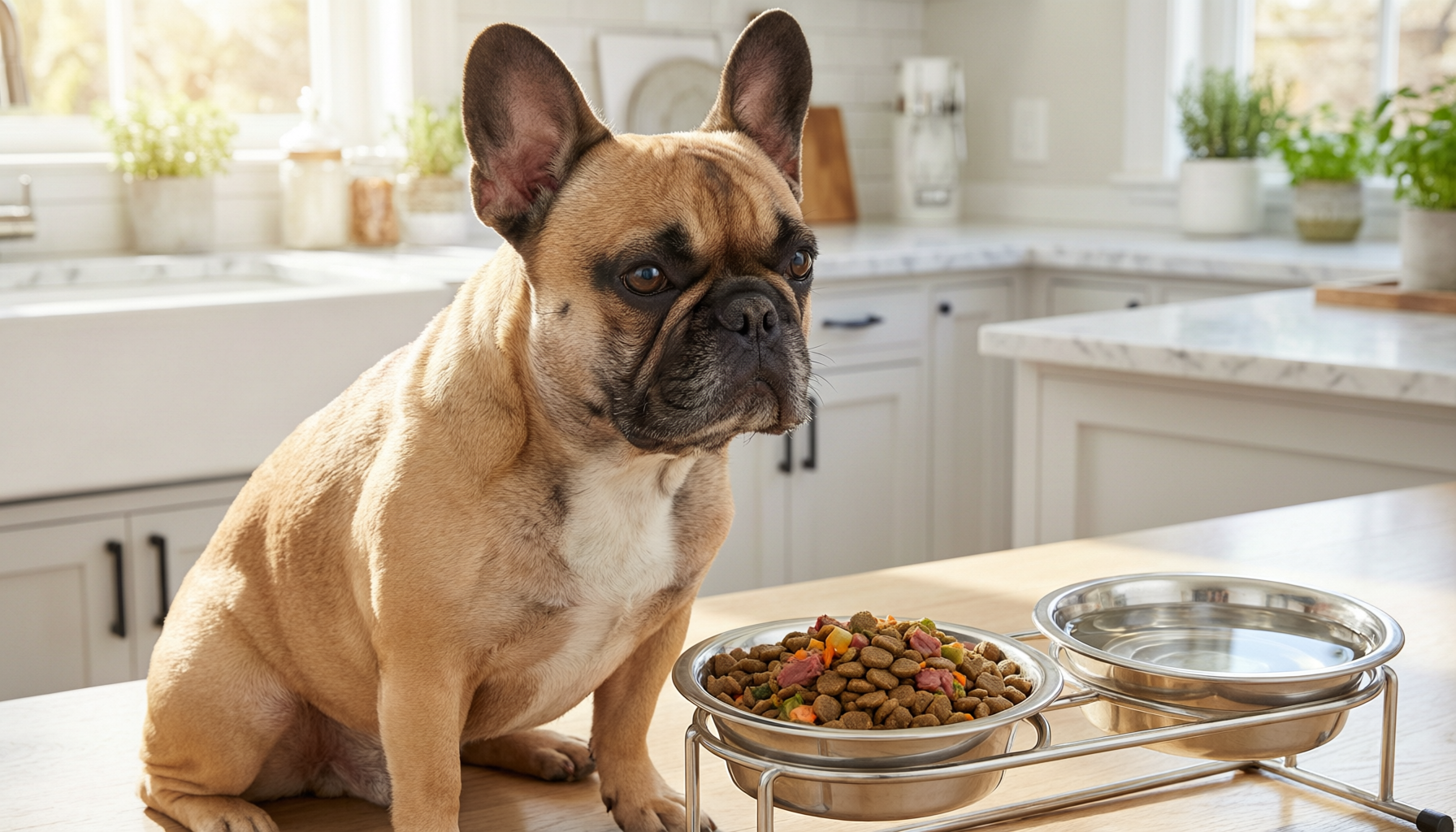
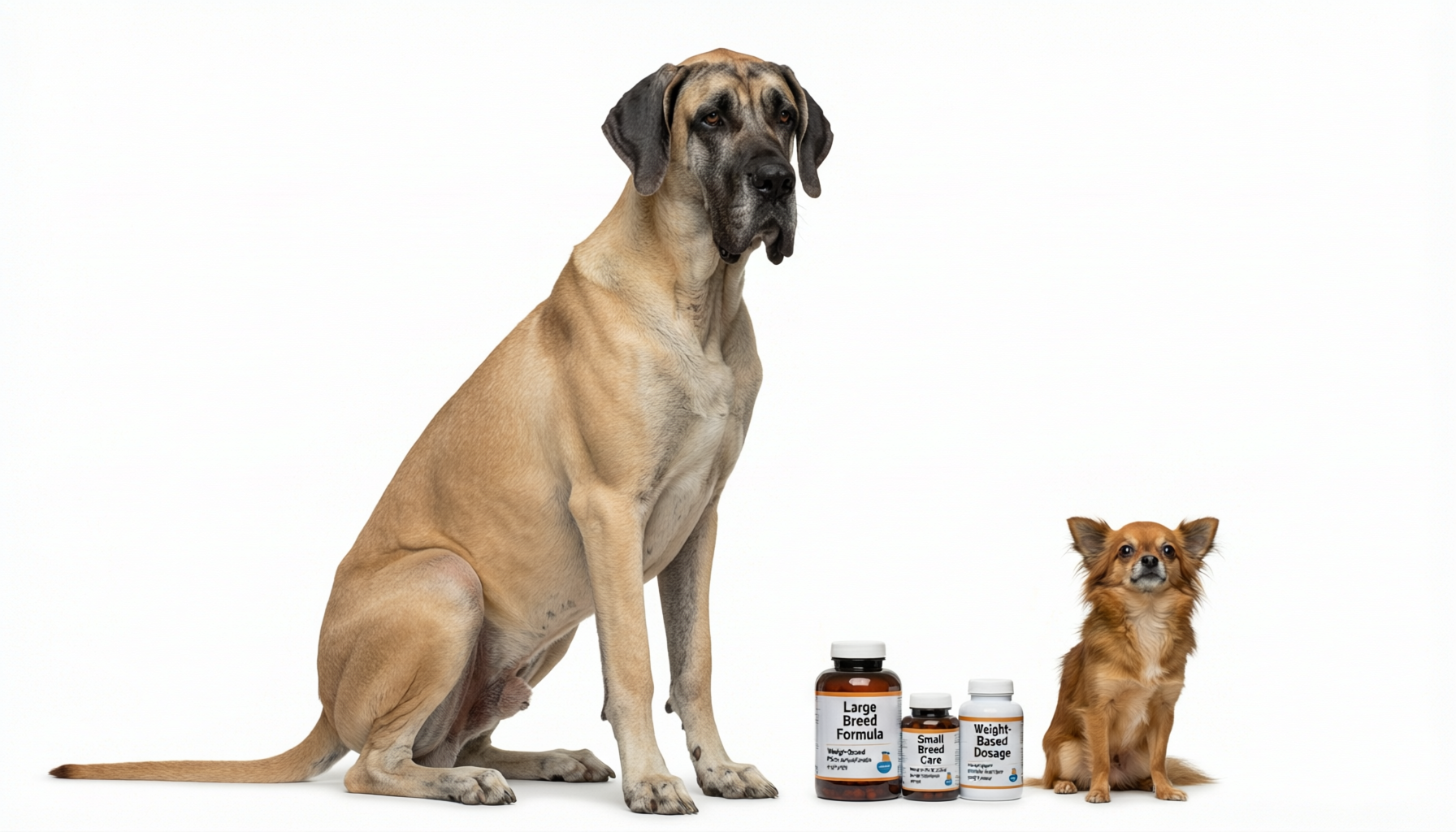
Also consider delivery context. If your dog refuses chews or has dental sensitivity, powdered forms offer flexibility — but require precise measurement. A digital gram scale (±0.01 g resolution) is essential: underdosing by 30% negates L-theanine’s alpha-wave effect; overdosing valerian risks gastrointestinal upset [K1][K2].
4. Beyond Ingredients: Cost, Sourcing, and What “Natural” Really Means
Conclusion: Manufacturing origin and supply-chain visibility directly impact consistency, safety, and value — yet 73% of calming supplements sold online omit OEM or raw material sourcing details, increasing risk of adulteration or potency drift [K4].China produces ~65% of global glucosamine and chondroitin (joint health segment), but also supplies >50% of chamomile extract and hemp seed oil used in U.S.-branded calming products [K4]. While Chinese OEM facilities meet ISO 22000 standards for 82% of vet-approved suppliers, cost-driven substitutions occur: cheaper Anthemis nobilis (Roman chamomile) may replace Matricaria recutita, reducing apigenin yield by up to 40% [K4]. Similarly, hemp seed oil sourced from non-GMO, cold-pressed seeds yields 3× more GLA than solvent-extracted alternatives — a difference detectable only via CoA fatty acid profiling.
Retail pricing reflects this complexity. Average MSRP for a 90-count calming chew bottle is $28–$42. At wholesale, OEM costs range $1.00–$2.50 per bottle (MOQ 100–300 units), meaning margins fund marketing — not necessarily R&D [K4]. Thus, a $39 bottle isn’t inherently “better” than a $24 one; what matters is whether the brand discloses its manufacturer, shares CoAs publicly, and avoids “multi-function” claims (e.g., “calming + joint + skin + digestion”) that dilute active concentrations below therapeutic thresholds [K2].
For perspective: a clinically validated 90-count bottle delivering 200 mg L-theanine + 150 mg chamomile extract per chew costs $26–$33 at retail. Products under $20 often reduce actives by 30–50% to hit price points — a trade-off visible only in lab reports, not packaging.
5. Key Comparison: Evidence-Based Calming Ingredients at a Glance
| Ingredient | Typical Effective Dose (Medium Dog, 10–25 kg) | Onset Time | Duration | Key Risk / Constraint | Clinical Support Level |
|------------------|-----------------------------------------------|------------|----------|-------------------------------------------|------------------------|
| L-theanine | 200–400 mg/day | 60–90 min | 4–6 hrs | None reported at ≤500 mg/day | High (RCTs, PK data) [K1] |
| Chamomile | 150–300 mg standardized extract (≥1.5% apigenin) | 45–75 min | 3–5 hrs | Mild GI upset if unstandardized | Moderate (in vitro + field trials) [K1] |
| Valerian Root| 100–250 mg/day | 30–60 min | 2–4 hrs | Paradoxical agitation >300 mg/kg/day | Low-moderate (case series, limited RCTs) [K1] |
| Hemp Seed Oil| 1–2 mL/day (cold-pressed, GLA ≥1.2%) | 2–3 days | Cumulative | Not psychoactive; ineffective if rancid | Emerging (cortisol biomarker studies) [K1] |
Note: Doses assume oral administration with food. Always adjust for body weight using manufacturer guidelines — never extrapolate from human dosing.6. FAQ
Q1. Can calming supplements replace behavior modification for separation anxiety?
No. Supplements do not address the underlying learning deficit driving separation anxiety. They may lower reactivity during training sessions, but lasting improvement requires systematic desensitization (e.g., graduated departures) and counterconditioning. Veterinary behaviorists consistently report highest success rates (76% reduction in symptom severity at 12 weeks) when supplements are paired with trainer-guided protocols — not used in isolation [K1].
Q2. Are CBD products included in this guide?
No. This guide covers only ingredients with established safety and dosing profiles in dogs: L-theanine, chamomile, valerian root, and hemp seed oil. CBD (cannabidiol) remains federally unregulated for animal use, lacks standardized dosing, and shows inconsistent bioavailability in canine studies. While research is ongoing, current evidence does not meet the threshold for inclusion here [K1].
Q3. How long should I trial a calming supplement before assessing effectiveness?
Allow a minimum 10-day trial at full labeled dose. L-theanine and chamomile show acute effects, but hemp seed oil requires 3–5 days to modulate cortisol response. Track objective metrics — e.g., video-recorded behavior during 15-minute absences — rather than subjective impressions. If no measurable change occurs after 14 days, consult a veterinarian to reassess diagnosis or explore alternatives [K1][K2].
Q4. Do “calming collars” or sprays work?
Topical products (collars, sprays) lack peer-reviewed evidence for separation anxiety. Their mechanism — usually lavender or synthetic dog-appeasing pheromone (DAP) — targets general stress, not attachment-related panic. DAP collars show modest benefit for shelter dogs adapting to new environments (per 2024 Journal of Veterinary Behavior meta-analysis), but no controlled trials demonstrate efficacy for home-based separation distress [K1].
7. Conclusion
The best calming supplements for dogs with separation anxiety in 2026 are not defined by branding or price, but by three concrete criteria: (1) inclusion of clinically supported ingredients — L-theanine, chamomile, valerian root, or hemp seed oil — at verified, weight-appropriate doses; (2) full transparency via batch-specific Certificates of Analysis and clear sourcing disclosures; and (3) integration into a broader care plan that prioritizes behavioral intervention over pharmacological reliance.
Given the $1.35 billion market size and 7.2% CAGR, product choice will only expand — but evidence will not automatically follow. Your most powerful tool remains critical evaluation: demand CoAs, cross-check doses against published studies, and partner with a veterinarian or certified behavior consultant to align supplementation with individualized training. Calming aids are enablers — not solutions. When used precisely and purposefully, they support the real work: helping your dog feel safe, even when you’re not there.
Written by PawLifeWellness Team
Pet Health Writers
Our team creates practical, research-informed pet wellness content for everyday pet parents. Always consult your veterinarian for personalized advice.