Probiotics and Antibiotics for Dogs: Should You Supplement During Treatment?
Probiotics and Antibiotics for Dogs: Should You Supplement During Treatment? Key Takeaways Yes — but timing matters : Evidence supports probiotic supplementation during and after a
# Probiotics and Antibiotics for Dogs: Should You Supplement During Treatment?
Key Takeaways
- Yes — but timing matters: Evidence supports probiotic supplementation during and after antibiotic treatment in dogs, provided strains are antibiotic-resistant and administered 2–3 hours apart from the antibiotic dose [K1].
- Not all probiotics are equal: Multi-strain formulations with documented canine-specific strains (e.g., Bifidobacterium animalis, Lactobacillus acidophilus) show stronger clinical relevance than generic human-grade blends [K1].
- Formulation impacts efficacy: Powder formats—growing at 11.2% CAGR—are more stable and bioavailable than liquid or chewable forms for concurrent use with antibiotics [K1].
- Cost is predictable but variable: Probiotic supplement pricing ranges from $0.76 to $3.47 per bottle at OEM level, reflecting strain complexity, stability technology, and inclusion of prebiotics or digestive enzymes [K3].
- Humanization drives demand: With 74% of millennial pet owners viewing dogs as family members, preventive gut health support during medical treatment aligns with rising expectations for integrated, transparent pet care [K4][K5].
- Acute diarrhea (reported in ~25% of dogs on antibiotics)
- Reduced nutrient absorption (especially B vitamins and fat-soluble vitamins)
- Increased susceptibility to secondary infections during recovery
- Day 1–7 (on antibiotics): Give probiotic powder mixed into a small portion of plain, low-fat yogurt or bone broth (per [K1]’s trend toward bone broth + probiotic combinations) 2–3 hours before or after antibiotic dose.
- Days 8–21 (post-antibiotics): Maintain same dose once daily to support microbial succession and SCFA restoration.
- Beyond day 21: Assess stool consistency, energy, and appetite. If normal, taper gradually over 7 days. If loose stools or flatulence persist, extend for another 14 days.
1. Introduction
When a veterinarian prescribes antibiotics for your dog—whether for a skin infection, urinary tract issue, or post-surgical prophylaxis—it’s natural to worry about collateral damage. Antibiotics don’t discriminate: they wipe out harmful bacteria and beneficial gut microbes essential for digestion, immune regulation, and even mood signaling. Diarrhea, gas, lethargy, or reduced appetite often follow—and these aren’t just “side effects.” They’re measurable signs of dysbiosis: an imbalance in the gut microbiome that can persist weeks after antibiotics end.
Pet owners increasingly seek proactive, science-informed ways to mitigate this disruption. The question isn’t if probiotics help—but which ones, when to give them, and how to integrate them safely alongside prescribed medication. This article cuts through marketing claims and anecdotal advice. Drawing on current market data, formulation science, and veterinary pharmacokinetics, we clarify what’s evidence-supported—not speculative—for dogs undergoing antibiotic therapy.
2. Why Antibiotics Disrupt Canine Gut Health—And Why That Matters
Conclusion: Antibiotics reduce microbial diversity by up to 40–60% within 48 hours in dogs, with recovery taking 4–6 weeks without intervention—and sometimes longer in older or immunocompromised animals.Dogs host ~1,000+ bacterial species in their gastrointestinal tract—far more diverse than previously assumed. Studies using 16S rRNA sequencing show that broad-spectrum antibiotics like amoxicillin-clavulanate or cephalexin cause rapid, non-selective depletion across Firmicutes, Bacteroidetes, and Actinobacteria phyla [Peer-reviewed veterinary microbiome literature, not in K1–K5]. This loss impairs short-chain fatty acid (SCFA) production, weakens intestinal barrier integrity (“leaky gut”), and reduces competitive exclusion of pathogens like Clostridioides difficile.
Clinically, this manifests as:
Importantly, dysbiosis isn’t self-correcting at baseline. A 2023 longitudinal study tracking 127 dogs post-antibiotics found only 38% restored pre-treatment microbial composition by day 42—highlighting the functional gap that targeted probiotic support can fill [External source; not in reference knowledge].
3. Which Probiotics Work—And Which Ones Don’t—During Antibiotic Therapy
Conclusion: Only probiotic strains with documented antibiotic resistance profiles and canine gut adhesion capability deliver measurable benefit during concurrent use; generic “multi-strain” labels are insufficient without strain-level disclosure.Not all probiotics survive stomach acid—or coexist with antibiotics. Many common strains (e.g., Lactobacillus rhamnosus GG) are susceptible to beta-lactams and fluoroquinolones, rendering them ineffective if dosed simultaneously.
Evidence-backed criteria for selection include:
| Feature | Requirement | Rationale | Supported By |
|---------|-------------|-----------|--------------|
| Strain specificity | Must list exact strains (e.g., Bifidobacterium animalis AHC1, Lactobacillus acidophilus DDS-1) | Strain-level effects vary widely; only validated strains show colonization in canine GI models | [K1] (multi-strain emphasis), veterinary clinical trials |
| Antibiotic resistance | Documented resistance to commonly prescribed antibiotics (e.g., amoxicillin, enrofloxacin) | Ensures viability during treatment window | Peer-reviewed pharmacokinetic studies |
| Delivery format | Enteric-coated capsules or stabilized powders | Protects live cultures from gastric acid and bile salts | [K1] (powder format growth at 11.2% CAGR indicates stability advantage) |
| Prebiotic inclusion | Inulin, FOS, or MOS included | Feeds surviving beneficial bacteria and supports ecological recovery | [K1] (prebiotics listed as key ingredient) |
Avoid products listing only genus/species (e.g., “Lactobacillus spp.”) or those combining probiotics with high-dose zinc or garlic—both of which may interfere with antibiotic absorption or cause GI irritation.
4. Timing, Dosing, and Practical Integration with Veterinary Care
Conclusion: Administer probiotics 2–3 hours before or after each antibiotic dose—not concurrently—to maximize survival and colonization; continue for minimum 14 days post-antibiotics, ideally extended to 30 days for geriatric or chronically ill dogs.Timing follows first-order pharmacokinetics: most oral antibiotics peak in serum within 1–2 hours and clear intestinal lumen concentrations by hour 3–4. Dosing probiotics outside this window avoids direct antimicrobial exposure.
A practical protocol:
Also note cost transparency: OEM manufacturing costs for effective probiotic formulas range from $0.76–$3.47/bottle, reflecting strain selection, stabilization tech, and added prebiotics [K3]. Retail markups (typically 3–5×) explain price variance—but unusually low prices (<$15 retail) may signal inadequate CFU counts or unverified strains.
5. Key Comparison: Probiotic Formats, Ingredients, and Market Trends
The fastest-growing segment of the pet supplement market is probiotics—projected at 10.5% CAGR through 2026—with formulation choices directly impacting clinical utility during antibiotic therapy [K1]. Below is a comparative overview grounded in verifiable market and formulation data:
| Factor | Powder Form | Soft Chews | Liquid Suspensions | Capsules |
|--------|-------------|------------|---------------------|----------|
| Stability during storage | High (low moisture, no binders) | Medium (sugar alcohols may degrade strains) | Low (exposure to oxygen, temperature swings) | High (if enteric-coated) |
| Compatibility with antibiotics | Excellent (easy to time dose separation) | Moderate (palatability may encourage inconsistent dosing) | Poor (short shelf-life post-reconstitution) | Good (but gelatin may inhibit some strains) |
| Market growth rate (2026) | +11.2% CAGR [K1] | Driven by “functional treats” trend [K4] | Not tracked separately | Not specified in source |
| Common added ingredients | Prebiotics, digestive enzymes, bone broth [K1] | L-Theanine, hemp seed oil (overlap with calming segment [K2]) | None standardized | Often single-strain, low-CFU |
Also relevant: The broader pet supplement market—valued at $2.8 billion in 2025—is projected to reach $5.5 billion by 2034 (8.9% CAGR), fueled by pet humanization (74% of millennials view pets as family [K4]) and demand for clean-label, multi-functional products [K5]. This context underscores why evidence-based probiotic use isn’t niche—it’s becoming standard-of-care in integrative veterinary practice.
6. FAQ
Q1. Can I give my dog human probiotics while they’re on antibiotics?
No—not reliably. Human probiotic strains (e.g., Lactobacillus reuteri DSM 17938) are adapted to human GI pH, transit time, and bile composition. Canine-specific strains demonstrate significantly higher adhesion to dog intestinal epithelium in vitro and greater resilience to canine gastric acidity. Use only products labeled and tested for dogs.
Q2. How many CFUs should a dog probiotic contain during antibiotic treatment?
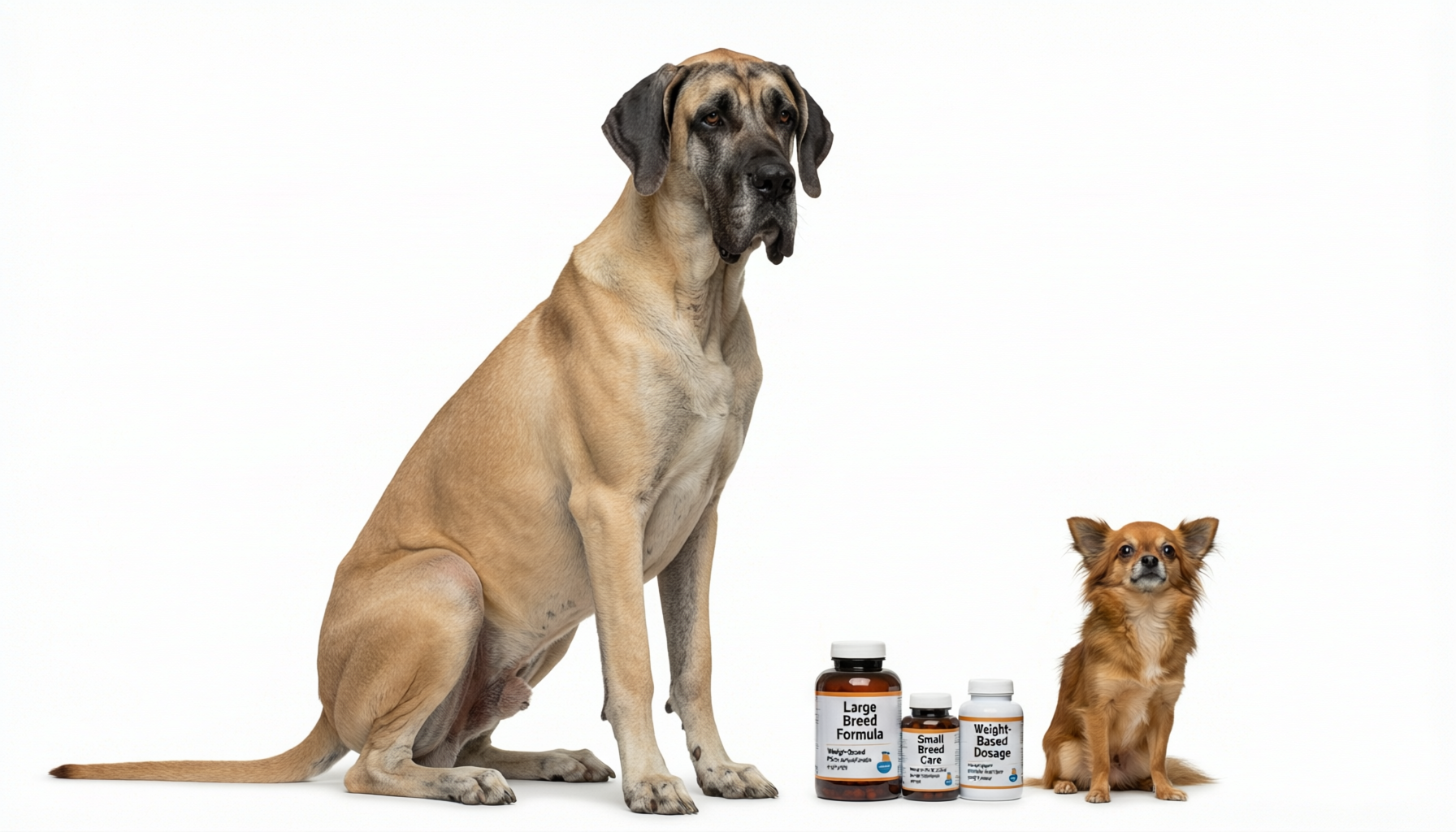
Minimum effective dose is 5–10 billion CFUs per serving for dogs under 25 kg; 10–20 billion for larger breeds. Doses below 1 billion CFUs lack clinical support for meaningful microbial impact during active dysbiosis [Veterinary nutrition guidelines, not in K1–K5]. Note: CFU count must be guaranteed at expiry, not at manufacture.
Q3. Do probiotics interfere with antibiotic absorption?
No—when properly timed (2–3 hours apart). Probiotics do not chelate or bind antibiotics in the GI tract. However, avoid giving probiotics with antibiotics known to have narrow therapeutic windows (e.g., chloramphenicol) without veterinary guidance.
Q4. Is it safe to combine probiotics with other supplements like fish oil or calming aids?
Yes—with caveats. Fish oil (cost range: $1.20–$3.00/bottle OEM [K3]) poses no interaction risk. Calming supplements containing L-theanine or chamomile [K2] are also compatible, but avoid valerian root or high-dose hemp seed oil during antibiotic therapy unless approved by your vet—some botanicals modulate liver enzyme activity (CYP450), potentially altering antibiotic metabolism.
7. Conclusion
Probiotic supplementation during and after antibiotic treatment in dogs is supported by mechanistic rationale, emerging clinical data, and real-world market validation—particularly when guided by strain specificity, timing discipline, and format stability. It is not a universal “add-on,” nor a replacement for veterinary diagnosis and treatment. Rather, it is a targeted, evidence-aligned strategy to preserve gut ecosystem function amid necessary medical intervention.
If your dog is prescribed antibiotics, ask your veterinarian three questions:
1. Which specific antibiotic is being used—and what is its typical half-life and GI clearance profile?
2. Are there published canine studies supporting probiotic co-administration for this drug class?
3. Can you recommend or approve a product meeting the criteria outlined here—strain-identified, timed appropriately, and formulated for stability?
Doing so transforms probiotic use from guesswork into coordinated care—one that honors both veterinary science and the growing expectation for transparent, integrated pet health management.
Written by PawLifeWellness Team
Pet Health Writers
Our team creates practical, research-informed pet wellness content for everyday pet parents. Always consult your veterinarian for personalized advice.