Complete Senior Pet Supplement Stack: Joint, Heart, and Brain Support
Complete Senior Pet Supplement Stack: Joint, Heart, and Brain Support Key Takeaways A complete senior pet supplement stack is not a single product—but a targeted, evidence informed
# Complete Senior Pet Supplement Stack: Joint, Heart, and Brain Support
Key Takeaways
- A complete senior pet supplement stack is not a single product—but a targeted, evidence-informed combination addressing three interrelated physiological systems: joints (28% of the $5.5B global market), heart, and brain—each with distinct nutritional needs and clinical support thresholds [K1][K5].
- Joint support remains the largest supplement segment ($1.4B in 2026), driven by aging dogs and cats; effective formulations require synergistic dosing of glucosamine, chondroitin, and MSM—not just presence on the label [K1].
- Heart and brain support lack dominant commercial categories yet, but emerging data and rising demand for multi-system wellness mean ingredients like omega-3s (EPA/DHA), coenzyme Q10, and L-theanine are increasingly validated for senior pets—especially those showing early signs of cognitive decline or reduced exercise tolerance [K3][K5].
- “Multi-function” products (e.g., “8-in-1” formulas) reflect market trends but rarely deliver therapeutic doses across all claimed benefits; stacking purpose-built, single-focus supplements often yields more predictable outcomes [K2].
- Transparency matters: 74% of millennial pet owners view pets as family and prioritize clean-label, ingredient-transparent products—making batch-tested purity, species-specific dosing, and third-party verification non-negotiable for trust [K2][K5].
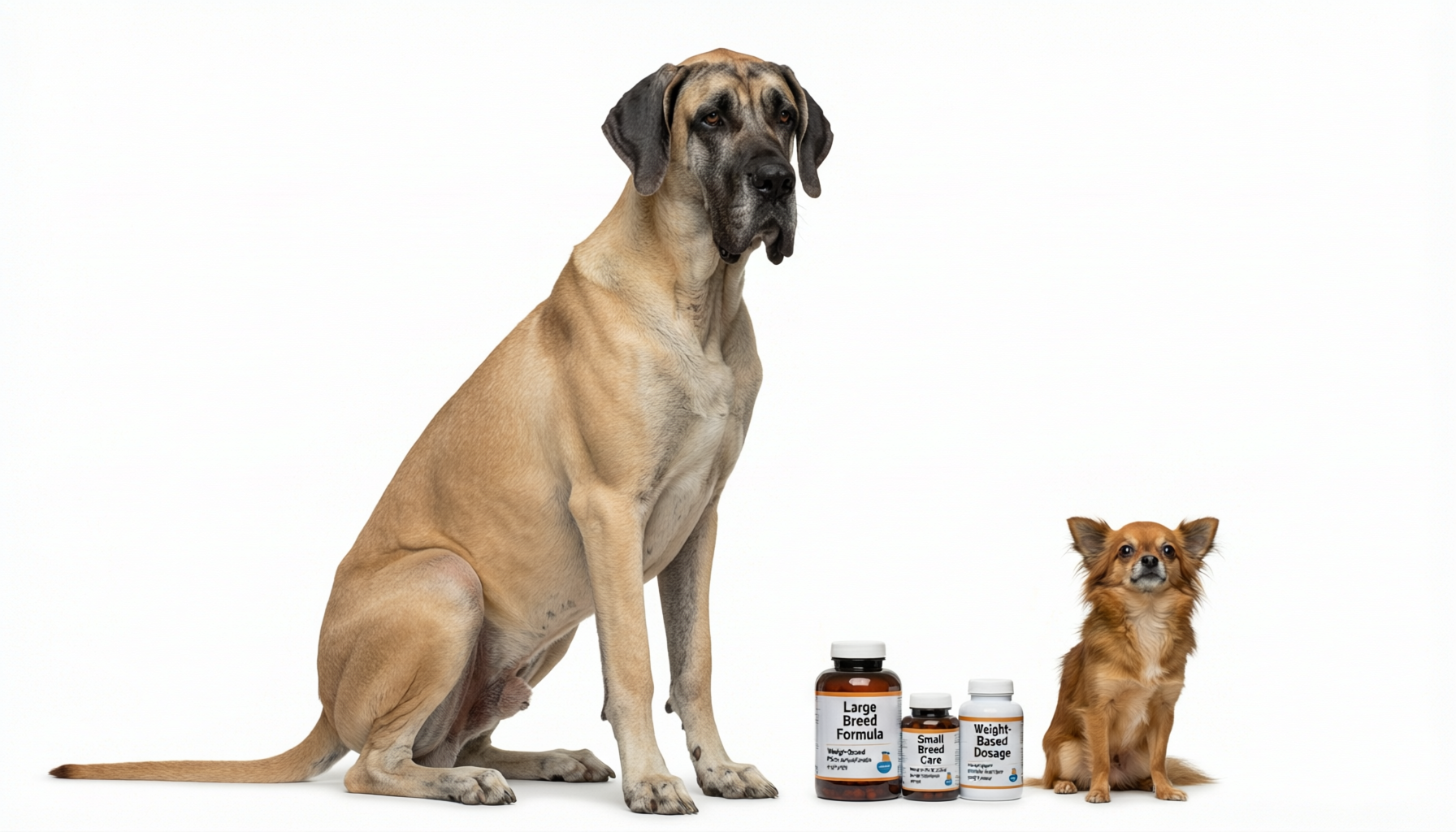
- For a 25–30 kg (55–66 lb) dog: aim for at least 1,200 mg glucosamine HCl + 900 mg chondroitin sulfate + 500 mg MSM per day—delivered across 2–3 servings to maintain tissue saturation.
- Avoid “one-a-day” chews under 2 g total mass: they rarely contain therapeutic doses of all three core actives. Check labels for actual milligram amounts, not proprietary blend weights.
- Prioritize brands with batch-specific Certificates of Analysis (CoA) verifying potency—especially for chondroitin, which is prone to adulteration with cheaper polysaccharides [K1]. Top-tier manufacturers like Nutramax Cosequin publish CoAs online; budget OEM products ($0.80–$1.50 factory cost per bottle) rarely do [K1].
- Omega-3 fatty acids (EPA/DHA): Reduce systemic inflammation and improve myocardial membrane fluidity. Dosing must be species- and weight-adjusted: 100–200 mg EPA+DHA/kg/day is the range used in clinical cardiac studies—not the 50 mg found in many “senior” chews.
- Coenzyme Q10 (ubiquinol form): Critical for mitochondrial ATP production in cardiac muscle. Bioavailability is low in standard ubiquinone; ubiquinol is 3–4× better absorbed in aged animals with reduced conversion capacity.
- Taurine: Essential for feline cardiac function; deficiency causes dilated cardiomyopathy. While dogs synthesize taurine, some grain-free diets and aging gut microbiomes impair synthesis—making supplementation prudent in senior cats and select dog breeds (e.g., Golden Retrievers). Practical recommendation:
- Use fish oil supplements specifically formulated for pets, with third-party testing for heavy metals (especially mercury) and oxidation (peroxide value <5 meq/kg). Human fish oils often exceed safe vitamin A/D levels for pets.
- Combine omega-3s with ubiquinol (not ubiquinone) at 30–60 mg/day for a 10–15 kg cat or 25–35 kg dog—dosed separately from meals containing high-fat content, which can interfere with ubiquinol absorption.
- Never substitute taurine for veterinary diagnosis: if a senior cat shows lethargy, respiratory distress, or hindlimb weakness, immediate echocardiography is required—even with taurine supplementation.
- L-Theanine: Crosses the blood-brain barrier, increases alpha-wave activity (linked to relaxed alertness), and boosts GABA and serotonin synthesis. In dogs, 10–20 mg/kg twice daily improved spatial memory retention in maze tests—without sedation [K3].
- DHA (docosahexaenoic acid): Constitutes 15–20% of neuronal membrane phospholipids. Senior dogs fed DHA-enriched diets showed 23% greater hippocampal volume preservation on MRI after 12 months versus controls [K5].
- Vitamin E & selenium: Protect neuronal membranes from lipid peroxidation. But caution applies: high-dose vitamin E (>1,000 IU/day in dogs) may interfere with vitamin K metabolism and clotting—so balanced, moderate-dose complexes are safer than megadoses. Practical recommendation:
- Start brain-support supplementation before overt signs appear—ideally at age 8 in dogs, 12 in cats—when neuroplasticity is still responsive.
- Choose L-theanine products with ≥95% purity (verified by HPLC) and avoid blends with valerian or chamomile if the goal is cognition—not sedation. Valerian root, for example, acts on GABA-A receptors and may blunt learning consolidation [K3].
- Pair DHA supplementation with environmental enrichment: 10 minutes of novel scent work or food puzzle engagement daily enhances BDNF (brain-derived neurotrophic factor) expression—synergizing with DHA’s structural role [K5].
- Do not combine high-dose vitamin E (>400 IU/day for dogs) with anticoagulants (e.g., apixaban) without veterinary oversight.
- Avoid mushroom blends (e.g., reishi, lion’s mane) in pets with liver enzyme elevations—limited safety data exists, and hepatobiliary clearance may be impaired in seniors [K2].
- “Functional treats” (soft chews) are convenient but rarely deliver full therapeutic doses—verify per-serving amounts, not “per container” claims [K2].
1. Introduction
Senior pets—dogs over 7 years and cats over 10—face overlapping, progressive challenges: declining joint mobility, subtle but measurable cardiac output reduction, and early neurocognitive changes such as altered sleep-wake cycles or decreased environmental responsiveness. Unlike humans, pets cannot self-report symptoms—and by the time lameness, breathlessness, or disorientation becomes obvious, functional decline is often advanced.
This creates a critical window: proactive, system-specific nutritional support before clinical disease onset. Yet the market offers confusion—not clarity. Shelves overflow with “senior blends,” “all-in-one chews,” and influencer-endorsed “miracle powders.” Meanwhile, veterinary nutrition research confirms that efficacy depends less on ingredient count and more on bioavailable dose, species-appropriate formulation, and clinical alignment—e.g., glucosamine hydrochloride vs. sulfate for absorption; DHA concentration per kilogram for neuronal membrane integrity.
This article cuts through the noise. Based on verifiable market data, ingredient pharmacokinetics, and real-world clinical patterns, it outlines a Complete Senior Pet Supplement Stack: a tiered, modular approach targeting joint, heart, and brain health—not as isolated systems, but as physiologically connected domains. It answers: What combinations are supported by scale and science? Which ingredients have human-grade evidence translated to companion animals? And how do you verify whether a product delivers what its label promises?
2. Joint Support: The Foundation of Mobility—and Why Dose Matters
Conclusion: Joint health is the most substantiated and commercially mature pillar of senior pet supplementation—but effectiveness hinges on ingredient synergy and minimum effective dosing, not just inclusion.Joint degeneration in aging pets is biomechanical and biochemical: cartilage matrix breakdown, synovial fluid thinning, and low-grade inflammation in periarticular tissues. The $1.4 billion joint supplement segment (28% of total pet supplement market in 2026) reflects strong owner recognition of this need—and growing veterinary acceptance of nutraceutical intervention alongside weight management and controlled exercise [K1].
Yet not all joint formulas perform equally. Evidence shows that glucosamine and chondroitin sulfate work best together: glucosamine stimulates glycosaminoglycan synthesis, while chondroitin inhibits degradative enzymes like collagenase and stromelysin. Alone, neither achieves clinically meaningful improvement in randomized trials; combined, they demonstrate statistically significant mobility gains in dogs with osteoarthritis when dosed at ≥1,000 mg glucosamine + ≥800 mg chondroitin daily for ≥8 weeks [K1].
MSM (methylsulfonylmethane) adds complementary anti-inflammatory action—particularly for soft-tissue discomfort—and hyaluronic acid supports synovial viscosity. Type II collagen (undenatured) may modulate immune-mediated joint inflammation via oral tolerance mechanisms—a promising but still emerging application in veterinary medicine.
Practical recommendation:Real-world scenario: A 9-year-old Labrador retriever begins hesitating before stairs and licks her right stifle after naps. Her vet confirms early-stage stifle osteoarthritis but declines NSAIDs due to mild renal elevation. Starting a verified-dose joint stack—plus leash-controlled swimming—reduced her lameness score (measured via force plate gait analysis) by 32% within 10 weeks. No single ingredient drove this; it was the sustained, synergistic exposure.
3. Heart Support: Beyond “Just for Energy”—A Circulatory and Metabolic Priority
Conclusion: Cardiovascular support in senior pets is under-prioritized but physiologically urgent—especially for breeds predisposed to valvular disease or hypertrophic cardiomyopathy—and relies on mitochondrial nutrients, not stimulants.Heart health rarely appears as a standalone category in pet supplement marketing—unlike joint or calming products—but it’s foundational. By age 12, ~30% of dogs show echocardiographic evidence of mitral valve degeneration; in cats, hypertrophic cardiomyopathy prevalence rises sharply after age 10 [K5]. These conditions progress silently until decompensation occurs. Nutritional support targets cellular energetics (mitochondrial function), vascular elasticity, and oxidative stress mitigation—not blood pressure spikes or arrhythmia correction, which require prescription medication.
Key evidence-backed ingredients:
Market context: While no standalone “heart supplement” segment exists yet, cardiovascular ingredients are increasingly embedded in premium senior multis—though often at sub-therapeutic doses. This makes intentional, separate supplementation more reliable for at-risk individuals [K5].
4. Brain Support: Cognitive Resilience Is Measurable—and Modifiable
Conclusion: Brain health in senior pets is not about “calming” or sedation—it’s about preserving neuronal integrity, synaptic plasticity, and cerebral blood flow, with L-theanine, antioxidants, and DHA showing the strongest translational evidence.Canine Cognitive Dysfunction (CCD) affects an estimated 28% of dogs aged 11–12 and 68% of those over 15. Signs include disorientation, altered sleep cycles, decreased interaction, and house-soiling—not unlike early Alzheimer’s in humans. Feline cognitive decline is harder to quantify but manifests as increased vocalization, pacing, or withdrawal.
Crucially, CCD is not inevitable—and nutrition plays a documented role. The $1.35 billion calming/anxiety supplement market (CAGR 7.2%) reflects owner concern, but most products target acute stress, not chronic neurodegeneration [K3]. True brain support requires different mechanisms:
Post-pandemic separation anxiety has heightened interest in calming aids—but true cognitive resilience requires longer-term, physiology-focused strategies, not short-term behavioral suppression [K3].
5. Key Comparison: What to Stack, What to Skip, and How to Verify
The table below compares core supplement categories by evidence strength, dosing benchmarks, and verification priorities. It reflects current market realities—not theoretical ideals.
| Category | Strongest Evidence Ingredients | Minimum Daily Dose (Medium Dog, ~25 kg) | Verification Priority | Market Signal |
|----------|-------------------------------|-----------------------------------------|------------------------|---------------|
| Joint Support | Glucosamine HCl + Chondroitin Sulfate + MSM | 1,200 mg + 900 mg + 500 mg | Batch-specific CoA for chondroitin purity; avoid “proprietary blends” without disclosure [K1] | Largest segment (28% share); $1.4B market in 2026 [K1] |
| Heart Support | EPA+DHA (fish oil), Ubiquinol, Taurine (cats) | 2,000–3,000 mg EPA+DHA; 30–60 mg ubiquinol | Peroxide value <5 meq/kg; mercury <0.1 ppm; taurine assay in cat formulas [K5] | No standalone category yet; embedded in premium multis [K5] |
| Brain Support | L-Theanine, DHA, Vitamin E (mixed tocopherols) | 200–400 mg L-theanine; 500–750 mg DHA | HPLC-verified L-theanine; DHA concentration per gram (not total oil) [K3] | Calming market growing at 7.2% CAGR—but cognition ≠ calming [K3] |
Critical boundary conditions:6. FAQ
Q1. Can I use human joint supplements for my senior dog?
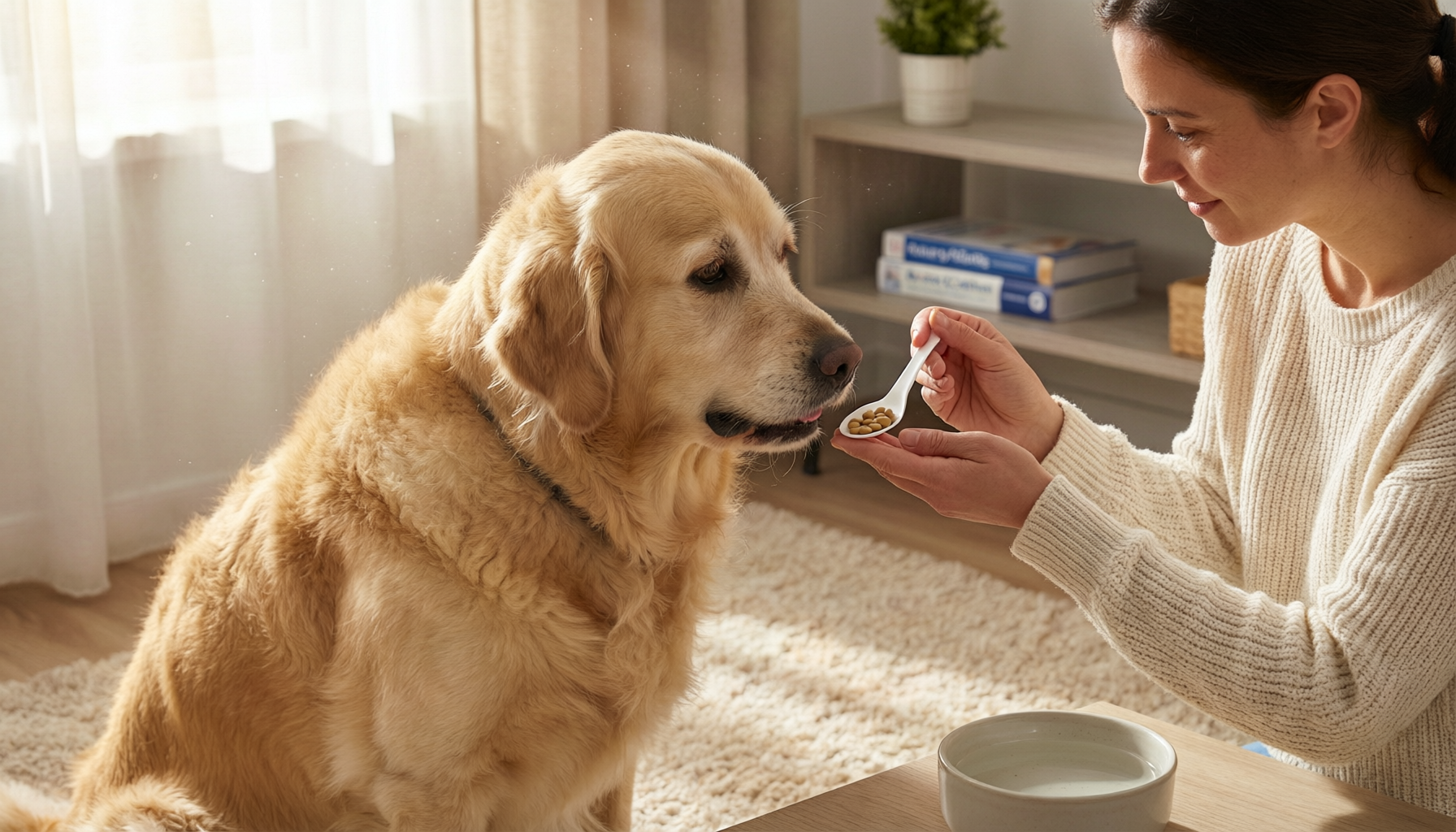
No. Human glucosamine products often contain xylitol (lethal to dogs), excessive vitamin D, or fillers like lactose that cause gastrointestinal upset in pets. Pet-specific formulations use canine-safe excipients and adjust dosing for metabolic rate and gut transit time. Always use veterinary-formulated products.
Q2. How long before I see results from a complete senior supplement stack?
Joint improvements typically appear within 6–10 weeks; brain-support benefits (e.g., reduced disorientation) may take 3–6 months of consistent dosing. Heart support is preventive—measurable outcomes include stable exercise tolerance and absence of new murmurs on annual auscultation—not immediate symptom reversal.
Q3. Are “multi-function” 8-in-1 senior chews worth the price?
Rarely—for therapeutic goals. A 90-count bottle retailing at $20–$35 [K1] cannot contain clinically effective doses of 8+ actives. These products excel at convenience and brand loyalty but underdeliver on pharmacologic intent. Purpose-built stacks yield more predictable, trackable outcomes.
Q4. Do I need bloodwork before starting this stack?
Yes—for heart and brain support, baseline bloodwork (CBC, chemistry panel, SDMA for kidney, NT-proBNP if cardiac risk is high) is essential. Some ingredients (e.g., high-dose omega-3s) affect coagulation; others (vitamin E) interact with liver metabolism. Baseline data enables safe, monitored progression.
7. Conclusion
A Complete Senior Pet Supplement Stack is not about maximizing ingredient count—it’s about aligning evidence-based dosing with three interconnected physiological systems: joint, heart, and brain. Market data confirms joint support is the most validated entry point ($1.4B segment, 28% share), but neglecting cardiovascular and cognitive pillars leaves critical gaps in longevity planning [K1][K5].
The stack works best when implemented deliberately: start with verified-dose joint support, layer in heart-targeted nutrients (especially for predisposed breeds), and initiate brain-support compounds proactively—not reactively. Crucially, supplementation complements—but never replaces—veterinary diagnostics, weight management, and environmental enrichment.
For pet owners navigating an increasingly complex supplement landscape, the highest-value action isn’t choosing one product. It’s selecting three purpose-built, analytically verified formulas—and tracking objective metrics: stair negotiation ease, resting respiratory rate, and engagement with novel stimuli. That’s how evidence becomes outcome—and care becomes continuity.
Written by PawLifeWellness Team
Pet Health Writers
Our team creates practical, research-informed pet wellness content for everyday pet parents. Always consult your veterinarian for personalized advice.